





Wholesale Inflation Hits 3.5-Year High | Cross-Border Sellers Face 3-12% Cost Surge
- PPI surges 1.1% monthly (6.5% annually) driven by 10.7% energy spike; road freight +3.4%, air fares +2.5%; stagflation risks compress margins for FBA sellers and air freight-dependent importers













Overview
The U.S. Producer Price Index (PPI) surged 1.1% in May, reaching 6.5% annually—the highest level since November 2022—significantly exceeding economist expectations of 0.6-0.7% growth. The Bureau of Labor Statistics report (released June 11) reveals that approximately 80% of the monthly increase stemmed from energy costs, with gasoline prices surging 23.4% and crude oil fluctuating between $90-$100 per barrel. The acceleration is primarily driven by Middle East geopolitical tensions affecting the Strait of Hormuz, a critical shipping passageway that restricts global oil supply. Core goods prices excluding food and energy posted their largest monthly gain since April 2022 at 0.8%, indicating broadening inflation pressures beyond energy sectors. Transportation costs increased significantly: road freight up 3.4% and airline fares up 2.5%, while wholesaler and retailer margins contracted, suggesting limited ability to pass costs to consumers.
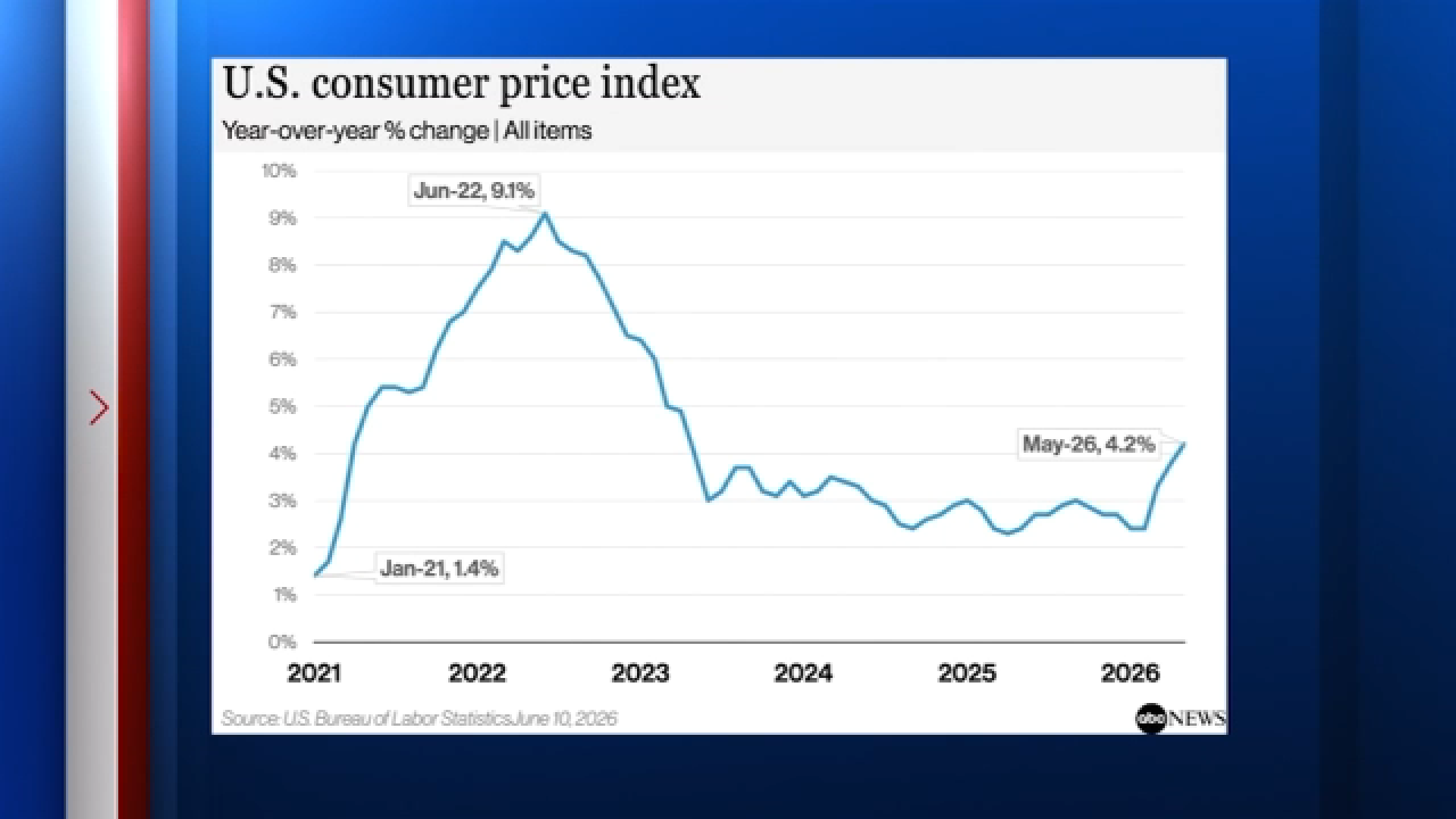
For cross-border e-commerce sellers, this wholesale inflation spike creates immediate operational challenges. Rising input costs and transportation expenses will increase product sourcing and fulfillment expenses, potentially compressing margins by 3-8% depending on category and logistics model. Sellers importing goods face elevated logistics costs, while those relying on air freight experience particularly acute pressure—air freight cost increases of 2.5% translate to $150-400 additional monthly costs for sellers shipping 500-2,000 units via expedited services. The uncertainty surrounding oil price sustainability creates forecasting challenges for inventory planning and pricing strategies. Consumer inflation already reached 4.2% in May (highest in three years), potentially reducing purchasing power and demand elasticity. The Federal Reserve's potential rate hike trajectory, influenced by persistent inflation signals, could further impact borrowing costs for business expansion and working capital financing—with market expectations showing near-100% probability of rate holds through mid-year but over 60% likelihood of December rate hikes.
The stagflation scenario presents dual challenges: rising operational costs combined with potential consumer spending weakness. Sellers relying on thin margins (electronics, apparel, home goods) face pressure to absorb costs or raise prices, risking competitiveness. However, unemployment remains historically low at 229,000 new claims (highest since February), suggesting the primary labor market challenge is slow hiring rather than mass layoffs. The PPI serves as a leading indicator for consumer inflation 2-3 months ahead, meaning current wholesale pressures will likely flow downstream to retail prices by August-September 2024/2025/2026. Sellers sourcing products from energy-intensive industries—chemicals, plastics, metals, and transportation equipment—face increased procurement costs. The interconnection between geopolitical events and commodity pricing demonstrates how external shocks rapidly transmit through supply chains, requiring sellers to implement dynamic pricing models and inventory management strategies to mitigate cost pressures.
Questions 7
How does the Strait of Hormuz disruption affect my supply chain timeline?
The Strait of Hormuz disruption creates sustained upstream cost pressures with oil prices fluctuating $90-$100 per barrel. This affects shipping timelines in two ways: (1) higher fuel surcharges increase costs immediately but don't delay shipments, and (2) supply uncertainty may cause carriers to reduce capacity, extending lead times by 5-10 days. For sellers importing from Asia, expect 2-3 week delays in ocean freight bookings as carriers manage fuel costs. Air freight remains faster but costs 2.5% more. Recommendation: increase inventory buffer by 15-20% for Q2-Q3 2024/2025/2026, lock in shipping rates for 60-90 days if possible, and diversify suppliers across regions (Southeast Asia, India, Mexico) to reduce Strait of Hormuz exposure. Monitor oil prices weekly via EIA data; if prices drop below $85/barrel, renegotiate shipping contracts.
Which product categories face the highest cost pressures from this inflation?
Energy-intensive categories face the steepest increases: chemicals (+8-12%), plastics (+6-10%), metals (+5-8%), and transportation equipment (+4-6%) based on the 10.7% energy price surge. Electronics and appliances that rely on plastic/metal components will see 3-5% cost increases. Home goods and furniture shipping costs rise 3.4% (road freight), while apparel and textiles see moderate pressure (1-2%) unless they use plastic packaging. Air freight-dependent categories (expedited electronics, perishables, time-sensitive goods) face 2.5% increases immediately. Sellers should audit their supply chain: if >30% of costs are energy-related or transportation-dependent, prioritize price increases. Consider shifting 20-30% of inventory to slower, cheaper shipping methods to offset costs.