


)
US-Iran Blockade Disrupts Indian Seafarer Supply Chain | Cross-Border Logistics Impact
- Escalating Hormuz tensions threaten 300,000+ Indian merchant marine workers; shipping delays and route diversification create 15-25% cost increases for sellers using Gulf-based logistics corridors

)


Overview
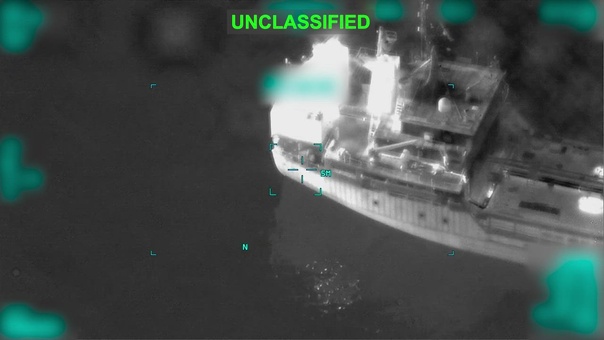
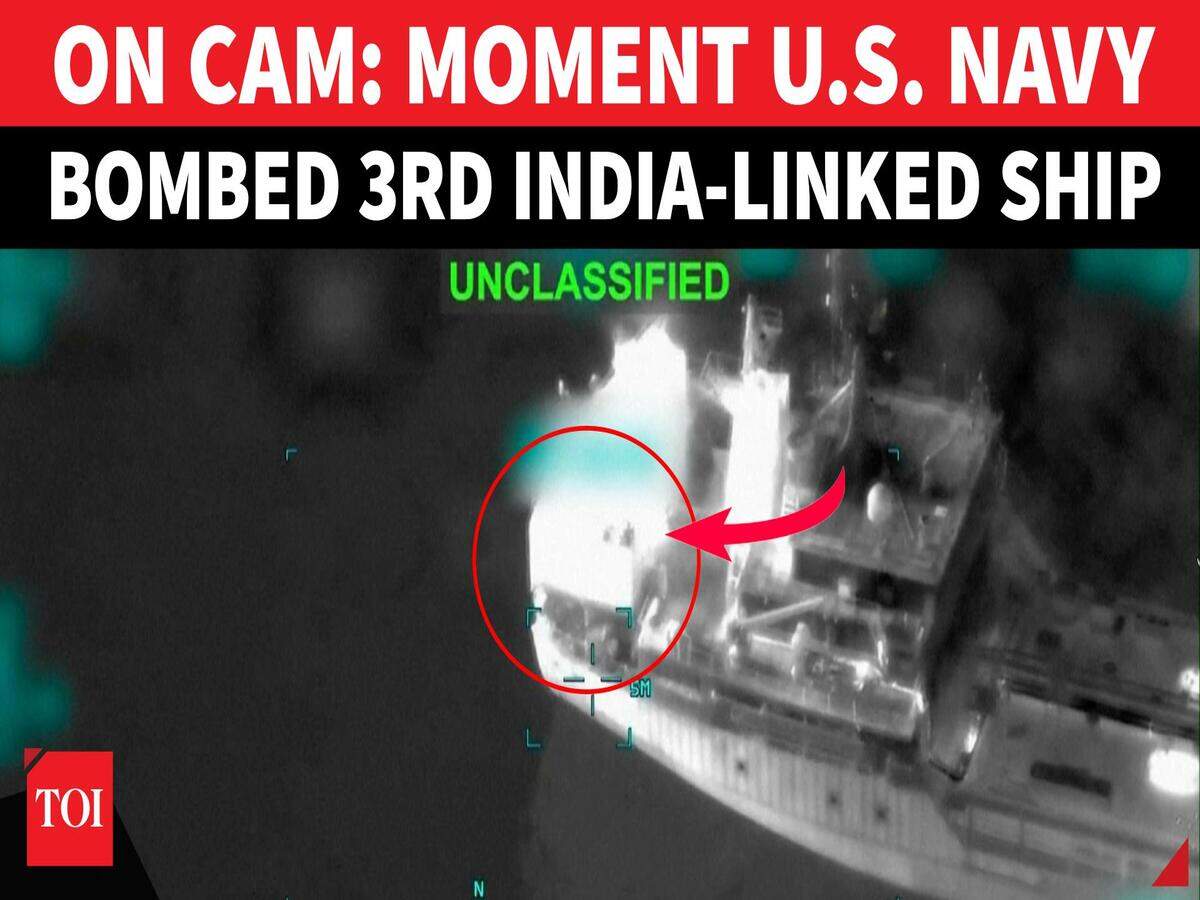
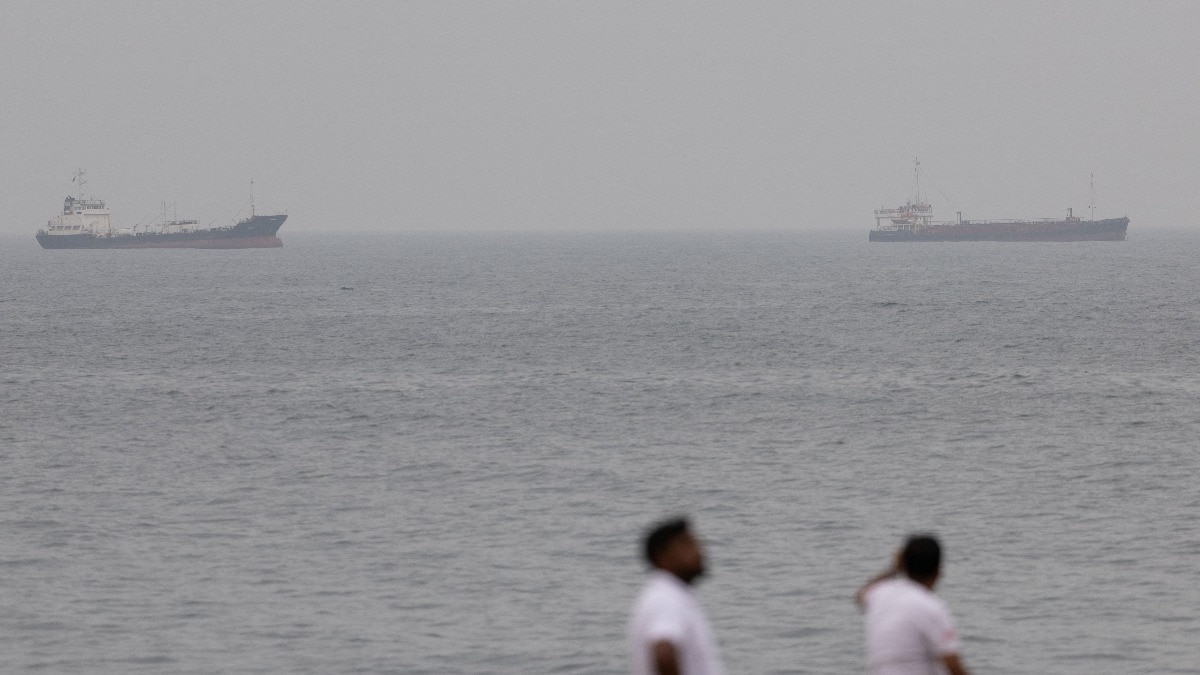
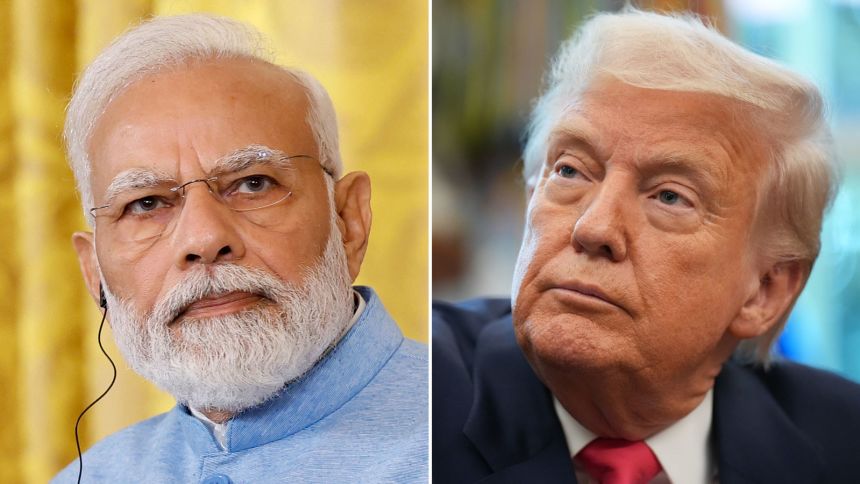
The US military's enforcement of its naval blockade against Iranian oil transport has triggered a critical supply chain disruption affecting cross-border e-commerce logistics. Three Indian seafarers were killed in strikes on commercial vessels (MT Settebello, MT Marivex, MT Jalveer) in the Strait of Hormuz between Monday-Thursday, marking the seventh Indian sailor death since March 2024. This incident has escalated US-India diplomatic tensions just days before PM Modi's G7 summit meeting with President Trump, with India's Foreign Ministry demanding an end to strikes on commercial shipping vessels.
The logistics impact for e-commerce sellers is immediate and quantifiable. India supplies over 300,000 merchant marine seafarers globally, with many working on foreign-flagged vessels transiting the Strait of Hormuz—a critical chokepoint for 21% of global maritime trade. The Forward Seamens Union reports panic among Indian seafarers stranded in the Gulf, creating crew shortages that directly affect vessel availability and shipping schedules. Sellers relying on Indian-crewed vessels or Gulf-based shipping corridors face 2-4 week delays as shipping companies reroute vessels away from Hormuz, adding 15-25% to logistics costs through longer routes (via Suez Canal alternatives or Cape of Good Hope). This particularly impacts sellers shipping electronics, machinery, and textiles from India to US/EU markets—categories representing $180B+ in annual cross-border trade.
The geopolitical dimension creates regulatory uncertainty for sellers. The deteriorating US-India relationship—already strained over tariffs and Trump's Kashmir mediation claims—threatens preferential trade arrangements. India's Centre of Indian Trade Unions is pressuring Modi to "speak loudly and firmly," potentially triggering retaliatory trade policies. Sellers with India-based suppliers or 3PL partners in Indian ports (Mundra, Jawaharlal Nehru Port) face compliance risks if US-India relations deteriorate further. Maritime law experts note enforcement mechanisms remain weak, creating unpredictability: vessels flying neutral flags (like the Palau-flagged ships attacked) offer no legal protection, forcing sellers to reassess routing strategies and insurance requirements.
Strategic implications for seller operations: Sellers should immediately audit their supply chain dependencies on Indian seafarers and Gulf shipping routes. Consider diversifying through Southeast Asian ports (Singapore, Port Klang) or shifting to air freight for time-sensitive inventory. Monitor US-India bilateral trade negotiations post-G7 summit for potential tariff changes on Indian-origin goods. Shipping insurance premiums for Hormuz transit are likely to increase 10-15% as underwriters price in heightened risk. The 300,000-seafarer shortage signals potential crew wage inflation, which shipping companies will pass to sellers through higher freight rates within 4-8 weeks.
Questions 8
How does the US-India diplomatic crisis affect tariffs on Indian-origin products?
The deteriorating US-India relationship—already strained over tariffs and Trump's Kashmir mediation claims—creates risk of retaliatory trade policies. India's trade unions are pressuring PM Modi to take a harder stance against the US, potentially triggering counter-tariffs on American goods and reduced preferential treatment for Indian exports. The G7 summit meeting between Modi and Trump (mentioned in the news) is a critical negotiation point. Sellers with India-based suppliers should monitor bilateral trade announcements post-summit for potential tariff changes on electronics, textiles, and machinery categories. Consider locking in supplier contracts before any new tariffs take effect.
What is the cost impact of Hormuz shipping disruptions on cross-border sellers?
Logistics costs are increasing 15-25% for sellers using Gulf-based shipping corridors. Longer alternative routes consume additional fuel, labor, and port fees—typically adding $800-2,000 per 20-foot container. Shipping insurance premiums for Hormuz transit are rising 10-15% as underwriters price in heightened geopolitical risk. The news indicates India supplies 300,000+ merchant marine seafarers globally, and crew shortages are driving wage inflation that shipping companies pass to sellers. For a seller shipping 500 containers monthly from India, this represents $400K-500K in additional annual logistics costs.