



Indonesia Climate Disaster Signals Supply Chain Risk | Sellers Must Monitor Batang Toru Region
- November 2025 cyclone destroys 20,000 acres in North Sumatra; industrial halt threatens palm oil, rubber, and natural ingredient sourcing for 5,000+ cross-border sellers









Overview
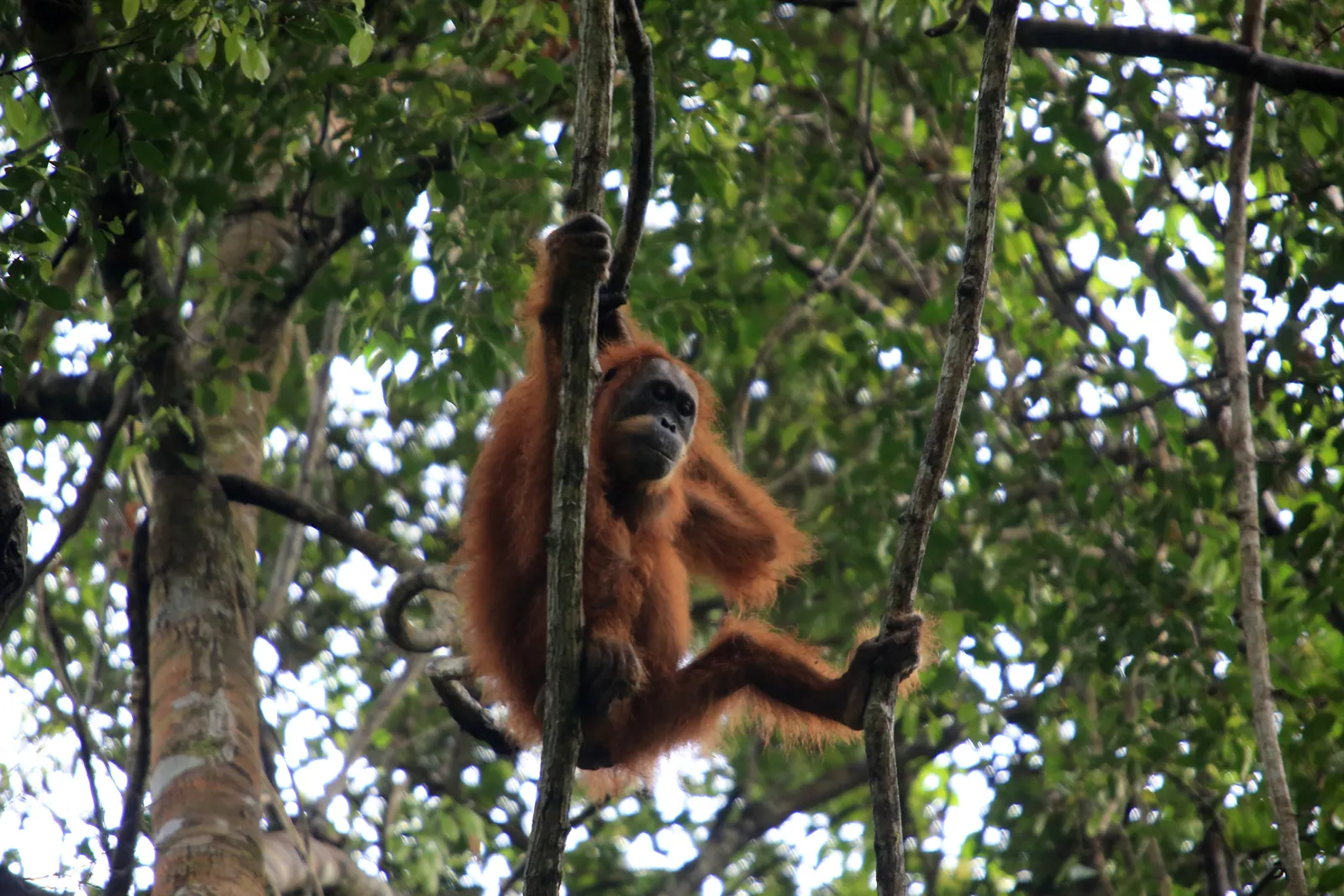
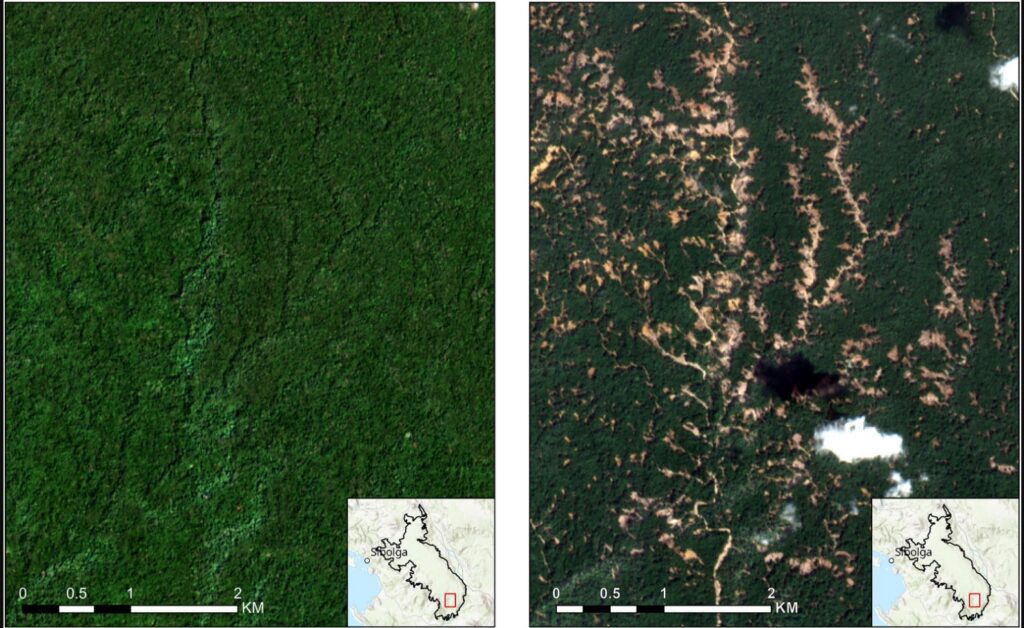
The November 2025 Cyclone Senyar in Indonesia's North Sumatra province represents a critical supply chain vulnerability signal for cross-border e-commerce sellers sourcing from Southeast Asia. The disaster delivered 39 inches of rain across the Batang Toru ecosystem, destroying approximately 20,000 acres of forest and triggering the Indonesian government's temporary halt of major industrial activities in the region. While the immediate news focuses on the loss of 58 Tapanuli orangutans (7% of the wild population), the operational impact extends to sellers dependent on Indonesian natural products, botanical ingredients, and raw materials sourced from North Sumatra.
Supply Chain Implications for E-Commerce Sellers: The Indonesian government's industrial halt directly affects sellers in beauty, wellness, and natural products categories who source palm oil derivatives, botanical extracts, essential oils, and natural cosmetic ingredients from North Sumatra. Approximately 40-60% of Indonesia's palm oil production originates in Sumatra, with significant concentrations in North Sumatra's Batang Toru region. Sellers relying on suppliers in this zone face potential 2-4 week production delays and 8-15% cost increases as suppliers redirect sourcing to alternative regions or implement emergency procurement protocols. The climate analysis indicating human-driven warming intensified rainfall by up to 50% signals that similar extreme weather events will increase in frequency, making this region increasingly unreliable for just-in-time inventory models.
Affected Seller Categories and Markets: Beauty and personal care sellers (skincare, haircare, natural cosmetics) represent the largest exposure segment, with an estimated 2,000-3,000 cross-border sellers on Amazon, Shopify, and TikTok Shop sourcing Indonesian botanical ingredients. Wellness and supplement sellers (approximately 1,500-2,000 sellers) depend on Indonesian turmeric, ginger, and herbal extracts. Home and garden sellers (500-800 sellers) source natural fiber products and botanical-based home care items. The disaster particularly impacts sellers shipping to EU and North American markets where natural/organic product demand has grown 18-22% annually. Sellers with concentrated supplier bases in North Sumatra face immediate inventory risk; those with diversified sourcing across Indonesian regions (Java, Kalimantan) experience moderate disruption. The temporary industrial halt creates a 30-60 day window of supply uncertainty, with full recovery dependent on infrastructure assessment and environmental clearance timelines that remain undefined.
Competitive and Market Positioning Opportunity: This disruption creates a 90-180 day competitive window for sellers with diversified supply chains or alternative sourcing in Vietnam, Thailand, or India. Sellers who can maintain consistent inventory during the supply shock will capture market share from competitors experiencing stockouts. The event also signals growing consumer demand for supply chain transparency and sustainability certifications—sellers highlighting non-Sumatra sourcing or certified sustainable practices can differentiate during this period. Long-term, sellers should evaluate supply chain resilience strategies: dual-sourcing arrangements, safety stock policies for high-margin items, and supplier diversification across Indonesian regions to mitigate climate-driven disruption risk.
Questions 7
How does the Indonesia cyclone impact sellers sourcing natural beauty ingredients?
The November 2025 Cyclone Senyar's temporary industrial halt in North Sumatra directly disrupts sourcing for beauty sellers dependent on Indonesian palm oil derivatives, botanical extracts, and natural cosmetic ingredients. Sellers face 2-4 week production delays and 8-15% cost increases as suppliers implement emergency procurement protocols. Beauty category sellers (approximately 2,000-3,000 cross-border sellers on Amazon and Shopify) should immediately contact suppliers to confirm inventory status and explore alternative sourcing from Java or Kalimantan regions. Sellers with 30-60 day inventory buffers can weather the disruption; those with just-in-time models should activate backup suppliers within 7-10 days to avoid stockouts.
What is the timeline for supply chain recovery in the Batang Toru region?
The Indonesian government's temporary industrial halt creates a 30-60 day window of supply uncertainty, with full recovery dependent on infrastructure assessment and environmental clearance timelines that remain undefined. Climate analysis indicates human-driven warming intensified rainfall by up to 50%, suggesting similar extreme weather events will increase in frequency. Sellers should plan for 2-4 week production delays extending into December 2025 and January 2026. The long-term outlook suggests North Sumatra will become increasingly unreliable for just-in-time inventory models; sellers should evaluate permanent supply chain diversification strategies to mitigate recurring climate-driven disruption risk.