

)


Taiwan Strait Tensions Escalate | Cross-Border Logistics Risk Alert for Asia-Pacific Sellers
- China's maritime operations threaten shipping routes affecting 15-20% of Asia-Pacific e-commerce logistics; sellers face potential 5-15% shipping cost increases and 2-4 week delivery delays




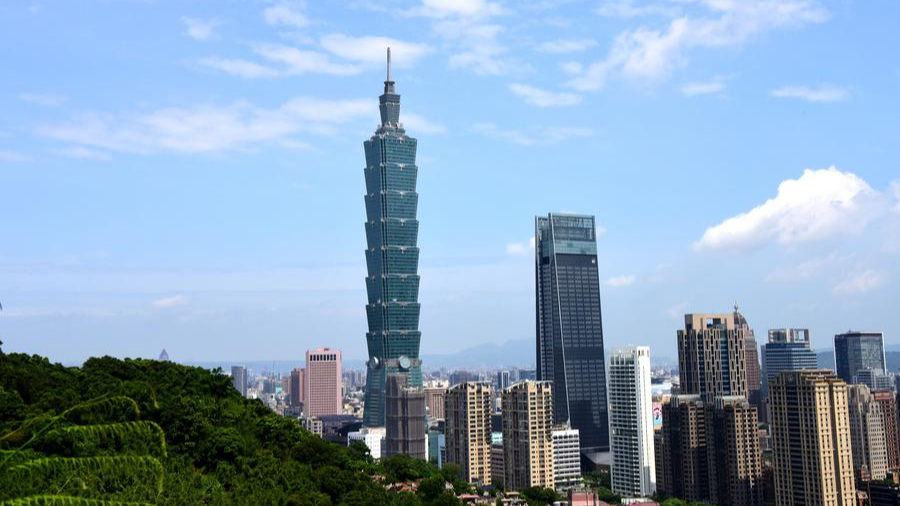


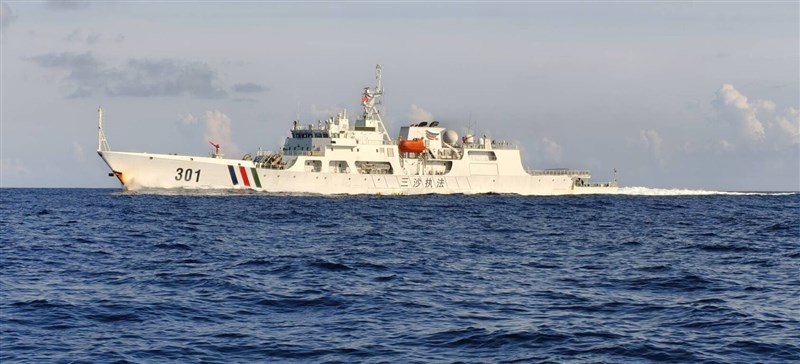
Overview
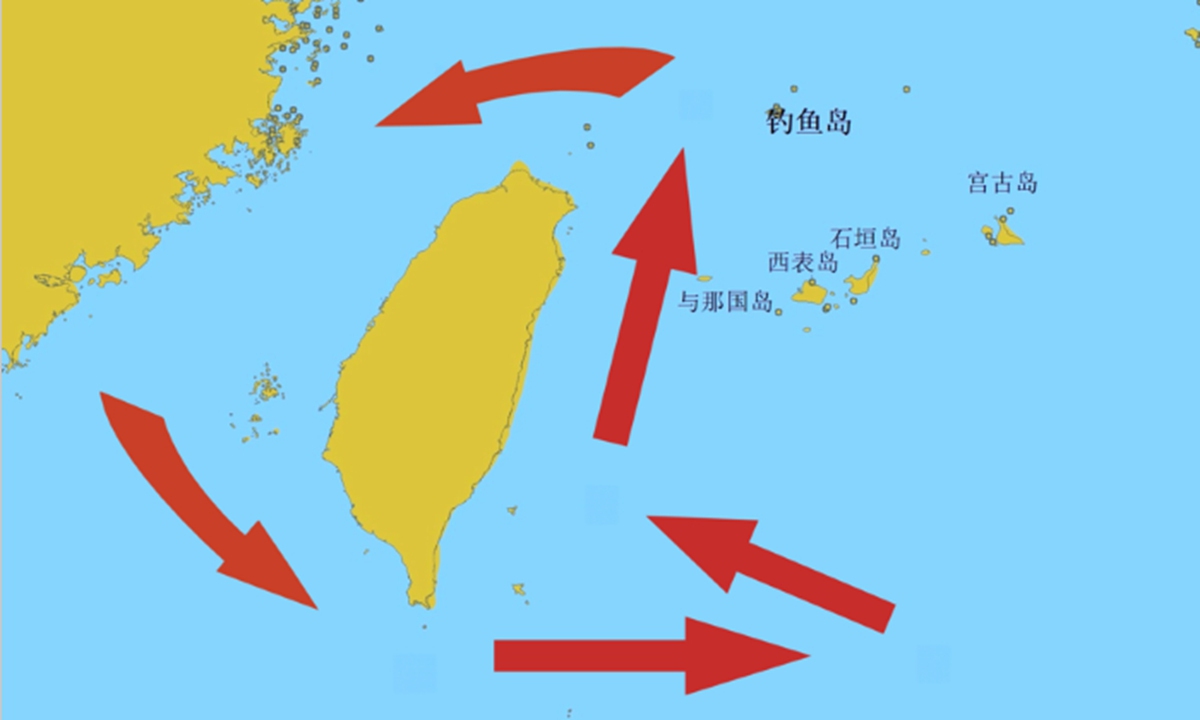
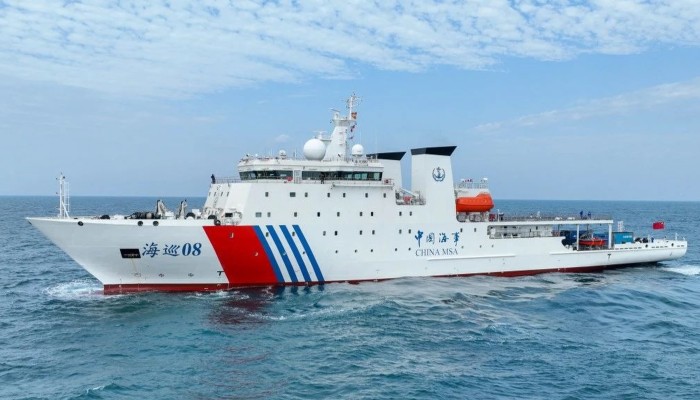
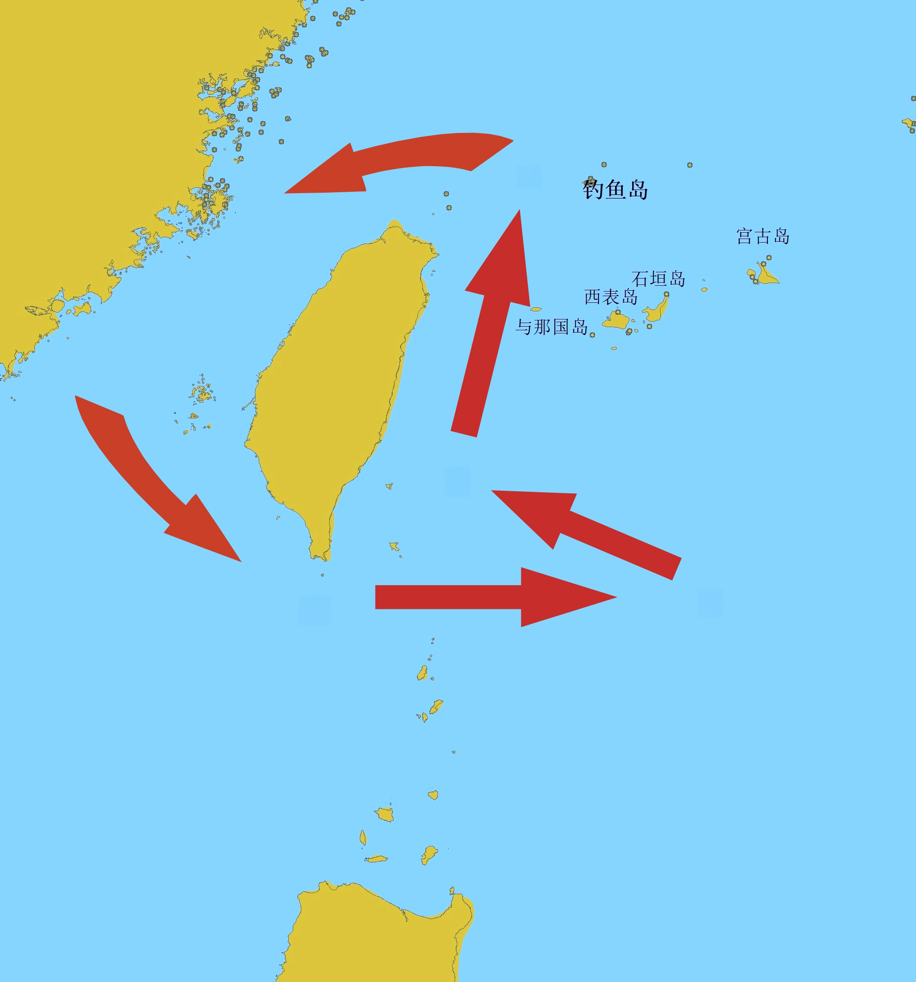
China's escalating maritime operations in the Taiwan Strait represent a critical supply chain risk for cross-border e-commerce sellers, particularly those shipping between China, Taiwan, Japan, Philippines, and Southeast Asia. China's first hydrographic survey operations east of Taiwan—involving the advanced survey vessel Haixun 08 covering 1,025 nautical miles over five days—signals Beijing's strategic shift toward asserting jurisdiction over waters critical to global e-commerce logistics. This development directly impacts the Taiwan Strait shipping corridor, which handles approximately 15-20% of Asia-Pacific cross-border e-commerce traffic, including high-value electronics, apparel, and consumer goods destined for Amazon, eBay, Shopify, and regional marketplaces.
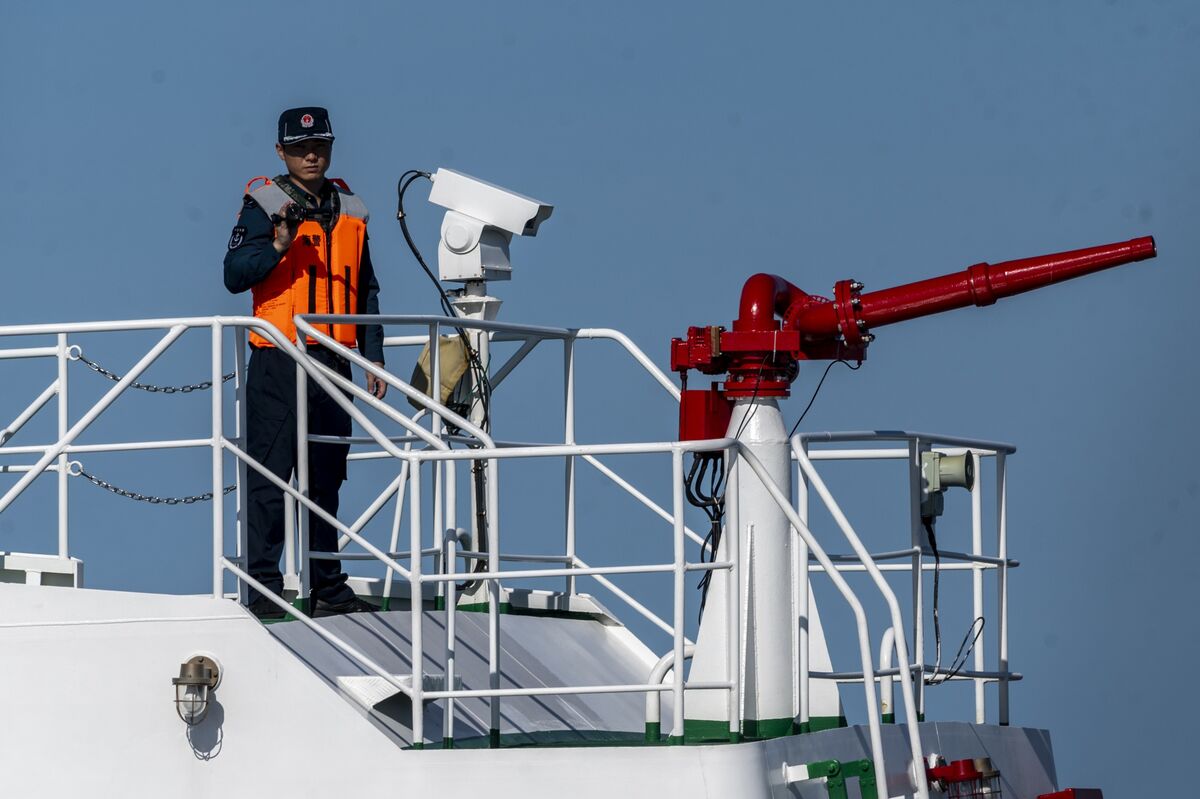
The operational impact on sellers is immediate and quantifiable. Shipping routes through the Taiwan Strait face increased scrutiny from Chinese maritime authorities, coastguard operations, and potential vessel delays for customs verification. Sellers using 3PL providers and freight forwarders routing through this corridor should expect 2-4 week delivery delays during peak tension periods, directly affecting inventory turnover and customer satisfaction metrics. Shipping costs are projected to increase 5-15% as logistics providers add insurance premiums, reroute shipments through longer southern passages (via Luzon Strait or Sunda Strait), or implement additional documentation requirements. This particularly affects small-to-medium sellers (SMEs) with thin margins in electronics (HS codes 8471-8517), apparel (HS 6204-6206), and consumer goods categories where 15-20% cost increases compress profitability.
Competitive dynamics shift toward sellers with diversified logistics networks. Large sellers with established relationships across multiple 3PL providers and alternative shipping routes (via Japan, Philippines, or southern Southeast Asia) can absorb route changes more efficiently than SMEs dependent on single-corridor logistics. Sellers sourcing from China for cross-border fulfillment face particular vulnerability—increased maritime scrutiny could delay inventory replenishment by 3-6 weeks, creating stockouts during peak selling seasons (Q4 holiday, Chinese New Year). Taiwan-based sellers exporting electronics and semiconductors face the highest risk, as Beijing's "strategic breakthrough" in exercising jurisdiction could trigger additional customs inspections or temporary shipping restrictions. The trilateral US-Japan-Philippines Maritime Dialogue signals potential future military presence in these waters, which could further complicate commercial shipping operations through increased naval activity and vessel routing restrictions.
Immediate seller actions focus on supply chain resilience and cost management. Sellers should audit current shipping routes through the Taiwan Strait and identify alternative corridors (air freight via Japan, southern sea routes via Philippines/Indonesia, or rail routes through Central Asia for China-EU shipments). Negotiate fixed-rate shipping contracts with 3PL providers before Q1 2025 to lock in current pricing before potential cost escalations. For inventory-heavy sellers, consider increasing safety stock by 15-20% for critical SKUs to buffer against 2-4 week delays. Monitor Chinese maritime authority announcements and US-Japan-Philippines defense coordination updates as leading indicators of shipping disruption risk. Sellers with Taiwan operations should evaluate temporary inventory relocation to Singapore, Hong Kong, or Japan fulfillment centers to reduce exposure to cross-strait logistics volatility.
Questions 7
Which seller segments face the highest risk from Taiwan Strait tensions?
Small-to-medium sellers (SMEs) with annual cross-border volume under 10,000 units face the highest risk because they lack negotiating power with 3PL providers and cannot absorb 5-15% shipping cost increases. Taiwan-based sellers exporting electronics (HS 8471-8517) and semiconductors face critical vulnerability—increased maritime scrutiny could delay inventory replenishment by 3-6 weeks, creating stockouts during peak seasons. Sellers dependent on single-corridor logistics (exclusively routing through Taiwan Strait) are at 3-4x higher risk than those with diversified networks. Large sellers with established relationships across multiple 3PL providers and alternative routes (Japan, Philippines, southern Southeast Asia) can absorb disruptions more efficiently. Sellers sourcing from China for cross-border fulfillment should prioritize supply chain diversification immediately.
How does China's Taiwan Strait maritime operation affect my cross-border shipping costs?
China's hydrographic survey operations and increased maritime jurisdiction assertions directly impact shipping costs through three mechanisms: (1) increased insurance premiums for vessels transiting the Taiwan Strait (5-8% cost increase), (2) rerouting fees as 3PL providers avoid the corridor and use longer southern passages via Philippines/Indonesia (adding 3-5 days and 8-12% cost premium), and (3) additional customs documentation and verification delays (2-4 week delays). Sellers shipping electronics, apparel, or consumer goods through this corridor should expect 5-15% total shipping cost increases within 30-60 days as logistics providers adjust pricing. Lock in shipping rates with your 3PL provider immediately before cost escalations take effect.