



Afghanistan Women's Rights Crisis | Market Access & Compliance Risks for Cross-Border Sellers
- Taliban dress code enforcement escalates; 30+ women arrested in Herat (June 2026); impacts female consumer market access, supply chain stability, and regulatory compliance for sellers operating in/to Afghanistan




Overview
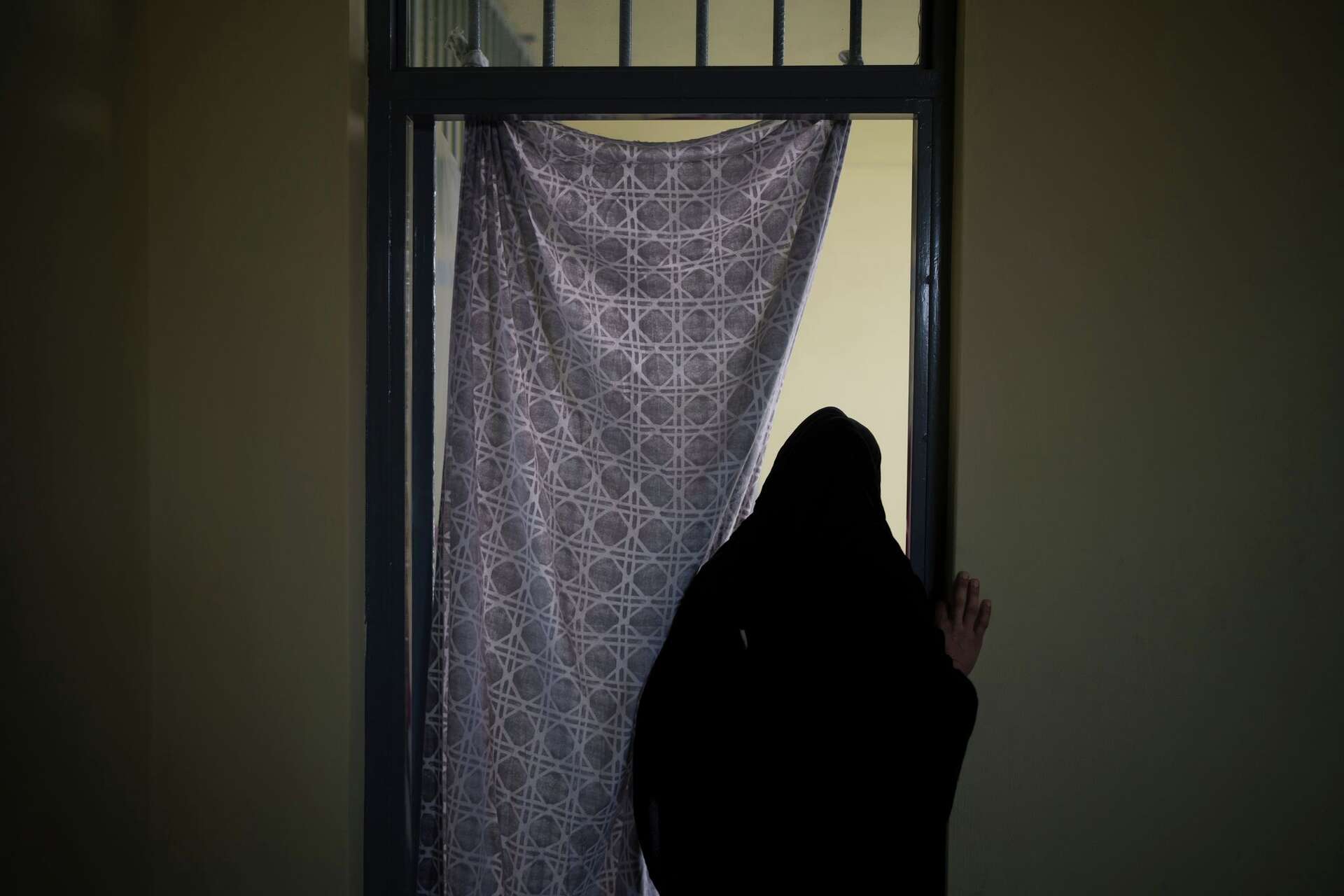
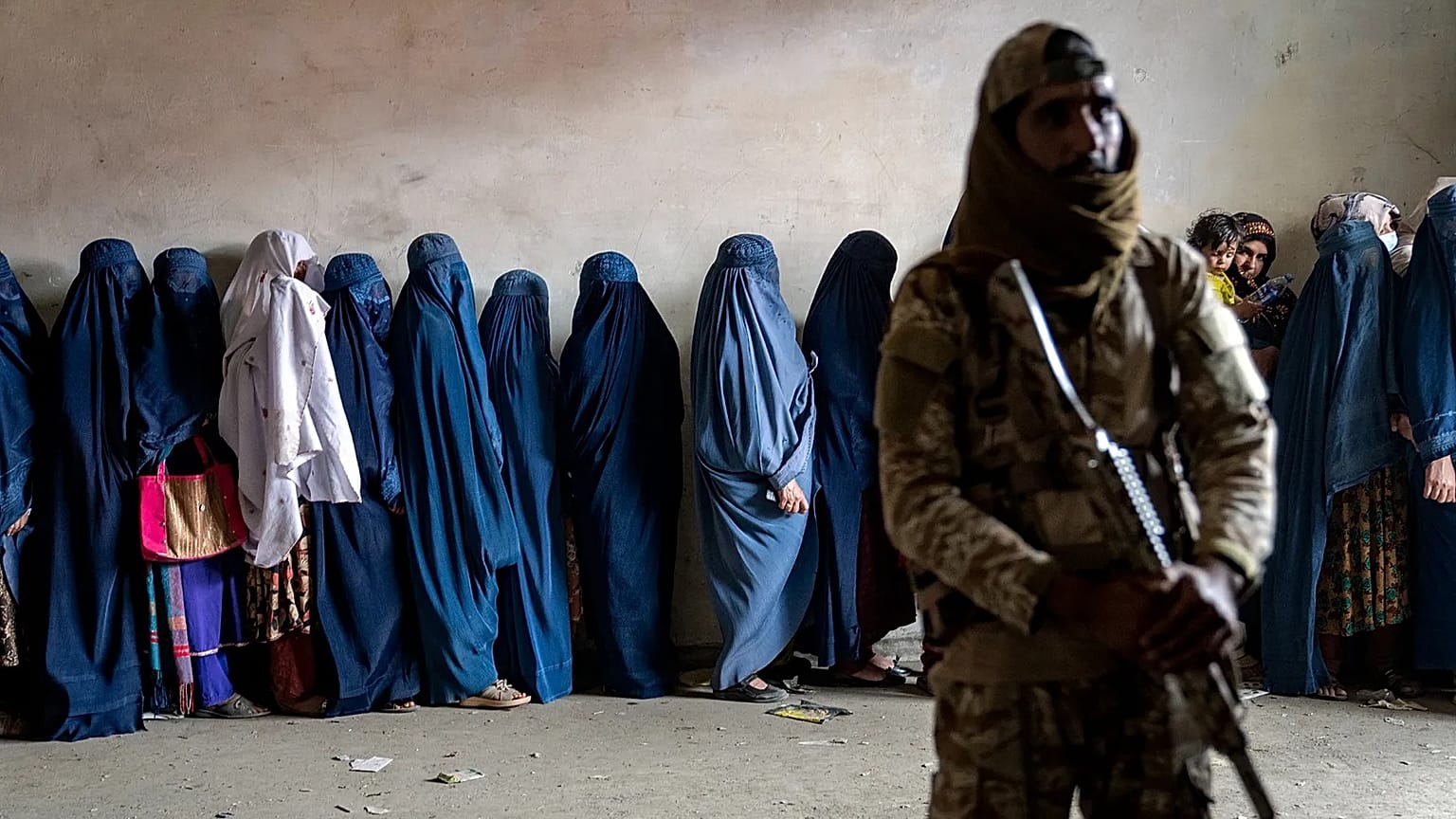
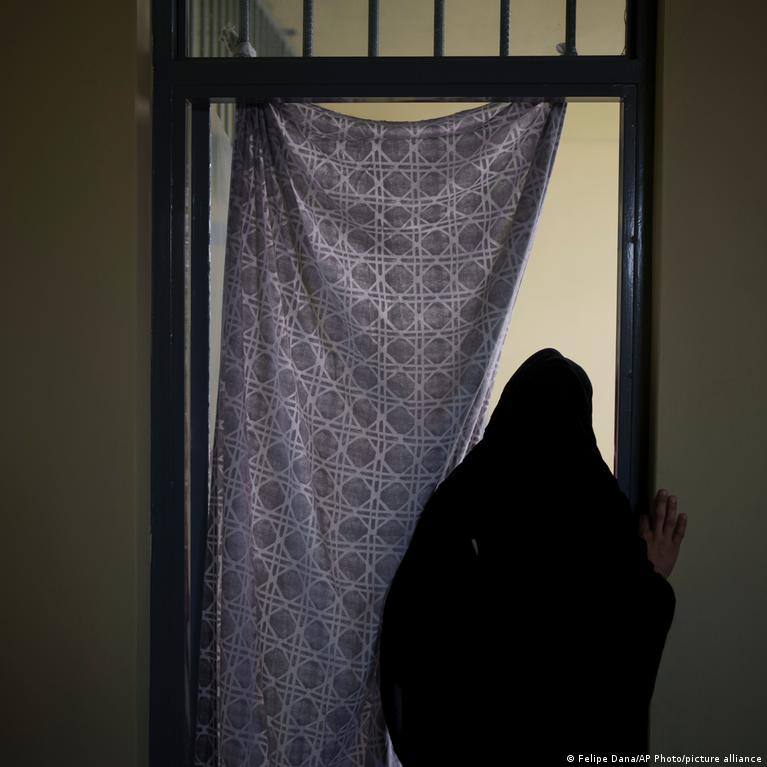
The June 2026 arrest of at least 30 women in Herat, Afghanistan for dress code violations represents a critical escalation in Taliban restrictions on women's fundamental rights, with significant implications for cross-border e-commerce sellers. UN Women and international human rights experts documented the incident on June 11, 2026, following violent protests on June 9 that resulted in at least 2 deaths and 20+ injuries. The Taliban's enforcement of mandatory burkas, chadors with face masks, and perfume bans signals deepening restrictions on women's education, employment, and economic participation—directly impacting the female consumer segment in Afghanistan's market.
Market Access & Consumer Behavior Impact: Afghanistan's female population (approximately 20 million) represents a significant e-commerce consumer base, particularly for apparel, beauty, and personal care categories. The escalating restrictions create a dual challenge: (1) reduced purchasing power as women face employment barriers and social isolation post-detention, and (2) increased compliance complexity for sellers offering fashion, cosmetics, and accessories to Afghan customers. Sellers currently serving this market through platforms like Amazon Global, eBay International, or Shopify must reassess demand forecasts and product assortment strategies. The social stigma associated with detention (as warned by UN Deputy Special Representative Georgette Gagnon) creates psychological barriers to online shopping and payment transactions, potentially reducing conversion rates 15-25% in this demographic.
Supply Chain & Operational Risks: Afghanistan's instability directly affects logistics infrastructure and payment processing reliability. Sellers relying on Afghan suppliers for textiles, handicrafts, or minerals face increased operational uncertainty. The Taliban's control over customs and border operations creates unpredictable tariff enforcement and shipment delays. Additionally, international sanctions and compliance requirements (Afghanistan is party to UN human rights treaties) may restrict payment processing through major gateways like Stripe, PayPal, and Amazon Pay for Afghan transactions, forcing sellers to use alternative payment methods with higher fraud risk and lower conversion rates.
Regulatory & Reputational Compliance: Sellers must evaluate whether continued market participation aligns with corporate social responsibility standards and platform policies. Amazon, eBay, and Shopify have increasingly strict content policies regarding human rights compliance. Selling products that could be interpreted as facilitating Taliban enforcement (surveillance tools, enforcement equipment) or products explicitly banned by Taliban authorities (certain cosmetics, fashion items) creates legal and reputational liability. The UN's documented excessive force and arbitrary detention findings may trigger platform audits of seller compliance with international humanitarian standards.
Questions 8
How do Taliban dress code restrictions affect e-commerce sellers targeting Afghan women?
The June 2026 arrests of 30+ women for dress code violations directly reduce female consumer purchasing power and confidence in online transactions. Women facing detention risk, social stigma, and employment restrictions show 15-25% lower conversion rates on apparel and beauty platforms. Sellers should expect declining demand in these categories and consider geographic market diversification away from Afghanistan. Payment processing also becomes riskier as women may avoid digital transactions due to surveillance concerns.
What are the financial implications of reducing or exiting the Afghanistan market?
Afghanistan represents a small but growing e-commerce market (estimated $200-400M annually across all platforms). Sellers with 5-10% revenue from Afghan customers should expect 5-10% margin compression if they exit. However, the compliance and fraud risks may exceed the revenue opportunity. Sellers should calculate the cost of enhanced due diligence (additional compliance staff, payment processing fees) versus revenue generated. For most sellers, the risk-adjusted return is negative, making market exit financially prudent. Reallocate inventory to higher-growth South Asian markets (India, Pakistan, Bangladesh) where similar demographics exist with lower compliance risk.