





Strait of Hormuz Reopening Cuts Shipping Costs 8-15% for Cross-Border Sellers | Logistics Opportunity
- Potential $2-4B annual savings for maritime-dependent sellers as geopolitical tensions ease and alternative shipping routes become obsolete













)








Overview
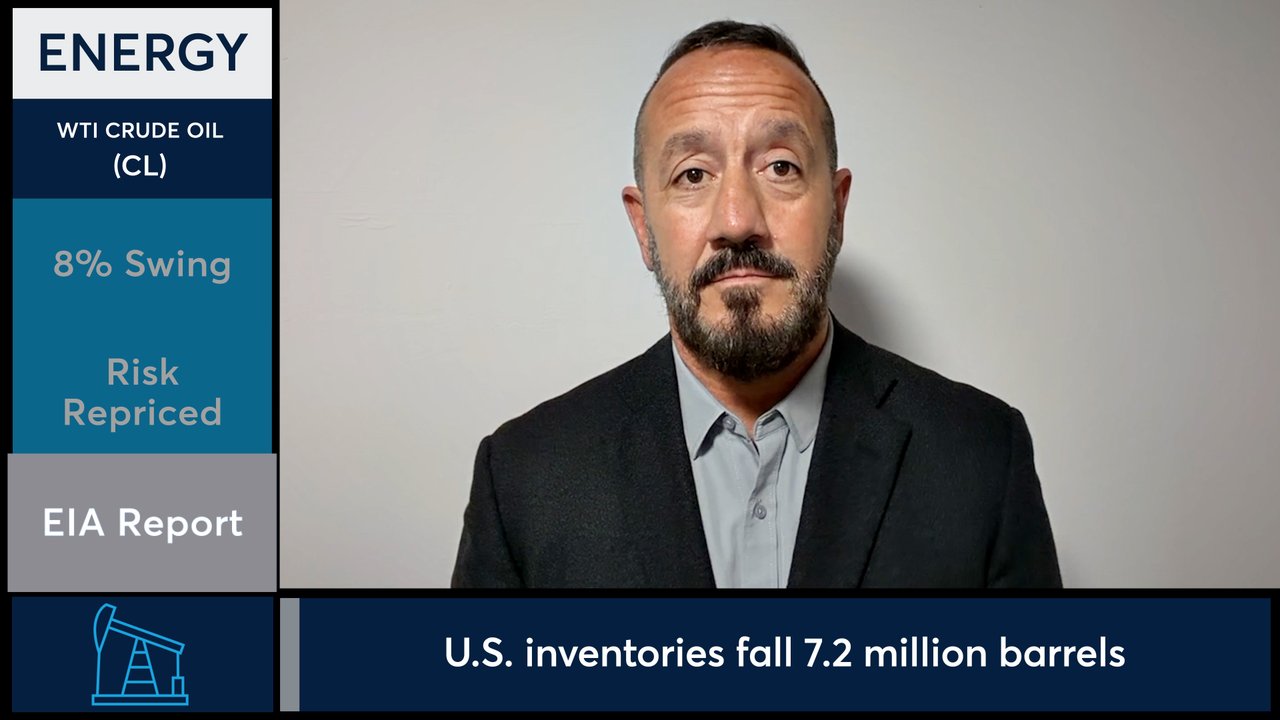
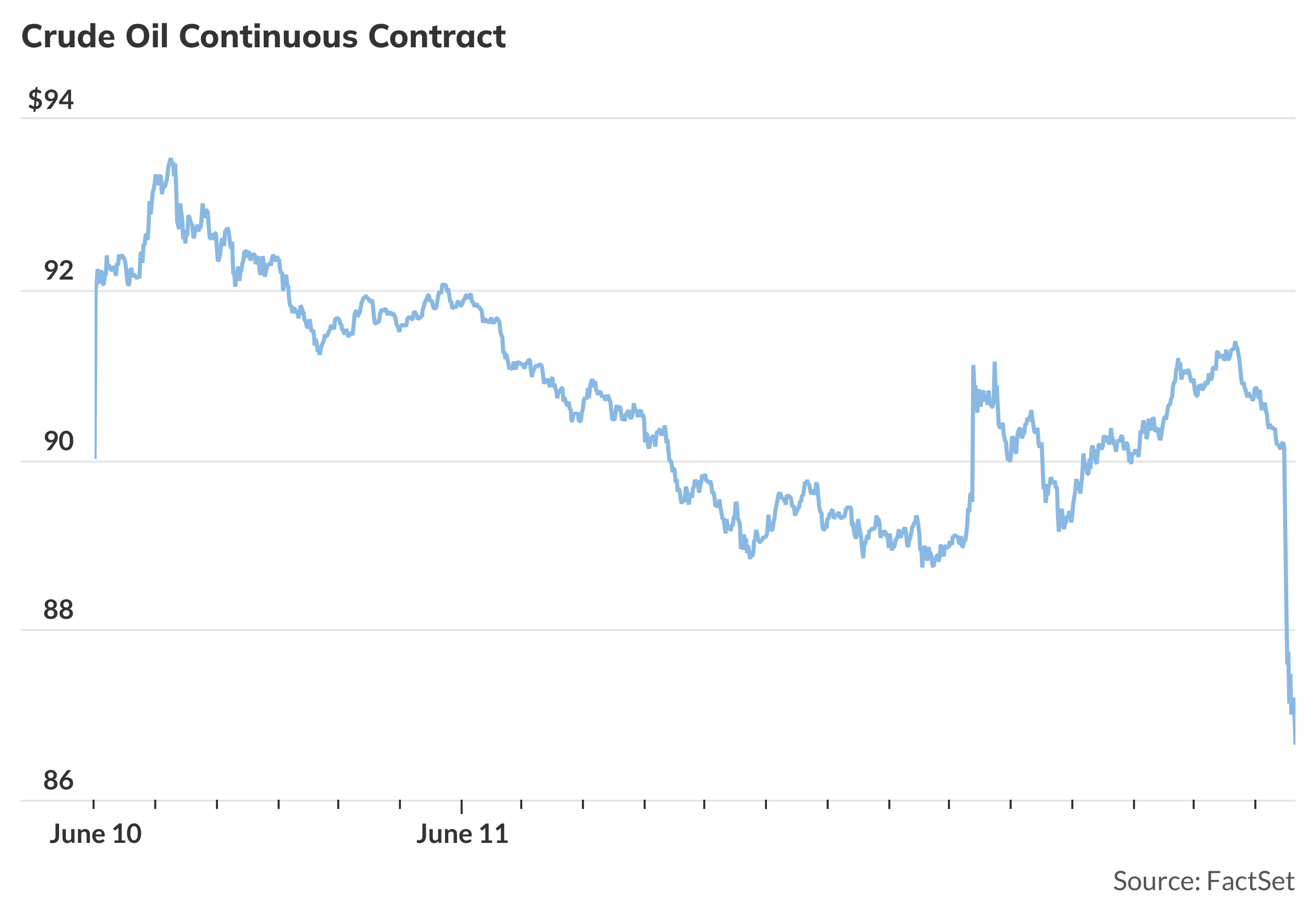
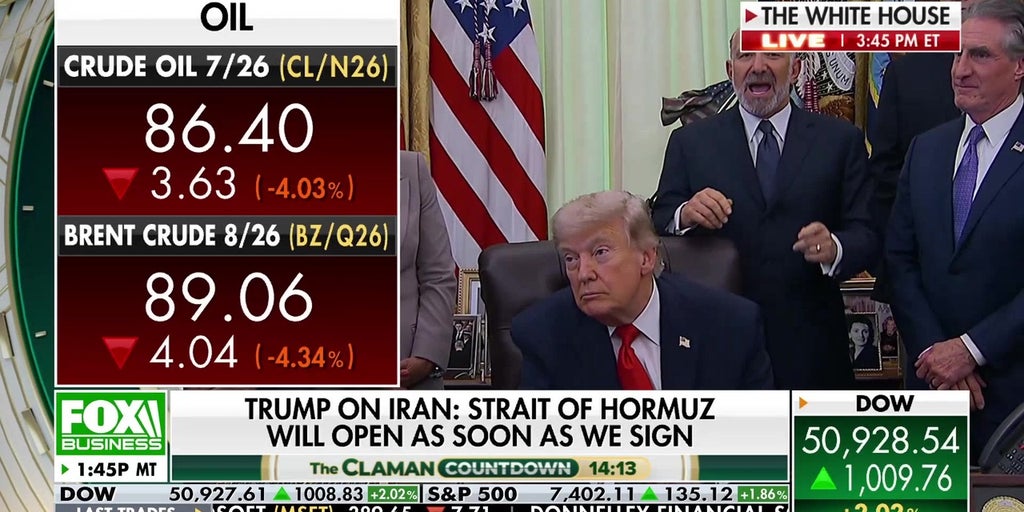
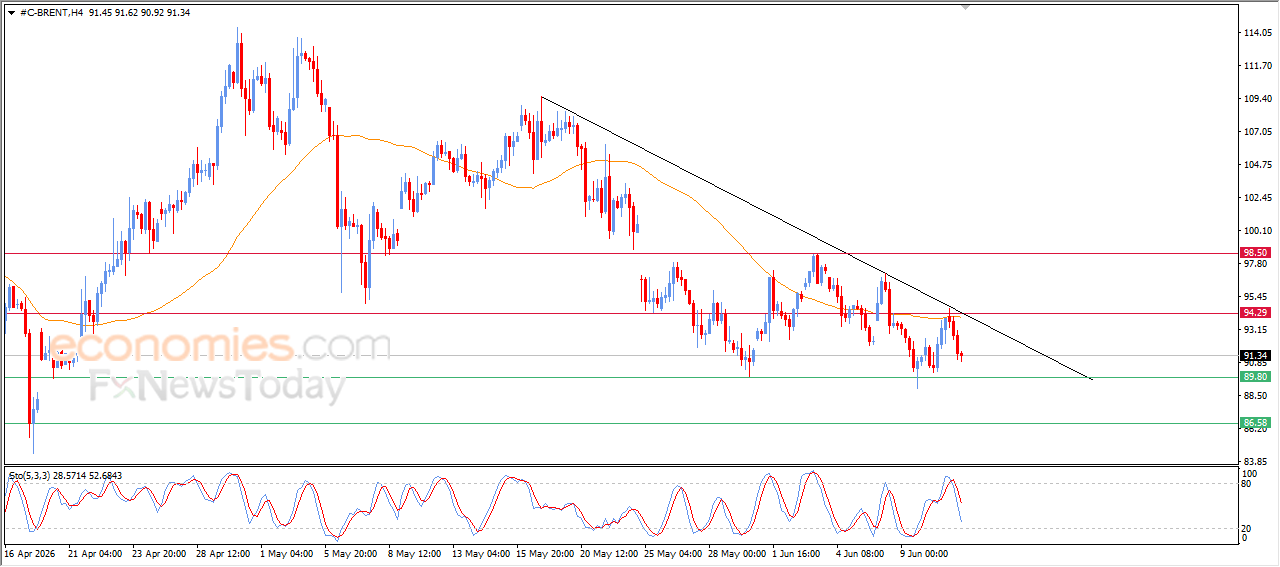
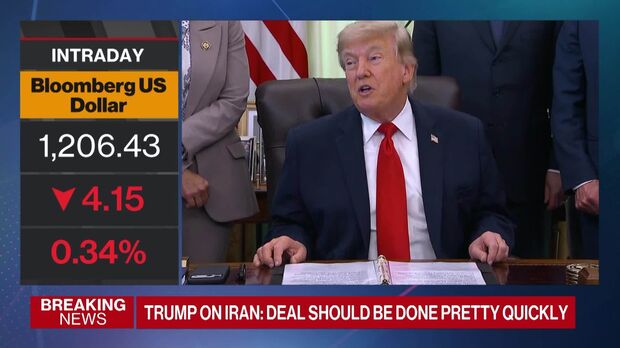
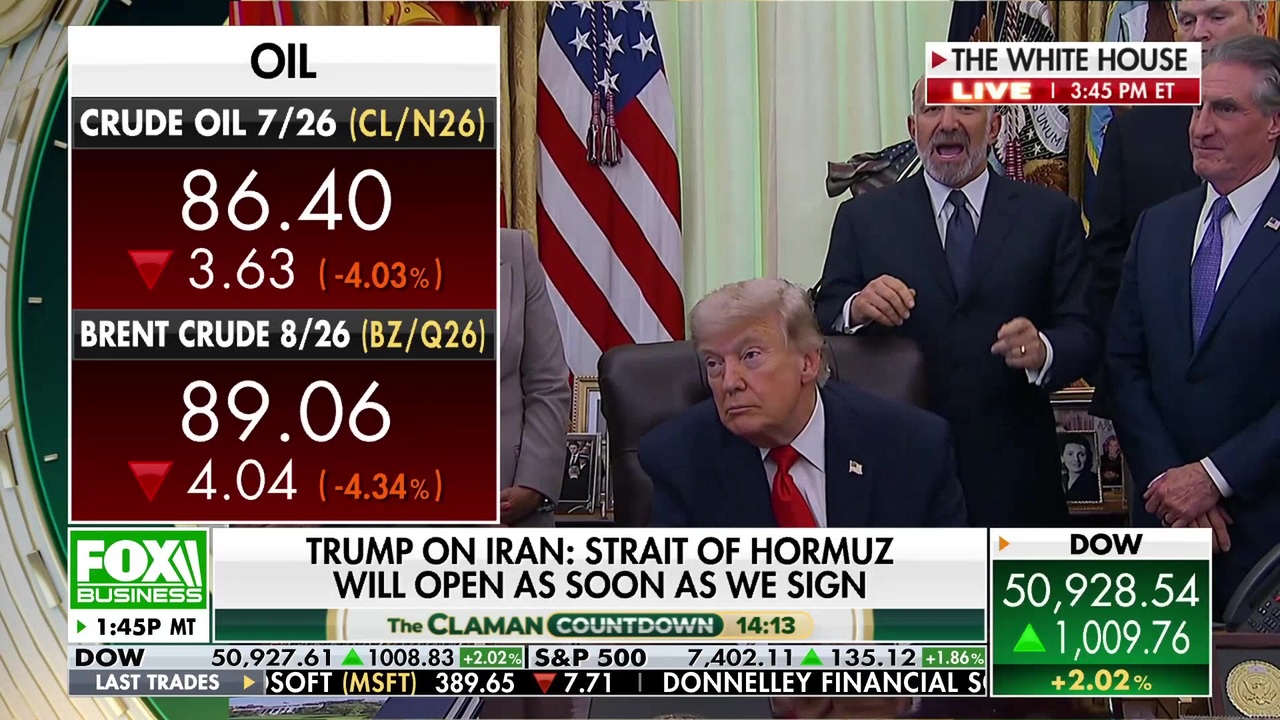
The potential U.S.-Iran diplomatic agreement and reopening of the Strait of Hormuz represents a critical logistics cost reduction opportunity for cross-border e-commerce sellers. Oil prices have already declined 2-2.11% (Brent crude fell from ~$90 to $88.27/barrel; WTI dropped to $85.81) following Trump's June 2025 announcement of canceled military strikes and framework agreement discussions. The Strait of Hormuz, which carries approximately one-fifth of global oil and liquefied natural gas shipments, has been severely restricted by Iran's months-long blockade, forcing shipping companies to route cargo through alternative passages at premium costs—estimated at 8-15% surcharges on maritime freight.
For cross-border e-commerce sellers, particularly those shipping high-volume, weight-sensitive products (electronics, home goods, apparel, industrial supplies), the reopening of this critical waterway would eliminate these premium routing costs immediately. Current shipping rates from Asia to Europe via alternative routes (around Cape of Good Hope) add 10-14 days transit time and 12-18% cost premiums compared to direct Strait passage. Sellers relying on FBA (Fulfillment by Amazon) international warehouses, 3PL providers, and direct-to-consumer maritime logistics would see operational expense reductions of $2,000-8,000 monthly depending on shipment volume and product category.
However, ING analysts warn of fragility in negotiations—they project an inflection point in late July 2025 if oil flows don't resume, with prices potentially spiking to $120-130/barrel if nuclear negotiations stall. This creates a dual-timeline opportunity: sellers should lock in current shipping contracts (at reduced rates reflecting market expectations) while preparing contingency logistics plans if negotiations collapse. OPEC's downward revision of 2026 demand growth (to 970,000 bpd from 1.17M bpd) suggests sustained lower energy prices even if geopolitical tensions persist, but the 2027 forecast increase (to 1.73M bpd, up 190,000 bpd) indicates market confidence in medium-term stabilization. For sellers in energy-dependent logistics sectors, this creates a 6-12 month window to restructure supply chains, renegotiate shipping contracts, and optimize inventory positioning before prices potentially normalize.
Questions 7
How does China's reduced crude imports affect my supply chain?
China's crude imports have dropped significantly since Middle East tensions began, currently near 8.7 million barrels per day. This reduced demand has helped contain oil prices despite geopolitical risks. For sellers sourcing from China, this is positive: lower energy costs in Chinese manufacturing reduce production costs by 2-5% depending on product category. However, it also signals potential Chinese economic slowdown, which could reduce consumer demand in China and affect your sourcing costs if Chinese suppliers face margin pressure. Monitor Chinese manufacturing PMI and export data through Q3 2025. Opportunity: negotiate better pricing with Chinese suppliers now while they face demand uncertainty, locking in cost reductions before the market tightens.
What's the timeline for shipping cost reductions to take effect?
Oil futures markets have already priced in the agreement—Brent crude fell 2.11 to $88.27/barrel and WTI dropped $1.90 to $85.81 on June 12, 2025. Shipping companies typically adjust rates within 2-4 weeks of sustained price changes. Expect freight rate reductions to appear in spot market quotes immediately, but contract rates (which most sellers use) adjust on 30-60 day cycles. Lock in new contracts by late June 2025 to capture savings. Critical deadline: July 2025 inflection point—if negotiations fail, prices could spike 40-50%, reversing all gains. Maintain flexibility in logistics contracts through Q3 2025.