


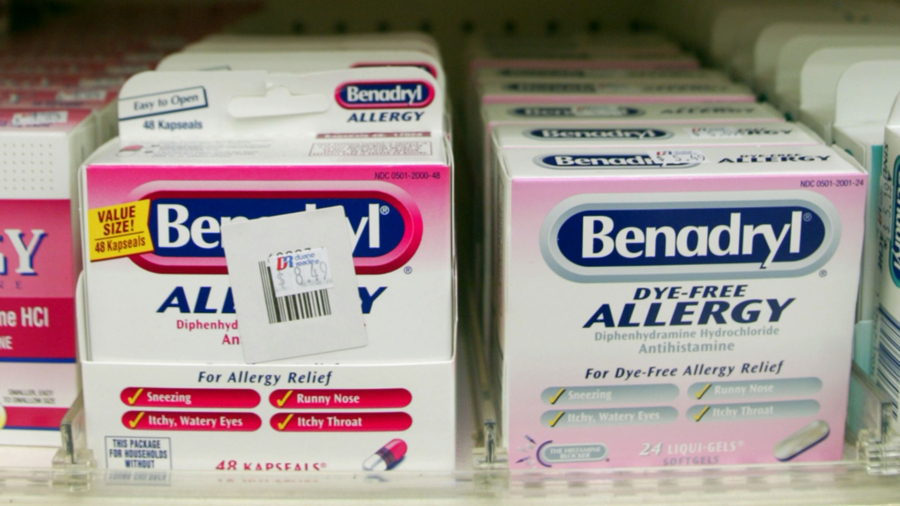

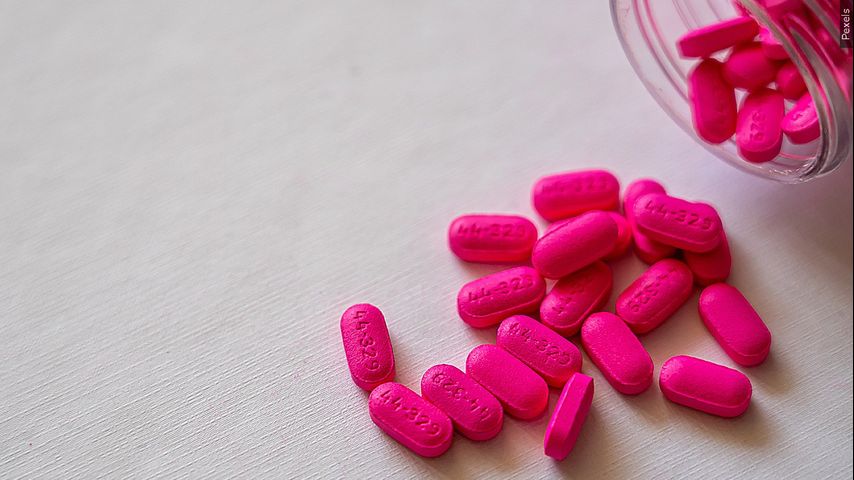
Teen Medication Misuse Surge Reshapes OTC Health Product Compliance & Marketplace Liability Risk for Sellers
- Diphenhydramine calls among teens doubled in 2026; FDA warnings trigger platform policy changes affecting OTC health product sellers across Amazon, eBay, Walmart





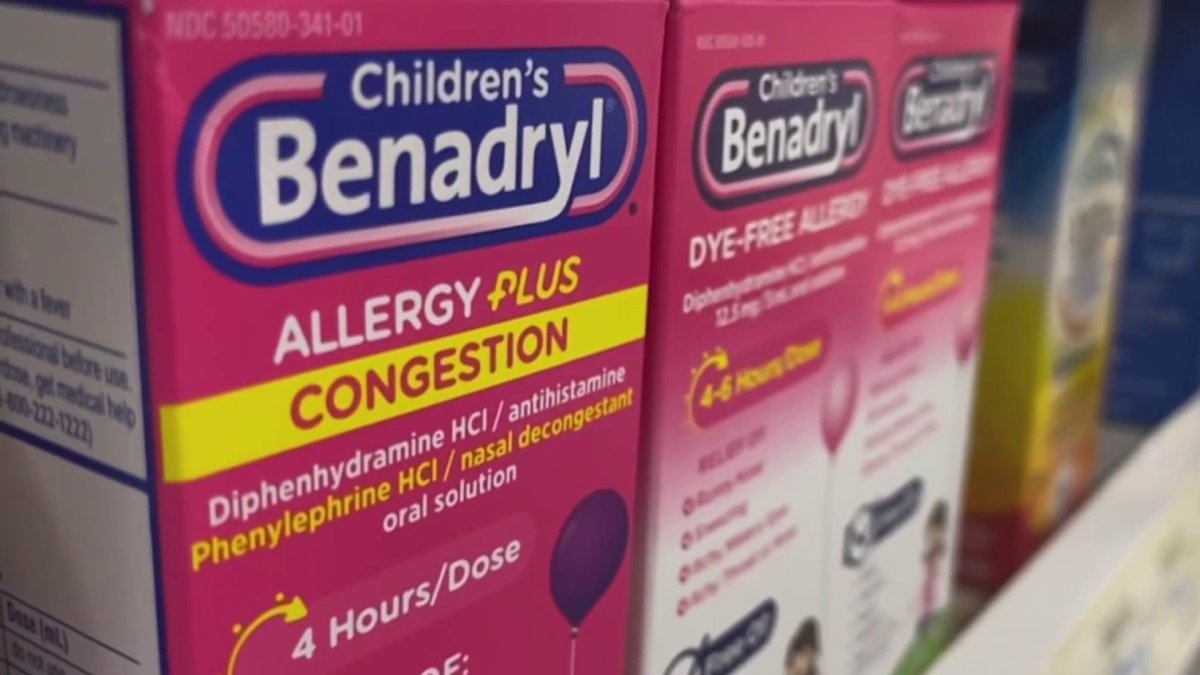
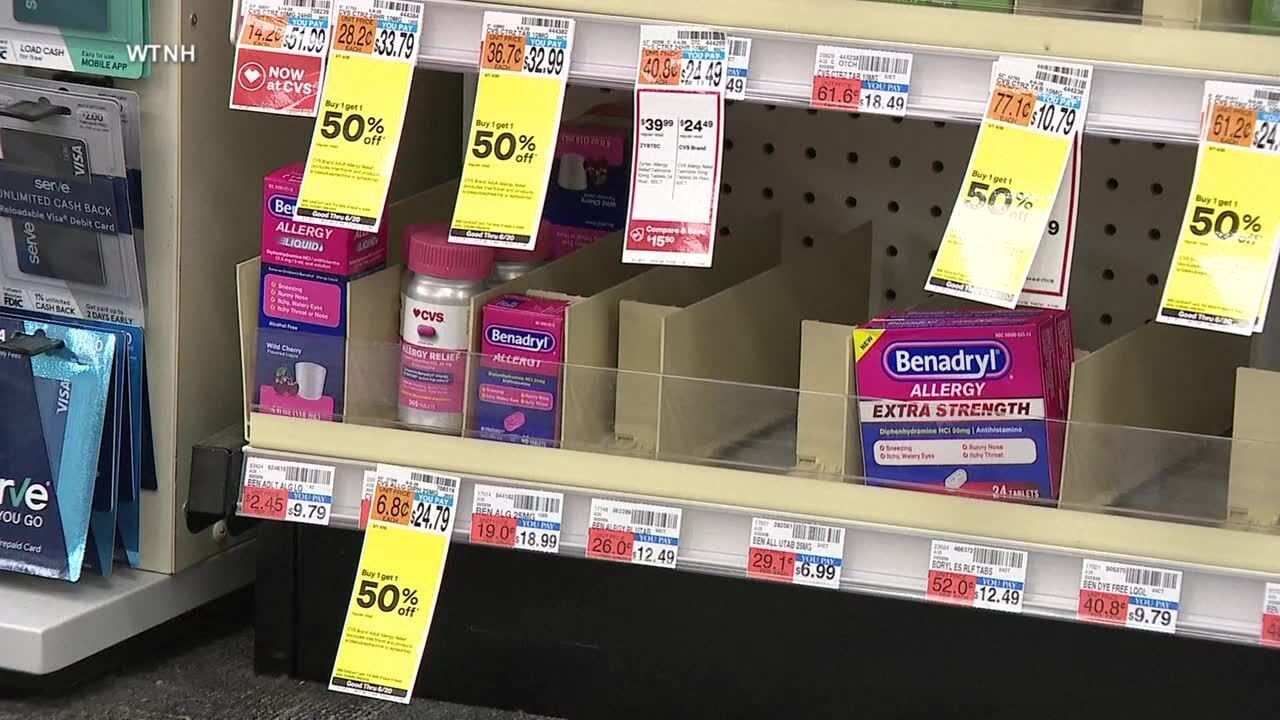
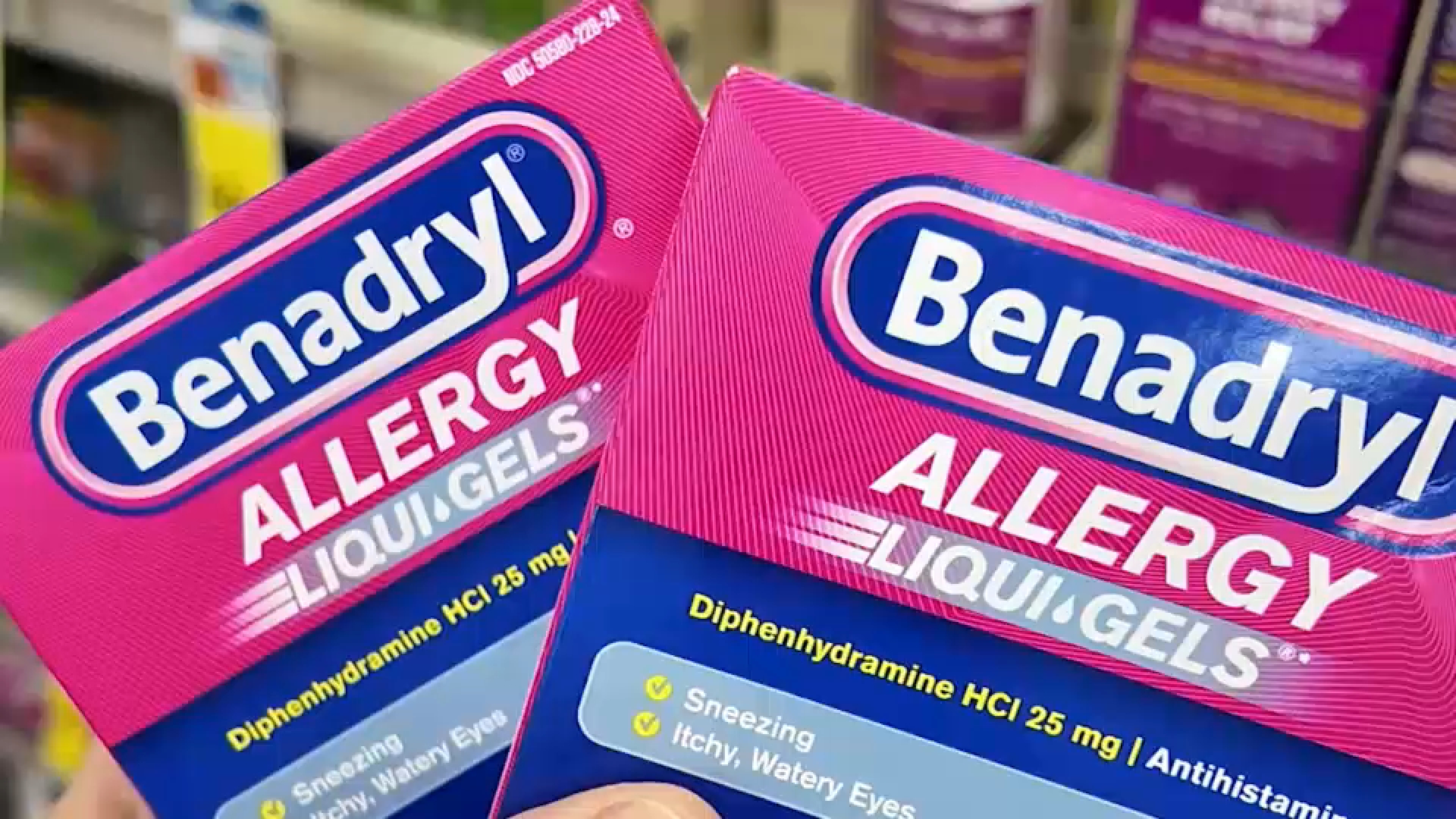



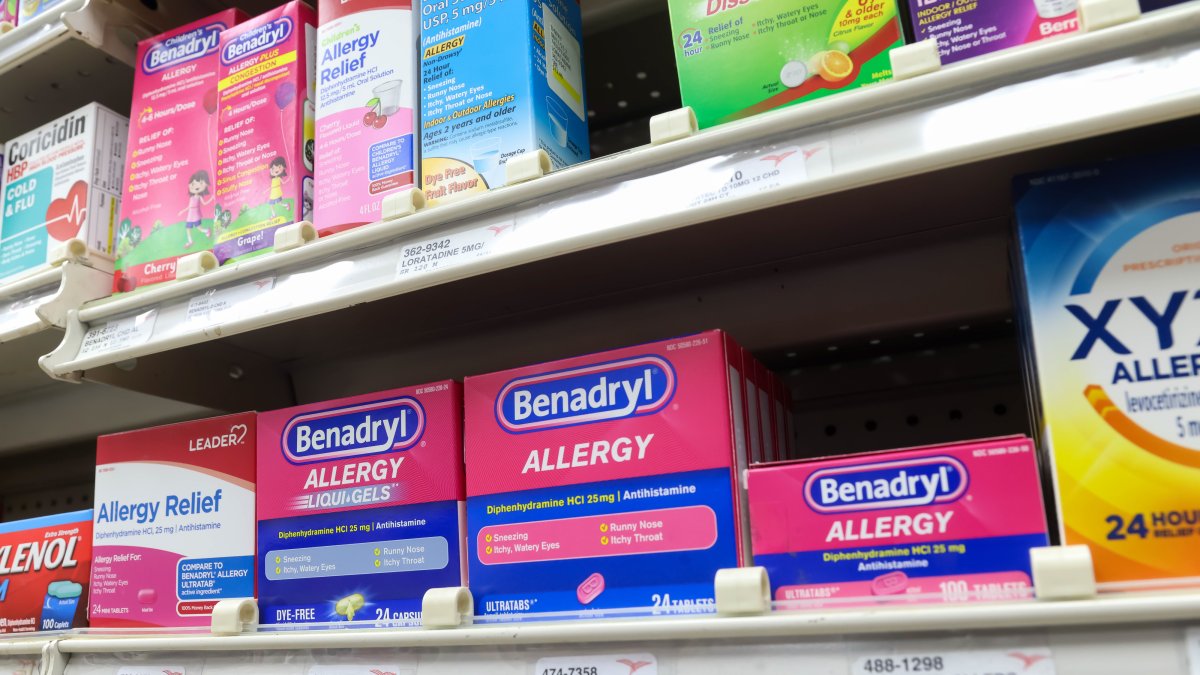





Overview
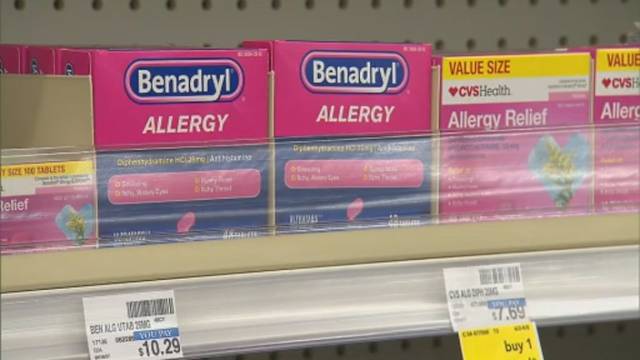
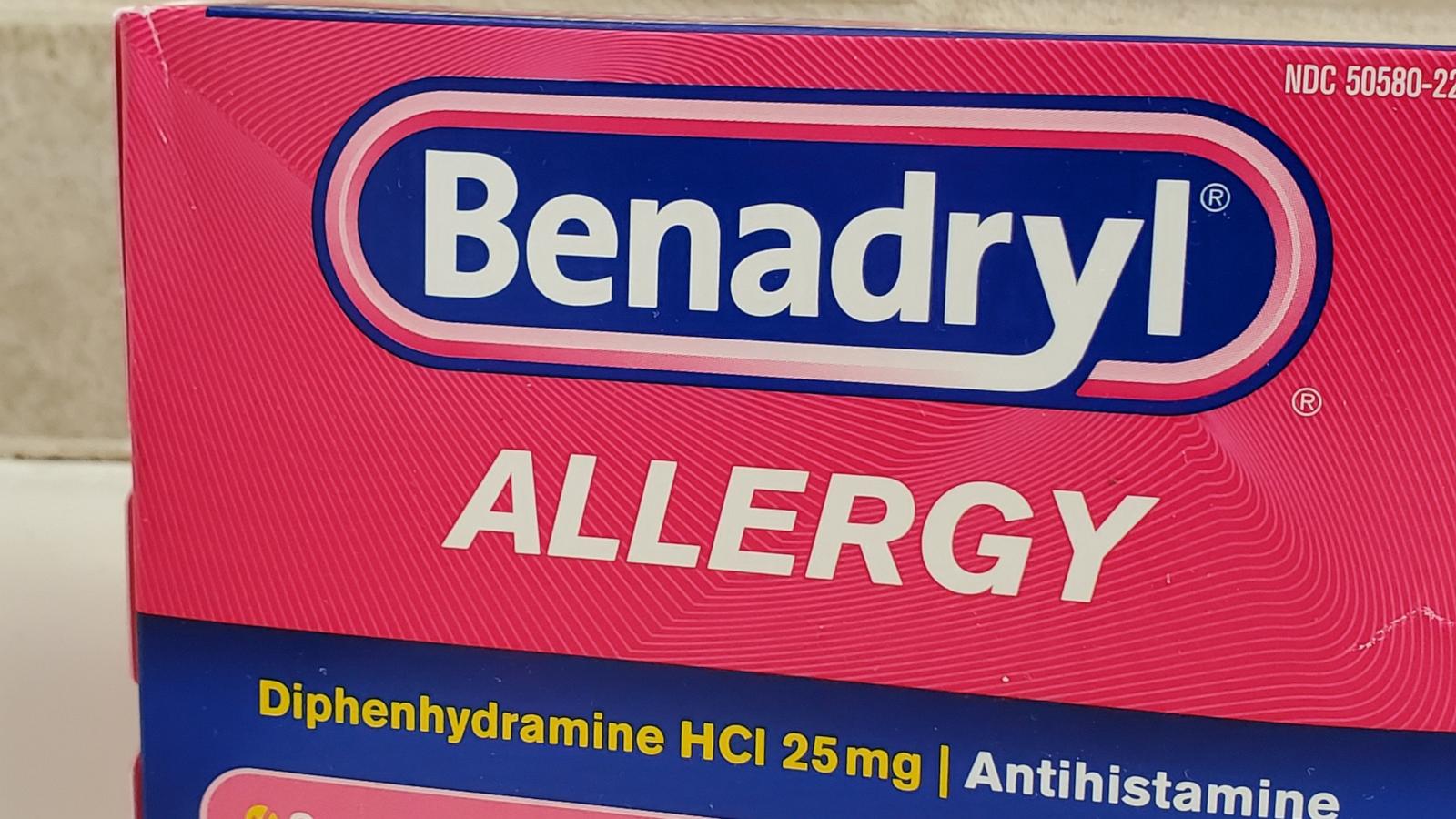
The viral "Benadryl challenge" represents a critical inflection point for e-commerce sellers in the over-the-counter (OTC) health and wellness category. America's Poison Centers reported 6,179 diphenhydramine-related calls among teens ages 13-19 in the first five months of 2026—more than doubling the 2,800 calls from the same period in 2025. This 120% surge reflects a concerning shift toward intentional medication misuse, with 13.2% of teen diphenhydramine cases in 2026 linked to intentional abuse, up from 7.3% in 2020. The trend demonstrates a consistent upward trajectory: poison center calls reached 10,068 in 2024 and 13,284 in 2025 (32% year-over-year increase), signaling accelerating demand for dangerous consumption patterns among adolescents.
For e-commerce sellers, this crisis creates immediate compliance and liability exposure. The FDA has issued formal warnings about the trend, and Kenvue (Benadryl's manufacturer) has coordinated with social media platforms to remove dangerous content. This regulatory attention will likely trigger stricter age-verification requirements, content moderation policies, and product listing restrictions across Amazon, eBay, Walmart, and Shopify. Sellers currently offering diphenhydramine products, sleep aids, and antihistamines face heightened scrutiny on product descriptions, customer reviews, and marketing claims. Connecticut's documented deaths of three children from apparent diphenhydramine overdoses within two months—though unconfirmed as directly linked to the challenge—will accelerate state-level regulatory responses and potential product liability litigation.
The broader market impact extends beyond diphenhydramine to the entire OTC health category. Sellers of sleep aids, antihistamines, cold medicines, and pain relievers should anticipate increased platform enforcement around age-gated content, warning label compliance, and customer education requirements. The mental health context is equally critical: Connecticut officials noted approximately 17 children daily present to emergency departments for self-harm or suicidal ideation, indicating this medication misuse reflects deeper adolescent mental health challenges. This creates opportunities for sellers in mental health support products (stress relief, wellness supplements, meditation apps) while simultaneously increasing regulatory risk for any products marketed toward teen audiences. Platforms will likely implement stricter content moderation, requiring sellers to remove or modify listings that could be interpreted as encouraging medication misuse, even indirectly through influencer partnerships or user-generated content.
Immediate seller actions must focus on compliance and risk mitigation. Review all OTC health product listings for language that could be misinterpreted as encouraging excessive consumption or non-standard use. Monitor customer reviews and Q&A sections for content promoting misuse, and report dangerous posts to platform trust and safety teams. Consider implementing age-verification mechanisms where available, and ensure product packaging and inserts include clear warnings about overdose risks. Sellers should also prepare for potential platform policy changes by documenting current listing compliance and maintaining detailed records of product safety communications. The 32% year-over-year increase in poison center calls demonstrates this is not a temporary trend but an accelerating public health crisis that will reshape regulatory expectations for OTC health product sellers throughout 2026-2027.
Questions 7
What timeline should I expect for new platform policies on OTC health products?
Expect policy changes within 1-4 weeks as platforms respond to FDA warnings and media attention. Kenvue has already coordinated with social media platforms to remove dangerous content, signaling rapid industry response. Connecticut's documented deaths and the 120% surge in poison center calls will accelerate regulatory timelines. Platforms typically implement major policy changes within 30 days of FDA guidance. Sellers should prepare now by auditing listings, documenting compliance, and establishing monitoring processes. Monitor Amazon Seller Central, eBay Seller Hub, and Shopify announcements daily for policy updates. The 13.2% of teen diphenhydramine cases linked to intentional misuse (up from 7.3% in 2020) indicates this will be a sustained enforcement priority, not a temporary crackdown.
How should I adjust my marketing strategy for health products to avoid platform policy violations?
Shift marketing focus from symptom relief to responsible use and safety. Avoid influencer partnerships with teen-focused accounts, remove any user-generated content showing non-standard consumption, and emphasize clinical evidence and safety data in product descriptions. The 32% year-over-year increase in poison center calls (10,068 in 2024 to 13,284 in 2025) demonstrates platforms will scrutinize marketing claims heavily. Use platform-approved language: 'For occasional sleeplessness,' 'Temporary allergy relief,' and 'Follow package directions.' Avoid language like 'powerful drowsiness,' 'intense effects,' or any reference to recreational use. Consider third-party certifications (USP, NSF) to demonstrate quality and safety commitment, differentiating from competitors facing compliance issues.