


Patent Enforcement & FCC Bans Create $500M+ Gimbal Camera Opportunity | Compliance Moat Analysis
- DJI's dual patent lawsuits + FCC Covered List designation eliminate 60-70% of competitors, creating premium pricing window for compliant sellers through summer 2026



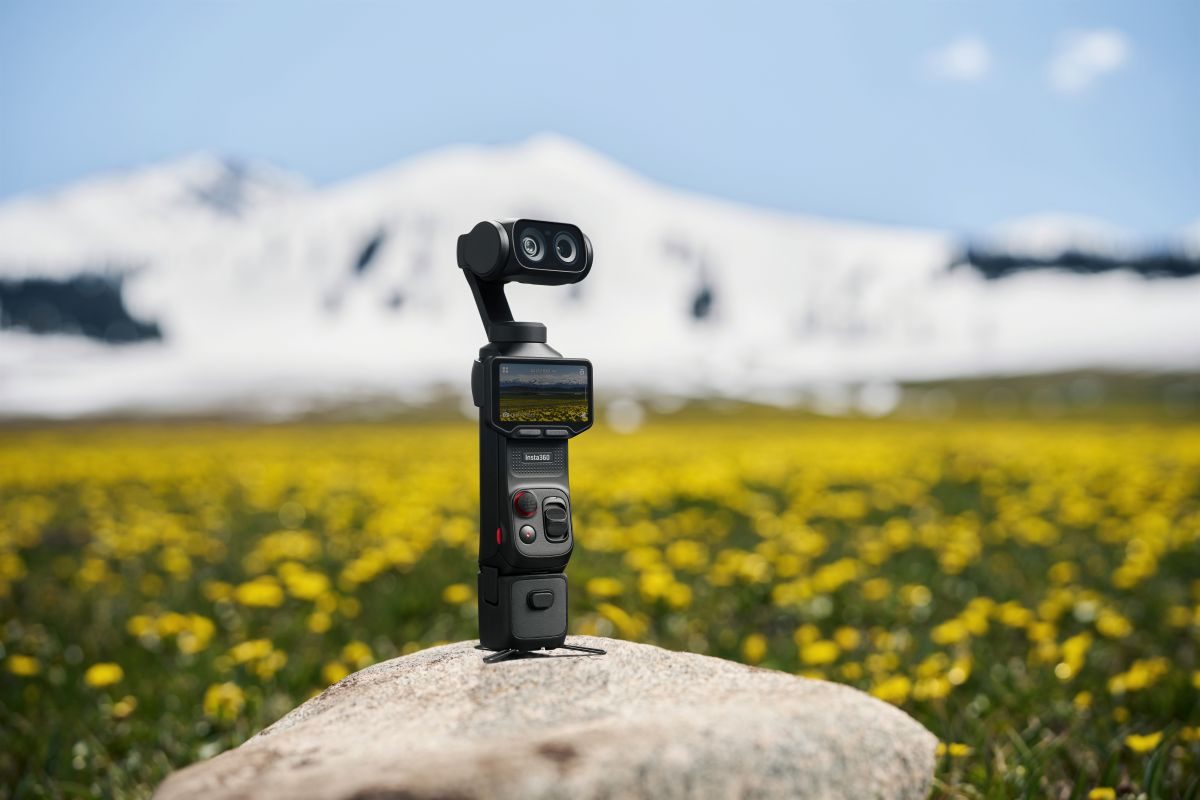

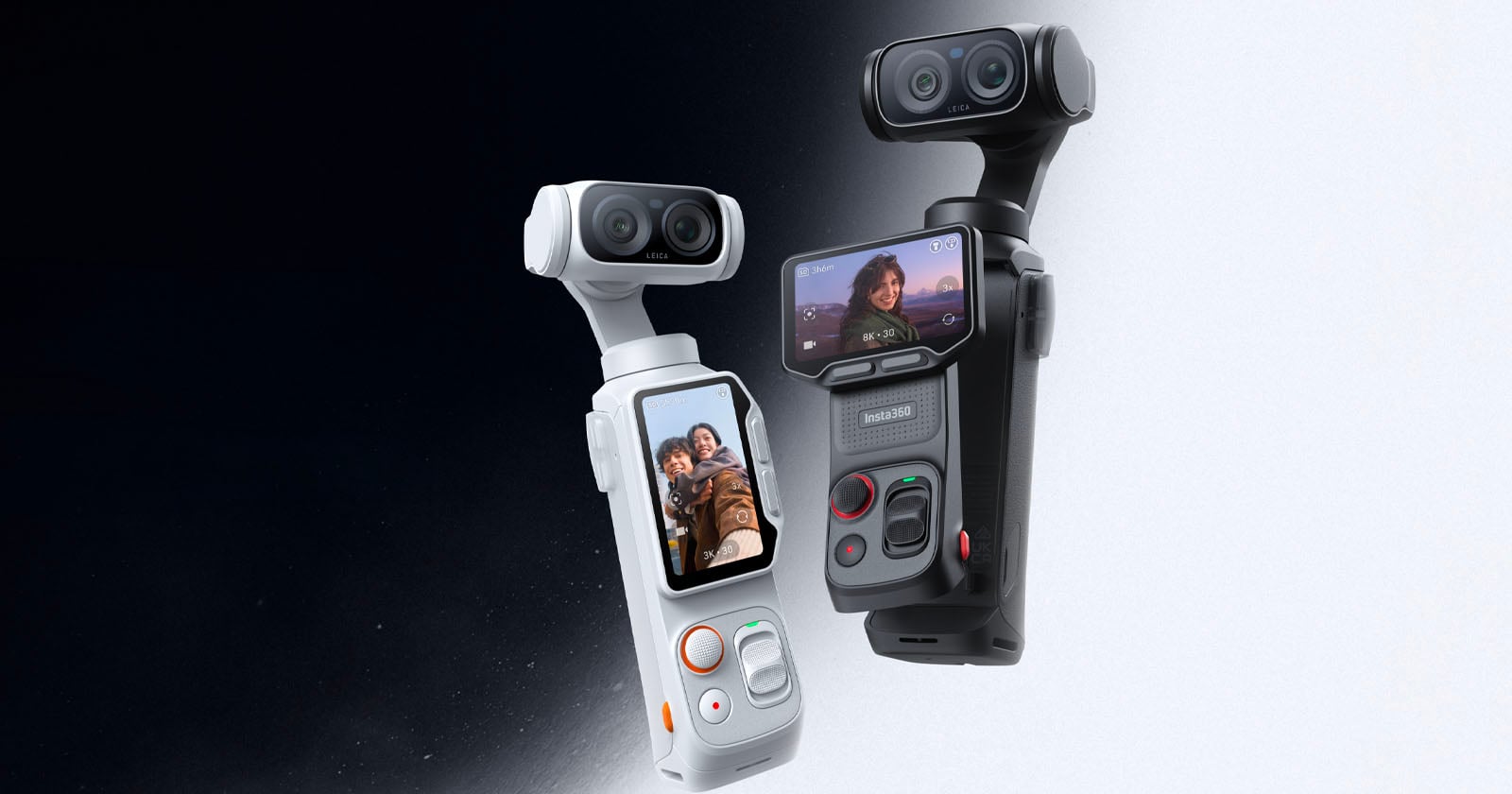
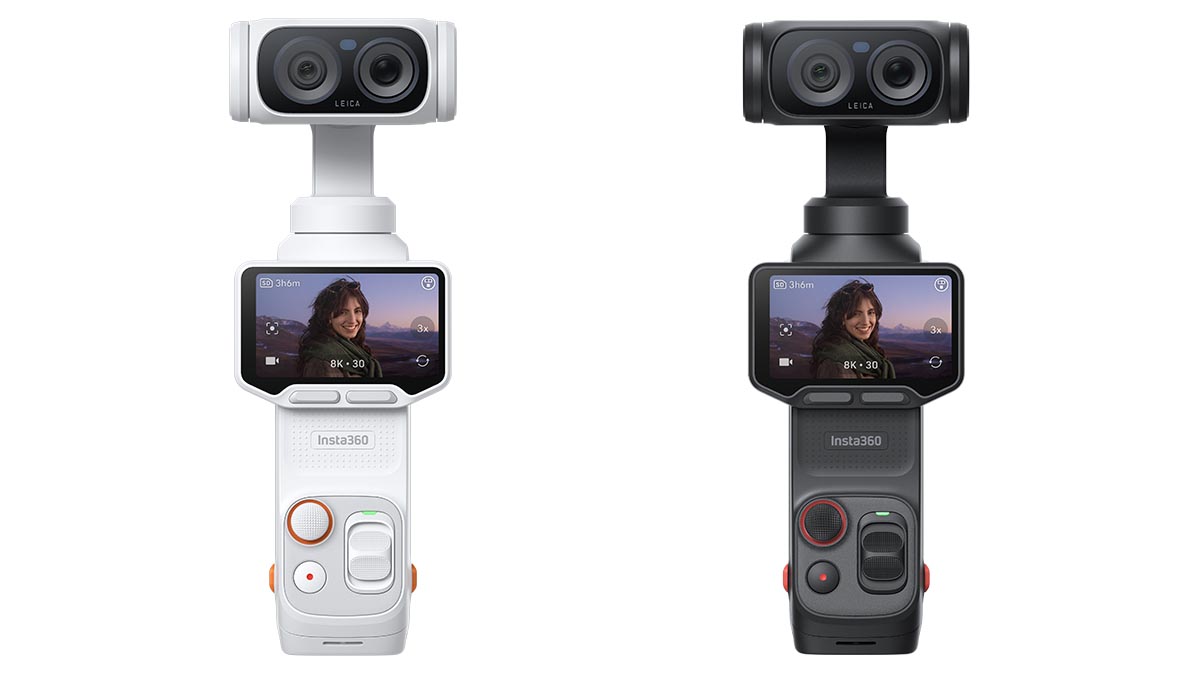
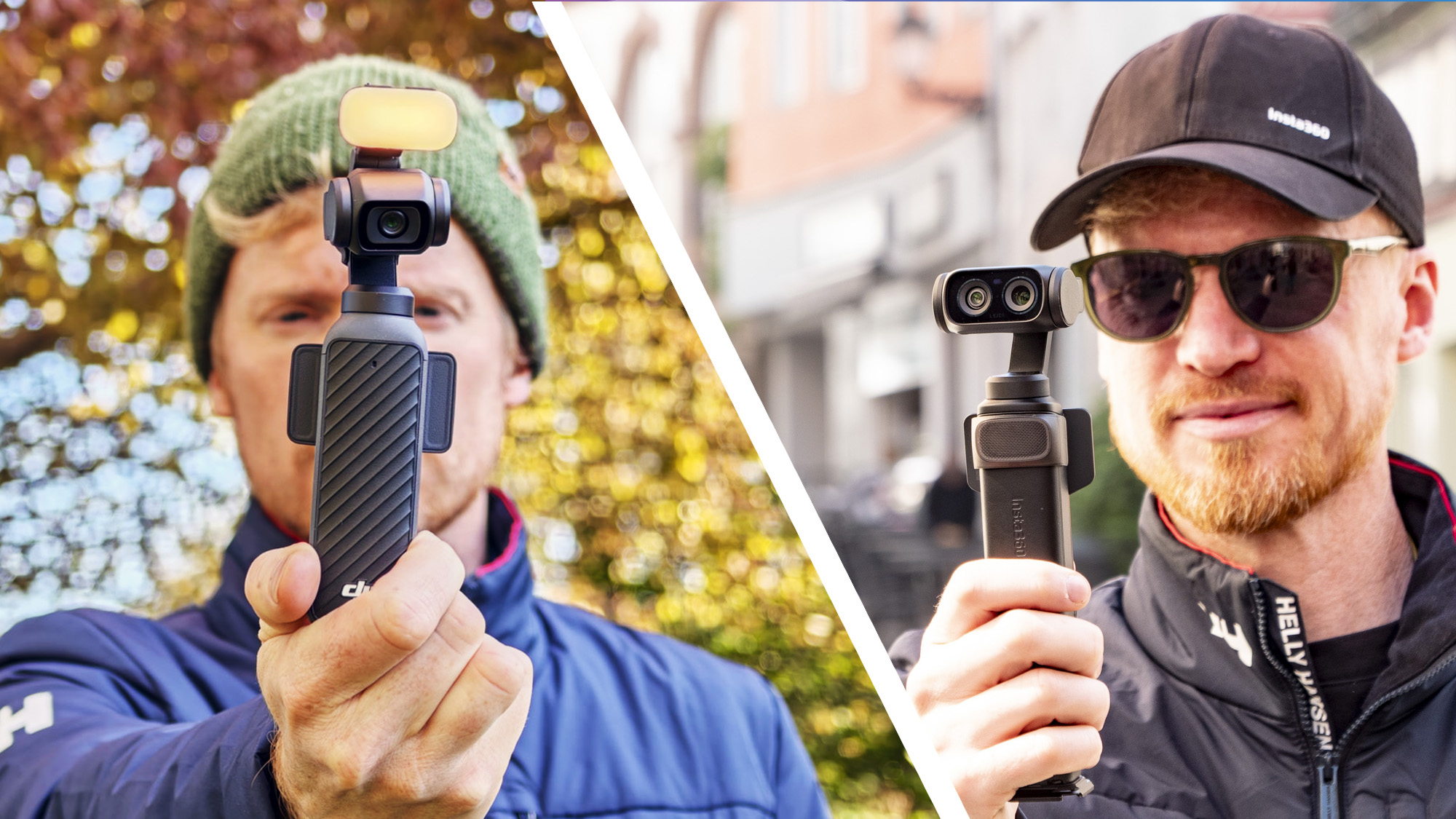

Overview
The gimbal camera market faces a historic compliance bottleneck that eliminates mainstream competition and creates a 12-18 month pricing premium for sellers who navigate patent and regulatory barriers correctly. DJI's two simultaneous patent infringement lawsuits against Insta360 (design patents covering the Osmo Pocket 3's physical form factor + utility patents for gimbal control technology) combined with DJI's placement on the FCC's Covered List (effective December 23, 2025) have created a rare market condition: the category leader is legally barred from selling new hardware in the US, while competitors face escalating litigation risk.
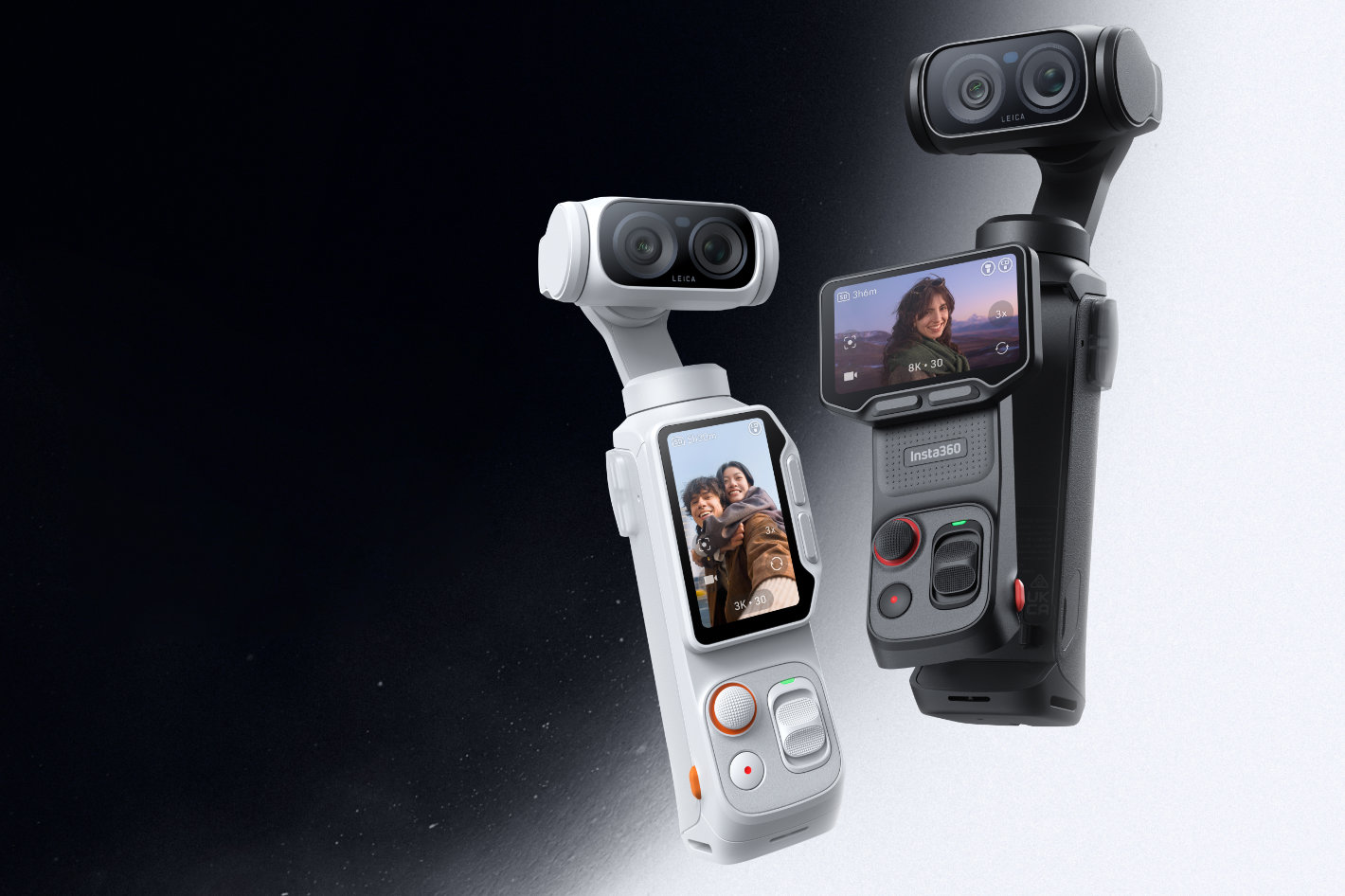
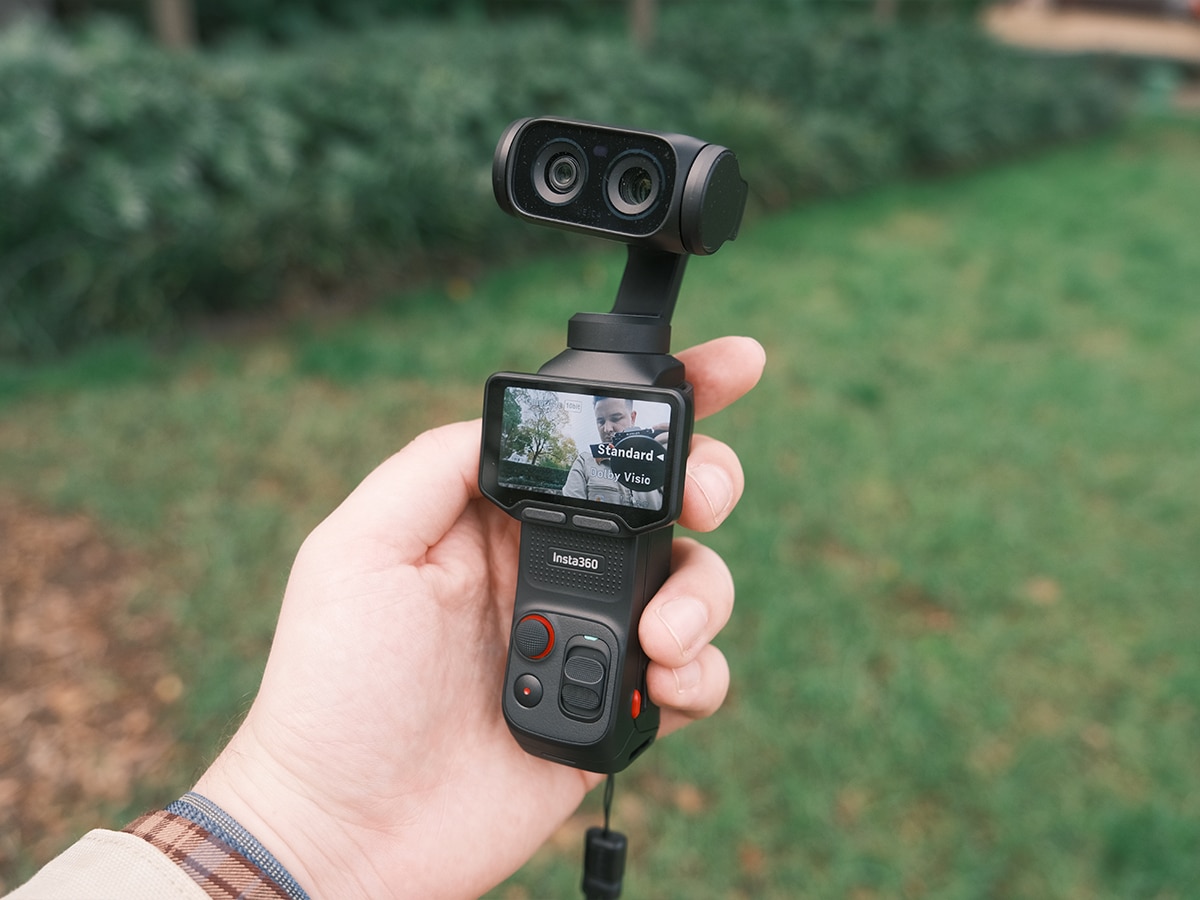
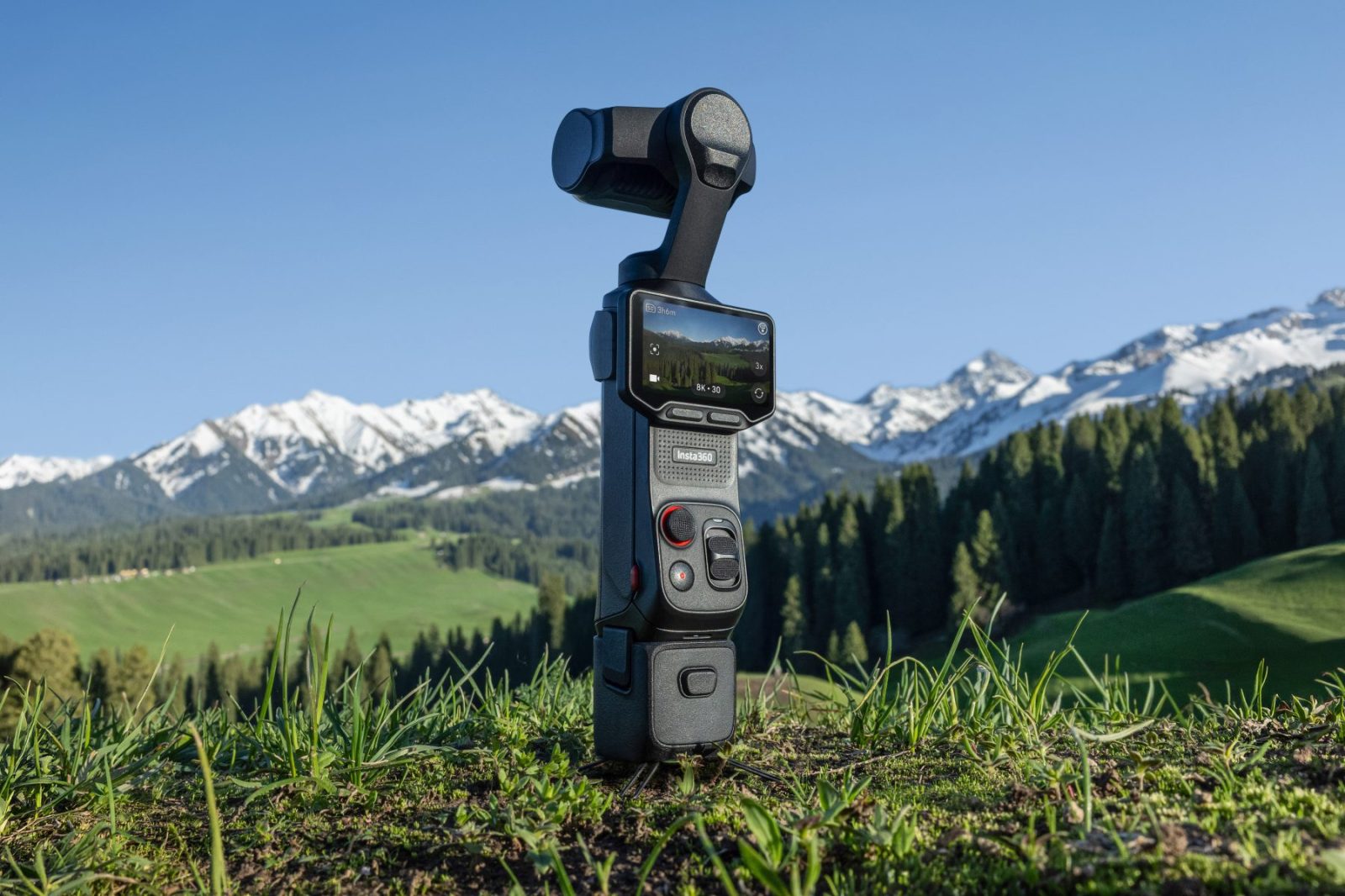
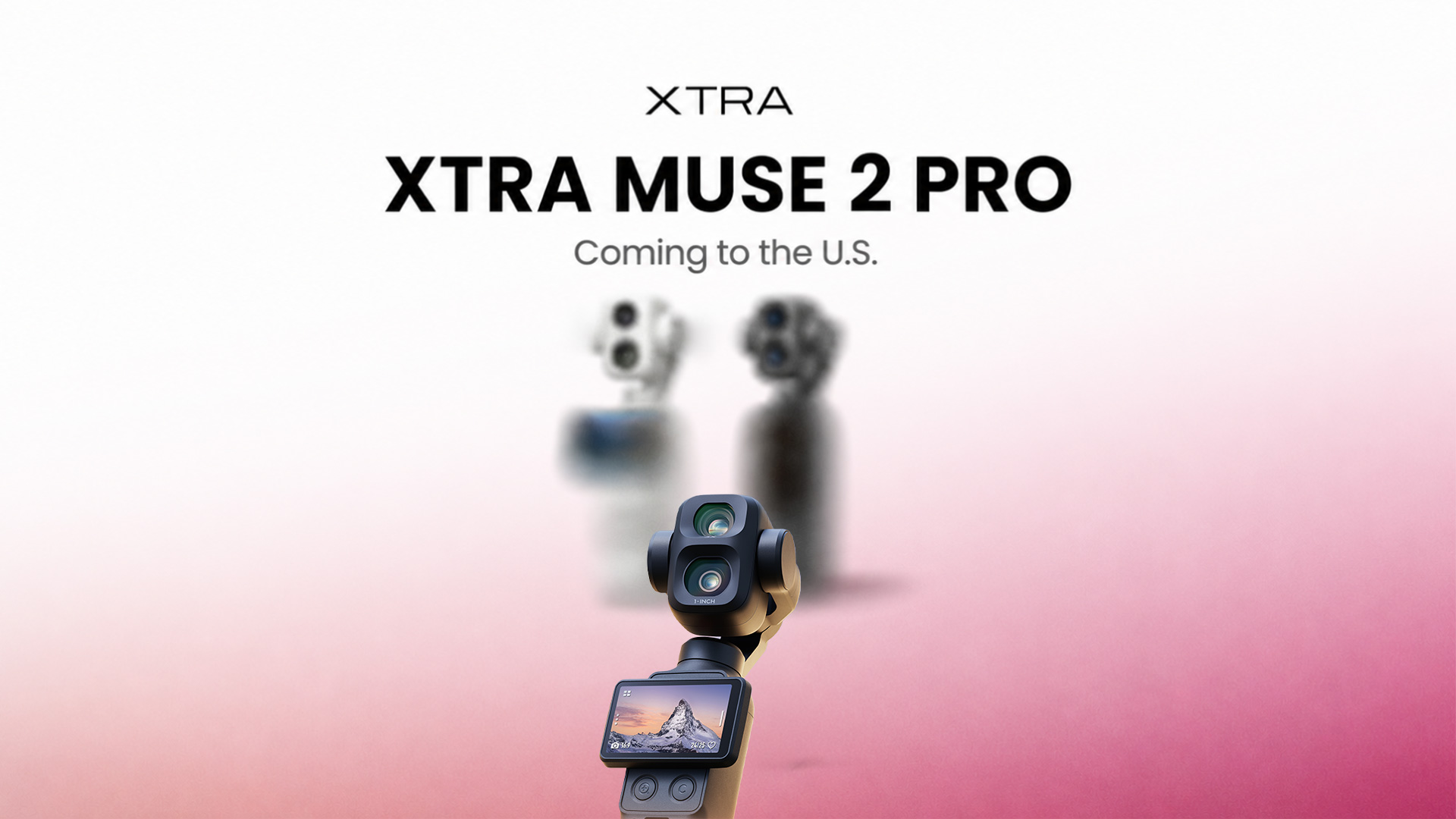
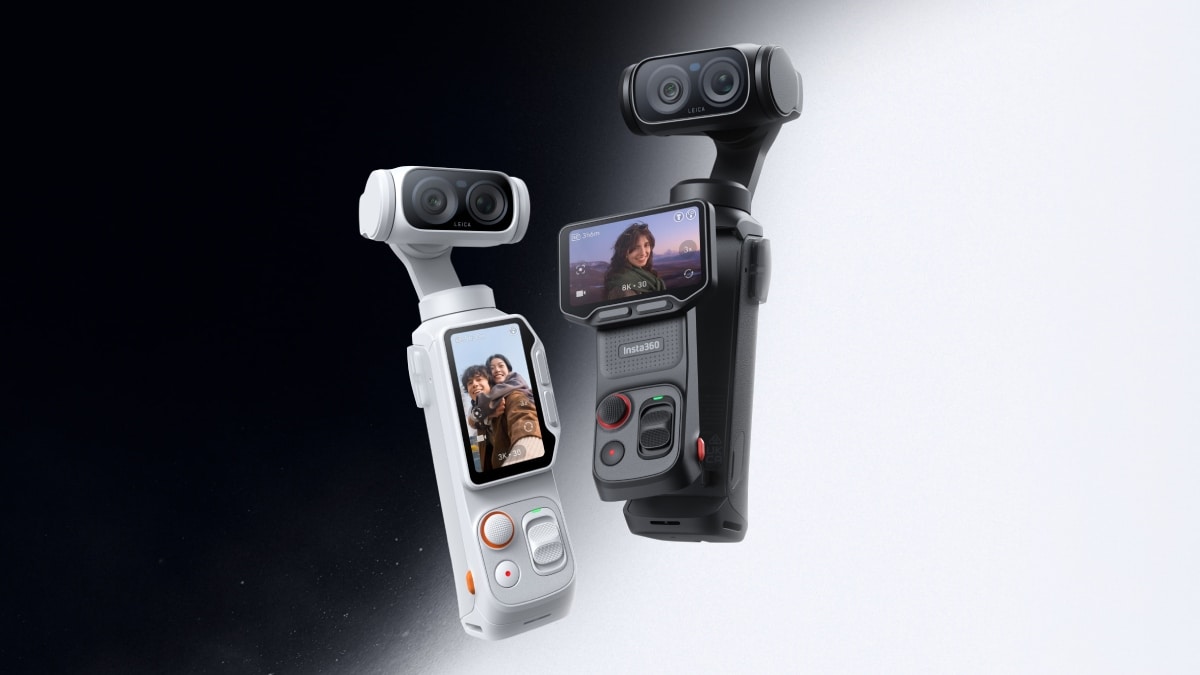
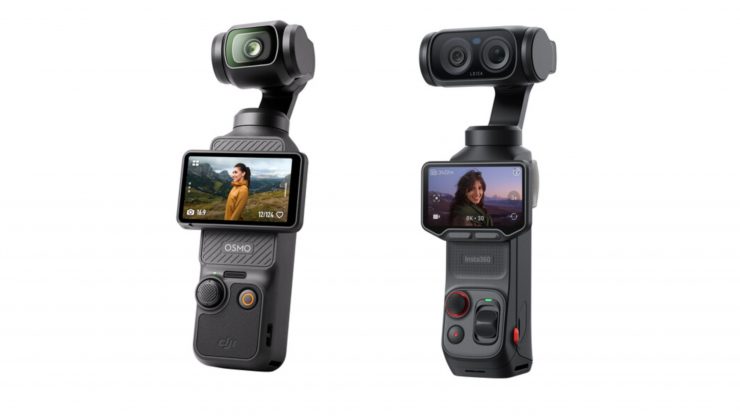
The compliance moat operates on three levels: First, patent enforcement risk makes direct cloning economically irrational—DJI explicitly alleges "willful infringement" against Insta360, which triggers enhanced damages (treble damages + attorney fees) in US courts. The two design patents cover specific ornamental elements (elongated body, rotatable display with bezel, scroll wheel control, side-mounted accessory slot) that are difficult to design around without losing product identity. The four utility patents covering gimbal control methods, subject tracking with on-screen display, and single-control mode switching represent core functionality that any competitive gimbal must replicate. Second, FCC regulatory barriers prevent DJI from obtaining certification for new hardware through 2026, while shell companies like Xtra Technology exploit loopholes by registering independent FCC approval numbers and corporate entities. However, this strategy carries hidden compliance costs: Xtra's MUSE 2 PRO (identical to Osmo Pocket 4P) lacks firmware update infrastructure, warranty coverage, and after-sales support—creating customer satisfaction and liability risks that established sellers can avoid. Third, tariff-driven pricing gaps have inflated DJI Osmo Pocket 3 prices to $800 on Amazon (from original $400-500 MSRP), creating a $300-400 margin window for compliant alternatives priced at $500-600.
For cross-border sellers, the actionable opportunity is immediate: Sellers can source gimbal cameras from non-DJI manufacturers (Insta360, Feiyu, Zhiyun) that have legitimate FCC certification and avoid patent liability by designing around DJI's protected features. The market window is time-limited—DJI's FCC ban expires when the national security audit completes (estimated Q2-Q3 2026), after which DJI will flood the market with new Osmo Pocket models at competitive pricing. Sellers should prioritize categories where design differentiation is defensible: compact gimbals for smartphone mounting (Zhiyun Smooth series), action camera stabilizers (Feiyu AK series), and professional cinema gimbals (DJI alternatives like Ronin-S competitors). Amazon FBA sellers can expect 40-50% higher margins on gimbal cameras through Q2 2026 compared to post-ban normalization. The critical compliance requirement is verifying FCC certification numbers independently and avoiding any product that uses DJI's proprietary software (LightCut video editing) or identical circuit boards—Xtra's 7,552 code references to DJI's LightCut represent a smoking gun for patent infringement liability.
Questions 8
How does DJI's patent lawsuit against Insta360 affect sellers sourcing gimbal cameras?
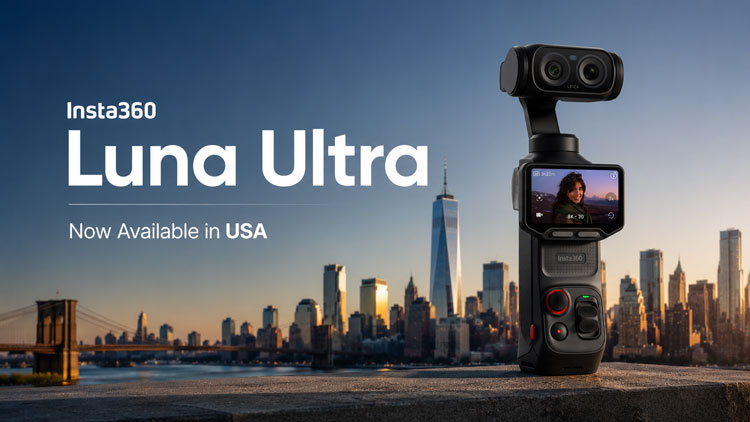
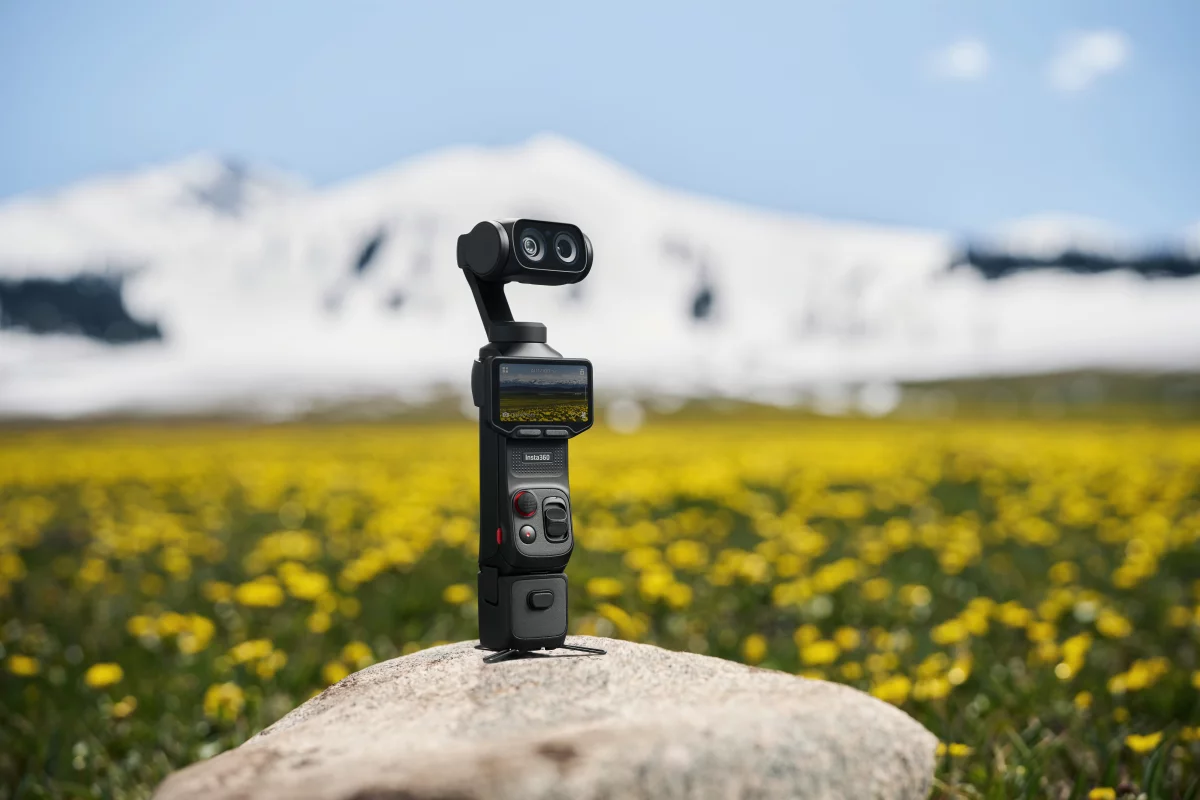
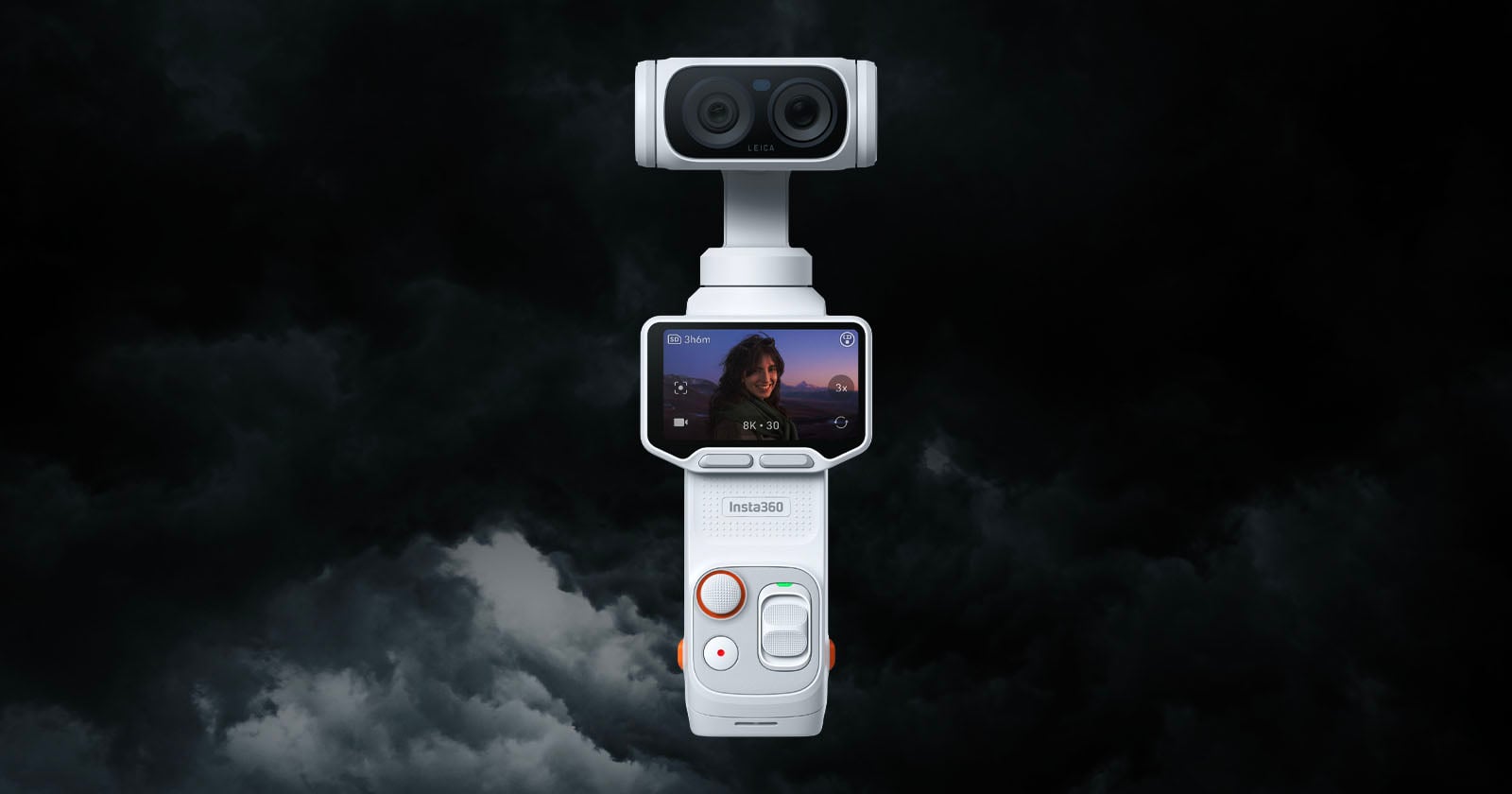
DJI's dual patent infringement claims (2 design patents + 4 utility patents) create significant liability risk for sellers offering Insta360's Luna Pro/Ultra models or any gimbal that replicates DJI's protected features. The lawsuit alleges willful infringement, which triggers enhanced damages (treble damages + attorney fees) in US courts—potentially multiplying liability 3x. Sellers should verify that any gimbal camera they source has independent design elements and does not use DJI's proprietary gimbal control technology, subject tracking algorithms, or on-screen display systems. Cross-reference FCC certification numbers to confirm the product has legitimate regulatory approval rather than being a rebranded DJI device.
What is the FCC Covered List and how does it create market opportunities for sellers?
The FCC Covered List, triggered by the 2025 National Defense Authorization Act, prevents DJI from obtaining FCC certification for new hardware in the US market through at least Q2 2026. This regulatory barrier eliminates DJI's ability to launch new Osmo Pocket models, creating a 12-18 month window where alternative gimbal manufacturers (Insta360, Feiyu, Zhiyun) face reduced competition. Sellers can capitalize by sourcing non-DJI gimbal cameras and positioning them as legitimate alternatives to DJI's unavailable products. However, sellers must ensure their sourced products have independent FCC certification and do not infringe DJI's patents—shell companies like Xtra Technology are exploiting this gap but face hidden compliance costs in warranty and firmware support.