


UK Student Health Crisis Drives 1M Vaccination Programme | Health Product Opportunity
- July 2026 mass immunisation targets university students and school leavers; creates demand surge for health-related merchandise, wellness products, and campus-focused consumer goods



































Overview
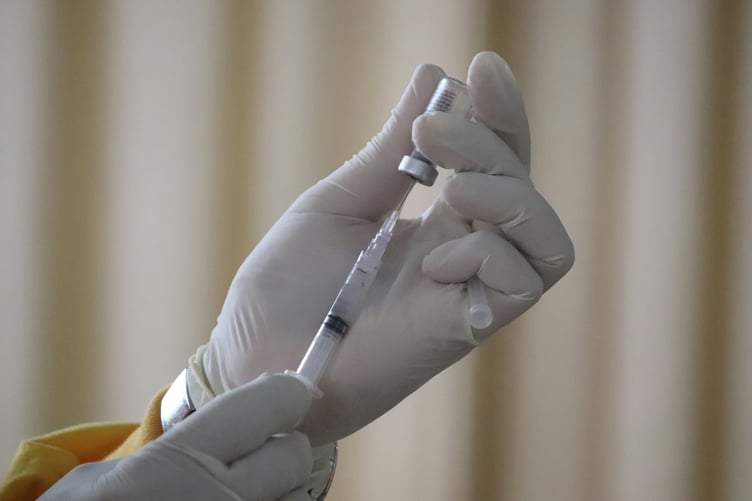
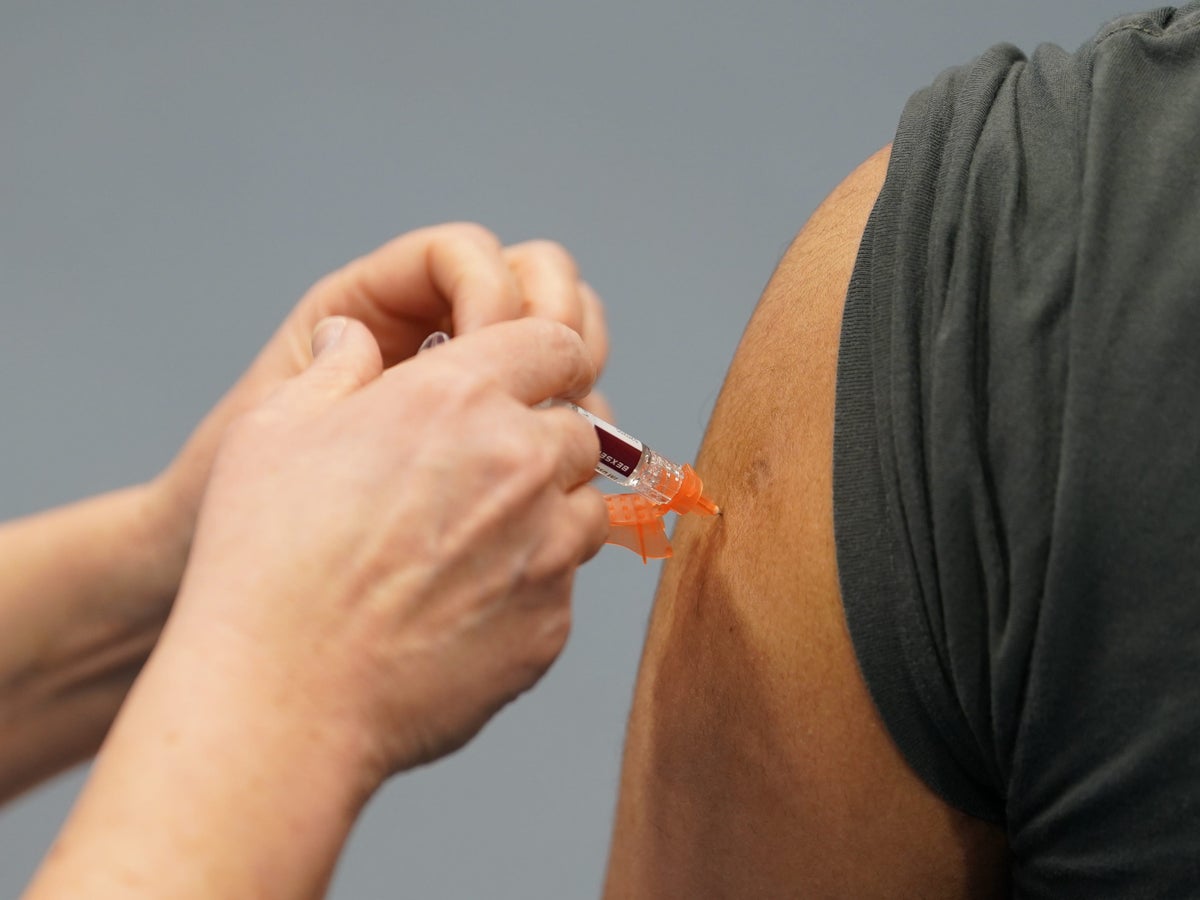
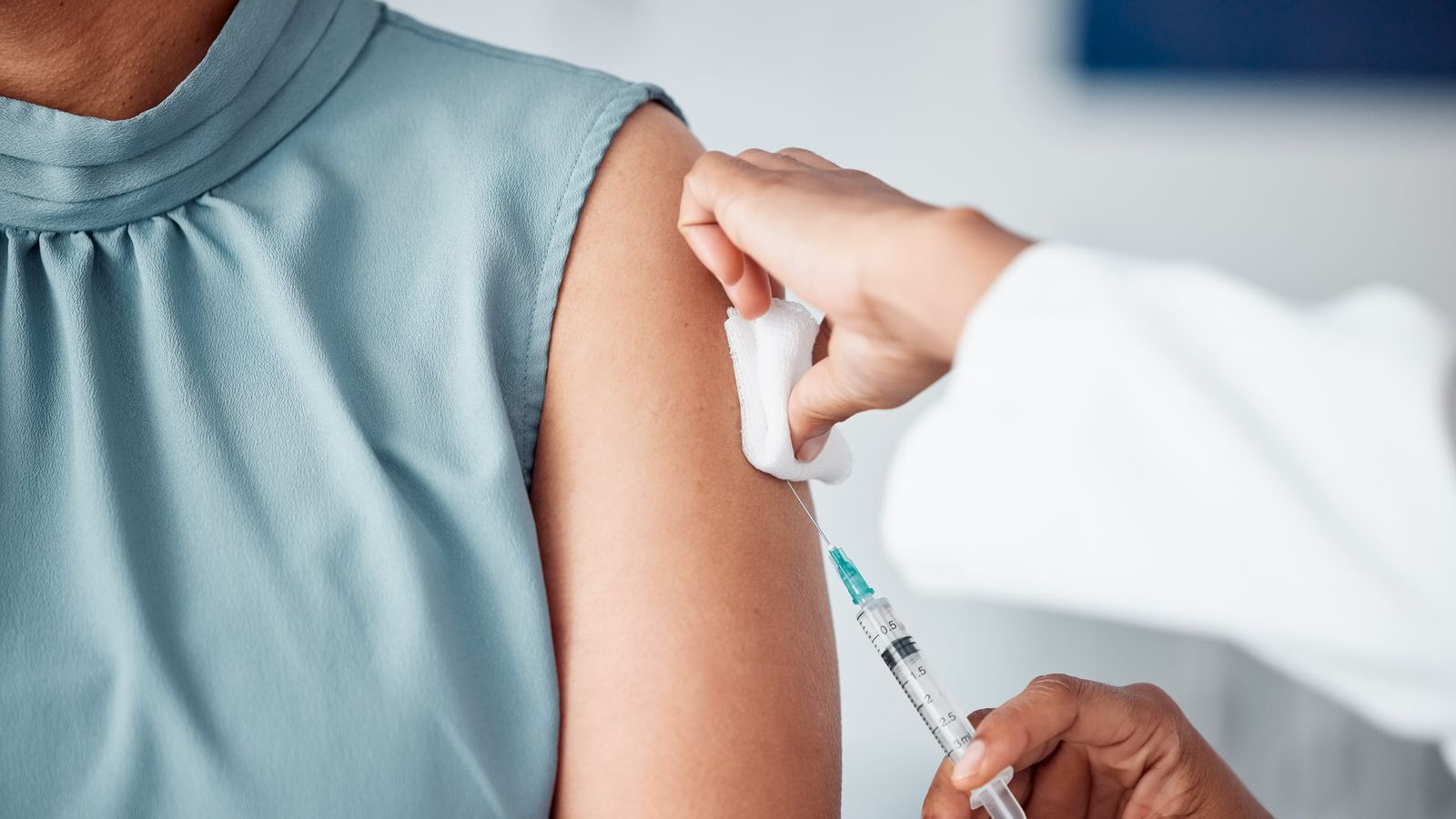
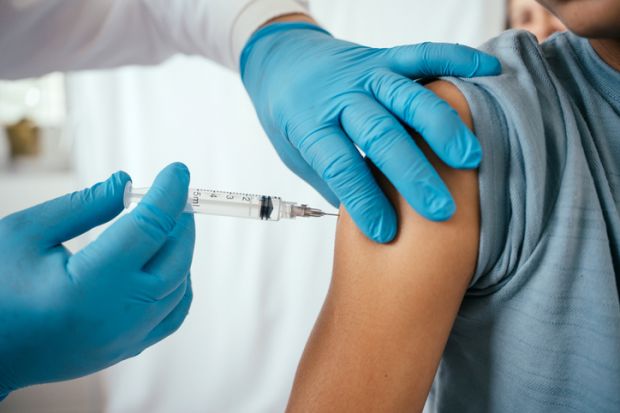
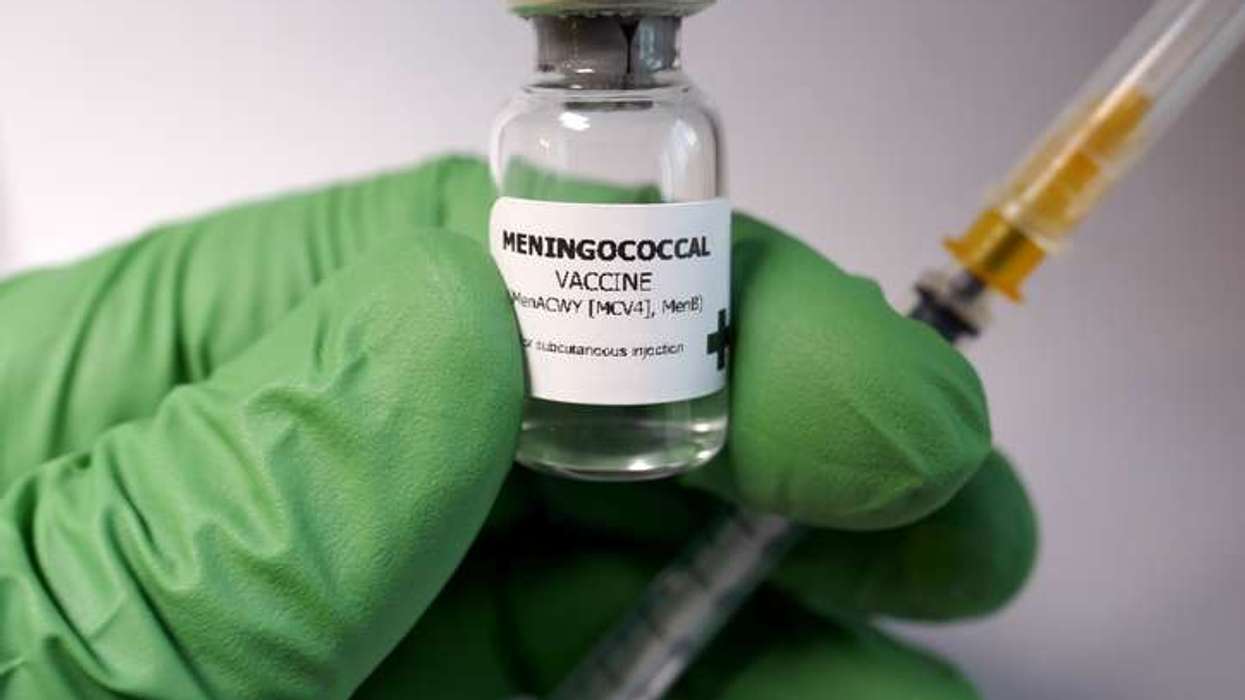
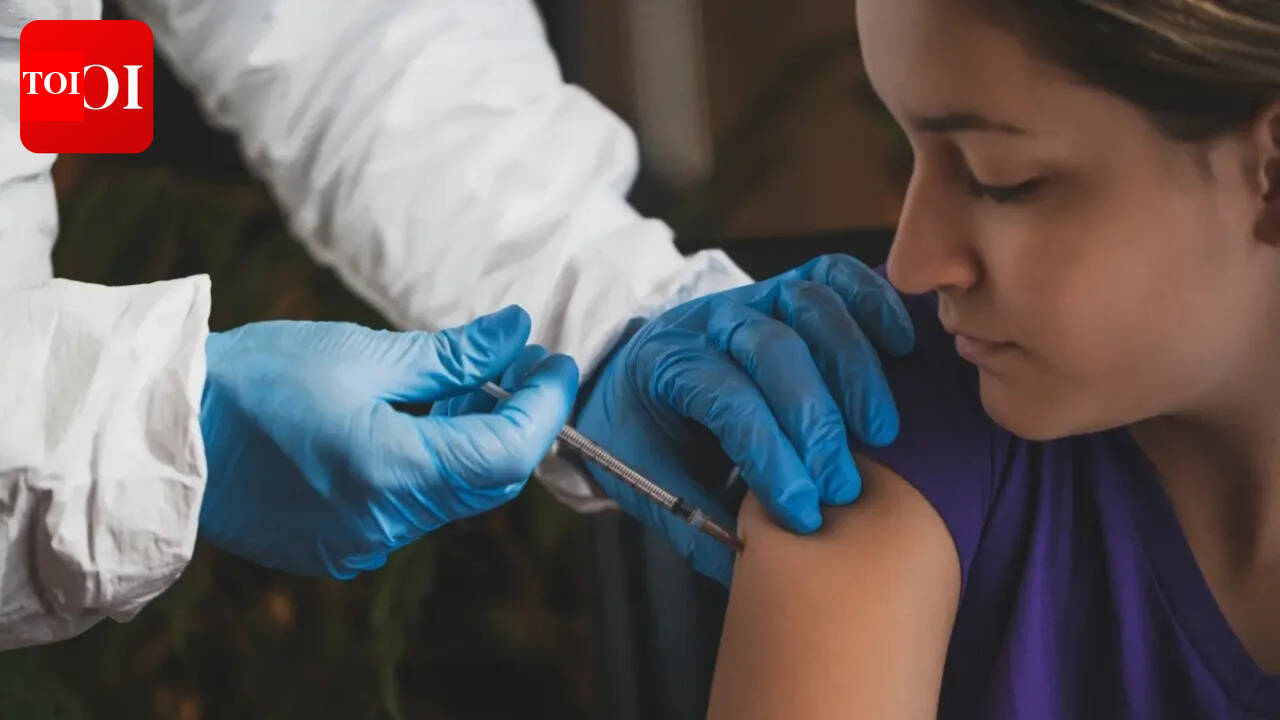
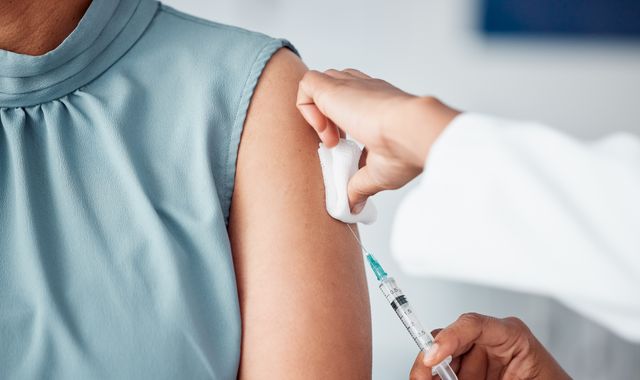
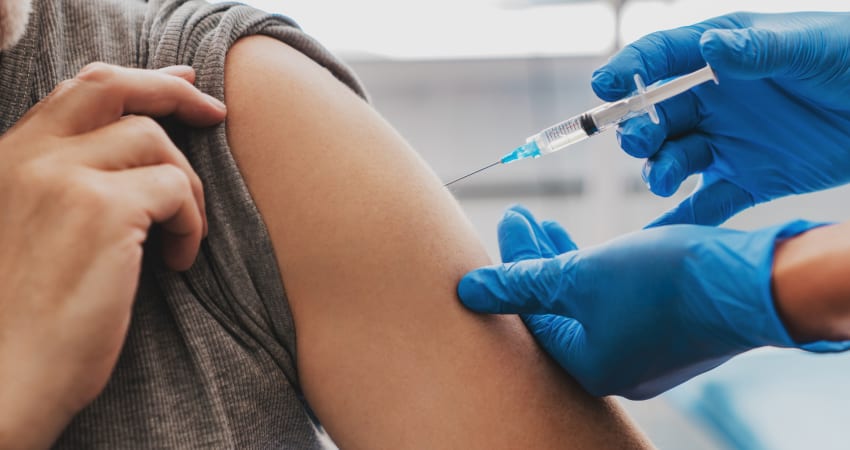
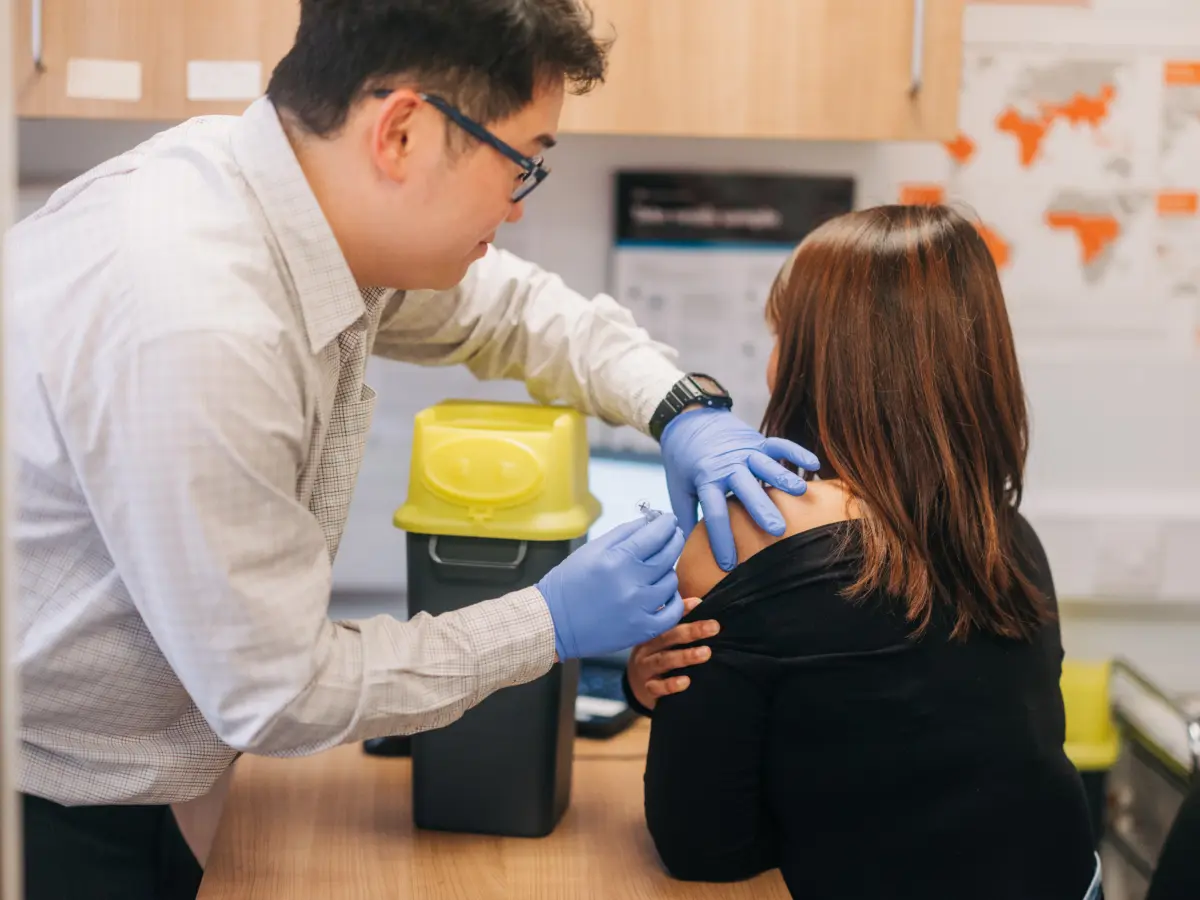
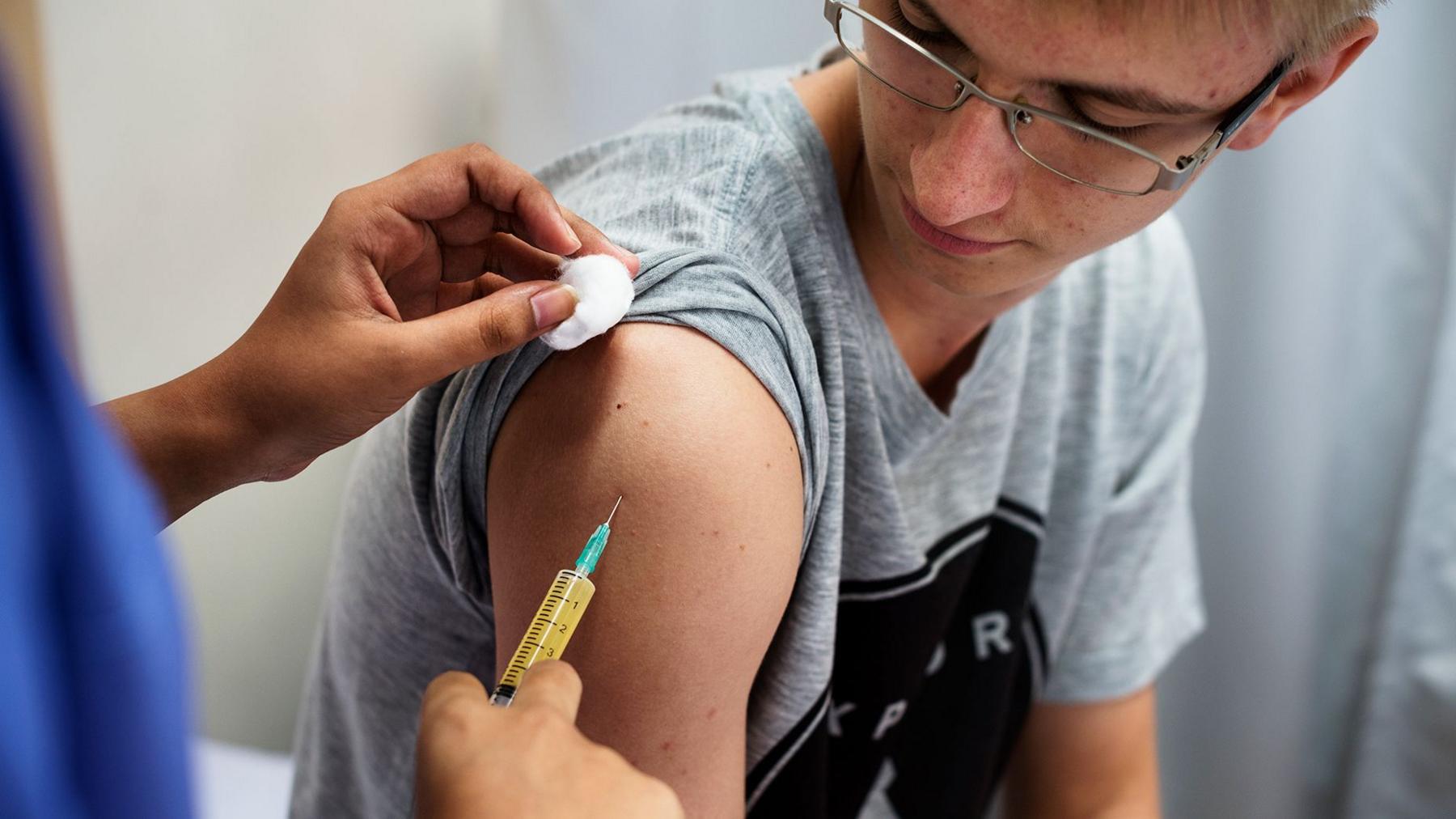
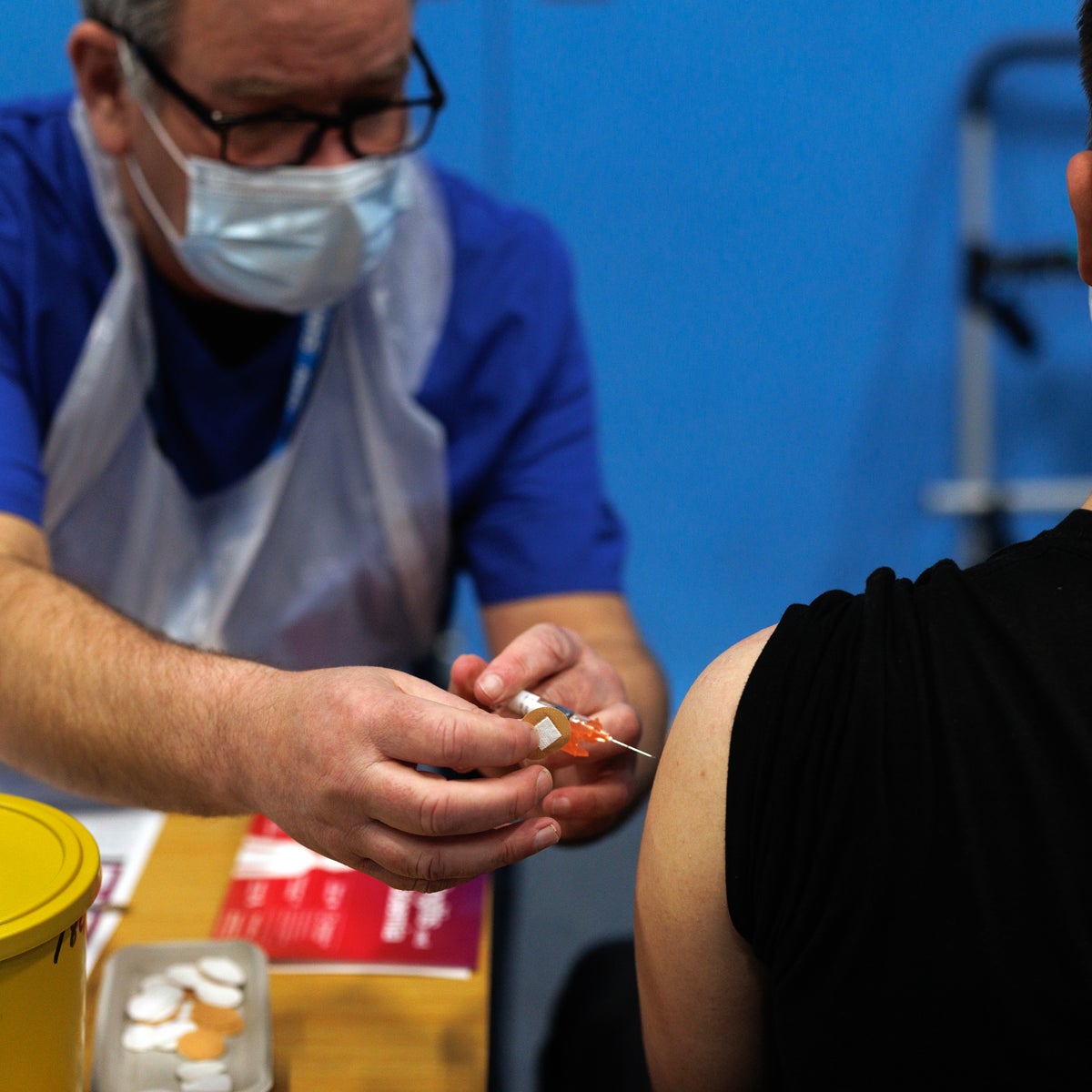
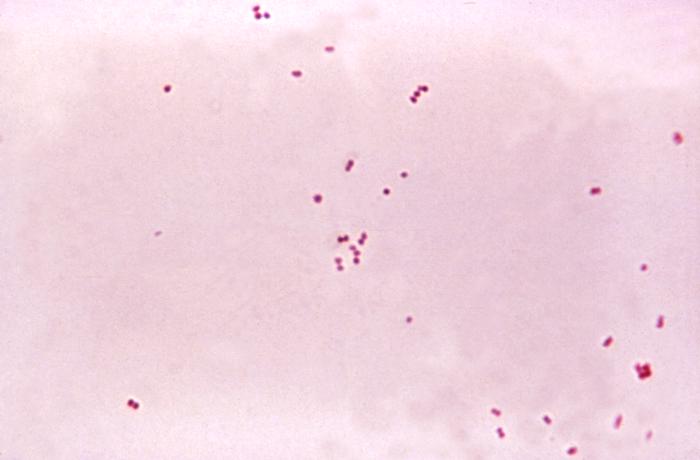
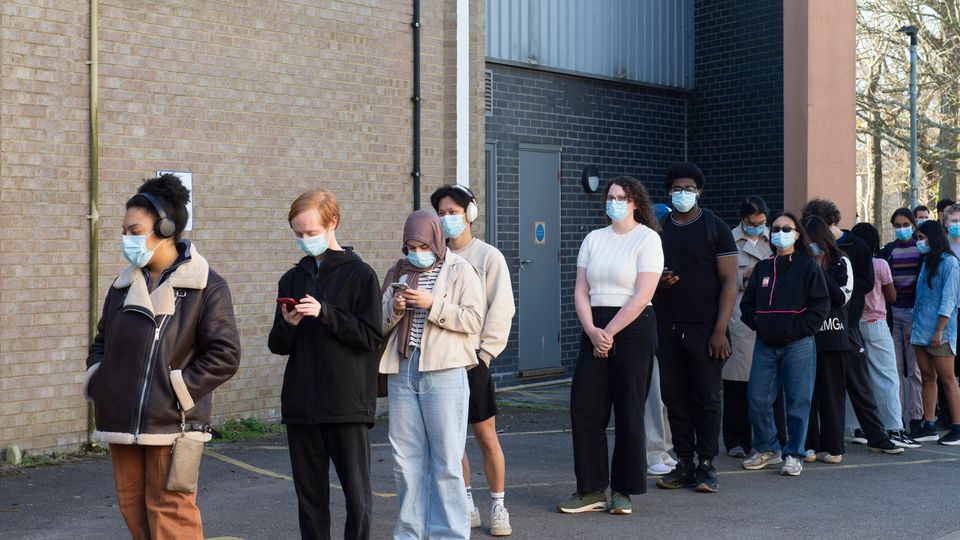
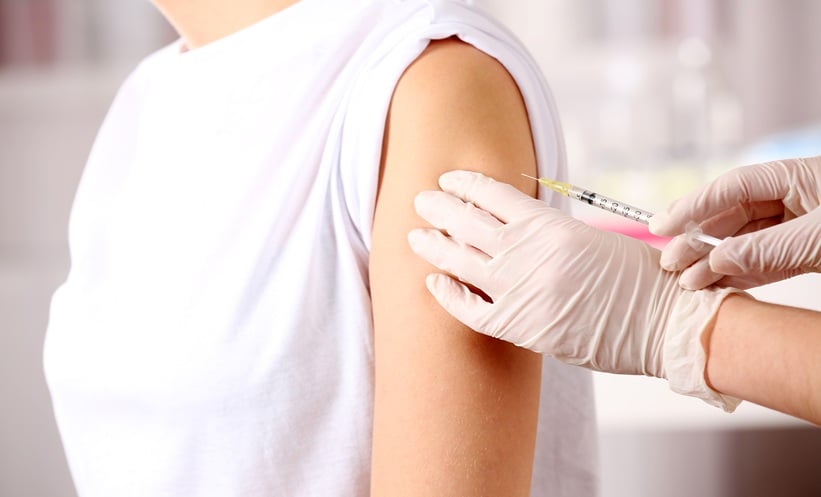
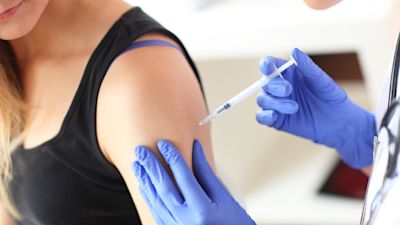
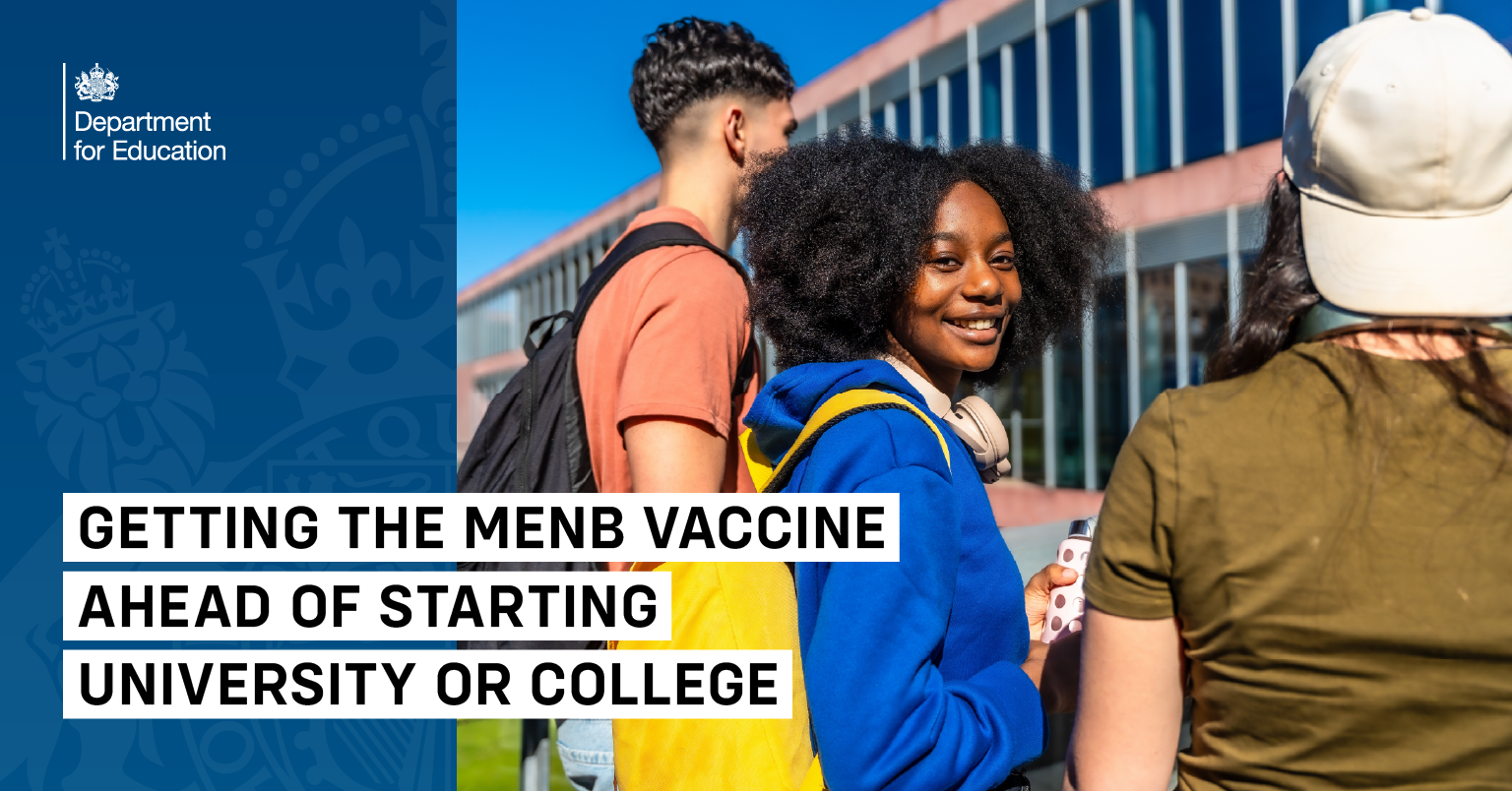
The UK government's emergency meningitis B vaccination programme targeting approximately 1 million young people (born September 2007-August 2008) beginning July 2026 represents a significant public health intervention triggered by unprecedented outbreaks in Kent, Dorset, and Berkshire that caused three deaths in early 2026. While primarily a healthcare initiative, this mass mobilisation of university and school-leaver populations creates measurable e-commerce opportunities across multiple seller categories.
Consumer Behaviour & Demand Signals: The vaccination programme concentrates 1 million health-conscious young adults into a compressed timeframe (July-December 2026), creating predictable consumer behaviour patterns. University students entering shared accommodation environments face elevated health awareness, driving demand for complementary wellness products: immune-support supplements, health monitoring devices, first-aid kits, and hygiene products. The two-dose vaccination schedule (28+ days apart) extends engagement across summer and autumn terms, aligning with back-to-school purchasing cycles. Parents of eligible students (born 2007-2008) represent affluent UK demographics willing to invest in health-related merchandise—private vaccination costs £200+ per child indicate price-insensitive segments.
Product Category Opportunities: Health-conscious student demographics typically purchase: (1) Wellness supplements (vitamin C, zinc, probiotics) - estimated £150-300M annual UK student market; (2) Personal health devices (thermometers, pulse oximeters, air quality monitors) - growing 12-15% annually in UK; (3) Hygiene and sanitation products (hand sanitisers, disinfectant wipes, masks) - elevated demand during health crises; (4) Dorm essentials (bedding, storage, organisation) - back-to-university seasonal spike; (5) Mental health and stress-relief products (meditation apps, aromatherapy, weighted blankets) - health anxiety correlates with vaccination campaigns. The July-August pharmacy rollout in England and July-December in Wales/Scotland creates regional demand variations, with peak purchasing during June-August pre-university preparation phase.
Market Timing & Seasonal Dynamics: The programme aligns with UK university admission cycles (August-September intake) and summer holiday periods when students prepare for shared accommodation. This creates a 4-6 week window (June-July 2026) for sellers to capture back-to-university health product demand. The October-November peak for invasive meningococcal disease (per UKHSA data) suggests sustained health awareness through autumn term, extending sales opportunities. International students under-25 requiring first doses before arrival create additional demand for travel health kits and portable wellness products.
Questions 7
What e-commerce opportunities emerge from the UK's 1 million-student vaccination programme?
The July 2026 meningitis B vaccination programme targeting 1 million UK students creates concentrated demand for health and wellness products during June-August peak purchasing. Students preparing for university shared accommodation seek immune-support supplements, personal health monitoring devices, hygiene products, and dorm essentials. The two-dose vaccination schedule (28+ days apart) extends engagement through autumn term, creating sustained sales windows. Sellers can capitalise on health anxiety peaks by positioning products as complementary to vaccination programmes, with estimated addressable market of £150-300M in UK student wellness category.
Which product categories see highest demand during student health crises?
Health crises targeting student populations drive demand across five primary categories: (1) Wellness supplements (vitamin C, zinc, probiotics) - 12-15% annual growth; (2) Personal health devices (thermometers, pulse oximeters) - emerging category; (3) Hygiene products (hand sanitisers, disinfectant wipes) - 20-30% uplift during health campaigns; (4) Dorm essentials (bedding, storage, air purifiers) - back-to-university seasonal spike; (5) Mental health products (meditation apps, stress-relief items) - health anxiety correlates with vaccination announcements. The October-November meningococcal disease peak extends autumn term demand.