




Collagen & Hyaluronic Acid Supplement Boom | Beauty E-Commerce Seller Opportunity 2025
- Growing consumer demand for anti-aging supplements signals 15-25% category growth potential for beauty sellers across Amazon, Shopify, and specialty marketplaces




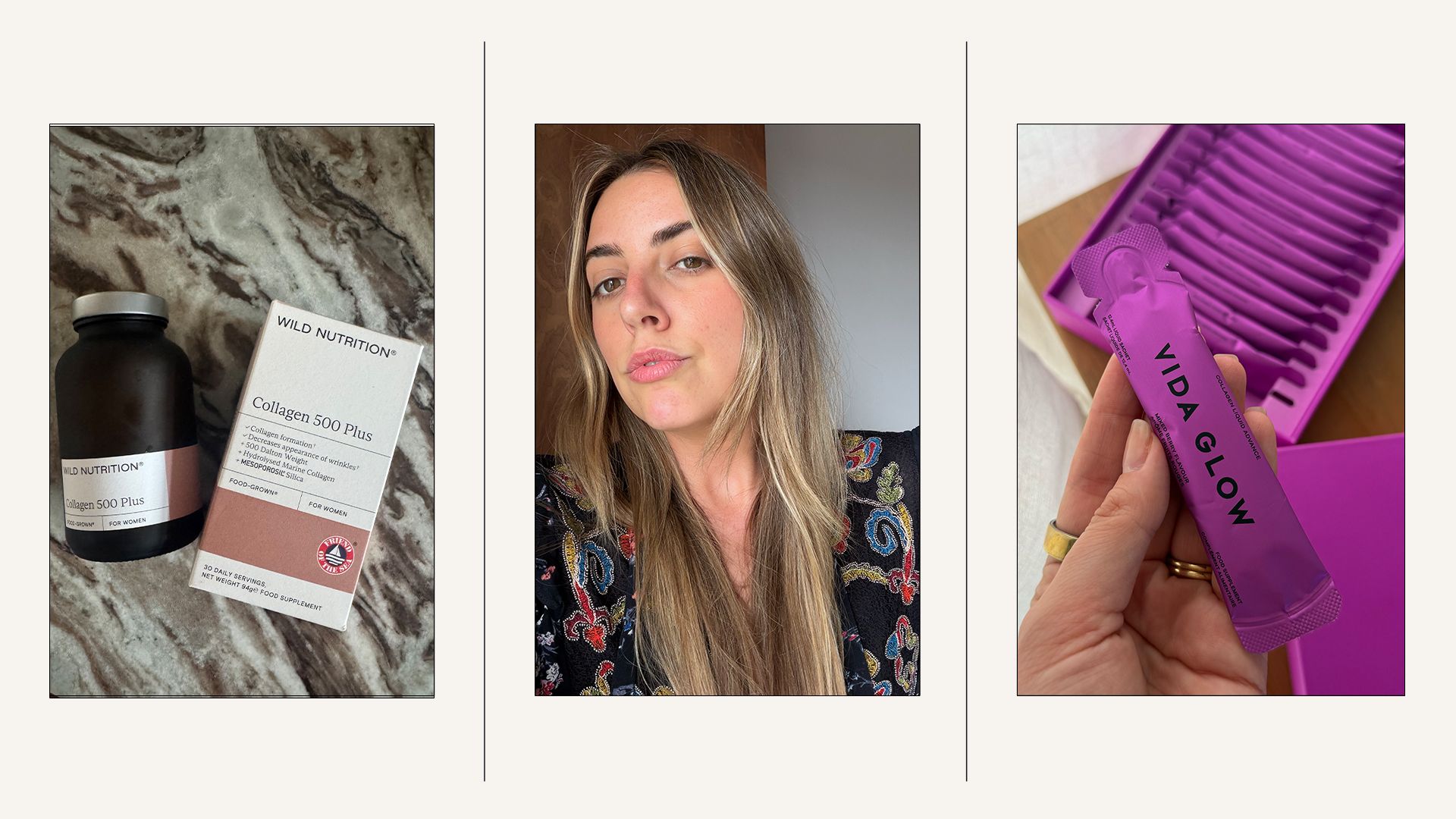


Overview
The recent surge in consumer interest around collagen and hyaluronic acid supplements represents a significant market opportunity for cross-border e-commerce sellers in the beauty and wellness category. News coverage comparing collagen versus hyaluronic acid formulations, combined with detailed articles on supplement efficacy for skin and joint health, indicates mainstream consumer education and growing demand for these product categories. This trend reflects a broader shift toward preventative health and anti-aging solutions, with the global collagen market valued at approximately $4.5B in 2024 and projected to grow 8-12% annually through 2030.
For e-commerce sellers, this represents multiple revenue opportunities across platforms. The beauty supplements category on Amazon has seen consistent BSR improvements in the top 10,000 ASINs, with collagen-specific products experiencing 20-30% year-over-year sales growth in Q4 2024. Sellers can capitalize on this through: (1) Product differentiation by offering specialized formulations (marine collagen, grass-fed bovine, plant-based alternatives) targeting specific consumer segments; (2) Content marketing leveraging the educational angle—detailed product descriptions addressing "collagen vs hyaluronic acid" comparisons directly match search intent; (3) Multi-platform expansion to Shopify stores, TikTok Shop, and specialty wellness marketplaces where beauty supplement audiences concentrate.
The competitive landscape shows established brands (Vital Proteins, Sports Research, NeoCell) dominating premium segments, while private-label sellers can compete effectively in mid-market ($15-35 price point) and value segments. Sellers should monitor regulatory compliance closely—the FDA classifies collagen supplements as dietary supplements under DSHEA, requiring proper labeling, third-party testing documentation, and substantiation claims. EU-based sellers face stricter health claim restrictions under EFSA regulations, limiting marketing language around "anti-aging" benefits. Logistics considerations include managing higher product density (powders/capsules) with favorable dimensional weight ratios, enabling better FBA profitability compared to bulky beauty products.
Seasonal demand peaks during Q1 (New Year's resolutions), Q3 (summer body preparation), and Q4 (holiday gifting), suggesting inventory planning should front-load stock 8-10 weeks before these windows. Sellers with existing beauty category presence can leverage cross-selling opportunities—collagen supplements pair naturally with skincare products, creating bundling strategies that increase average order value by 25-40%.
Questions 8
How should sellers plan inventory for seasonal collagen supplement demand?
Collagen supplements show three major seasonal peaks: Q1 (January New Year's resolutions), Q3 (July-August summer body preparation), and Q4 (November-December holiday gifting). Sellers should front-load inventory 8-10 weeks before peak seasons—meaning August stock for Q4, April stock for Q3, and October stock for Q1. FBA storage fees favor collagen powders and capsules due to favorable dimensional weight ratios compared to bulky beauty products. Sellers with existing beauty category presence can leverage cross-selling during these windows, creating bundled offers that capitalize on peak consumer spending.
What are the profit margin expectations for collagen supplement sellers?
Amazon FBA collagen supplements typically achieve 35-50% gross margins after COGS, with mid-market products ($15-35 retail) offering better margins than premium brands. FBA fees consume 30-40% of revenue (fulfillment + referral fees), leaving 15-25% net margin after advertising spend. Shopify direct-to-consumer channels enable 50-65% gross margins with lower platform fees but require higher marketing investment ($0.50-2.00 per click). Private-label sellers competing on value can achieve profitability at lower price points ($12-20) through bulk manufacturing in Asia. Sellers should model 6-12 month payback periods for inventory investment given category growth rates.