

China-Philippines Tensions Reshape SEA Trade Routes | Supply Chain Risk Alert
- Geopolitical escalation threatens $2.3T Southeast Asia e-commerce corridor; sellers face shipping delays, tariff uncertainty, and market access restrictions through 2024-2025










)

Overview
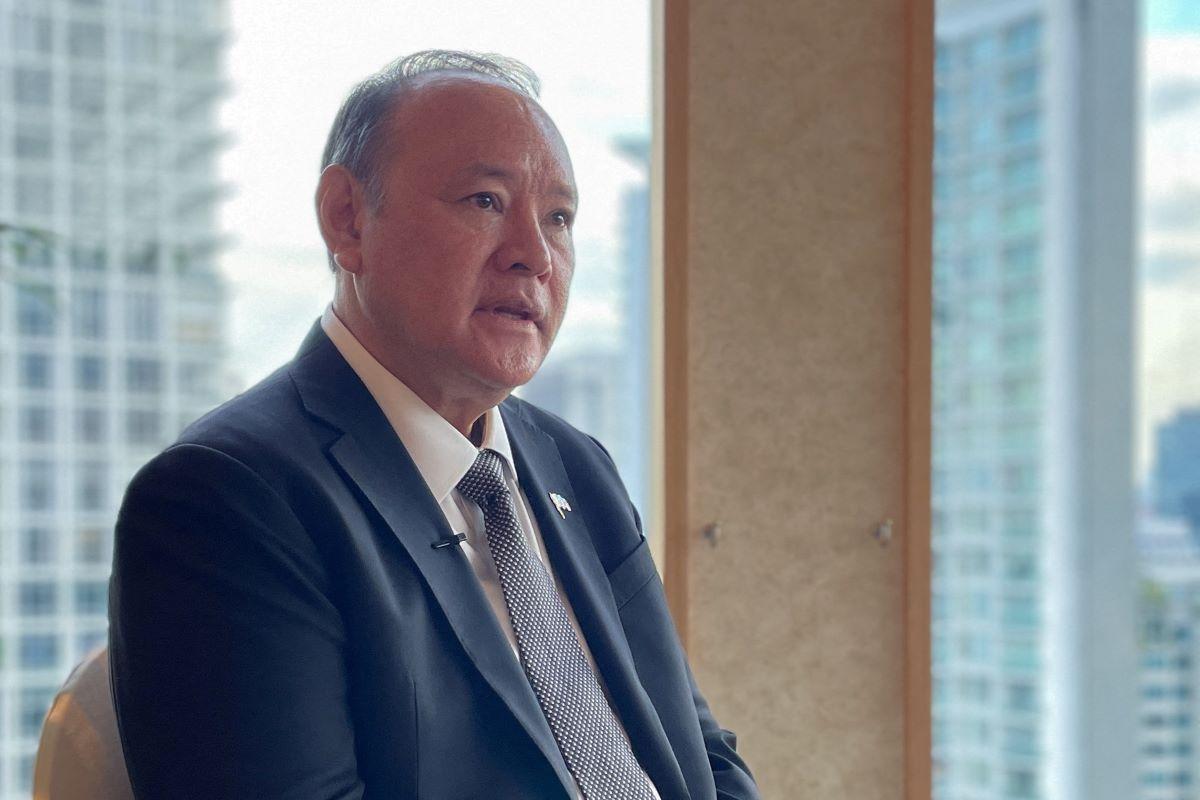
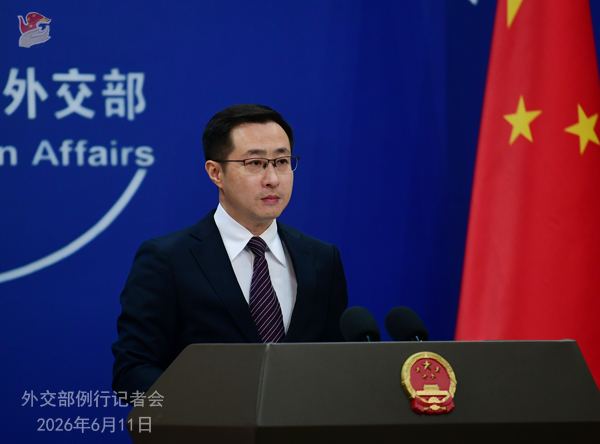
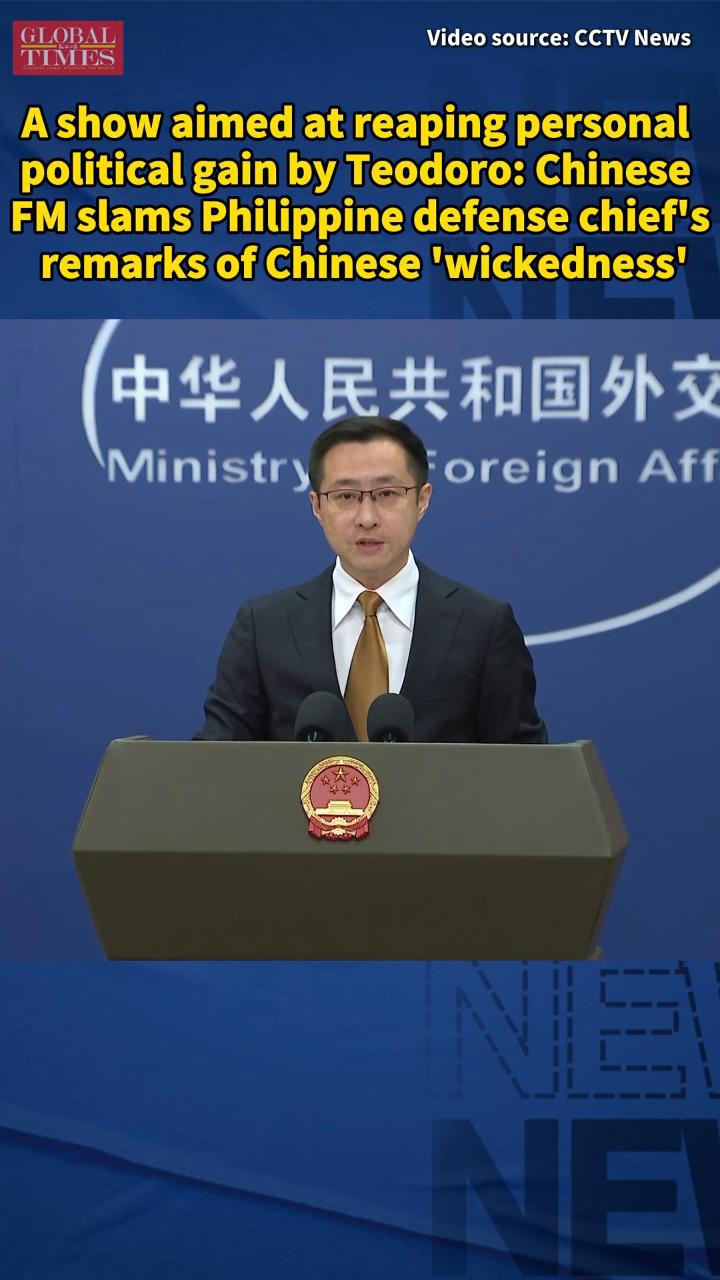
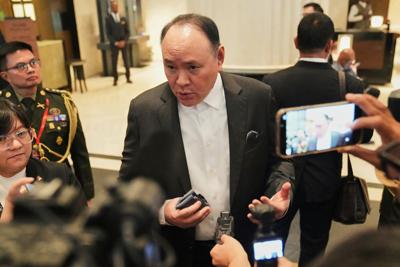
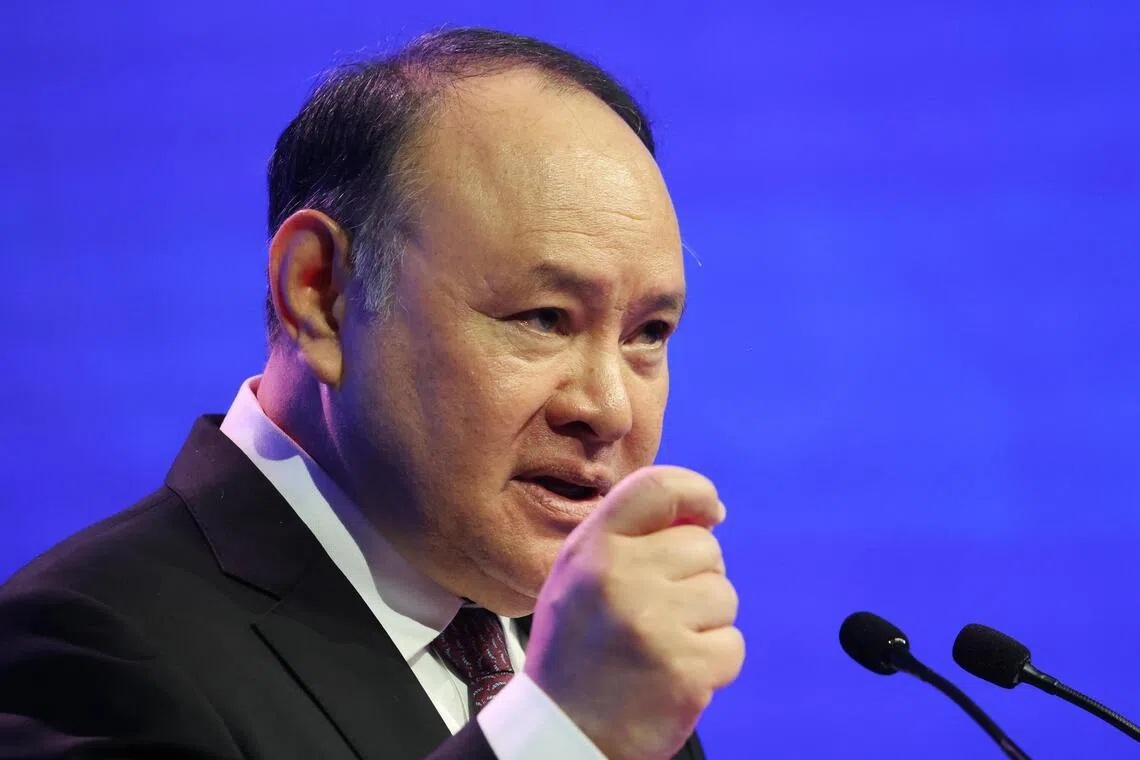
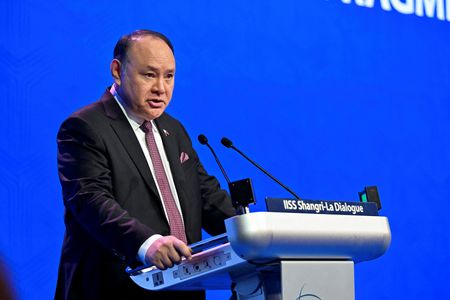
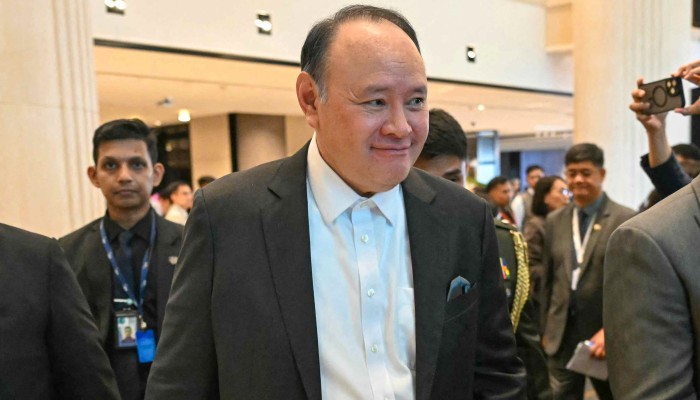
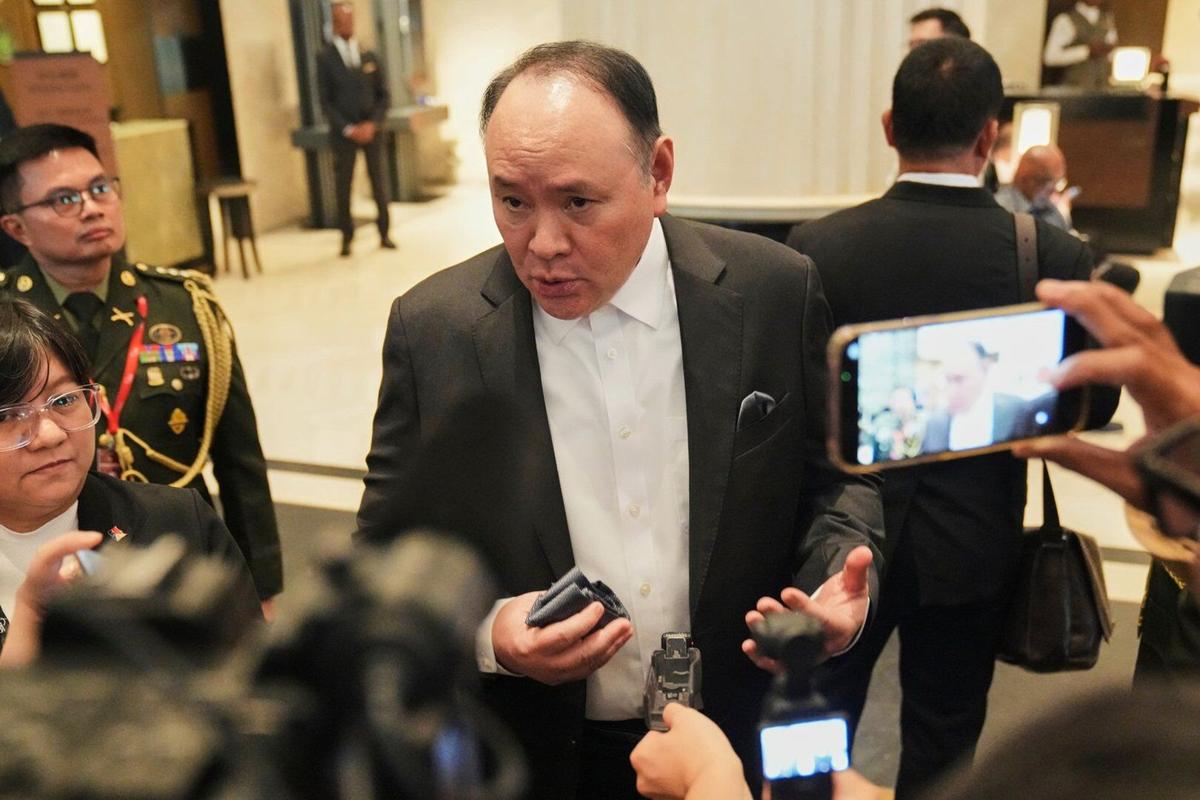
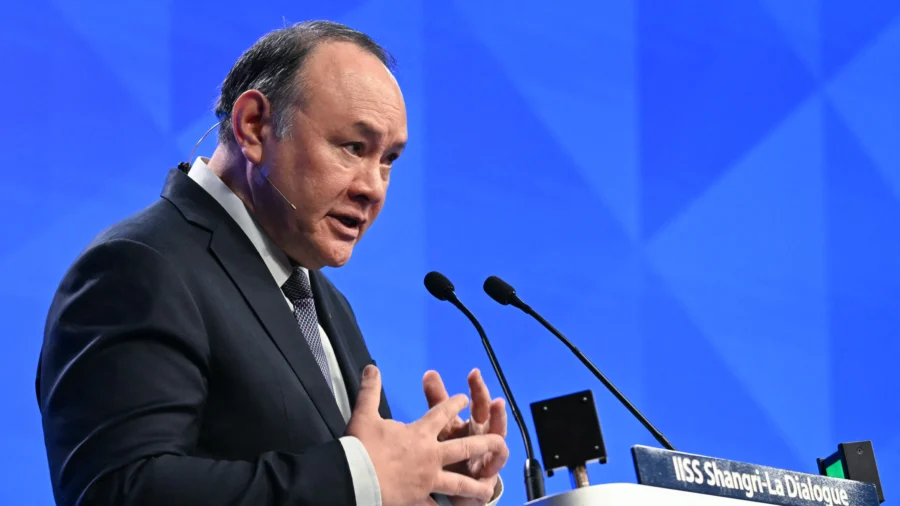
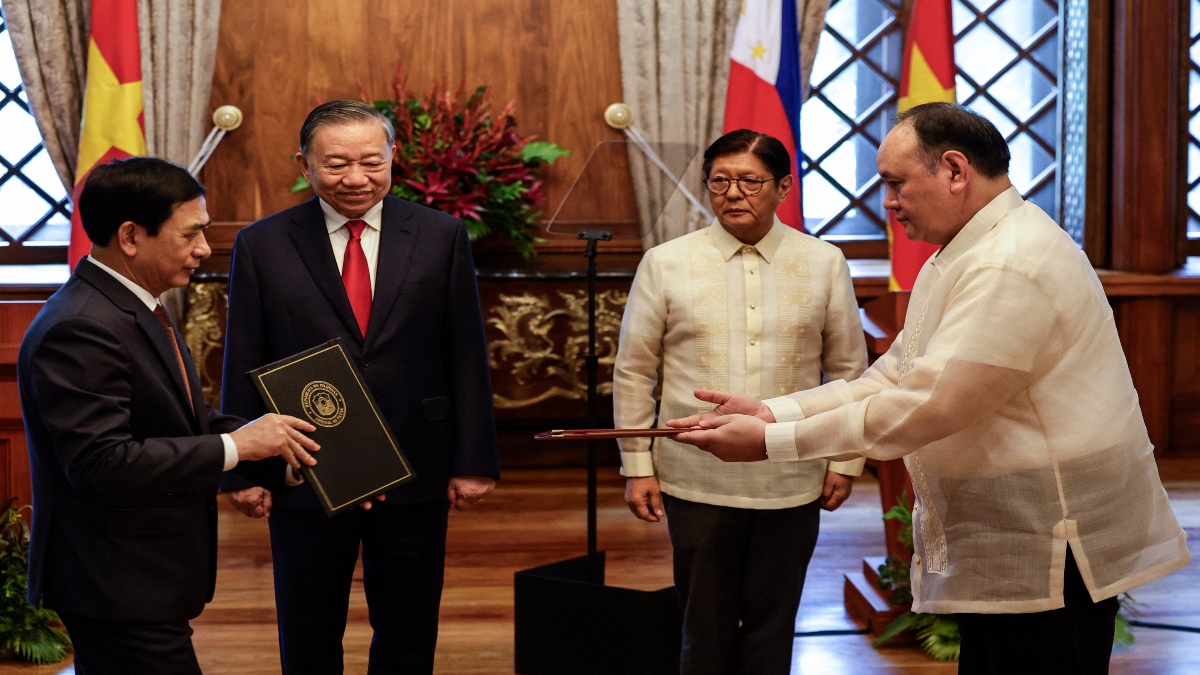
China's June 11, 2024 sanctions against Philippine Defence Secretary Gilberto Teodoro Jr. represent a critical escalation in South China Sea tensions that directly impacts cross-border e-commerce logistics, tariff structures, and market access for sellers operating in Southeast Asia. The sanctions—prohibiting Chinese organizations from conducting transactions with Teodoro and his family, combined with entry bans to China, Hong Kong, and Macau—signal Beijing's willingness to weaponize economic restrictions against regional actors strengthening US security partnerships. This geopolitical friction creates three immediate supply chain vulnerabilities for e-commerce sellers.
First, shipping route disruption and cost inflation. The South China Sea handles approximately 30% of global maritime trade ($5.3 trillion annually), with the Philippines controlling critical chokepoints. Escalating military tensions between Chinese and Philippine coastguard vessels—documented in multiple clashes over disputed reefs—create unpredictable delays for sellers shipping through Manila ports, Hong Kong, and regional hubs. Sellers routing inventory via Shenzhen-to-Manila-to-US corridors face 5-15 day delays and 8-12% freight premium increases as shipping lines reroute around disputed zones. This directly impacts Amazon FBA restocking timelines and Shopify fulfillment networks dependent on 14-21 day transit windows.
Second, tariff arbitrage collapse and market access restrictions. The Philippines has historically served as a tariff-advantaged sourcing hub for US-bound electronics, apparel, and home goods due to preferential trade agreements. China's pattern of targeted sanctions (similar to 2020 actions against EU lawmakers, later lifted when Beijing pursued closer ties) suggests potential escalation to broader trade restrictions affecting Philippine export capacity. Sellers currently leveraging Vietnam-Philippines-US sourcing triangles to avoid China tariffs face 15-25% margin compression if Manila's export competitiveness deteriorates. Additionally, Chinese entities dominating regional logistics (Alibaba's Cainiao, SF Express operations) may face operational constraints, forcing sellers to shift to higher-cost 3PL providers.
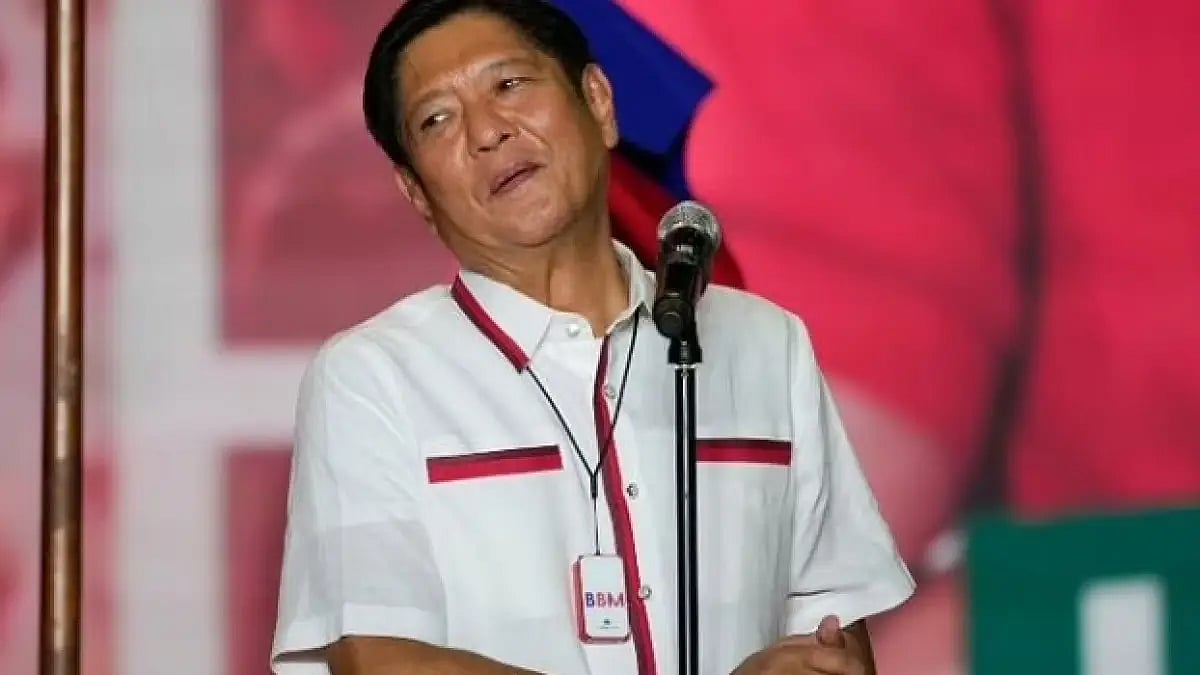
Third, market consolidation and competitive advantage shifts. The Philippines' strengthened US alliance (under President Ferdinand Marcos Jr.) and defiant stance against Beijing create bifurcated market dynamics. US-aligned sellers gain preferential access to Philippine e-commerce platforms and logistics networks, while China-dependent sellers face compliance complexity. The 2016 international ruling against China's South China Sea claims—repeatedly cited by Philippine officials—suggests Manila will maintain hardline positions, making short-term reconciliation unlikely. This 6-12 month window presents opportunity for sellers to diversify sourcing away from China-dependent corridors before potential broader sanctions.
Questions 7
How do China-Philippines sanctions affect shipping costs for Amazon FBA sellers?
Sellers routing inventory through Manila ports and South China Sea corridors face 8-12% freight premium increases due to rerouting around disputed zones and unpredictable military tensions. The South China Sea handles 30% of global maritime trade, and escalating coastguard clashes create 5-15 day delays. For sellers shipping 500+ units monthly via Shenzhen-to-Manila-to-US routes, this translates to $1,200-2,400 monthly cost increases. Amazon FBA's 14-21 day restocking window becomes unreliable, forcing sellers to maintain 30-45 day safety stock buffers, increasing storage fees by $300-600 monthly per 10,000 units.
Should sellers shift sourcing away from Philippines to Vietnam or India?
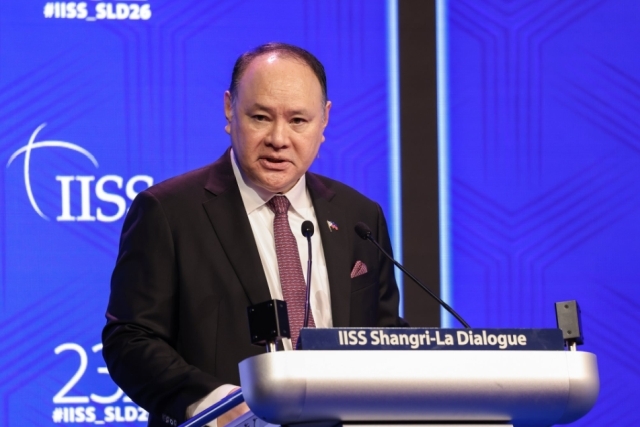
Yes, for 6-12 months until geopolitical tensions stabilize. The Philippines' defiant stance against China (reaffirmed by Defense Secretary Teodoro at Singapore's Shangri-La Dialogue) suggests continued escalation. Vietnam offers 15-20% lower tariffs on electronics and apparel under CPTPP, while India provides duty-free access for certain categories under GSP programs. However, Vietnam faces its own China tensions, making India (with established US trade partnerships) the safest alternative. Sellers should pilot 20-30% inventory reallocation to India suppliers by Q3 2024, monitoring Philippines-China developments for potential reconciliation windows.