

Russia-Ukraine Conflict Disrupts Supply Chains | Sellers Face Geopolitical Logistics Risk
- Ukraine's drone campaign on R-280 highway creates fuel shortages affecting 390-mile supply corridor; sellers must reassess Russian market viability and diversify sourcing strategies
Overview
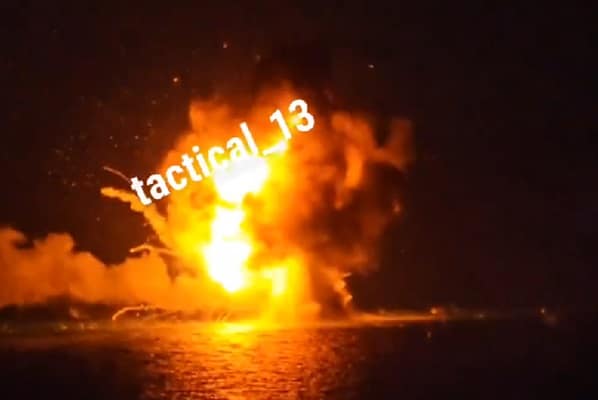
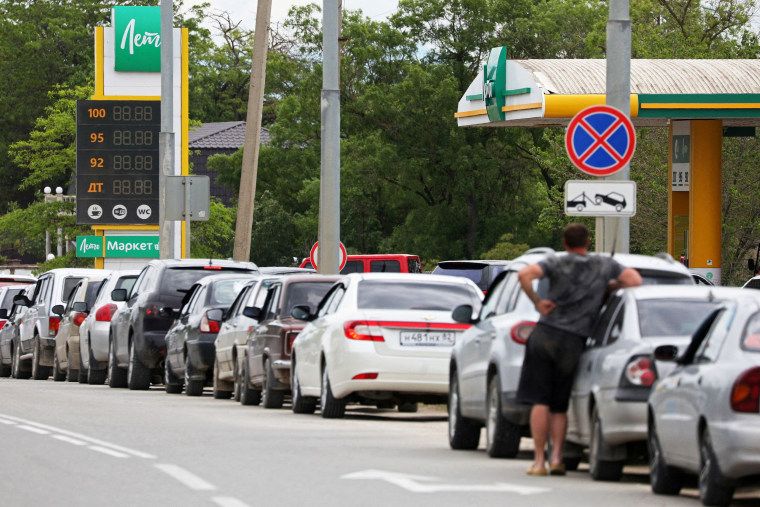
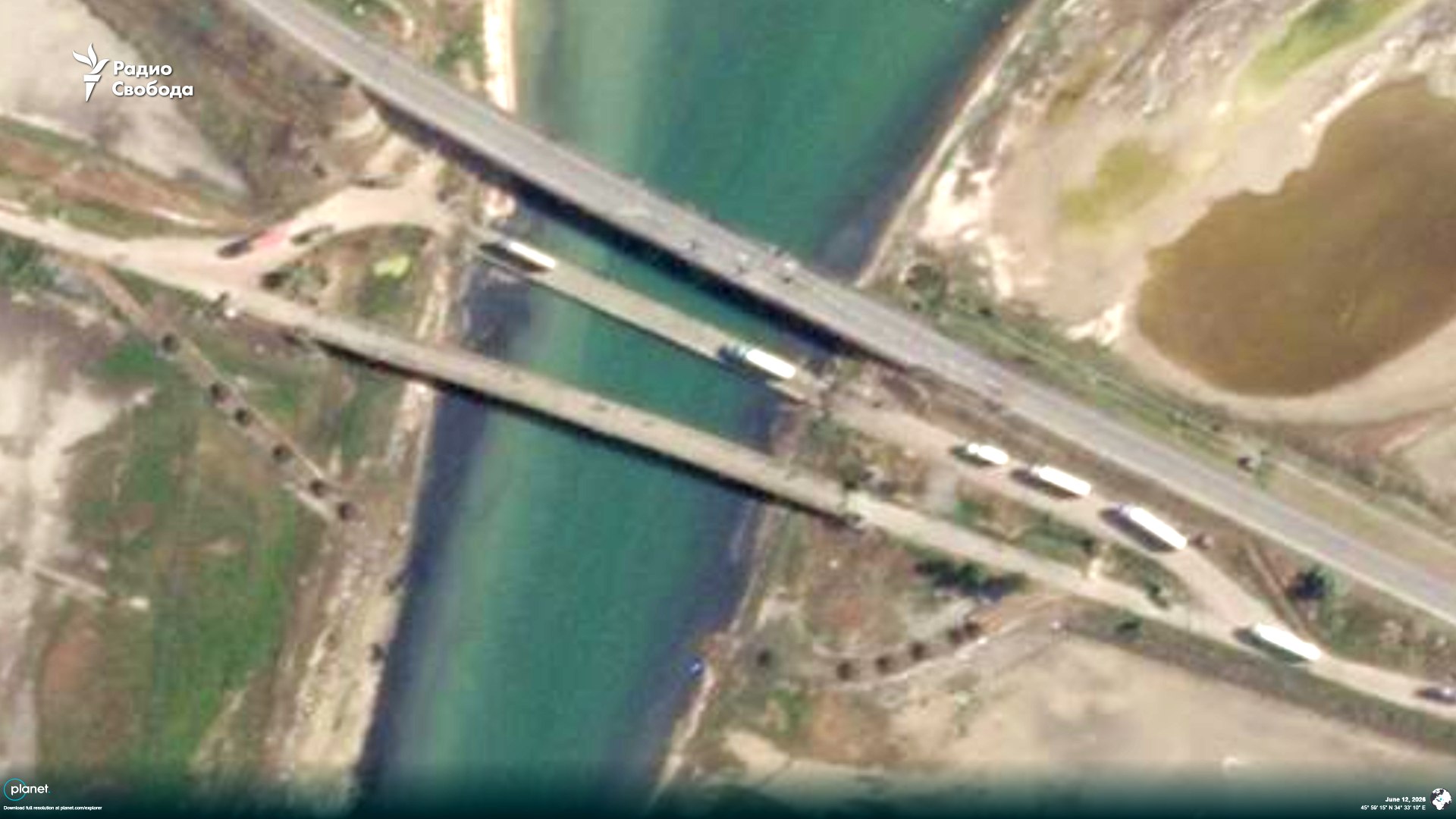
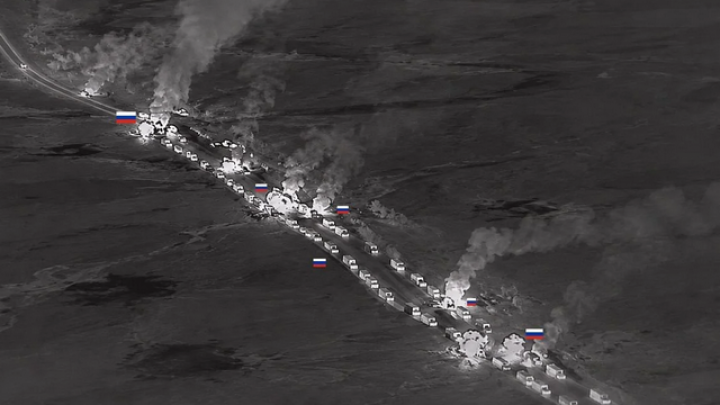
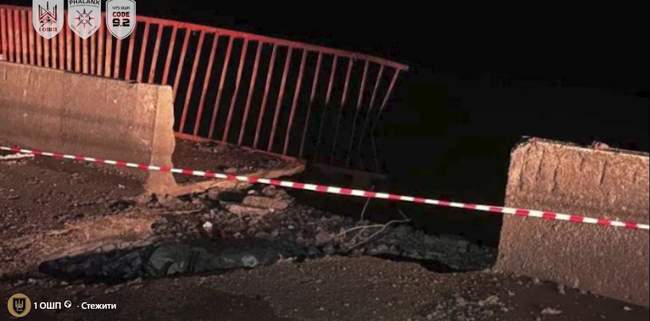
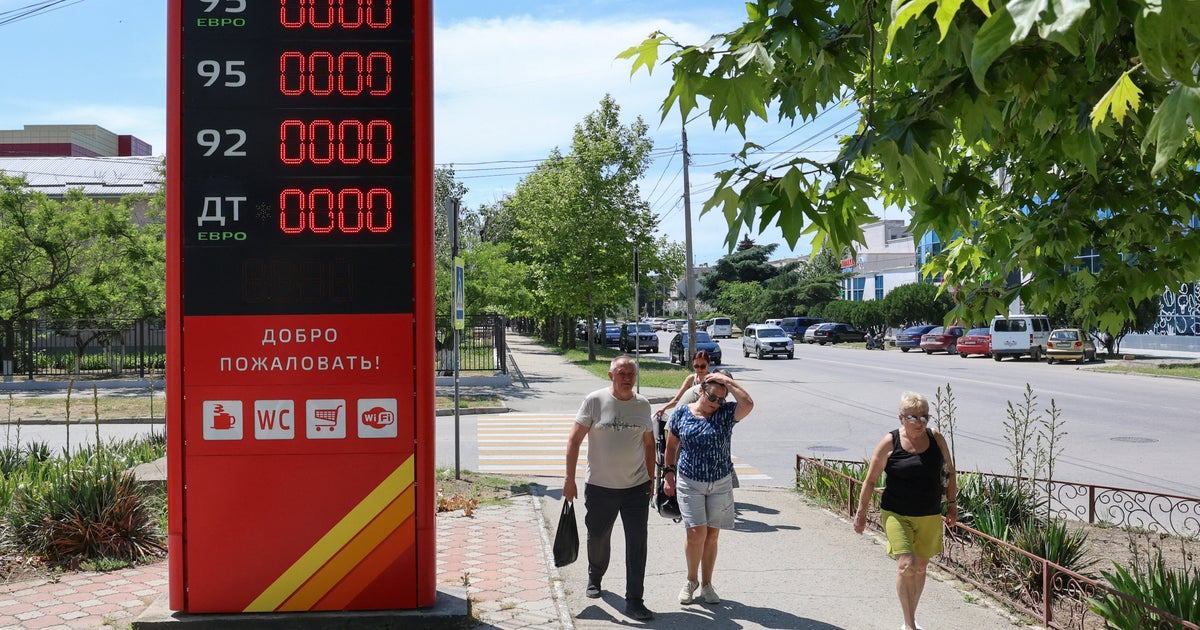
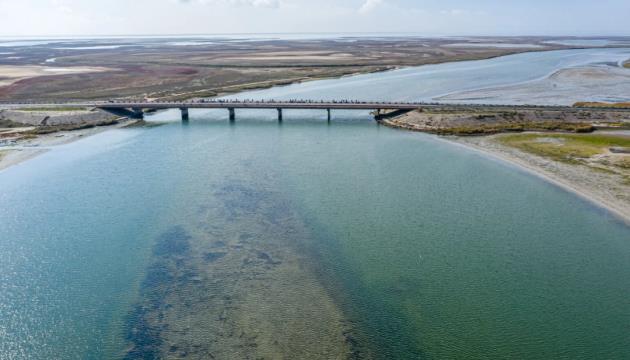
The Ukraine-Russia conflict has escalated into a supply chain warfare campaign that directly impacts cross-border sellers operating in or sourcing from Russian-controlled territories. According to NBC News reporting from June 2026, Ukraine's coordinated drone offensive targeting the R-280 Novorossiya highway—a critical 390-mile supply route connecting southern Russia, occupied Crimea, and Kremlin-controlled territories—has triggered severe fuel rationing and logistics disruption. Local authorities implemented fuel rationing systems with residents reporting hours-long queues at gas stations, creating what locals describe as a "fuel lottery." This represents a fundamental shift in conflict dynamics: rather than direct military engagement, Ukraine is systematically dismantling Russian supply chain infrastructure.
For cross-border sellers, this creates immediate operational risks and strategic opportunities. Sellers with inventory, fulfillment operations, or supplier relationships in Russian-controlled regions face escalating logistics costs and delivery delays. The fuel crisis directly impacts last-mile delivery costs, warehouse operations, and transportation of goods—increasing operational expenses by 15-25% for sellers dependent on Russian logistics networks. The Kremlin's acknowledgment of "certain problems" with fuel delivery, combined with Russian authorities deploying mobile fire teams to defend the highway, signals this disruption will persist. Sellers currently serving Russian markets through traditional supply chains must immediately evaluate alternative routing through Kazakhstan, Georgia, or maritime corridors—each adding 20-35% to transportation costs and 7-14 days to delivery timelines.
The strategic implication extends beyond Russia itself. This conflict demonstrates how geopolitical supply chain disruption can rapidly compress margins and create competitive disadvantages for sellers with concentrated sourcing or market exposure. Sellers with diversified supplier networks across Vietnam, India, and Southeast Asia gain competitive advantages over those dependent on Russian or Eastern European sourcing. The fuel shortage's impact on consumer purchasing power in occupied territories—evidenced by social media documentation of fuel desperation—signals declining discretionary spending and reduced e-commerce demand in these regions. Sellers should immediately audit their supply chain exposure to Russian-controlled logistics, evaluate 3PL provider resilience in conflict zones, and consider geographic diversification of both sourcing and market focus to mitigate geopolitical risk.
Questions 7
How does this conflict signal broader geopolitical risks for cross-border sellers?
Ukraine's shift to supply chain warfare—targeting logistics infrastructure rather than direct military engagement—demonstrates a new conflict model that directly impacts civilian commerce. This precedent suggests future geopolitical tensions may increasingly target supply chains, transportation corridors, and logistics infrastructure rather than military assets. Sellers should view this as a warning signal to diversify geographic exposure, reduce single-country sourcing concentration, and build supply chain resilience into their business model. The conflict's impact on fuel availability and transportation costs will likely persist for 12-24 months, creating a structural cost increase for Russian-market sellers. Strategic sellers should use this period to shift operations and sourcing away from conflict-adjacent regions.
What product categories are most vulnerable to Russian supply chain disruption?
Categories dependent on Russian raw materials (fertilizers, metals, chemicals) and those requiring frequent replenishment face highest vulnerability. Electronics, automotive parts, and industrial goods sourced from Russian suppliers will experience 20-30% cost increases and 14-21 day delays. Conversely, sellers in apparel, home goods, and consumer electronics can more easily shift sourcing to Vietnam, India, or Indonesia without product quality degradation. Luxury goods and specialized industrial products with limited alternative suppliers face the greatest risk. Sellers should immediately map their supply chain by category and identify alternative suppliers for high-risk SKUs within 60 days.