
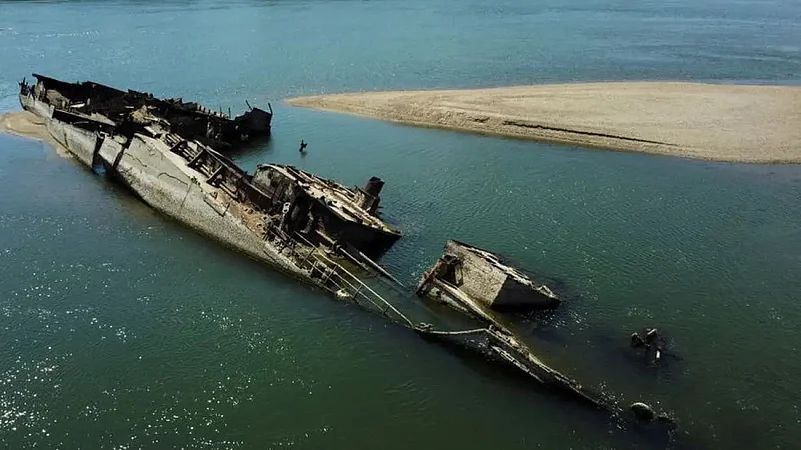



Gulf Maritime Crisis Escalates | Shipping Disruptions Impact Cross-Border Logistics
- US-Iran tensions threaten critical shipping lanes; sellers face 15-25% freight cost increases and 2-4 week delivery delays on Asia-US routes



Overview
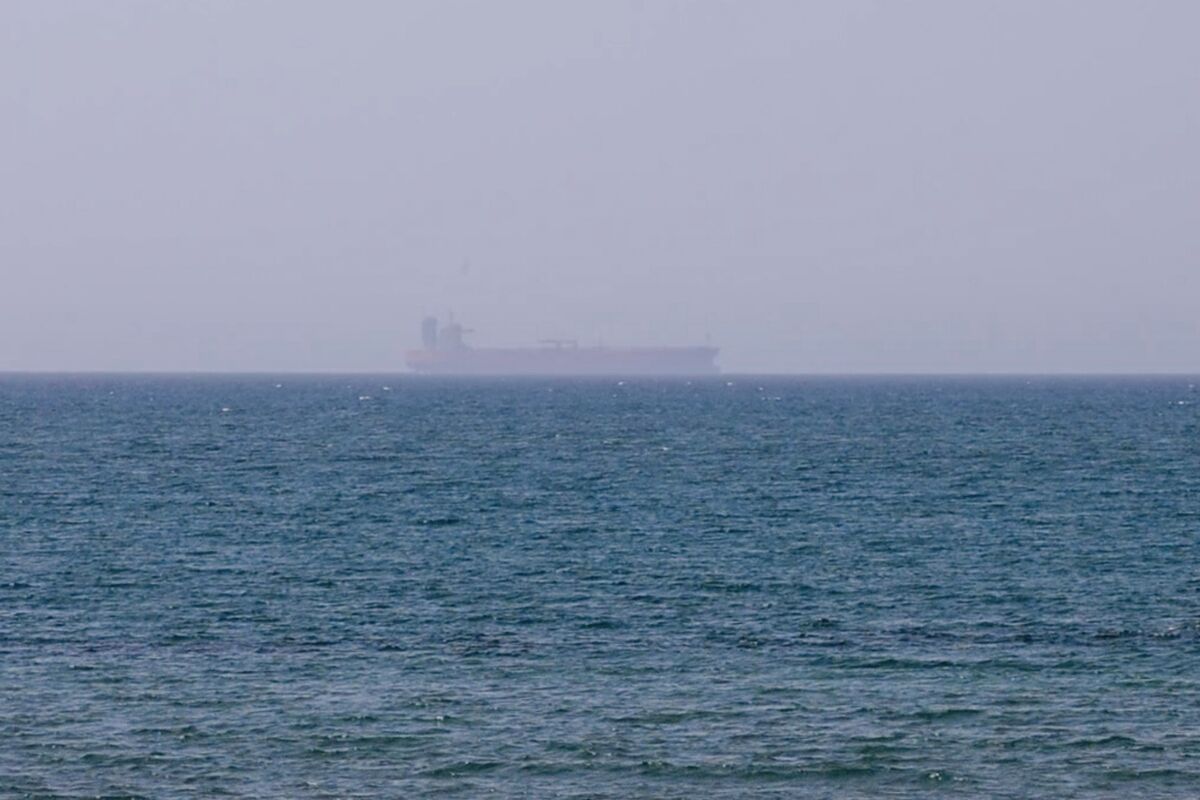
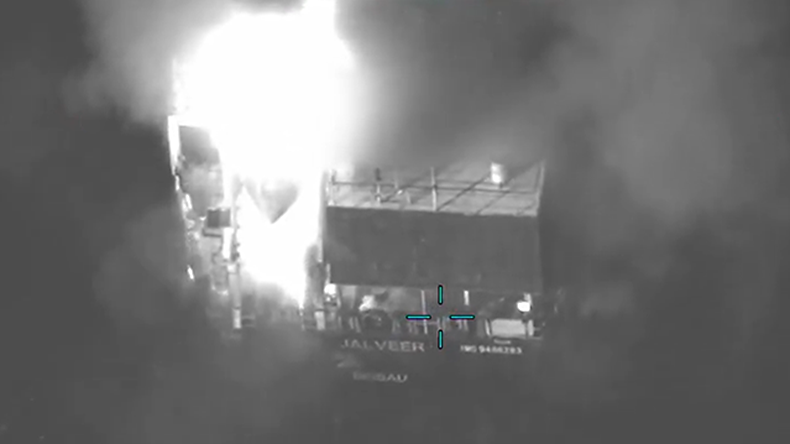
The fatal US military strike on the MT Settebello oil tanker in the Gulf of Oman—killing three Indian sailors including 15-year veteran Patnala Suresh—represents a critical escalation in geopolitical tensions affecting global maritime commerce. This incident directly impacts cross-border e-commerce sellers who depend on reliable shipping through the Strait of Hormuz, one of the world's most critical trade corridors handling approximately 21% of global petroleum and 30% of liquefied natural gas shipments. The strike, conducted as part of Washington's enforcement of Iran-linked shipping blockades, has triggered immediate concerns about maritime safety and operational disruptions that ripple across supply chains serving Amazon FBA, Shopify, and eBay sellers.
Immediate Shipping Impact: The incident creates a cascading effect on cross-border logistics. Sellers sourcing products from India, China, and Southeast Asia to US and EU markets face elevated freight costs as shipping companies demand hazard premiums (typically 8-15% surcharges) for Gulf transit. The MT Settebello incident—combined with ongoing Houthi attacks and US military enforcement actions—has already prompted major carriers like Maersk and MSC to reroute vessels around Africa's Cape of Good Hope, adding 10-14 days to Asia-US transit times and increasing fuel costs by $2,000-5,000 per container. For sellers managing inventory on Amazon FBA with 30-45 day replenishment cycles, these delays compress margins and risk stockouts during peak selling seasons.
Regional Supply Chain Vulnerability: India's strong diplomatic protest and demand for an end to attacks signals potential policy responses that could further restrict shipping through the region. Indian maritime workers—critical to global shipping operations—face heightened safety concerns, potentially reducing crew availability and increasing labor costs. For sellers sourcing from Indian manufacturers (textiles, electronics, pharmaceuticals), this creates supply chain friction. The incident also highlights vulnerability in the India-US trade corridor, which generated $191 billion in bilateral trade in 2023. Sellers relying on Indian suppliers for categories like apparel, home goods, and electronics components should diversify sourcing or negotiate force majeure clauses with suppliers.
Strategic Seller Implications: The broader geopolitical context—US enforcement of Iran sanctions through military action—suggests sustained shipping disruptions rather than isolated incidents. Sellers should evaluate 3PL providers with alternative routing capabilities, consider nearshoring strategies (Mexico for US sellers, Eastern Europe for EU sellers), and build 20-30% safety stock for high-velocity SKUs. The incident also creates opportunities in maritime safety products, insurance services, and supply chain visibility tools—categories where demand typically spikes 40-60% during shipping crises.