


Belfast Anti-Immigrant Riots June 2026 | Social Media Coordination & Civil Unrest Risk for UK Sellers
- Organized violence targets minority-owned businesses; 200+ families evacuated; AI-generated lists coordinate protests across UK; third consecutive summer of escalating riots



Overview
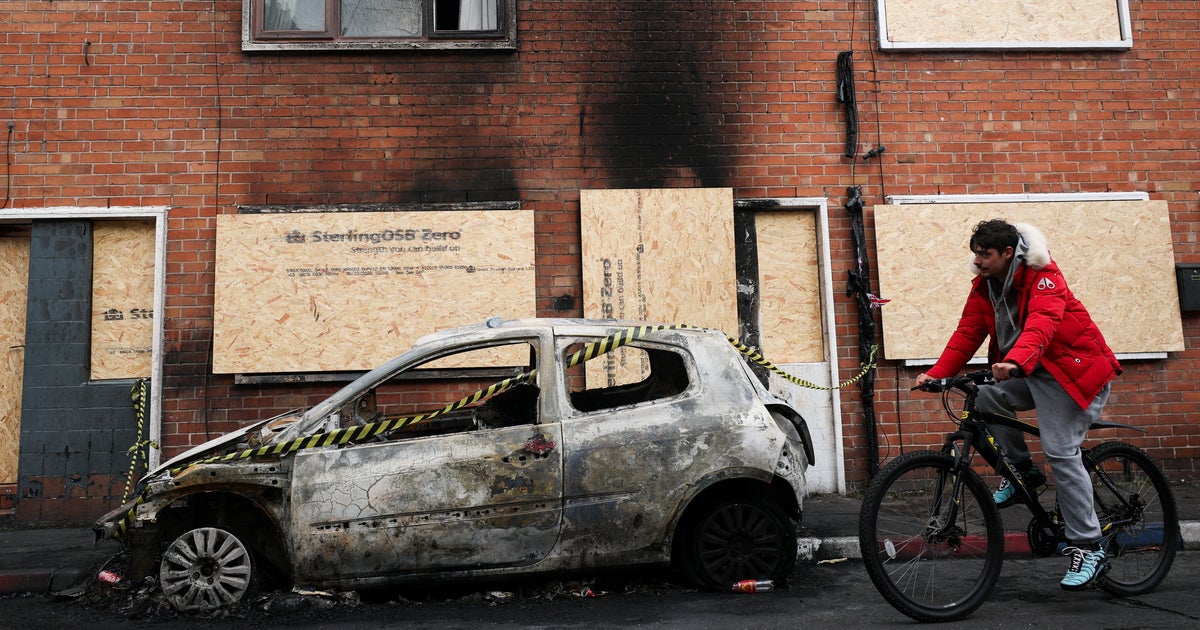
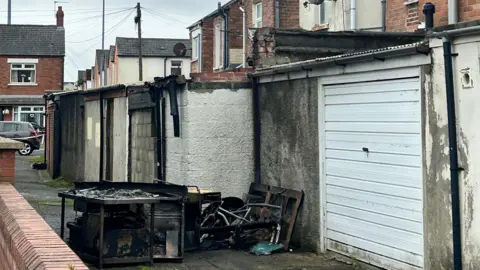
Belfast experienced severe organized anti-immigrant riots in June 2026 following a knife attack, with AI-generated social media lists coordinating large-scale civil unrest targeting minority-owned businesses. The violence escalated rapidly after prominent figures including Tommy Robinson and Elon Musk circulated lists calling for business closures and coordinated protests across the United Kingdom. Hundreds of rioters, including children aged 10-13, marched through east Belfast's Lower Newtownards Road, setting vehicles ablaze, vandalizing properties, and targeting homes and businesses believed to be owned by ethnic minorities. Approximately 200 families were evacuated, with Northern Ireland's Housing Executive assisting 29 households. This represents the third consecutive summer of organized racist violence in Northern Ireland, with each outbreak more severe than previous incidents.
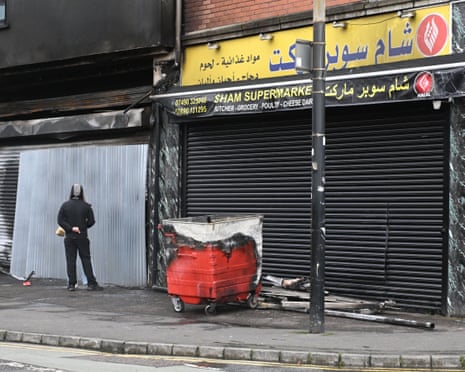
For cross-border sellers, this event signals critical operational and market risks in the UK region. The riots demonstrate how digital coordination can rapidly mobilize large-scale civil unrest, creating supply chain disruptions, logistics delays, and market access challenges. Sellers with inventory, fulfillment centers, or business operations in Northern Ireland face potential property damage, staff safety concerns, and temporary market shutdowns. The violence specifically targeted halal butcher shops and businesses perceived as minority-owned, indicating sectarian targeting of specific product categories and seller demographics. With only 3.4% of Northern Ireland's 1.9 million population identifying as ethnic minority and just 2,379 asylum seekers in the region, the disproportionate violence reveals how small demographic shifts can trigger organized backlash—a pattern relevant to sellers operating in communities experiencing rapid demographic change.
The social media coordination aspect presents broader platform risk. AI-generated lists circulated by high-profile figures effectively mobilized hundreds of participants and "shut down the region's largest city" according to the Victims' Commissioner, demonstrating how platform algorithms and influential accounts can rapidly escalate civil unrest. Sellers relying on social media marketing, customer engagement, or platform-based logistics in affected regions face operational disruptions. The government's failure to treat the violence as domestic terrorism suggests regulatory response gaps, creating uncertainty around business protection and insurance coverage. Political fragmentation—with Sinn Féin leaders effective at calming tensions while DUP politicians defended protests as addressing "legitimate immigration concerns"—indicates sustained political polarization that could trigger future incidents. Sellers should monitor regional political developments, assess supply chain vulnerability in Northern Ireland and broader UK markets, and consider contingency planning for social unrest-driven logistics disruptions.
Questions 8
How does political fragmentation affect long-term business stability in Northern Ireland?
Political responses varied significantly, with Sinn Féin leaders considered effective at calming tensions while DUP politicians defended the protests as addressing 'legitimate immigration concerns.' This fragmentation suggests sustained political polarization that could trigger future incidents. Sellers should monitor regional political developments and assess whether political leadership can prevent escalation. The pattern of three consecutive summers of worsening violence despite political responses indicates that current governance approaches may be insufficient. Sellers should consider whether Northern Ireland represents a stable long-term market or whether escalating unrest will create persistent operational challenges requiring market exit or significant contingency investment.
What are the insurance and liability implications for sellers with operations in affected areas?
The government's failure to treat the violence as domestic terrorism creates regulatory uncertainty around business protection, insurance coverage, and liability claims. Sellers with property damage, inventory loss, or business interruption in affected areas may face complications filing insurance claims if authorities don't classify the violence as terrorism or organized crime. This suggests sellers should review insurance policies for civil unrest coverage, document all incidents, and consult legal counsel on liability exposure. The pattern of three consecutive summers of escalating violence indicates sustained risk rather than one-off incident, making comprehensive risk assessment and insurance review urgent priorities.