


Japan's H3 Rocket Success Signals Satellite Tech Boom | Seller Opportunities in Space-Grade Electronics & IoT
- Japan's successful June 12, 2026 H3 launch restores independent space access, accelerating satellite demand and creating supply chain opportunities for electronics sellers in Asia-Pacific and globally



)






Overview
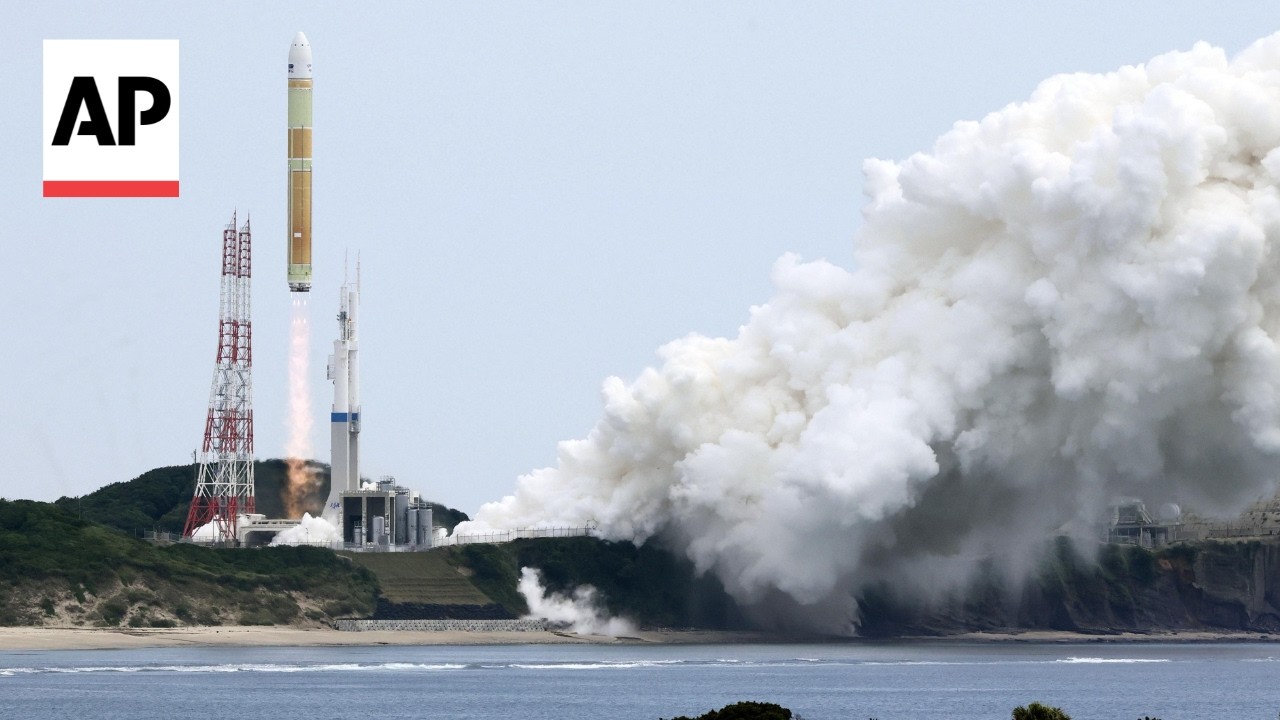
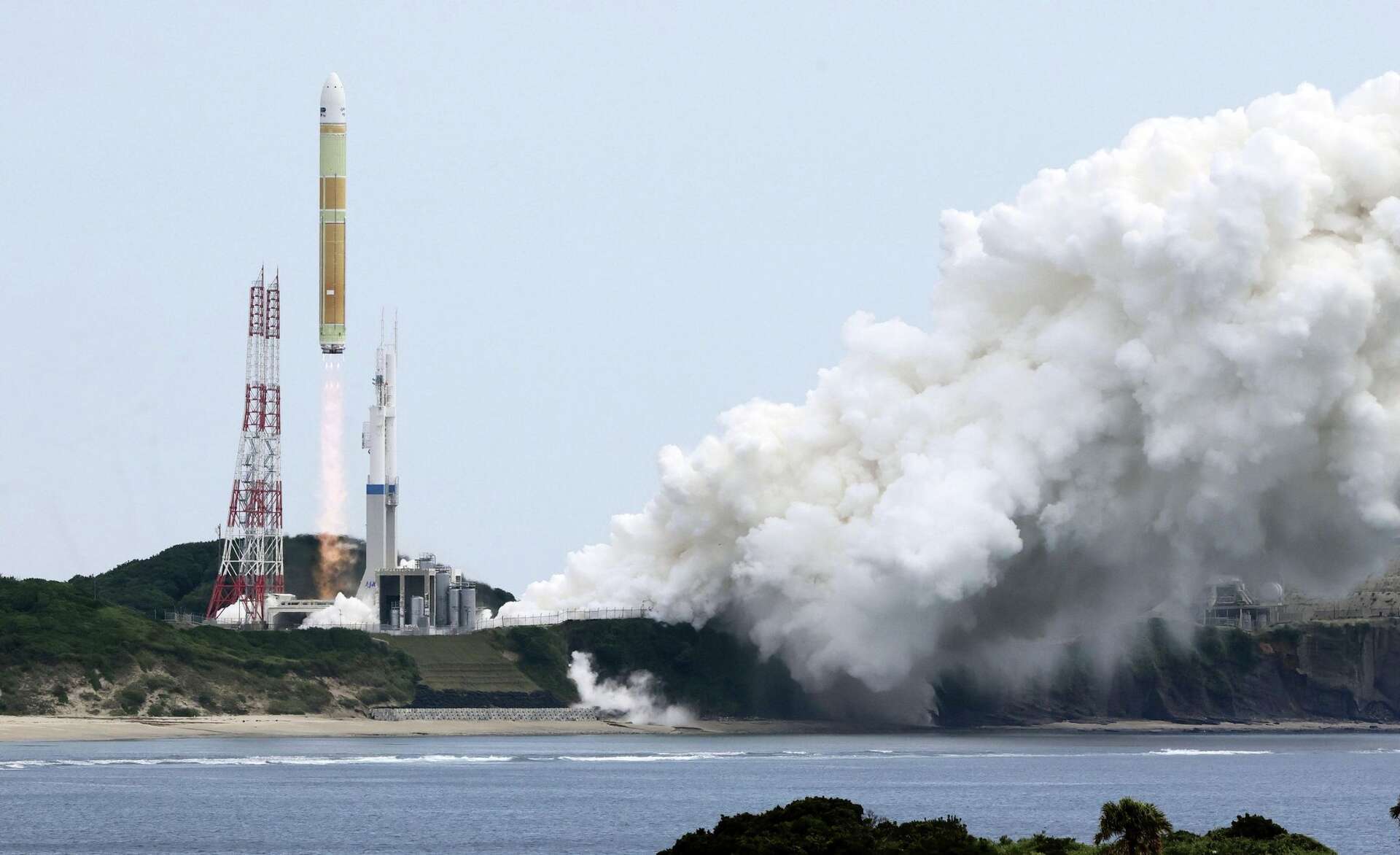
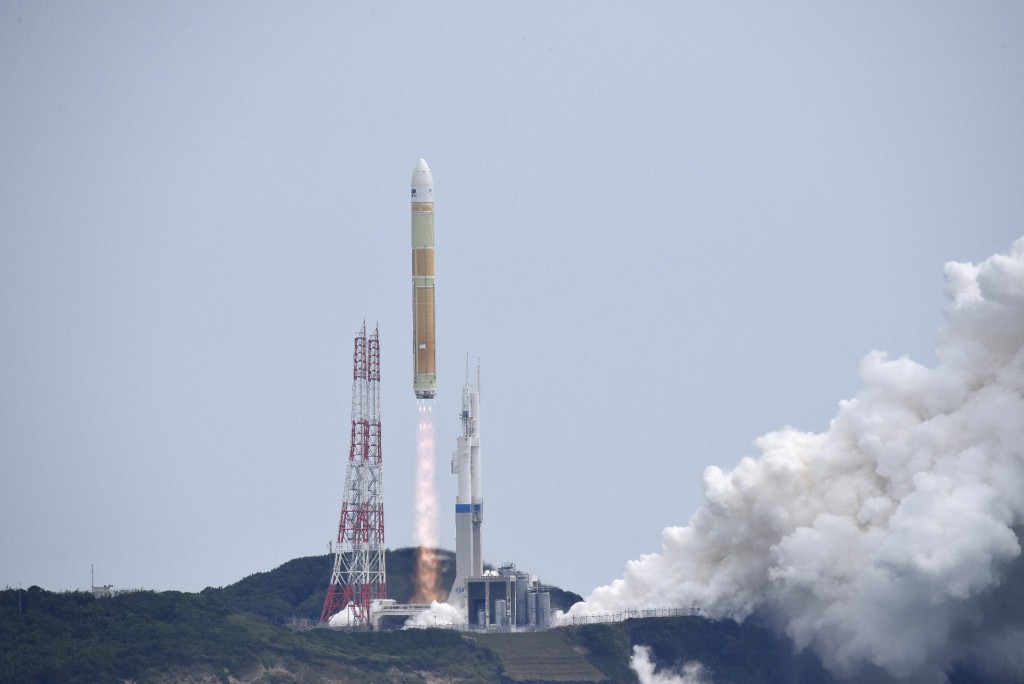
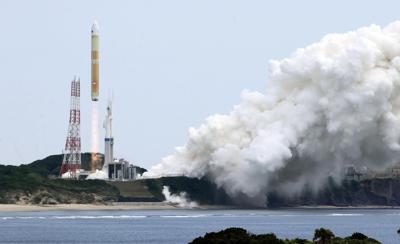
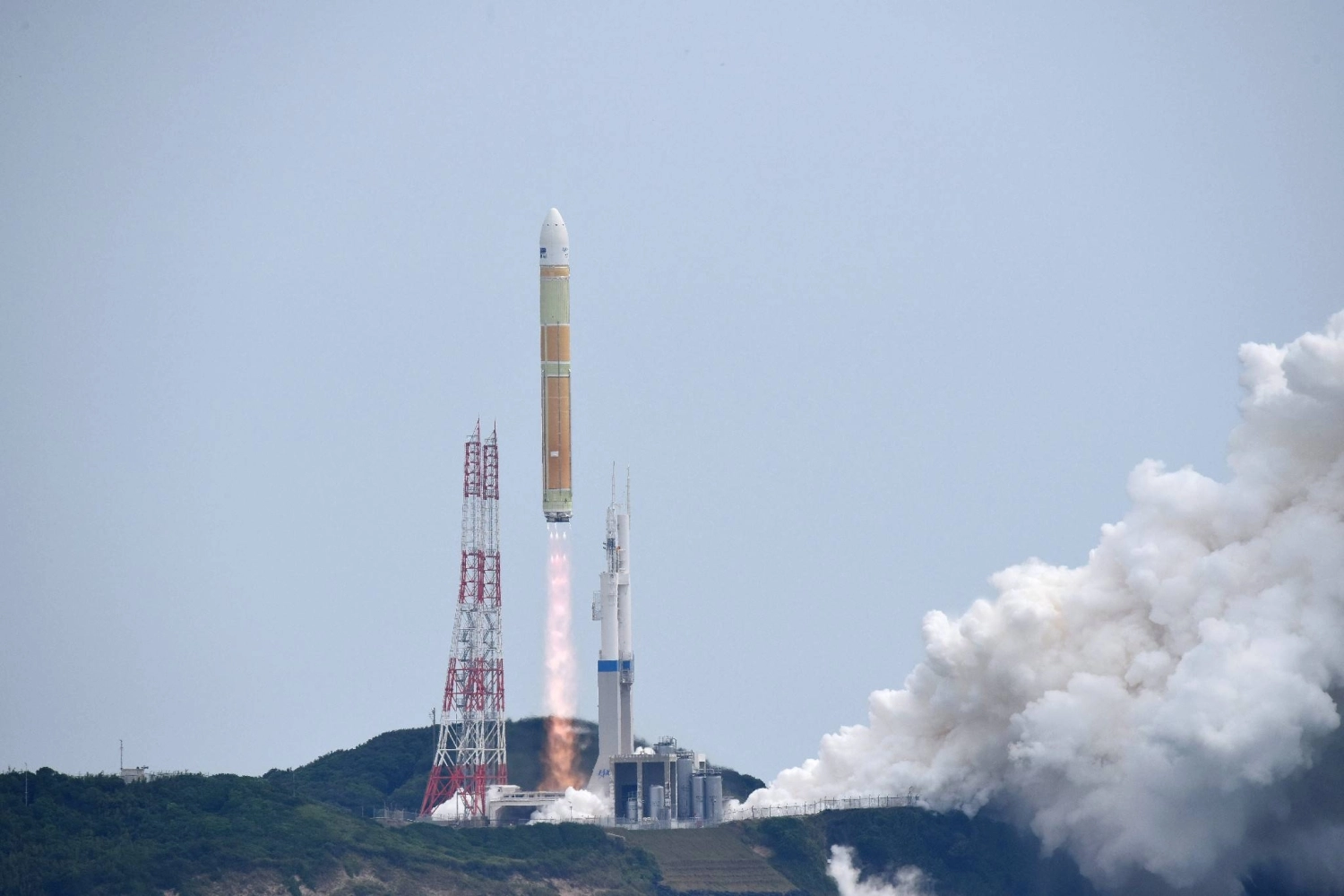
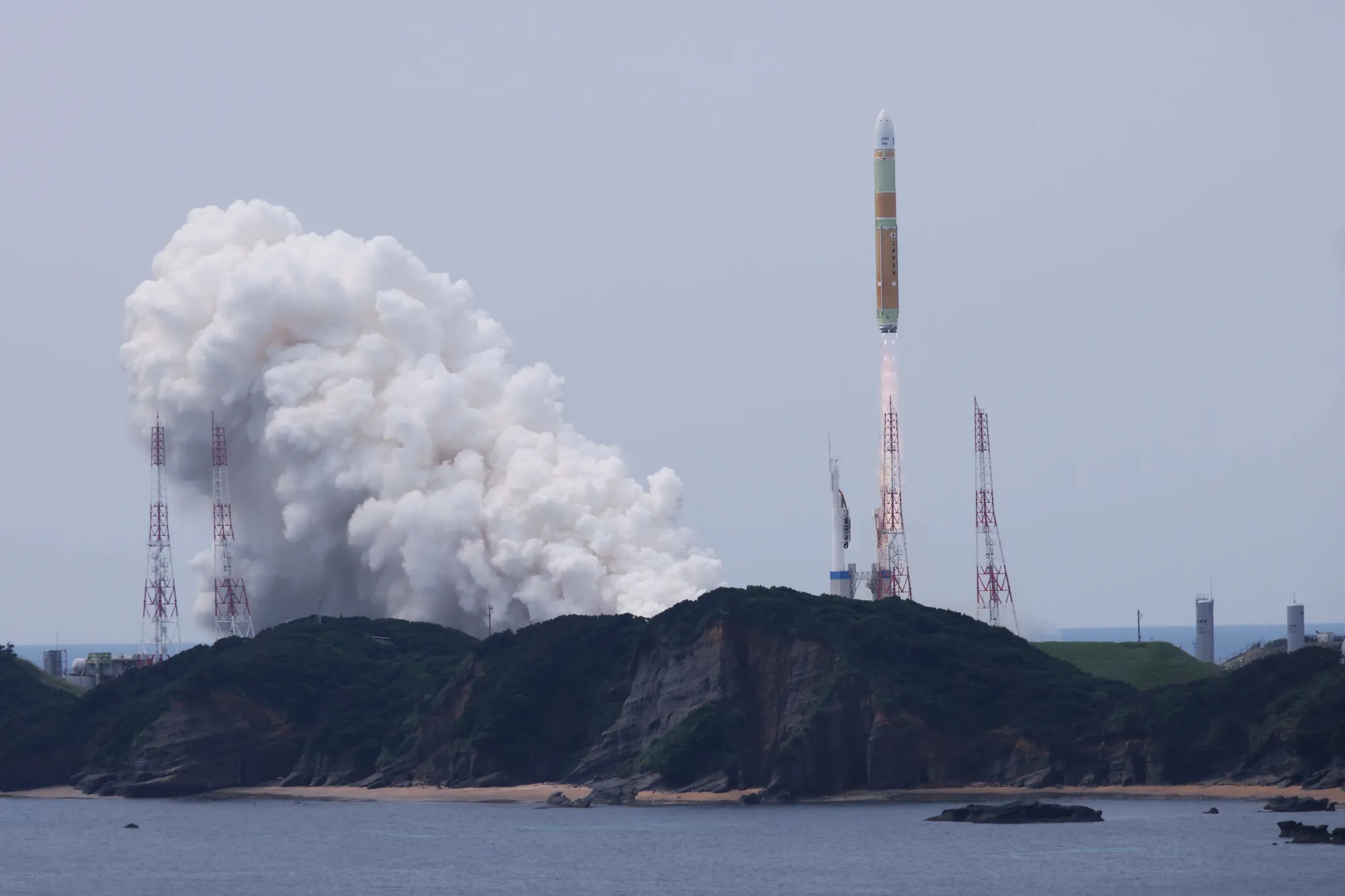
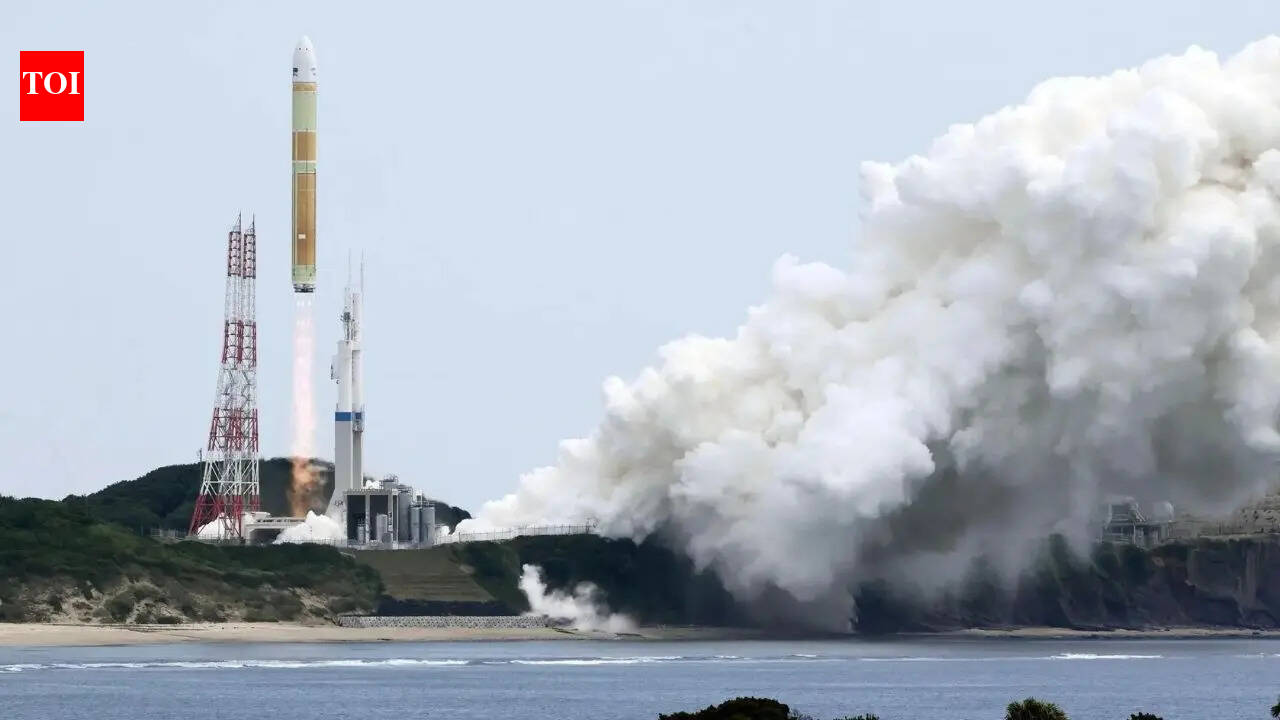
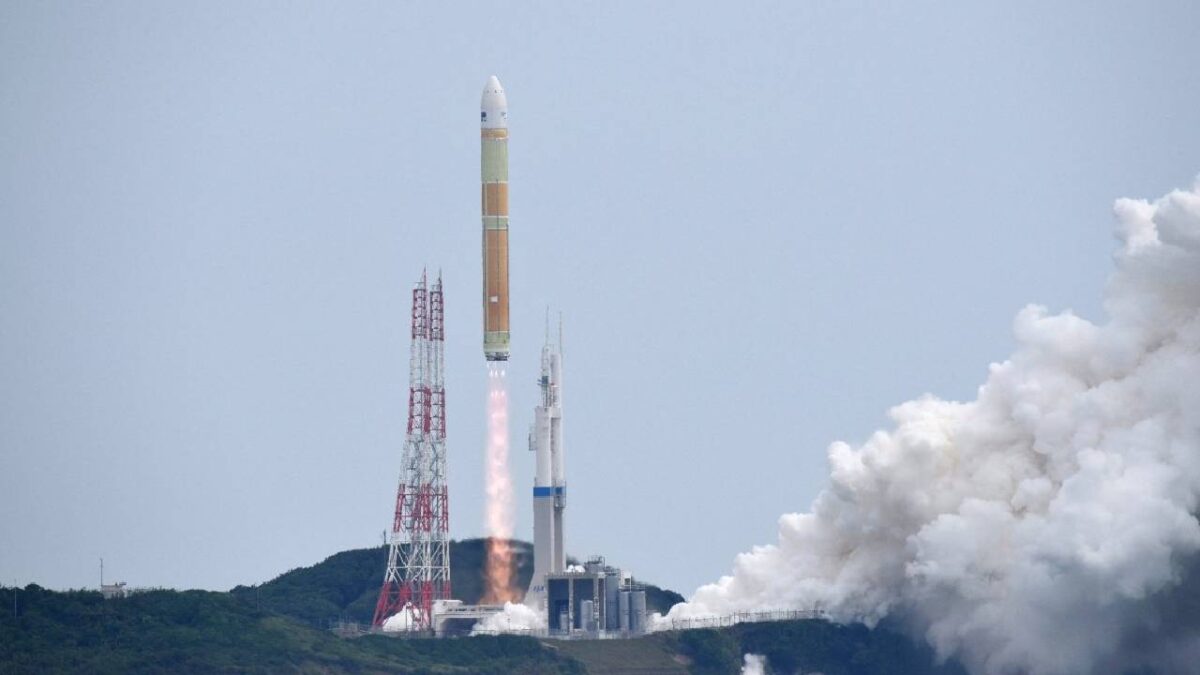
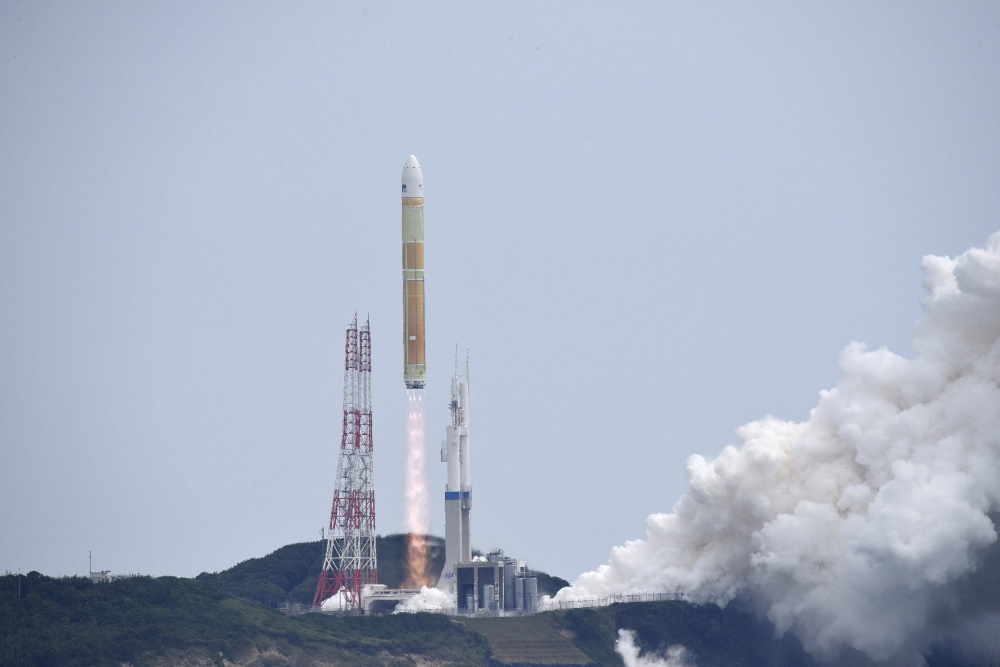
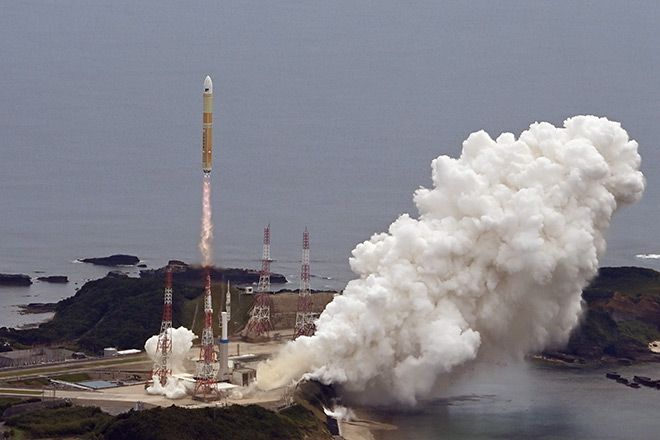
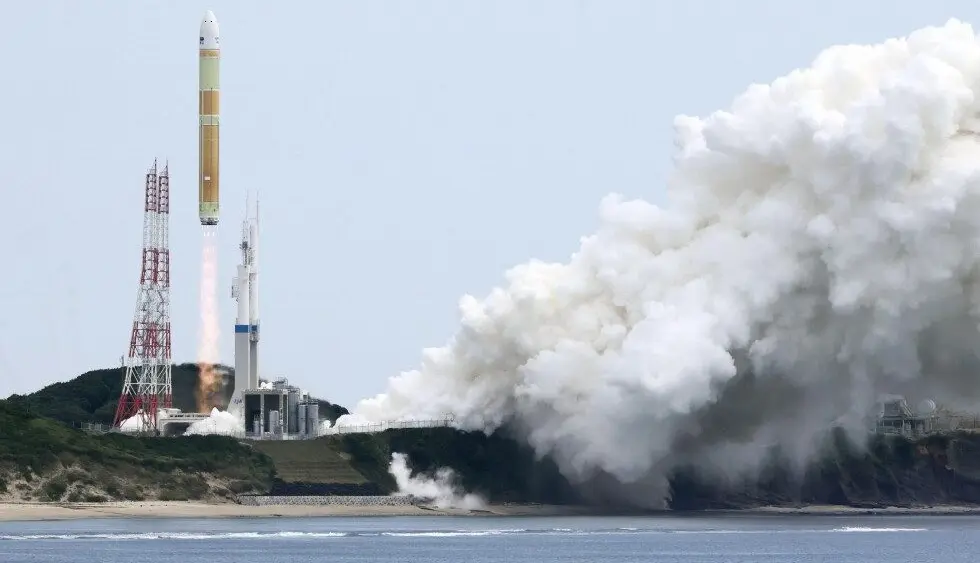
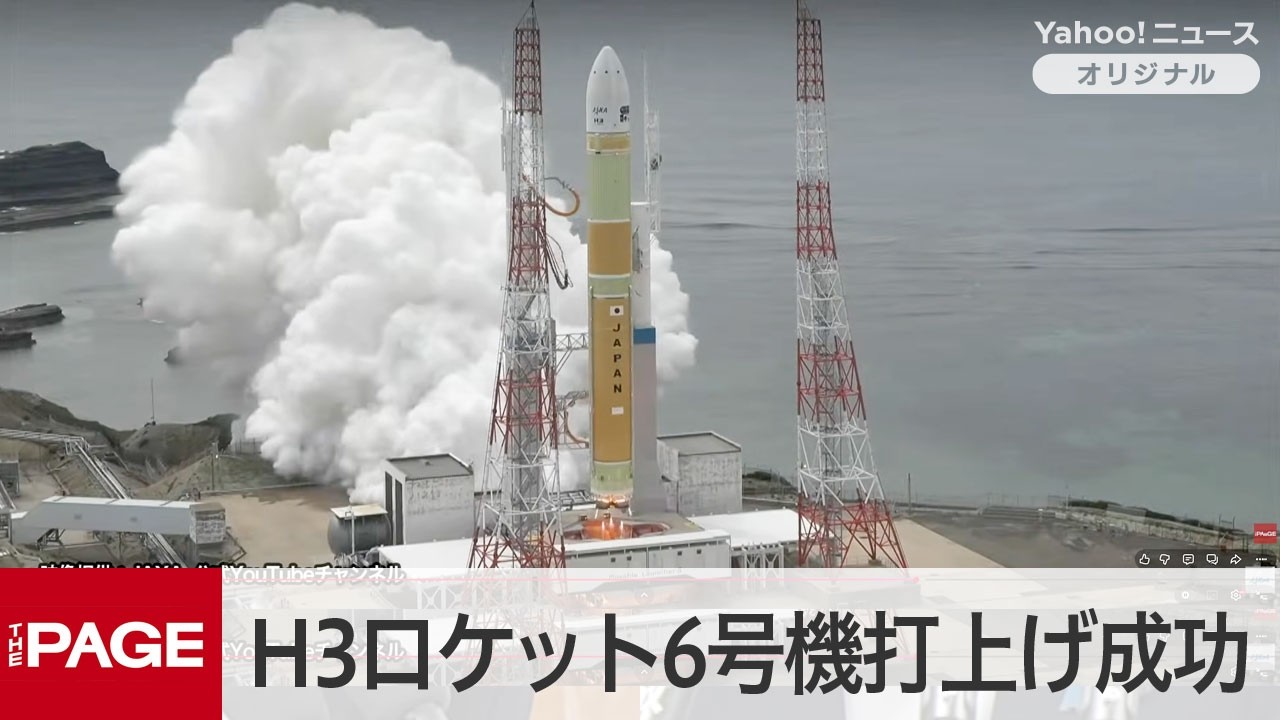
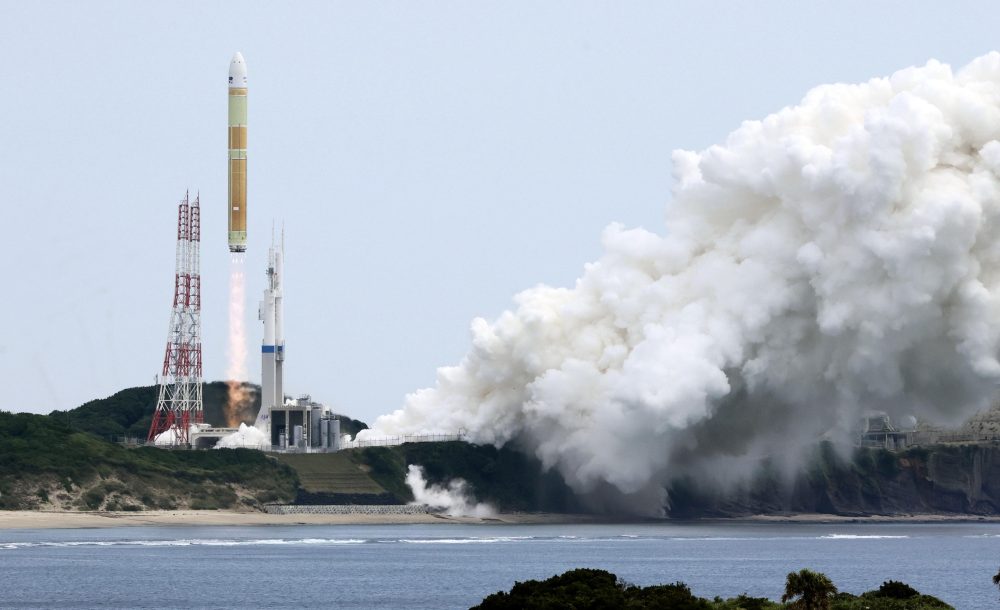
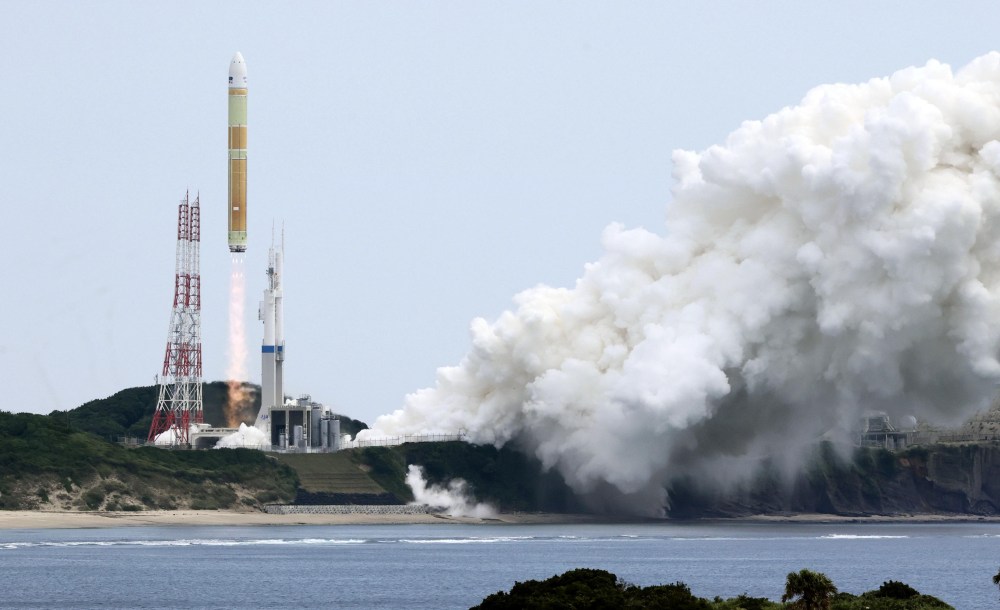
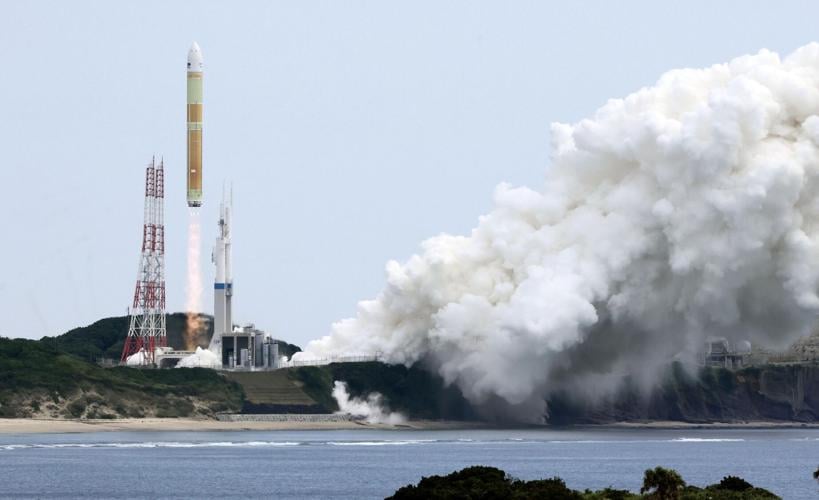
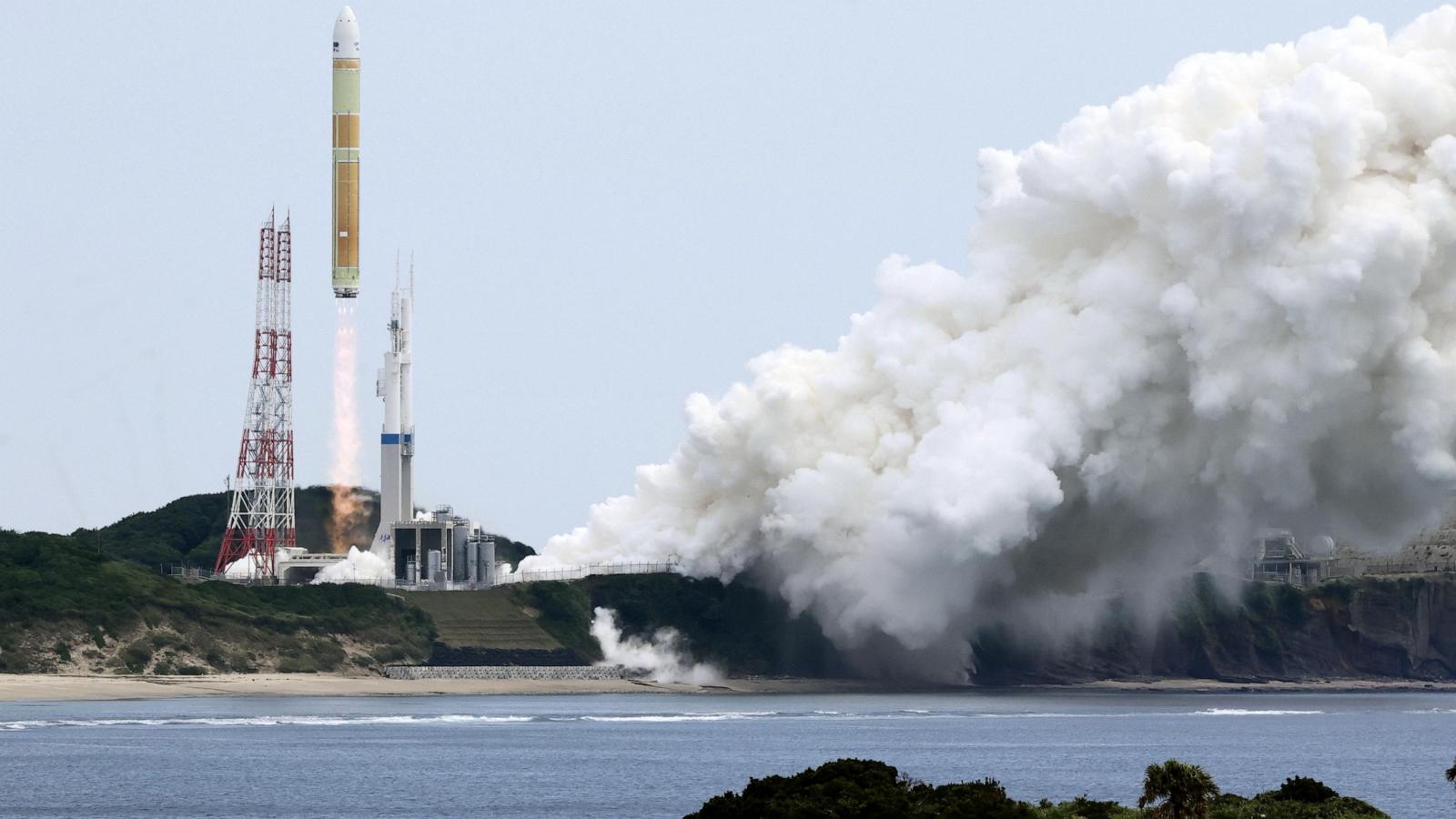
Japan's successful H3 rocket launch on June 12, 2026, marks a critical inflection point for the global satellite and space technology supply chain—with direct implications for cross-border electronics sellers. JAXA's recovery from the December 2025 failure in just 6 months (vs. 11 months for the H2A program) demonstrates accelerated problem-solving capabilities and renewed confidence in Japan's space infrastructure. The H3's new "30 configuration"—a booster-free, liquid-fuel-only variant designed as the lowest-cost model in the series—signals a strategic pivot toward affordability and commercial viability, directly competing with SpaceX and other international providers.
For e-commerce sellers, this development unlocks three critical market opportunities. First, the expanded satellite deployment pipeline creates demand for specialized electronics components: high-reliability semiconductors, optical sensors, thermal management systems, and radiation-hardened microcontrollers used in satellite payloads. Japanese electronics manufacturers and their supply chain partners (many operating through cross-border channels) will see increased procurement for microsatellite missions. The news confirms JAXA's ambitious fiscal 2026 calendar includes Michibiki No. 7, HTV-X cargo vehicles, and the Martian Moons eXploration probe—all requiring specialized components. Second, the success validates Japan's position as a reliable space technology hub, strengthening demand for Japanese-origin electronics and precision instruments globally. Sellers specializing in industrial electronics, IoT sensors, and high-spec components can leverage Japan's renewed credibility to capture market share from competitors. Third, the recovery timeline (6 months vs. 11 months historically) indicates operational efficiency improvements that will accelerate satellite production cycles, creating sustained demand spikes rather than episodic procurement.
The competitive context amplifies seller opportunities. With Japan now demonstrating three H3 variants (22, 24, and 30 configurations) differentiated by capacity and cost, Mitsubishi Heavy Industries and JAXA are positioning for increased commercial orders. This directly increases demand for supply chain partners—including electronics component suppliers, materials vendors, and precision manufacturers. Sellers in Asia-Pacific regions (particularly those with Japan-based sourcing) can capitalize on the supply chain acceleration. Additionally, the successful deployment of six microsatellites (including ocean observation and space debris removal payloads) validates emerging satellite applications, signaling growth in specialized sensor markets and IoT-enabled space technology—categories where cross-border sellers can establish early-mover advantage.
Questions 7
What product categories benefit most from Japan's renewed space launch capability?
Three categories see immediate opportunity: (1) Radiation-hardened microcontrollers and semiconductors for satellite electronics; (2) Optical sensors and imaging components (validated by the Umitsubame ocean observation satellite deployment); (3) IoT and space debris removal technology components (demonstrated by Shizuoka University's Shiraito satellite). Sellers with existing inventory in industrial electronics, precision sensors, or aerospace-grade components can position these products for increased B2B demand from Japanese space contractors and international satellite manufacturers.
How does Japan's H3 rocket success impact electronics component demand for sellers?
Japan's successful H3 launch on June 12, 2026, directly increases demand for specialized electronics used in satellite payloads—including radiation-hardened semiconductors, optical sensors, and thermal management systems. JAXA's ambitious fiscal 2026 calendar (Michibiki No. 7, HTV-X cargo, Martian Moons probe) signals sustained procurement cycles. Sellers specializing in industrial electronics and high-spec components can expect increased orders from Japanese manufacturers and their supply chain partners. The 6-month recovery timeline (vs. 11 months historically) indicates accelerated production cycles, creating more frequent demand spikes rather than episodic purchasing patterns.