



International Terrorism Investigation Impacts Cross-Border Seller Operations in Canada-US Trade Corridor
- Toronto police raid linked to March 2026 U.S. Consulate shooting; heightened security protocols affecting logistics, compliance, and seller operations across Canada-US border










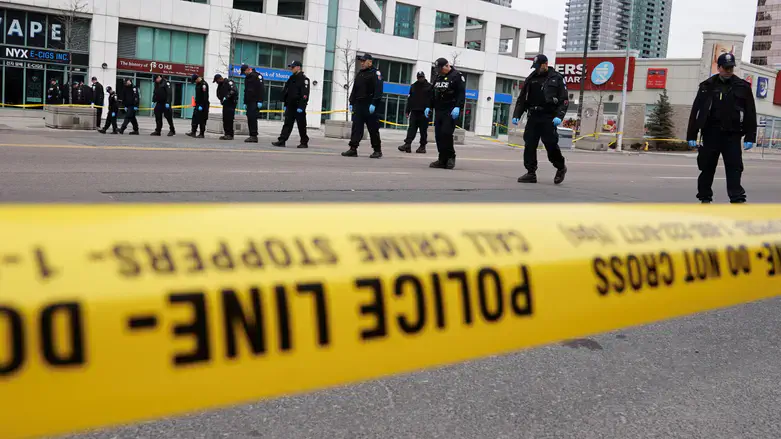


Overview
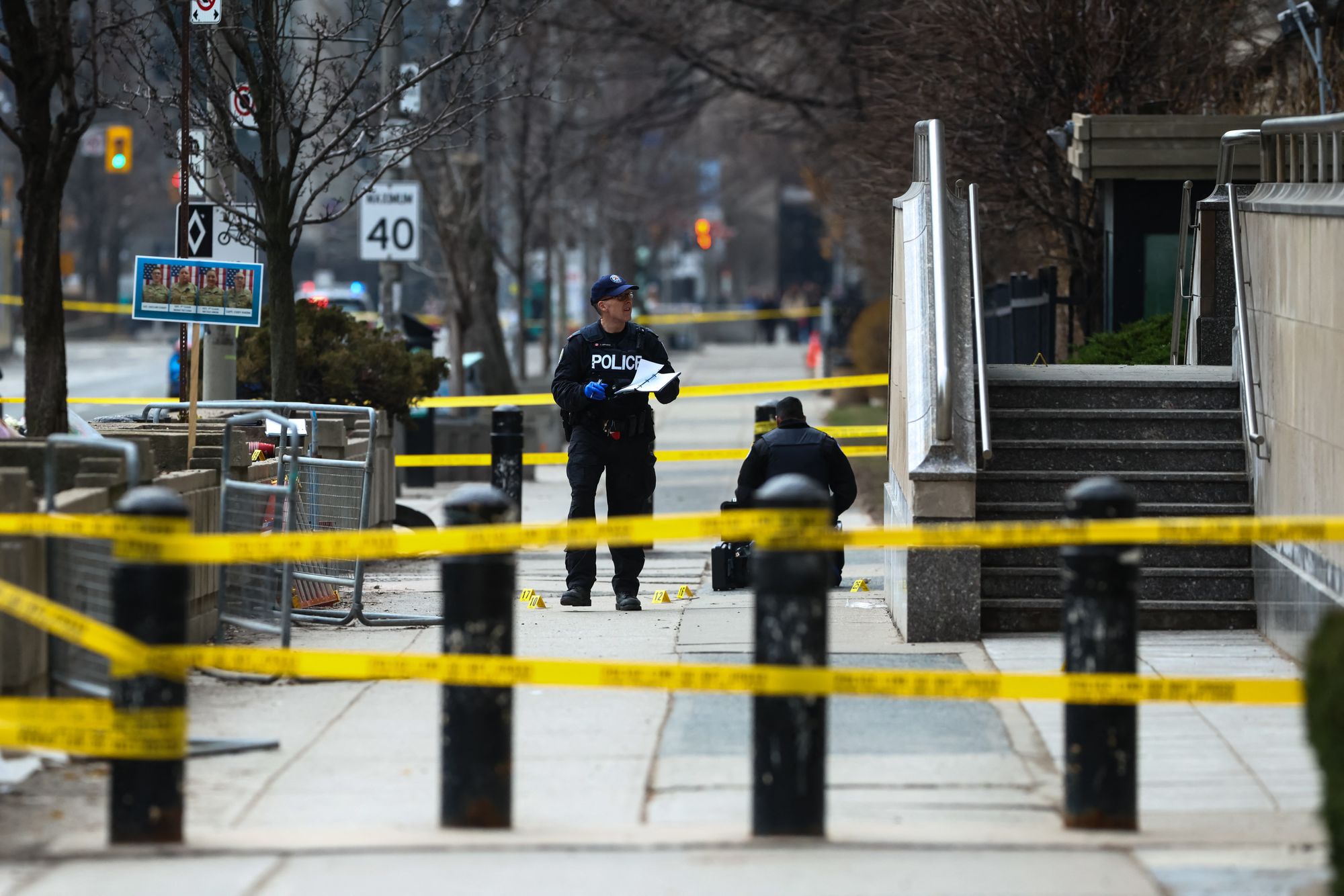
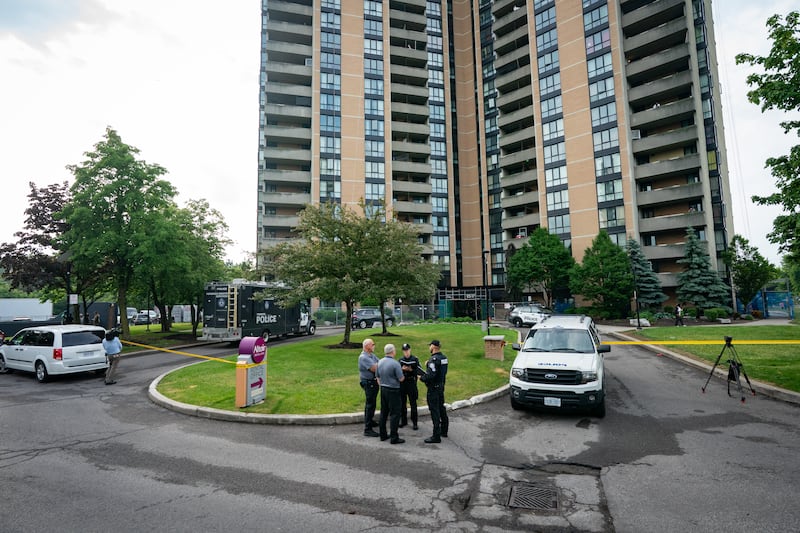
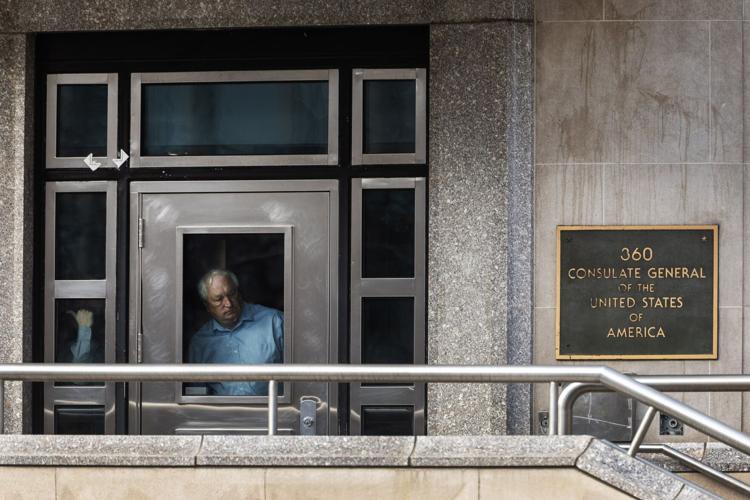
The March 2026 U.S. Consulate shooting in Toronto and subsequent international terrorism investigation represent a critical operational disruption for cross-border e-commerce sellers operating in the Canada-US trade corridor. The arrest of Mohammad Baqer Saad Dawood Al-Saadi, a 32-year-old alleged Iraqi terrorist facing six terrorism-related charges in Manhattan court, and the fatal police raid in Toronto on Thursday morning signal intensified security protocols that will directly impact seller logistics, customs clearance timelines, and compliance requirements.
Immediate Operational Impact: The coordination between Canadian and U.S. law enforcement agencies investigating terrorism-related activities will likely trigger enhanced screening procedures at border crossings, particularly for shipments transiting through Toronto and surrounding regions. Sellers using 3PL providers or FBA fulfillment centers near the U.S. Consulate area should expect 2-5 day delays in customs clearance as authorities implement heightened security measures. The investigation's international scope—with Al-Saadi linked to dozens of attacks globally and operatives allegedly stationed in Canada—suggests sustained elevated security posture rather than temporary disruption.
Seller Segment Exposure: Small to mid-sized sellers (annual revenue $500K-$5M) shipping electronics, apparel, and home goods from Canadian warehouses to U.S. Amazon FBA facilities face the highest risk. These sellers typically operate on 10-15% margins with 3-4 week fulfillment cycles; additional 2-5 day delays compress margins by $50-200 per shipment. Large sellers with diversified fulfillment networks (multiple U.S. warehouses) can mitigate by rerouting inventory away from Toronto-area facilities, though this increases logistics costs by 8-12%.
Compliance and Documentation: The ongoing investigation involving multiple jurisdictions creates ambiguity around customs documentation requirements. Sellers must ensure all shipments include detailed product manifests, supplier certifications, and origin documentation. The case highlights operational risks in international terrorism investigations—the officer's death during the raid underscores law enforcement's heightened operational tempo, which translates to more frequent inspections and stricter documentation standards for cross-border commerce.
Strategic Considerations: Sellers should monitor official announcements from Canada Border Services Agency (CBSA) and U.S. Customs and Border Protection (CBP) for specific guidance. The investigation's development will determine whether security measures become permanent infrastructure or temporary protocols. Historical precedent suggests similar international terrorism investigations result in 6-12 month elevated security periods, affecting Q2-Q3 2026 selling seasons when cross-border volume peaks.
Questions 7
How will the Toronto terrorism investigation affect my cross-border FBA shipments?
The international investigation into the March 2026 U.S. Consulate shooting will likely trigger 2-5 day delays in customs clearance for shipments transiting through Toronto and surrounding border regions. Canada Border Services Agency (CBSA) and U.S. Customs and Border Protection (CBP) will implement enhanced screening procedures as part of the multi-jurisdictional probe involving Canadian and U.S. law enforcement. Sellers using Toronto-area 3PL providers or FBA fulfillment centers should expect increased documentation requirements and more frequent inspections. Monitor official CBSA and CBP announcements for specific guidance, and consider rerouting inventory to alternative U.S. fulfillment centers if delays exceed 5 days consistently.
Should I shift inventory away from Toronto-area fulfillment centers?
Yes, if you operate on tight margins (under 15%) or rely heavily on Toronto-area 3PL providers. Rerouting inventory to alternative U.S. fulfillment centers increases logistics costs by 8-12% but eliminates 2-5 day customs delays. Small sellers ($500K-$5M annual revenue) should prioritize this shift immediately, as each delayed shipment costs $50-200 in margin compression. Large sellers with diversified fulfillment networks can absorb delays more easily. However, the investigation's international scope suggests elevated security will persist for 6-12 months, making relocation a strategic investment rather than temporary measure. Calculate your break-even point: if you ship 100+ units monthly through Toronto, relocation typically pays for itself within 60-90 days.