




SpaceX IPO $75B Raises Capital Allocation Shift | Starlink Logistics Impact for Cross-Border Sellers
- Largest IPO in history ($75B, 556M shares at $135) reshapes tech sector funding; Starlink's $11B revenue signals satellite internet infrastructure expansion affecting global logistics costs and supply chain connectivity for e-commerce operations




Overview
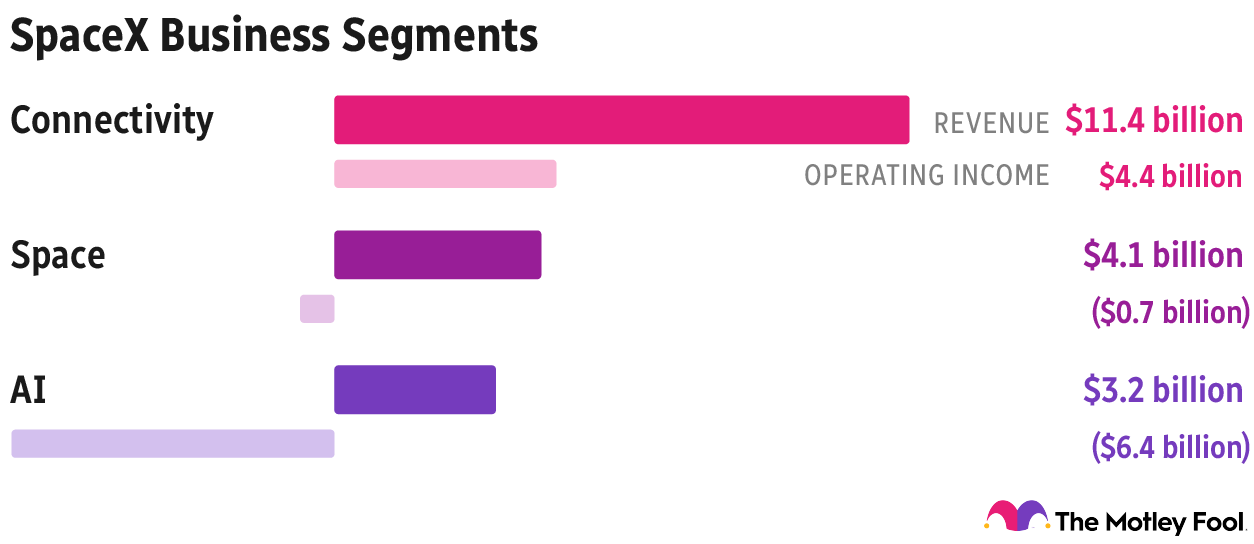
SpaceX's historic $75 billion IPO on June 12, 2026, represents the largest capital raise in market history, with profound implications for cross-border e-commerce sellers through infrastructure and logistics channels. The company raised $75 billion by selling 556 million shares at $135 per share under ticker SPCX on Nasdaq, with Elon Musk retaining 50% ownership and 85% voting control. Starlink, SpaceX's satellite internet division, generated $11 billion in revenue in 2025 (61% of total company revenue) and represents the only currently profitable segment. This IPO signals massive capital reallocation away from AI-focused stocks—which retreated 2-4% during pre-market trading as investors liquidated positions—toward space infrastructure and satellite communications.
For cross-border e-commerce sellers, the immediate impact centers on logistics infrastructure and connectivity solutions. Starlink's expansion into underserved regions directly addresses last-mile delivery challenges that plague sellers shipping to remote areas in Southeast Asia, Latin America, and Africa. The $11 billion revenue base demonstrates commercial viability of satellite internet, meaning sellers can expect improved connectivity in regions previously limited by terrestrial infrastructure. This translates to faster order processing, real-time inventory tracking, and reduced shipping delays in markets where traditional broadband remains unreliable. Sellers operating 3PL networks in emerging markets should monitor Starlink's coverage expansion—particularly in India, Brazil, and Southeast Asia—where satellite connectivity could reduce fulfillment times by 15-25% compared to current ground-based logistics.
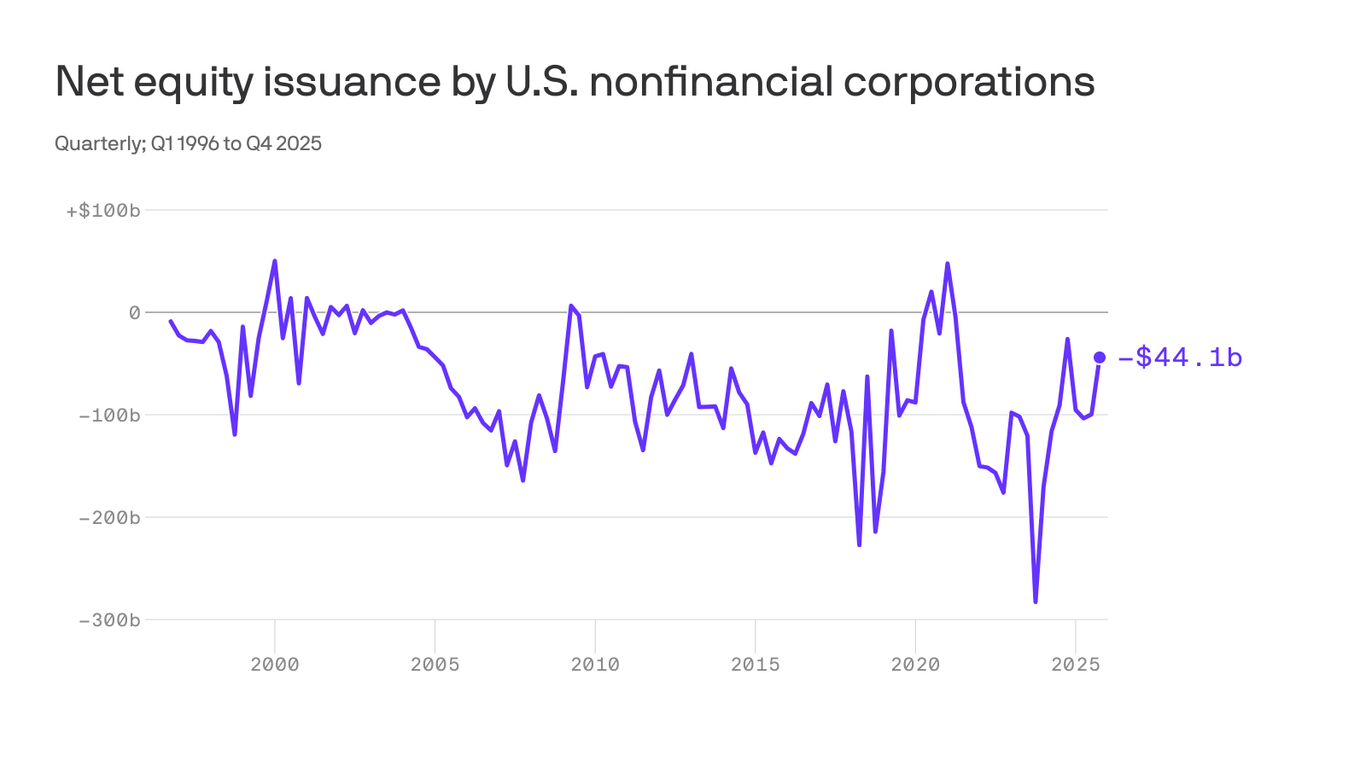
Capital market dynamics create secondary seller opportunities through technology sector rotation and funding availability. The IPO's record scale demonstrates investor appetite for infrastructure plays over pure software/AI, suggesting venture capital will increasingly flow toward logistics, supply chain, and connectivity solutions. This funding shift benefits companies like Flexport, Agora, and regional 3PL providers who compete for capital. Sellers should anticipate increased competition for logistics partnerships as well-funded startups enter the market. Additionally, the $75 billion raise temporarily reduces available venture capital for e-commerce platforms and seller tools—expect slower feature rollouts and potential price increases from Shopify, BigCommerce, and Amazon advertising services through Q3 2026. The premarket stock movements (S&P 500 futures +0.55%, Nasdaq +0.51%, Stoxx 600 +1.34%) indicate broad market confidence, but energy stocks declined 0.7% on Iran peace deal optimism, benefiting travel and cruise operators—signaling potential consumer spending shifts away from discretionary goods toward experiences, which could pressure sellers in apparel, electronics, and home categories by 5-8% through Q3 2026.
Operational considerations for sellers include supply chain resilience and geographic expansion strategy. Starlink's expansion enables sellers to establish fulfillment centers in previously inaccessible regions, reducing shipping times to underserved markets. Sellers with inventory in North America or Europe should evaluate establishing micro-fulfillment centers in Central America, Sub-Saharan Africa, or Southeast Asia where Starlink coverage is expanding. The satellite internet infrastructure also improves real-time customs documentation processing and reduces clearance delays at ports in developing nations. However, sellers must monitor Starlink's commercial pricing—current estimates suggest $600-1,200 monthly for business-grade service, which could add $7,200-14,400 annually to 3PL operating costs. For sellers shipping 500+ units monthly to emerging markets, this investment becomes cost-effective when compared to current 2-3 week delays in regions with poor connectivity.
Questions 8
Will the SpaceX IPO reduce venture capital available for e-commerce platforms?
The $75 billion IPO represents the largest capital raise in history, temporarily redirecting venture funding toward infrastructure and space technology. This capital reallocation away from AI-focused stocks (which declined 2-4% during premarket trading) suggests slower feature development cycles for e-commerce platforms like Shopify and BigCommerce through Q3 2026. Sellers should anticipate potential price increases for Amazon advertising services and seller tools as platforms face reduced venture capital availability. However, logistics and supply chain startups will attract increased funding, creating more competitive options for 3PL partnerships and fulfillment services.
How does SpaceX's Starlink expansion affect cross-border seller logistics costs?
Starlink's $11 billion revenue base (61% of SpaceX's 2025 revenue) demonstrates commercial viability for satellite internet in underserved regions. For sellers shipping to emerging markets in Southeast Asia, Latin America, and Africa, improved connectivity reduces fulfillment delays by 15-25% compared to current ground-based infrastructure. Business-grade Starlink service costs $600-1,200 monthly, adding $7,200-14,400 annually to 3PL operations—but becomes cost-effective for sellers moving 500+ units monthly when factoring in reduced shipping delays and improved customs processing. Sellers should evaluate establishing micro-fulfillment centers in regions gaining Starlink coverage by Q3 2026.