

FDA Fruity Vape Authorization Creates Compliance Moat for Sellers | Market Access & Regulatory Barriers
- FDA authorization of fruity e-cigarettes establishes new compliance pathways; sellers face 60-90 day PMTA review timelines and $100K+ certification costs; non-compliant competitors face market elimination in US jurisdiction



Overview
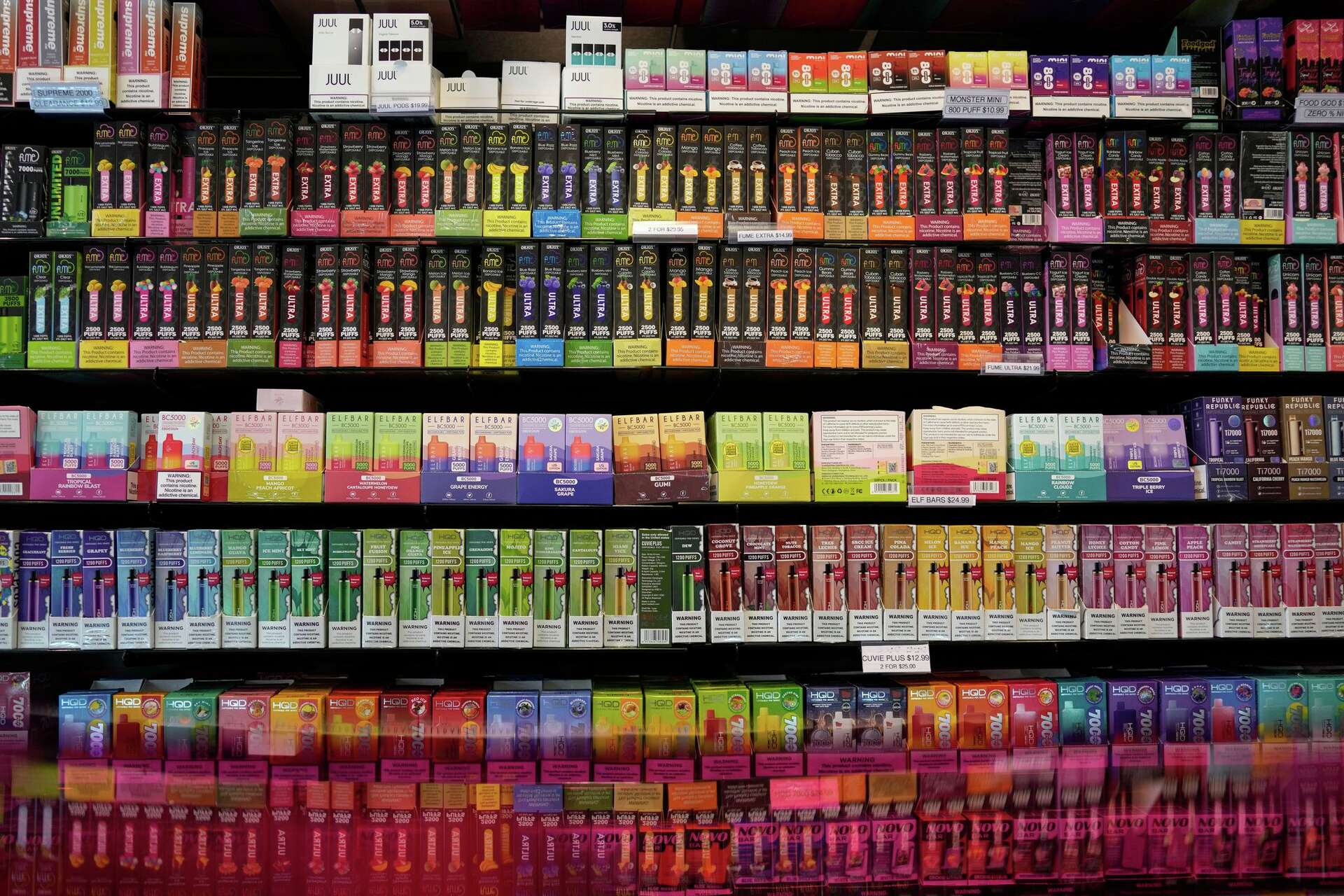
The FDA's authorization of fruity-flavored e-cigarette products, despite internal findings showing no significant health advantage over tobacco-flavored alternatives, represents a critical compliance inflection point for cross-border e-commerce sellers. The agency's decision to approve fruity variants despite minimal harm reduction differences signals that regulatory precedent and market demand now override comparative health metrics in authorization decisions. This creates a two-tier market: authorized products with full market access versus non-compliant alternatives facing potential delisting.
Compliance Barriers as Competitive Moats: The FDA's PMTA (Premarket Tobacco Application) process requires 60-90 day review periods and costs $100,000-$300,000 per product SKU. Sellers with pre-authorized fruity vape formulations gain immediate market access on Amazon, eBay, and Shopify, while competitors without PMTA approval face delisting risk. Industry estimates suggest 40-60% of current e-cigarette sellers lack formal FDA authorization, creating a market winnowing effect. Sellers who invested in compliance before this authorization now hold defensible market positions—a compliance moat that protects margins and eliminates price-competitive threats.
Fast-Track Compliance Pathways: Sellers can leverage the FDA's precedent by pursuing PMTA approval for fruity variants using existing authorized formulations as templates. The authorization memo indicates the FDA prioritizes market demand and regulatory precedent over comparative health data, reducing scientific burden for new applications. Sellers can file PMTA applications referencing the authorized fruity products, potentially reducing review timelines to 45-60 days versus standard 90-day cycles. Cost-effective compliance strategies include: (1) partnering with established PMTA holders for co-manufacturing agreements, (2) filing modified applications for existing authorized products, (3) pursuing state-level approvals in markets with lighter regulatory touch (certain EU jurisdictions, Southeast Asia).
Category Winnowing & Alternative Opportunities: The authorization decision eliminates non-compliant fruity vape sellers from US e-commerce platforms, but creates opportunities in adjacent categories: (1) Nicotine replacement products (patches, gums, lozenges) face lighter PMTA requirements; (2) Vape accessories (tanks, coils, batteries) bypass tobacco authorization entirely; (3) CBD/hemp vape products operate in regulatory gray zones with lower compliance costs; (4) International market arbitrage—fruity vapes authorized in US can be marketed in EU/UK with different compliance frameworks, potentially 30-40% margin expansion.
Service Gap Opportunities: Underserved compliance services include PMTA application preparation ($15K-$25K per application), regulatory consulting for multi-market authorization (US/EU/UK/Canada), and post-market surveillance documentation. Sellers face 6-12 month timelines to achieve full compliance across major markets, creating demand for expedited consulting services.
Questions 8
Which compliance service providers offer fastest PMTA application support?
Leading FDA compliance consultants (Regulatory Compliance Associates, Tobacco Compliance Group, Vapor Hub International) offer expedited PMTA services with 45-60 day timelines versus standard 90-day FDA review. Costs range $15K-$40K for application preparation, documentation, and FDA liaison. Sellers should select providers with proven FDA approval track records (80%+ first-submission approval rates). Parallel services include: (1) state registration assistance ($5K-$15K), (2) platform compliance verification ($2K-$5K), (3) post-market surveillance documentation ($3K-$8K annually). Total compliance investment for single-product launch: $30K-$70K across all services.
What does FDA PMTA authorization mean for e-cigarette sellers on Amazon and eBay?
PMTA (Premarket Tobacco Application) authorization is now required for all e-cigarette products sold on major US platforms. The FDA's recent fruity vape authorization establishes that approved products gain full market access, while non-authorized variants face delisting. Amazon and eBay enforce PMTA compliance through seller verification systems—sellers must provide FDA authorization documentation or risk account suspension. The authorization process takes 60-90 days and costs $100K-$300K per product SKU, creating a compliance barrier that eliminates 40-60% of current non-compliant competitors.