


G7 Tariff Escalation & Trade Rebalancing | Critical Sourcing Shifts for Cross-Border Sellers
- China's $735B surplus triggers coordinated G7 tariff policies; sellers face 15-25% cost increases on Chinese imports by Q2 2025



Overview
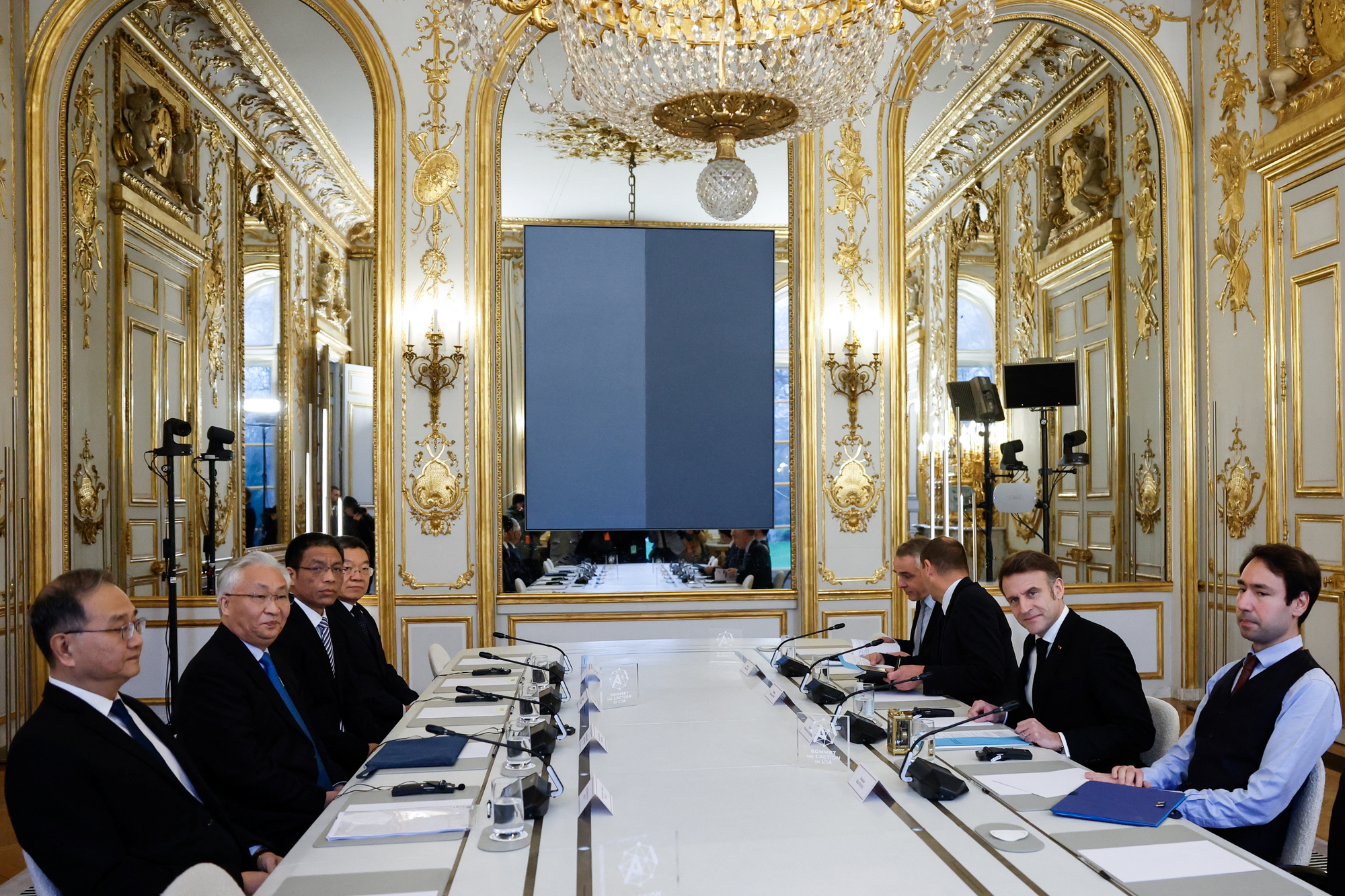
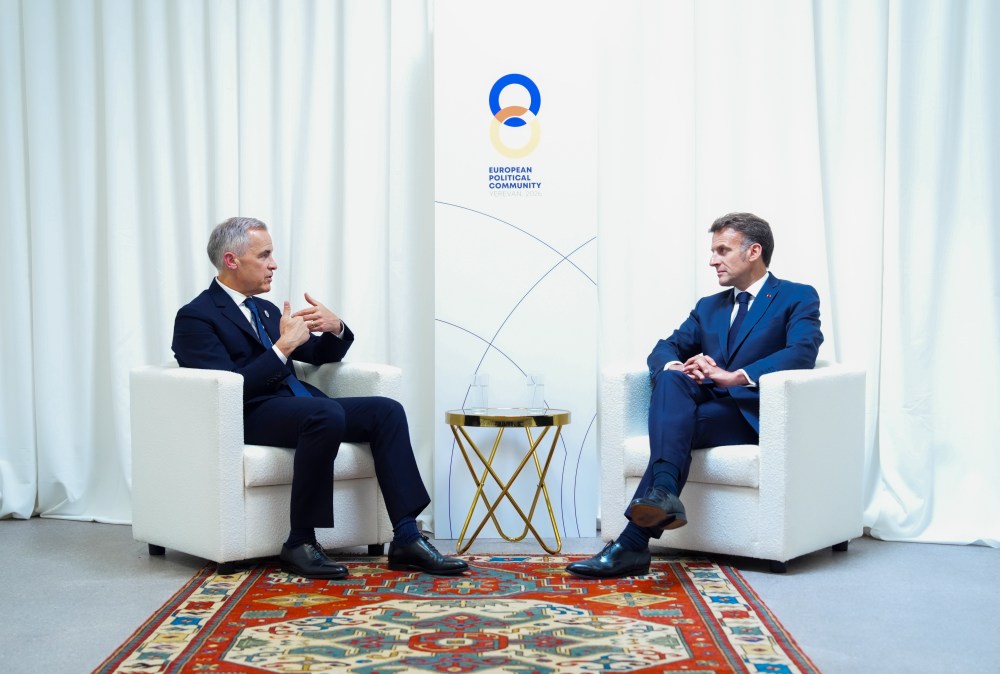
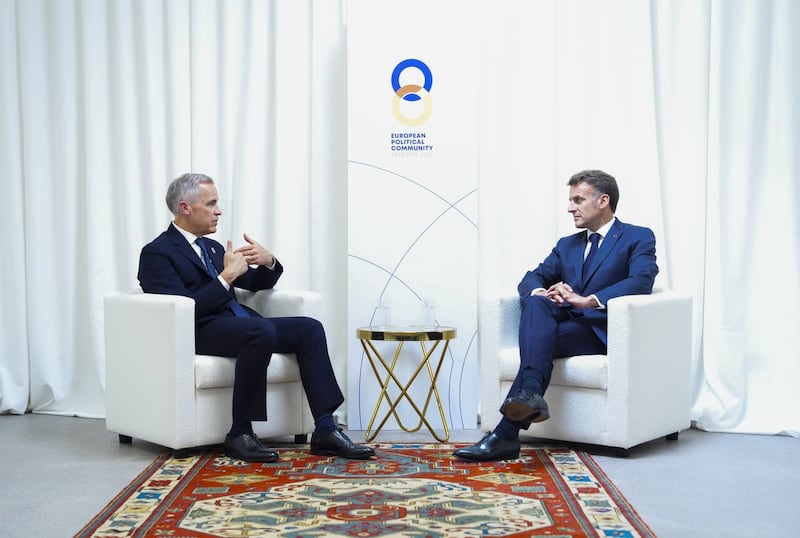
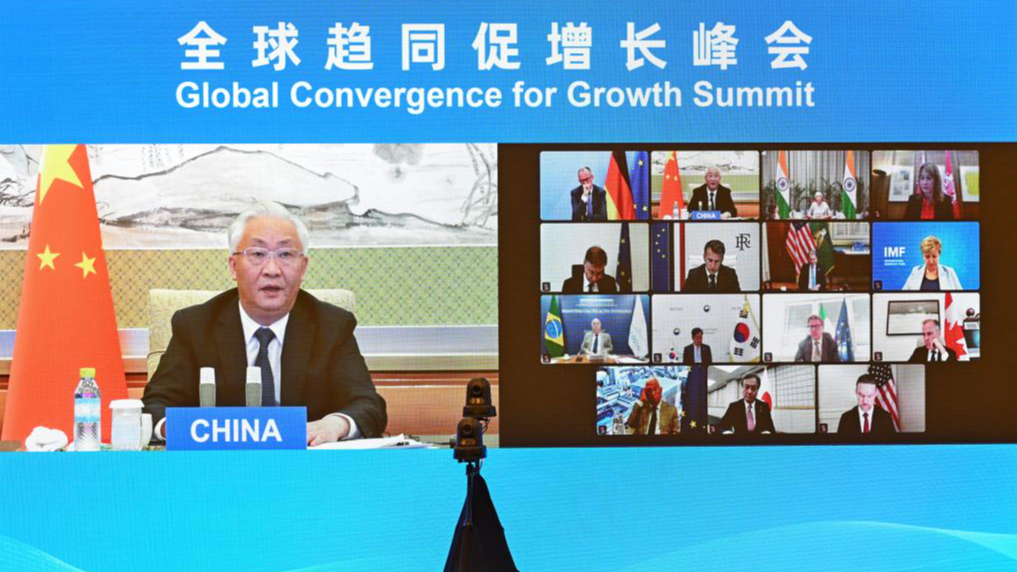
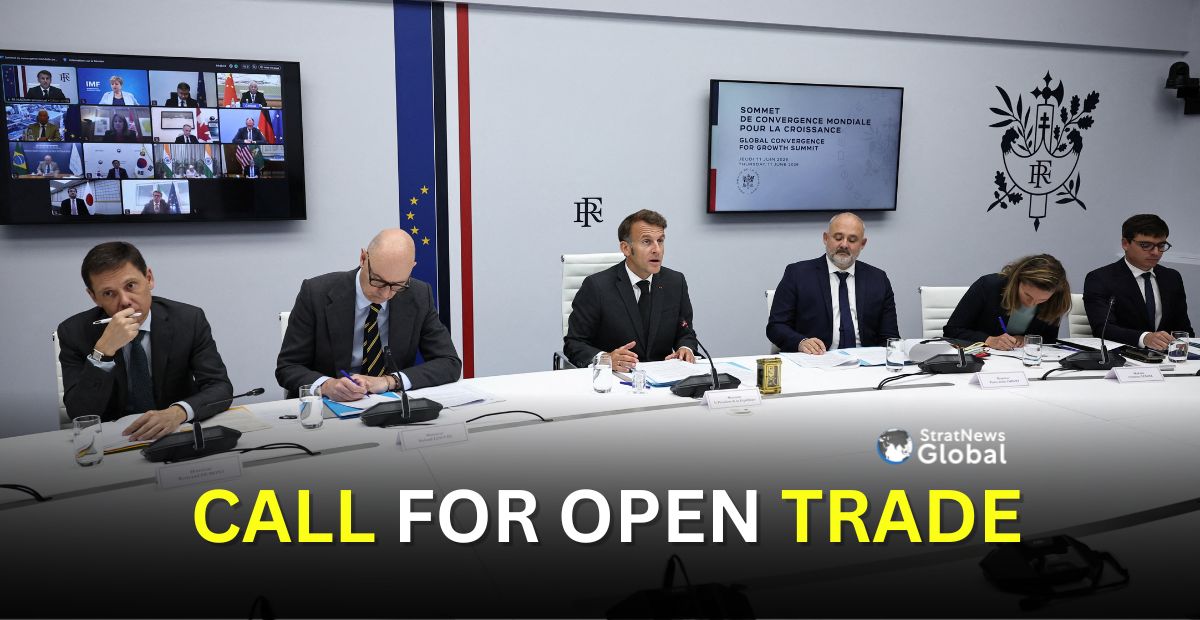
The G7, led by France's 2025 presidency, is mobilizing coordinated tariff and industrial policy responses to address record global economic imbalances that directly threaten cross-border e-commerce supply chains. China's current account surplus has surged to a record $735 billion, driven by state-supported overcapacity and government subsidies running 3-8 times higher than OECD averages—artificially inflating export competitiveness despite existing U.S. tariffs. This structural imbalance is triggering immediate policy escalation: G7 finance ministers agreed last month that coordinated action is essential, with French President Macron warning in December that without major economies rebalancing through cooperation, Europe would face protectionist measures.
For cross-border sellers, this creates three critical supply chain impacts. First, tariff arbitrage opportunities are collapsing: Chinese exporters currently benefit from subsidized production costs, but G7 coordination signals imminent tariff increases targeting Chinese goods across electronics, apparel, home goods, and consumer products. Sellers sourcing from China face 15-25% cost increases on tariffed categories by Q2 2025, compressing margins by 8-12% for sellers with 1,000+ monthly units. Second, sourcing country diversification becomes urgent: Vietnam, India, and Southeast Asian suppliers are becoming strategically attractive as G7 members implement tariff exemptions for non-Chinese suppliers. Sellers currently dependent on single-source Chinese manufacturing should begin dual-sourcing within 60-90 days to avoid supply disruptions. Third, U.S. market demand dynamics are shifting: The U.S. maintains persistent current account deficits reflecting strong household consumption, but loose fiscal policy (tax cuts, pandemic spending) is unsustainable. This signals potential consumer spending slowdowns in 2025-2026, requiring sellers to reduce inventory exposure in discretionary categories (electronics, home décor, fashion) by 20-30%.
European sellers face distinct challenges: Eurozone investment growth has lagged the U.S. significantly since 2020, particularly in technology sectors, indicating weak domestic demand for tech products and innovation-driven categories. Macron's emphasis on converting household savings into productive investment suggests European governments will prioritize industrial policy subsidies for domestic manufacturers, creating competitive disadvantages for foreign sellers on EU marketplaces. Sellers should expect increased compliance costs for EU market access and potential preferential treatment for EU-manufactured goods in 2025-2026. The policy window is narrow—coordinated G7 action typically takes 90-180 days to implement, meaning sellers have 8-12 weeks to restructure sourcing, adjust pricing strategies, and rebalance inventory allocation across markets before tariff escalation becomes binding.
Questions 8
How can I calculate the exact tariff impact on my product margins?
Use this formula: **New Cost = Current Cost × (1 + Tariff Rate %) + Logistics Costs**. First, identify your product's HS code (6-10 digit classification) using USITC Harmonized Tariff Schedule at usitc.gov. Second, monitor USTR tariff watch lists and G7 announcements for your HS code's tariff rate (expect 15-25% increases on Chinese goods). Third, calculate: if your current COGS is $10 with 20% tariff, new cost = $10 × 1.20 = $12, reducing a $20 retail price margin from 50% to 40%. Fourth, adjust Amazon pricing using repricing tools (Keepa, Helium 10) to maintain target margins—but expect 5-10% volume loss if price increases exceed competitor increases. For sellers with $100K+ annual revenue, consider tariff insurance or hedging strategies through trade finance providers. Monitor your category's average price elasticity: electronics typically see 2-3% volume loss per 1% price increase, while consumables see 0.5-1% loss.
When should I expect tariff policy changes to take effect and impact my costs?
G7 finance ministers agreed last month that coordinated action is essential, with implementation typically occurring 90-180 days after policy announcement. Based on France's 2025 presidency timeline and Macron's December warning, expect tariff escalation announcements by February-March 2025 with implementation by May-June 2025 (Q2 2025). This creates an 8-12 week window for sellers to restructure sourcing, adjust pricing, and rebalance inventory before tariff costs become binding. Immediate actions: (1) Monitor USTR.gov and European Commission tariff announcements weekly, (2) Calculate tariff impact by HS code for your top 50 ASINs, (3) Request updated quotes from Vietnam/India suppliers by week 4, (4) Adjust Amazon pricing and repricing rules by week 8. Sellers who delay action beyond March 2025 risk margin compression of 15-25% and inventory obsolescence if tariffed goods become uncompetitive.