



Iran Sanctions Escalation & Hormuz Toll Threats | Critical Logistics Cost Impact for Cross-Border Sellers
- Potential 5-15% shipping cost increases for sellers using Middle East routes; immediate supply chain diversification needed for Iran-exposed suppliers



)











Overview
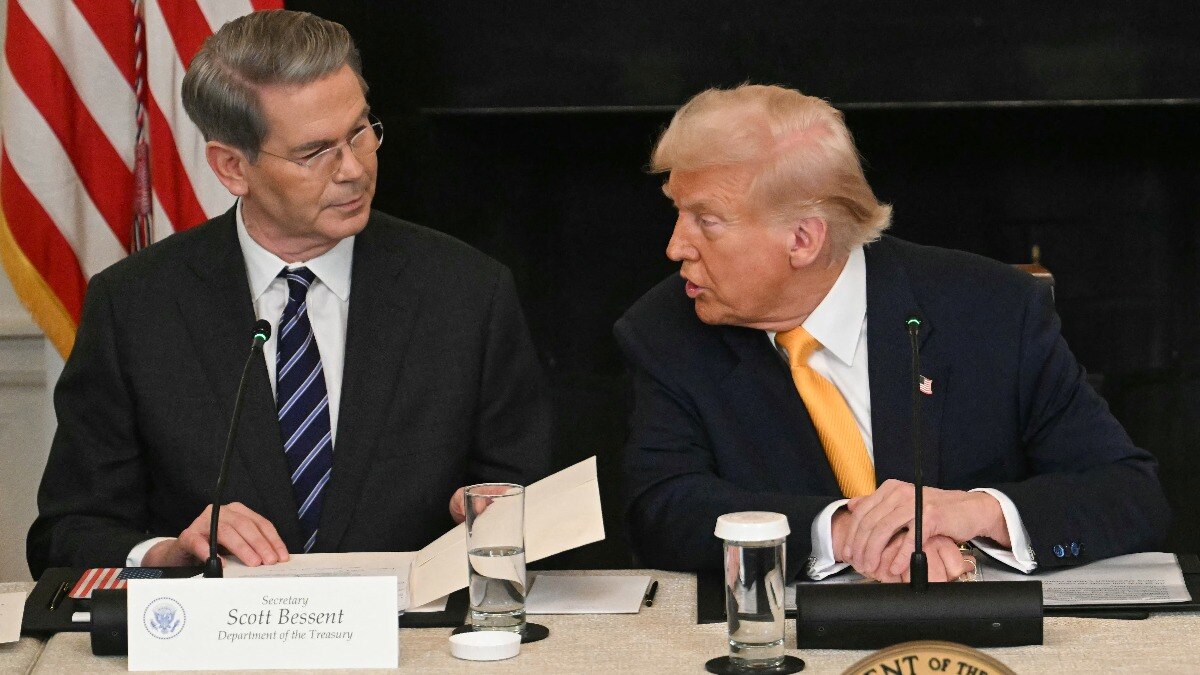
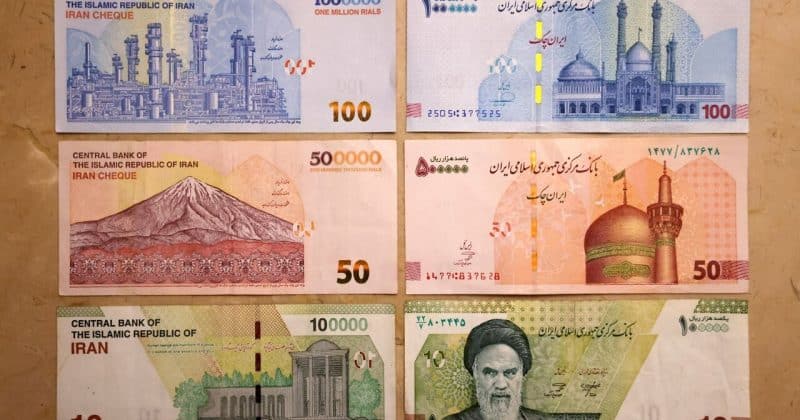
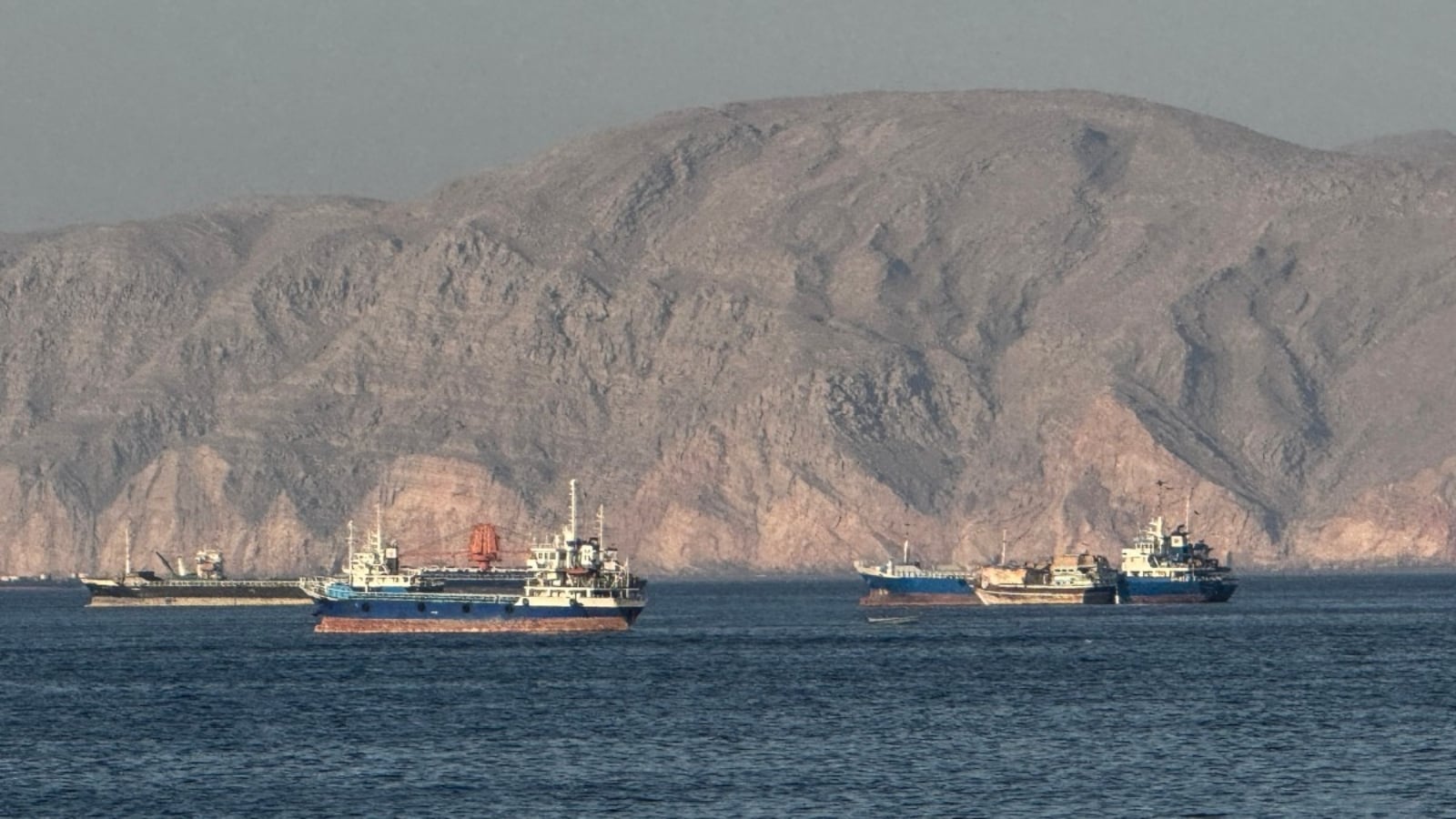
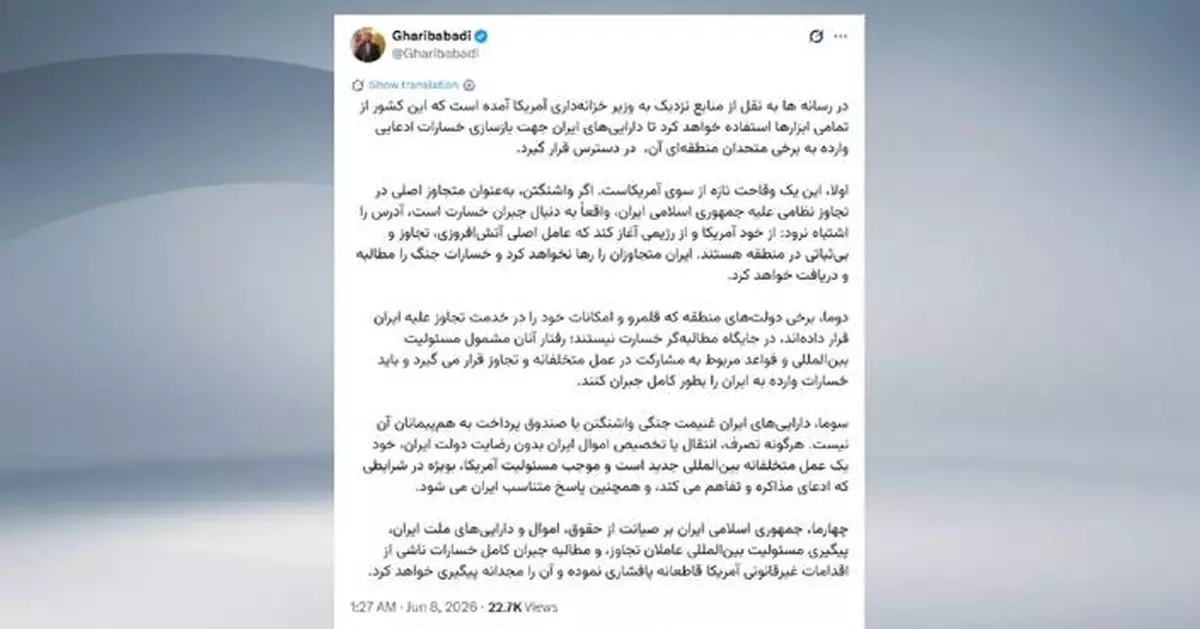
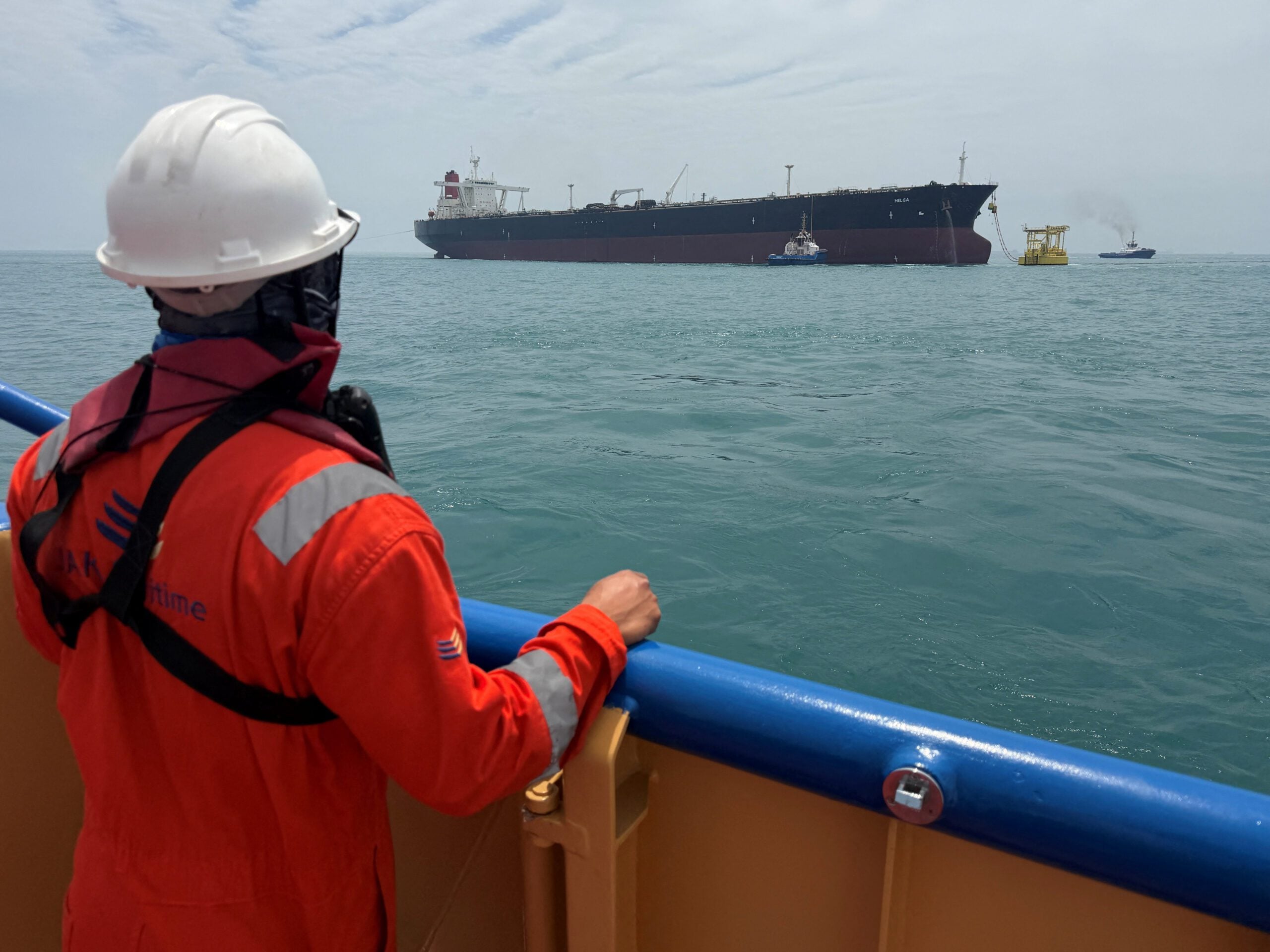
US Treasury enforcement actions targeting Iranian assets and proposed Strait of Hormuz toll mechanisms represent a critical geopolitical shift with direct operational consequences for cross-border e-commerce sellers. Treasury Secretary Bessent's statements regarding fund extraction from Iranian accounts signal intensified sanctions enforcement, while parallel announcements about using seized Iranian assets to offset Hormuz security tolls indicate potential new maritime fees affecting 21% of global oil transit and critical shipping corridors for e-commerce logistics.
For cross-border sellers, the immediate impact centers on three operational vectors: First, payment processing and financial compliance becomes more complex for any seller with Iranian supplier relationships, customer bases, or payment processor exposure to sanctioned entities. OFAC (Office of Foreign Assets Control) enforcement has historically resulted in $20M-$100M+ penalties for compliance violations, making due diligence mandatory. Second, shipping route economics face disruption if Hormuz toll mechanisms are implemented—the Strait handles approximately 21% of global petroleum trade and serves as a critical chokepoint for container shipping between Asia and Europe/Middle East. Sellers currently routing inventory through Middle Eastern hubs (Dubai, Jebel Ali ports) or using Gulf-based 3PL providers face potential 5-15% logistics cost increases if toll structures are introduced. Third, supply chain sourcing from Iran-adjacent regions (UAE, Iraq, Kuwait) becomes higher-risk as secondary sanctions enforcement tightens, potentially disrupting suppliers of electronics components, textiles, and petrochemical-derived products.
The competitive advantage shifts toward sellers with diversified logistics networks. Sellers currently concentrated on single-route shipping (particularly Asia→Middle East→Europe corridors) face margin compression of 3-8% if Hormuz tolls materialize. Conversely, sellers who have already diversified to alternative routes (Suez Canal alternatives, Indian Ocean routing, or air freight for high-value items) maintain pricing flexibility. For product categories with Iran-origin supply chains (textiles, carpets, dried fruits, petrochemical derivatives), the enforcement escalation creates immediate sourcing risk—suppliers may face frozen accounts or transaction blocks, forcing rapid alternative sourcing to Vietnam, India, or Turkey.
Timeline urgency is moderate-to-high. While specific toll implementation dates remain unannounced, the Treasury's public commitment suggests 30-90 day policy development window. Sellers should immediately audit supplier relationships, payment processor exposure, and logistics routing to identify Iran-touch-point risks. The window to shift sourcing or renegotiate logistics contracts before potential cost increases close within 60-90 days.
Questions 8
What OFAC compliance steps must sellers take regarding Iranian transactions?
OFAC (Office of Foreign Assets Control) maintains the Specially Designated Nationals (SDN) list and enforces sanctions against Iran-connected entities. Sellers must screen all suppliers, customers, and payment processors against the SDN list before engaging in transactions. Historical OFAC penalties range from $20M-$100M+ for compliance violations, with average settlements around $50M for major violations. Sellers should implement automated screening tools through payment processors (Stripe, PayPal, Square all offer OFAC screening) and conduct quarterly audits of supplier relationships. If you discover Iran-exposed suppliers, immediately cease transactions and consult legal counsel—delayed reporting increases penalty exposure.
How do Iran sanctions affect cross-border sellers using Middle East shipping routes?
Iran sanctions enforcement creates dual risks: direct compliance exposure if sellers have Iranian supplier relationships or customer transactions, and indirect logistics cost increases if Hormuz toll mechanisms are implemented. The Strait of Hormuz handles 21% of global petroleum trade and serves as a critical chokepoint for Asia-Europe container shipping. Sellers currently routing through Middle Eastern hubs (Dubai, Jebel Ali) face potential 5-15% shipping cost increases if tolls are introduced. Immediate action: audit your 3PL provider locations and shipping routes to identify Hormuz-dependent corridors, then request alternative routing quotes from providers using Suez Canal or Indian Ocean alternatives.