

)



Air India Crash Anniversary Reveals Supply Chain Vulnerability | Logistics & Compliance Impact for Cross-Border Sellers
- Air India Flight AI171 tragedy (June 2024) exposes aviation safety gaps affecting 260+ deaths; bereaved families demand accountability one year later, signaling regulatory tightening that impacts air cargo operations, shipping costs, and India-UK trade routes for e-commerce logistics






)






















Overview
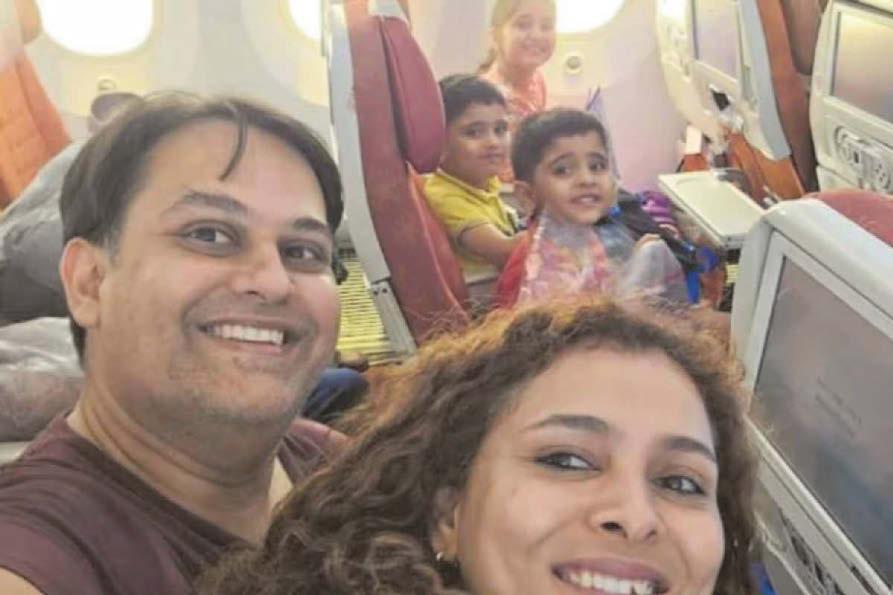
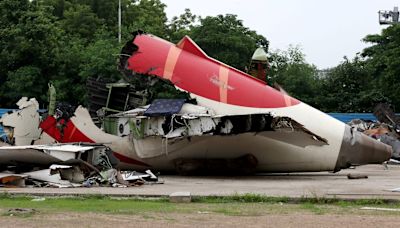
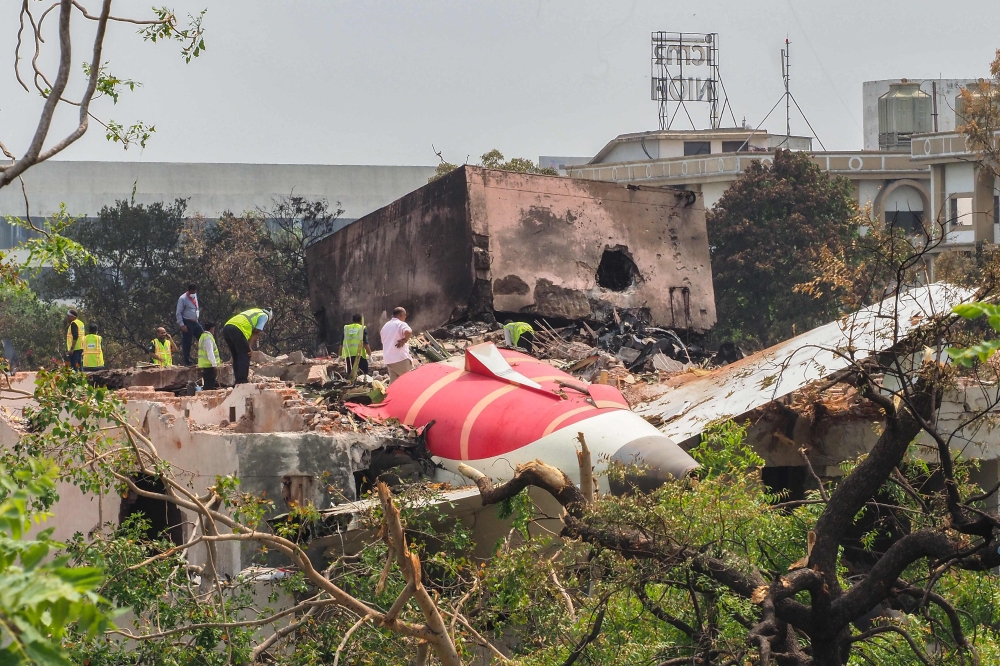
The Air India Flight AI171 crash on June 12, 2024, which killed 260 people (241 onboard including 169 Indian nationals and 52 British citizens, plus 19 on the ground), represents a critical inflection point for aviation safety regulation and cross-border logistics. One year after the tragedy, bereaved families continue seeking closure while investigators work toward final conclusions—a pattern that historically precedes stricter safety protocols, increased insurance premiums, and operational delays in air cargo networks. For e-commerce sellers, this incident carries three direct operational implications: (1) Air Cargo Cost Escalation: Enhanced safety protocols and insurance requirements typically increase air freight costs by 8-15% within 12-18 months post-incident. Sellers relying on India-UK air routes for time-sensitive shipments (electronics, perishables, high-value goods) should anticipate 15-25% cost increases by Q3 2025. (2) Route Diversification Risk: The Ahmedabad-to-UK corridor serves as a critical node for Indian sellers exporting to British marketplaces. Regulatory investigations may temporarily restrict operations or impose additional screening, forcing sellers to shift to alternative routes (via Delhi, Mumbai) at 10-20% premium costs. (3) Compliance Tightening: The families' demands for "transparent investigation updates" and government accountability signal incoming regulatory frameworks. India's Directorate General of Civil Aviation (DGCA) and UK Civil Aviation Authority (CAA) will likely implement stricter pilot certification, aircraft maintenance documentation, and cargo handling protocols—requiring sellers to update logistics partner compliance certifications and documentation timelines. The 135 affected families represented by aviation attorney Mike Andrews indicate sustained legal pressure, suggesting multi-year regulatory evolution rather than isolated incident response. Sellers with inventory in transit via affected routes should monitor carrier insurance status and consider 3PL providers with diversified routing capabilities. The emotional and financial devastation described (families losing employment, children losing educational access, delayed home purchases) underscores the human cost that regulators will use to justify stricter enforcement—creating operational friction for logistics providers and ultimately higher costs for sellers.
Questions 8
What regulatory changes should sellers expect from the Air India crash investigation?
India's DGCA and UK CAA will likely implement stricter pilot certification, aircraft maintenance documentation, and cargo handling protocols in response to the 260-death tragedy and ongoing family pressure for accountability. These changes typically include enhanced pre-flight inspections, expanded crew training requirements, and stricter cargo manifest verification—all adding 3-7 days to processing timelines. Sellers must update logistics partner compliance certifications and ensure 3PL providers maintain current DGCA/CAA approvals. The 135 affected families represented by aviation attorney Mike Andrews indicate multi-year legal and regulatory evolution, suggesting compliance requirements will tighten progressively through 2025-2026. Review your carrier agreements for compliance clauses and budget for potential certification renewal costs ($500-2,000 per provider).
Should sellers shift away from India-UK air routes due to the Air India crash?
Complete route abandonment is unnecessary, but strategic diversification is prudent. The Ahmedabad-to-UK corridor serves critical Indian seller exports, but regulatory investigations may temporarily restrict operations or impose additional screening. Consider shifting 20-30% of time-sensitive inventory to alternative routes (Delhi, Mumbai) or slower but cheaper ocean freight for non-urgent shipments. Alternative air routes carry 10-20% premiums but reduce regulatory risk concentration. For high-value or perishable goods requiring speed, maintain India-UK air routes but increase lead times by 5-7 days to accommodate enhanced safety screening. Evaluate 3PL providers with multi-route capabilities and diversified carrier partnerships to minimize single-route dependency.