


Hungary-Ukraine Minority Rights Deal Opens EU Market Access | Cross-Border Sellers Gain Eastern European Expansion Opportunity
- Historic policy shift ends 15-year trade tensions; Hungary supports Ukraine EU accession by end-2027, creating tariff harmonization and market integration opportunities for sellers targeting 80,000+ Hungarian minority consumers and broader Ukrainian market












Overview
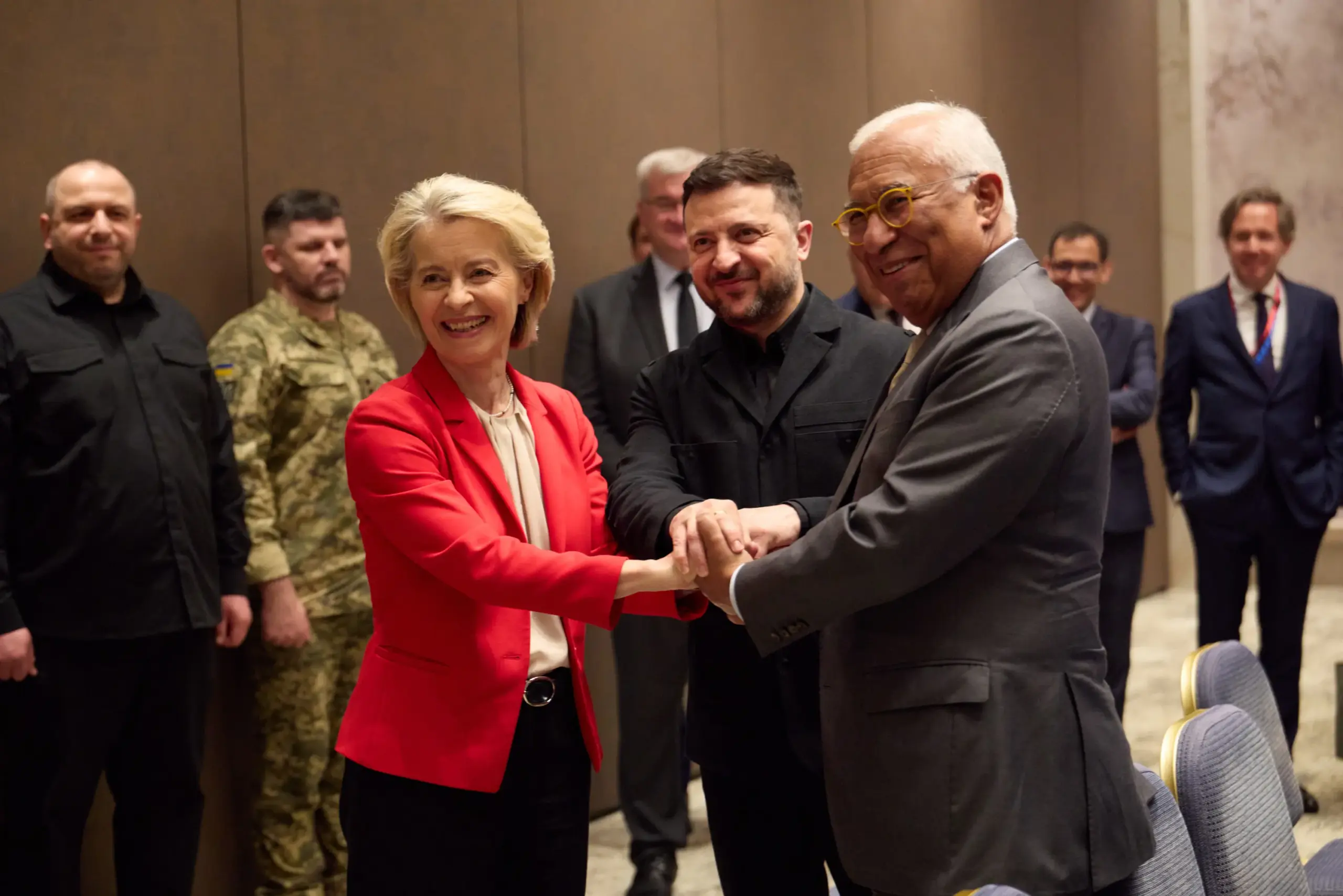
Hungary's new Prime Minister Peter Magyar's historic agreement with Ukraine on minority rights for 80,000 Hungarians in Transcarpathia represents a fundamental geopolitical shift with significant implications for cross-border e-commerce sellers. The accord, which restores diplomatic engagement after 15 years of Viktor Orban's hostile stance, directly enables Hungary to support Ukraine's EU accession negotiations—a process expected to conclude by end-2027. This creates a critical window for sellers to position themselves in the emerging Ukraine-EU trade corridor.
Market Access Expansion: The agreement paves the way for Ukraine's EU integration, which will harmonize tariff structures, reduce customs barriers, and align regulatory frameworks with EU standards. For cross-border sellers, this means potential tariff reductions on goods entering Ukraine (currently facing 5-20% duties depending on category) and simplified customs procedures once Ukraine achieves EU candidacy status. The Hungarian minority population (80,000 in Transcarpathia) represents an immediate micro-market for localized products—educational materials, cultural merchandise, and bilingual consumer goods—while the broader Ukrainian market of 41 million consumers becomes increasingly accessible as EU integration progresses.
Competitive Dynamics and Sourcing Shifts: Hungary's policy reversal eliminates previous trade friction that blocked EU aid and created political barriers to Ukrainian commerce. Sellers previously sourcing from or selling to Ukraine faced unpredictable regulatory environments; the new bilateral working group (reconvening after 2011 hiatus) signals normalized trade relations. This creates first-mover advantages for sellers establishing supply chains through Hungary into Ukraine before competitors recognize the opportunity. Categories benefiting include: educational products (language rights expansion drives demand for Hungarian-language textbooks, learning software), cultural merchandise (minority heritage products), and consumer goods requiring EU compliance certification (which Ukraine will increasingly adopt).
Timeline and Compliance Opportunities: Implementation by end-2027 creates a 3-year window for sellers to establish market presence before tariff harmonization becomes standard. Early movers can lock in favorable positioning before larger competitors enter. The agreement's automatic implementation (rather than requiring special council decisions) reduces compliance complexity—sellers won't face variable enforcement across Ukrainian regions. Hungary's support for Ukraine's EU accession also signals potential EU funding for infrastructure improvements in Transcarpathia, creating logistics opportunities for sellers serving the border region.
Strategic Implications: This represents a rare policy-driven market opening in Eastern Europe. Unlike typical trade agreements requiring years of negotiation, this diplomatic breakthrough accelerates Ukraine's EU pathway. Sellers should monitor: (1) Ukraine's EU candidacy progress (formal application status), (2) tariff schedule harmonization announcements, (3) Hungarian-Ukrainian trade volume growth (currently suppressed by political tensions), and (4) infrastructure investments in Transcarpathia border region.
Questions 8
When should sellers begin positioning for the Ukraine-EU market opportunity?
The 3-year implementation window (2025-2027) represents the critical first-mover period. Sellers should begin market research and supply chain planning immediately, as tariff harmonization and regulatory alignment will accelerate once Ukraine formally achieves EU candidacy status. The reconvened Hungarian-Ukrainian working group (meeting regularly after 2011 hiatus) signals normalized trade relations are now operational. Waiting until 2027 risks missing the competitive advantage window—larger sellers will recognize this opportunity within 6-12 months, compressing margins for late entrants.
How does the bilateral minority rights agreement reduce compliance complexity for sellers?
The agreement's automatic implementation (rather than requiring special council decisions in each Ukrainian region) eliminates variable enforcement risk across Transcarpathia. Previously, sellers faced unpredictable regulatory environments where minority language rights were inconsistently applied. The clarified, automatic protections mean sellers can confidently localize products and marketing materials for the Hungarian minority without navigating region-by-region compliance variations. This reduces legal and operational costs for sellers targeting the 80,000-person Hungarian consumer segment in Ukraine.