


Geopolitical Conflict Reshapes Tech Supply Chains | Seller Impact
- Ukraine-Russia military escalation drives drone/satellite tech demand surge; sellers face supply chain disruption and emerging market opportunities in defense-adjacent electronics

Overview
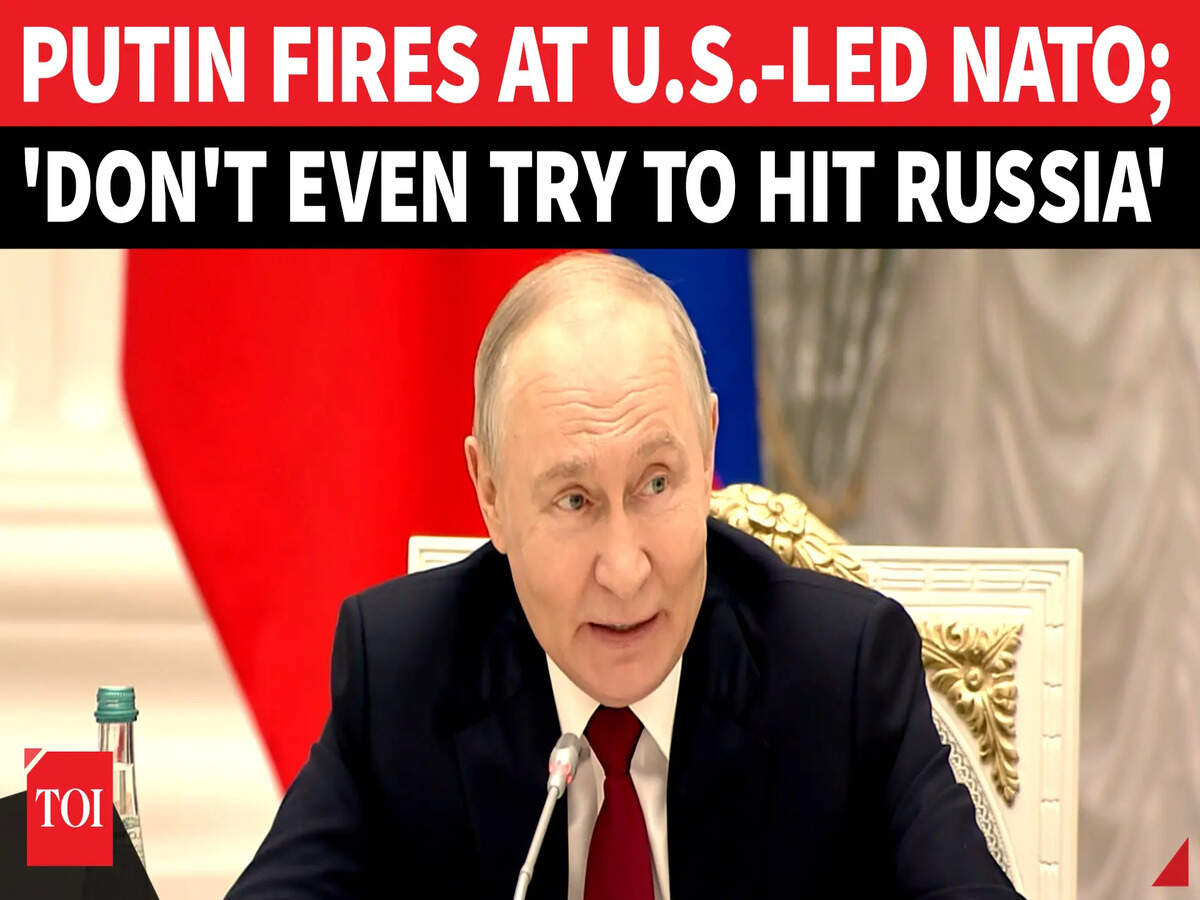
Putin's June 12, 2024 public acknowledgment of Ukrainian drone superiority marks a critical geopolitical inflection point with direct implications for cross-border e-commerce sellers. The Kremlin's admission that Ukrainian drones operate at 8-12 gigahertz frequencies and rely on Starlink systems for coordination signals accelerating demand for advanced electronics, satellite communication equipment, and counter-drone technologies across global markets. This conflict-driven tech escalation creates a dual-impact scenario for sellers: (1) Supply Chain Disruption Risk - Russian military mobilization (adding 10,000 personnel, raising total strength to 2.4 million) and reported 30,000 monthly troop losses indicate sustained demand for military-grade electronics, semiconductors, and communications equipment, potentially competing with civilian supply chains and driving component costs 8-15% higher through 2024-2025. (2) Emerging Product Opportunities - Sellers in electronics, telecommunications, and industrial automation categories can capitalize on accelerating demand for drone detection systems, RF shielding materials, satellite communication devices, and cybersecurity solutions across NATO-aligned markets (US, EU, UK, Poland, Baltic states). The Kremlin's announcement of developing "equivalent satellite systems" while acknowledging "scaling challenges" reveals technological gaps that Western suppliers are filling—Starlink's operational dominance in Ukraine demonstrates commercial satellite infrastructure's military value, driving enterprise demand for space-tech adjacent products. For cross-border sellers, this creates three actionable windows: (1) Immediate (0-30 days) - Audit inventory exposure to Russian/Belarusian supply chains; identify electronics suppliers dependent on Russian semiconductor imports; assess logistics routes through conflict zones. (2) Strategic (1-3 months) - Pivot product sourcing toward NATO-allied manufacturing (Poland, Czech Republic, Taiwan, South Korea); develop listings for drone-detection, RF-shielding, and satellite communication categories targeting government/enterprise buyers in EU and US. (3) Long-term (3-12 months) - Monitor defense procurement cycles in allied nations; establish B2B channels to government contractors; consider supply chain diversification away from Russian/Chinese components toward allied-nation sourcing. The conflict's technological dimension—specifically the public acknowledgment of drone/satellite dependency—signals sustained geopolitical tension that will reshape electronics sourcing, logistics routing, and product demand for 18-36 months.
Questions 7
How does Starlink's military role affect satellite communication product demand?
Starlink's operational dominance in Ukraine demonstrates commercial satellite infrastructure's military value, driving enterprise demand for satellite communication devices, ground terminals, and backup systems. NATO-aligned governments are diversifying satellite communication suppliers and investing in redundant systems. Sellers can capitalize by sourcing satellite communication equipment, developing enterprise-grade listings, and targeting government/contractor buyers. The market for commercial satellite services is projected to grow 12-18% annually through 2026, with conflict-driven acceleration in allied nations.
What export regulations affect electronics sellers shipping to conflict regions?
US Bureau of Industry and Security (BIS) and EU export controls restrict advanced electronics, semiconductors, and dual-use technologies to Russia and Belarus. Sellers must verify end-use destinations and avoid sanctioned entities. The conflict has expanded restricted product lists—RF shielding, satellite components, and advanced semiconductors now face heightened scrutiny. Sellers should review BIS Entity List and EU sanctions lists monthly; consult compliance counsel before shipping electronics to Eastern Europe; and implement destination verification protocols to avoid $250K+ penalties.