


Lupus Remission Breakthrough Opens $8B+ Wellness Product Market for Sellers
- NHS CAR-T trial achieves 83% remission rate; 5M+ lupus patients worldwide signal massive demand for supportive wellness, mobility, and lifestyle products





Overview
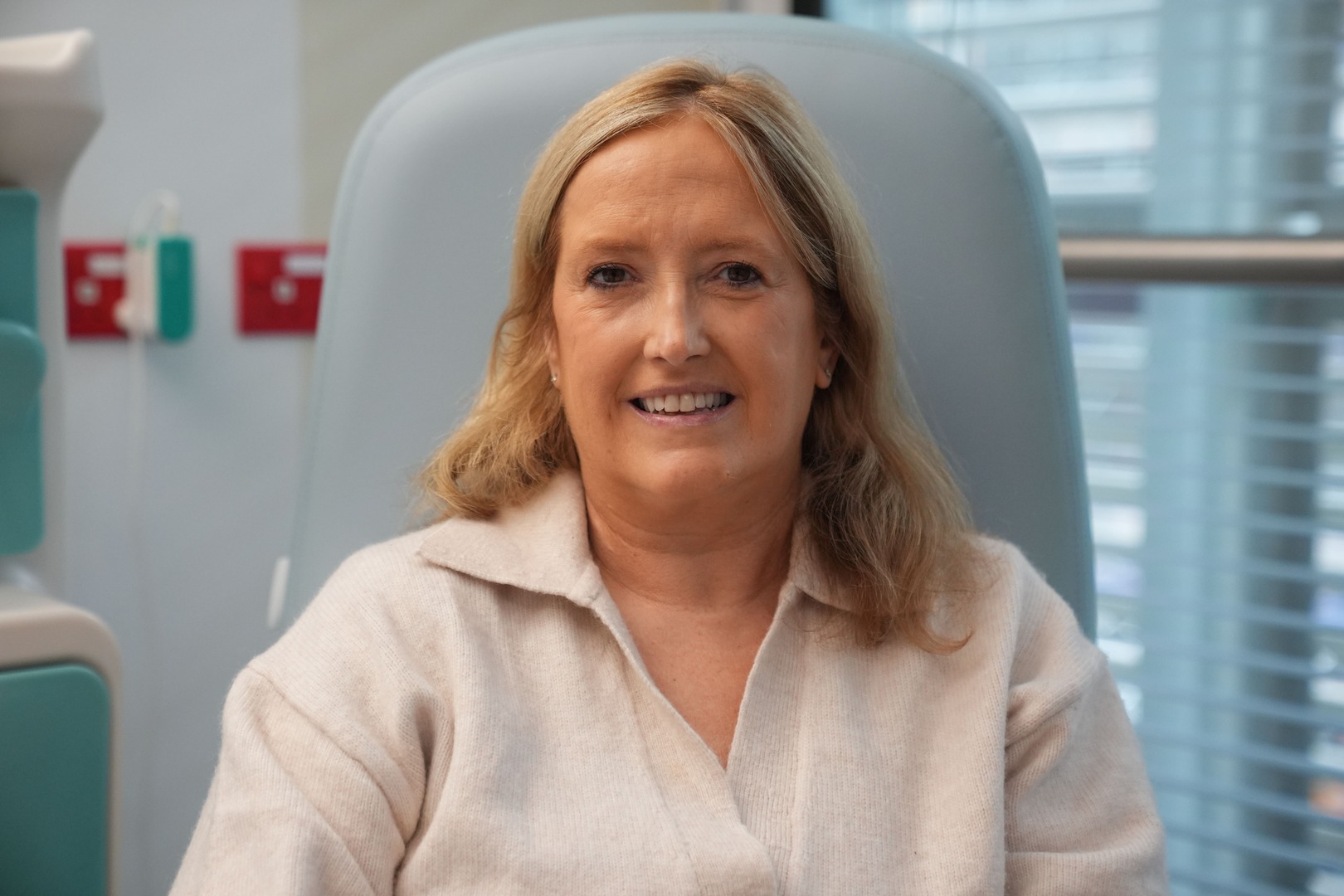
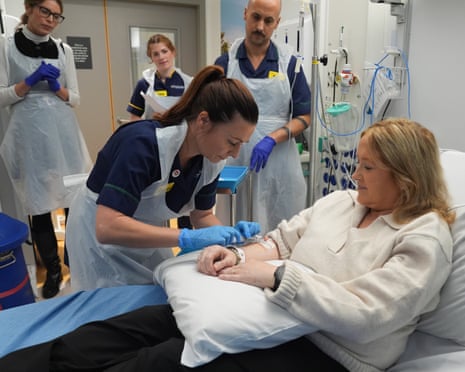
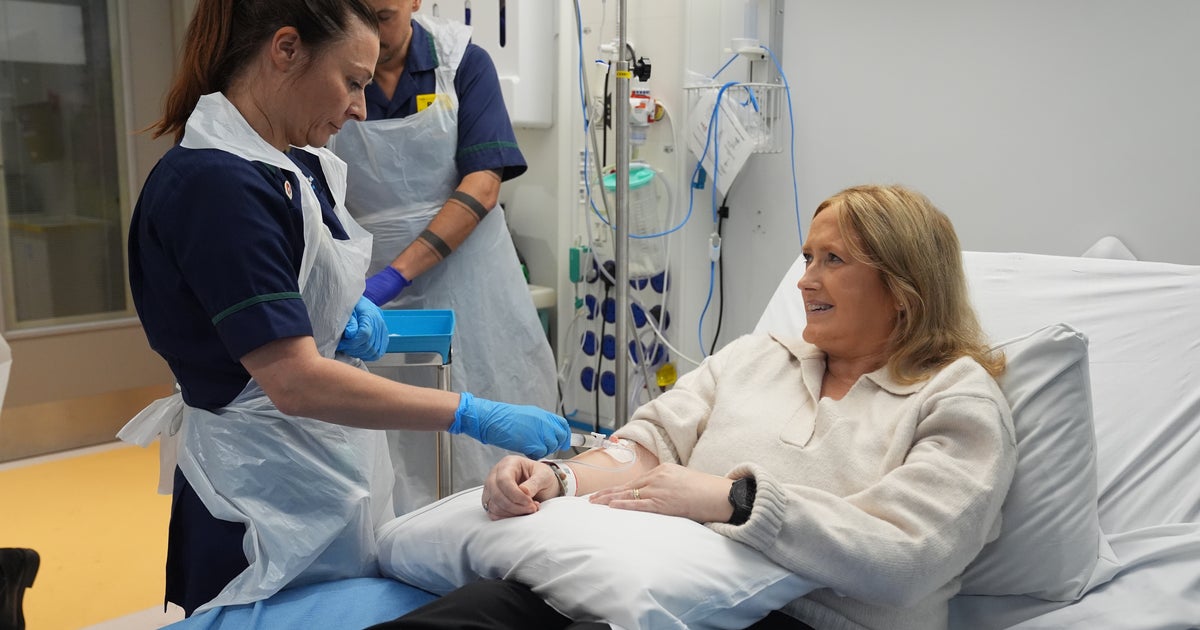
A groundbreaking NHS trial at University College London Hospital has achieved an 83% remission rate (5 of 6 patients) using CAR-T cell therapy for severe lupus, marking the first successful application of cancer immunotherapy to autoimmune disease treatment. This medical breakthrough creates significant indirect e-commerce opportunities across wellness, mobility, and lifestyle product categories. Lupus affects approximately 5 million people worldwide and 69,000 UK residents, predominantly women aged 20-40, representing a high-purchasing-power demographic historically underserved by targeted product solutions.
Market Opportunity for Sellers: The trial's success—with patient Katie Tinkler transitioning from bedridden status to skiing and dancing—demonstrates a massive addressable market for recovery-focused products. Sellers can capitalize on three distinct consumer segments: (1) Active lupus patients seeking symptom management products (compression wear, anti-inflammatory supplements, ergonomic fitness equipment); (2) Post-treatment recovery buyers purchasing mobility aids, joint support products, and wellness subscriptions; (3) Preventive health consumers influenced by the trial's visibility, driving demand for immune-support supplements, medical-grade skincare, and wellness tracking devices.
Category Expansion Signals: The news indicates growing consumer awareness of autoimmune disease management, extending beyond lupus to multiple sclerosis and rheumatoid arthritis treatments in clinical trials. This signals emerging demand for: adaptive apparel (moisture-wicking, joint-friendly designs), medical-grade compression products, premium supplement lines (turmeric, omega-3, vitamin D formulations), wellness technology (wearable health trackers, telehealth platforms), and lifestyle products (ergonomic furniture, pain management devices). UK and EU markets show particular receptivity given NHS endorsement and EULAR (European League Against Rheumatism) conference presentation, establishing clinical credibility that drives consumer trust in related product categories.
Seller Action Timeline: Immediate opportunities exist for sellers in health/wellness categories to develop targeted product lines and marketing campaigns leveraging the trial's visibility. The 11-month average follow-up period and ongoing clinical studies (3-5 year remission tracking) create sustained consumer interest windows. Sellers should monitor regulatory approvals—CAR-T therapy (obecabtagene autoleucel) already approved for blood cancers suggests potential NHS/EU market authorization within 12-24 months, accelerating patient population growth and product demand. Regional focus on UK and EU markets offers first-mover advantage before US FDA approval and broader global expansion.
Questions 7
What is CAR-T cell therapy and why does the lupus trial matter for product sellers?
CAR-T (chimeric antigen receptor T-cell) therapy genetically modifies a patient's T cells to target disease-causing B cells, effectively resetting the immune system. The NHS trial achieved 83% remission (5 of 6 patients) after 11 months, with one patient remaining medication-free after 32 years of severe lupus. For sellers, this breakthrough signals a shift from chronic disease management (ongoing medication purchases) to recovery-focused products—compression wear, mobility aids, wellness supplements, and adaptive apparel. The trial's credibility (presented at EULAR European Congress) drives consumer trust in related health categories, creating immediate demand for supportive products targeting the 5M+ global lupus patient population, predominantly women aged 20-40.
Which product categories should sellers prioritize given the lupus trial results?
Three high-opportunity categories emerge: (1) Recovery & Mobility Products—compression wear, joint support braces, ergonomic furniture, and pain management devices for post-treatment patients transitioning from bedridden to active lifestyles (like patient Katie Tinkler's progression to skiing); (2) Immune Support Supplements—turmeric, omega-3, vitamin D, and specialized formulations targeting autoimmune disease management; (3) Adaptive Apparel—moisture-wicking, joint-friendly clothing designed for women managing chronic inflammation. Secondary opportunities include wellness technology (health trackers, telehealth platforms) and medical-grade skincare targeting inflammation-prone skin. UK and EU sellers have first-mover advantage given NHS endorsement and EULAR conference visibility.