


Ukraine-Russia Conflict Escalation | Supply Chain & Logistics Risk Alert for Cross-Border Sellers
- Ongoing military escalation threatens Eastern European logistics corridors; sellers with Ukraine/Russia operations face immediate operational disruption and compliance uncertainty















Overview
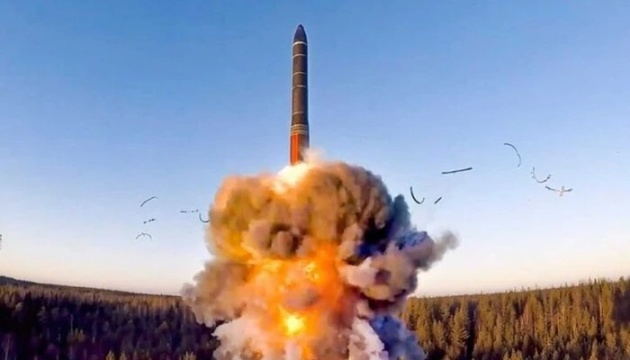
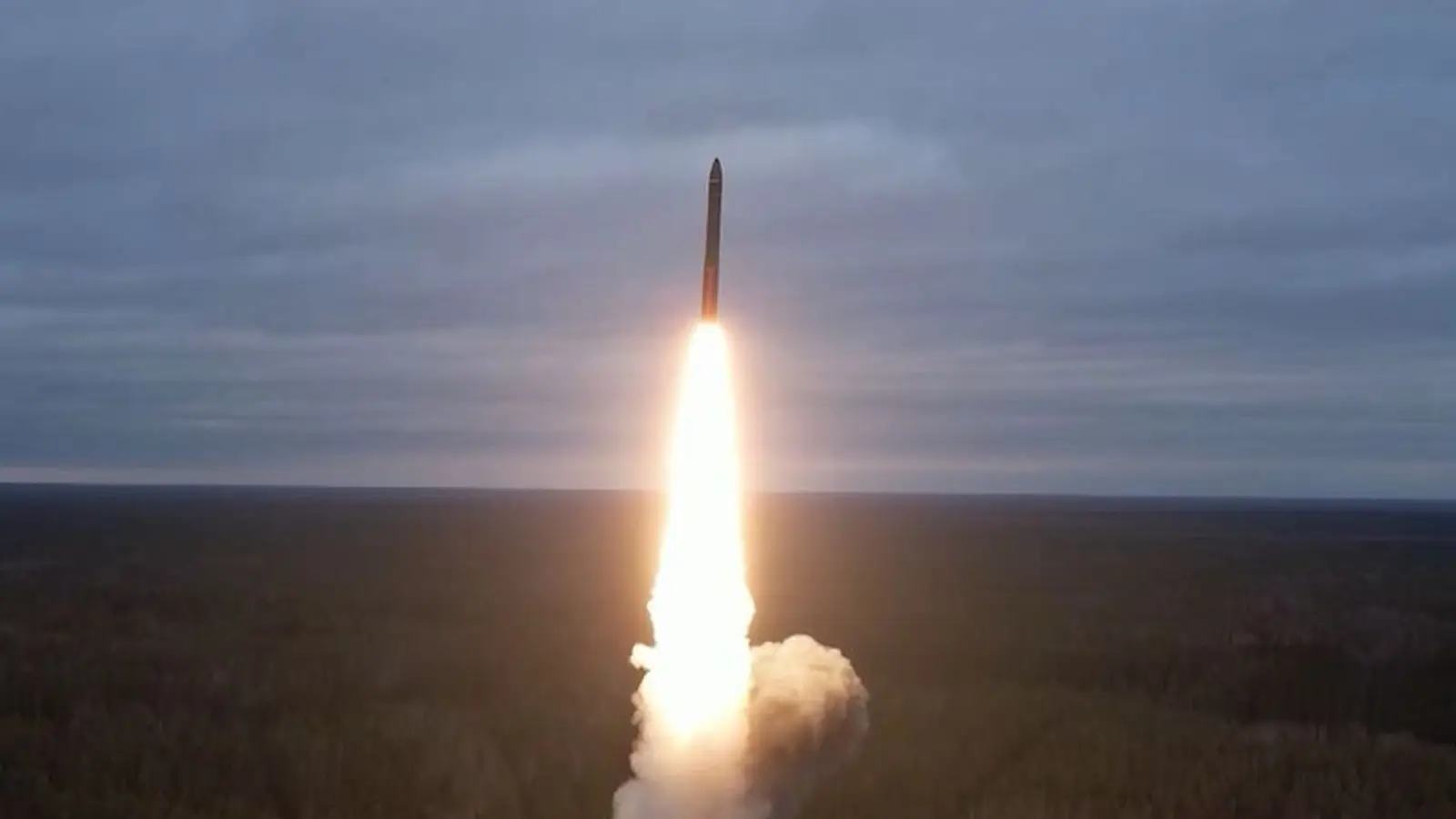
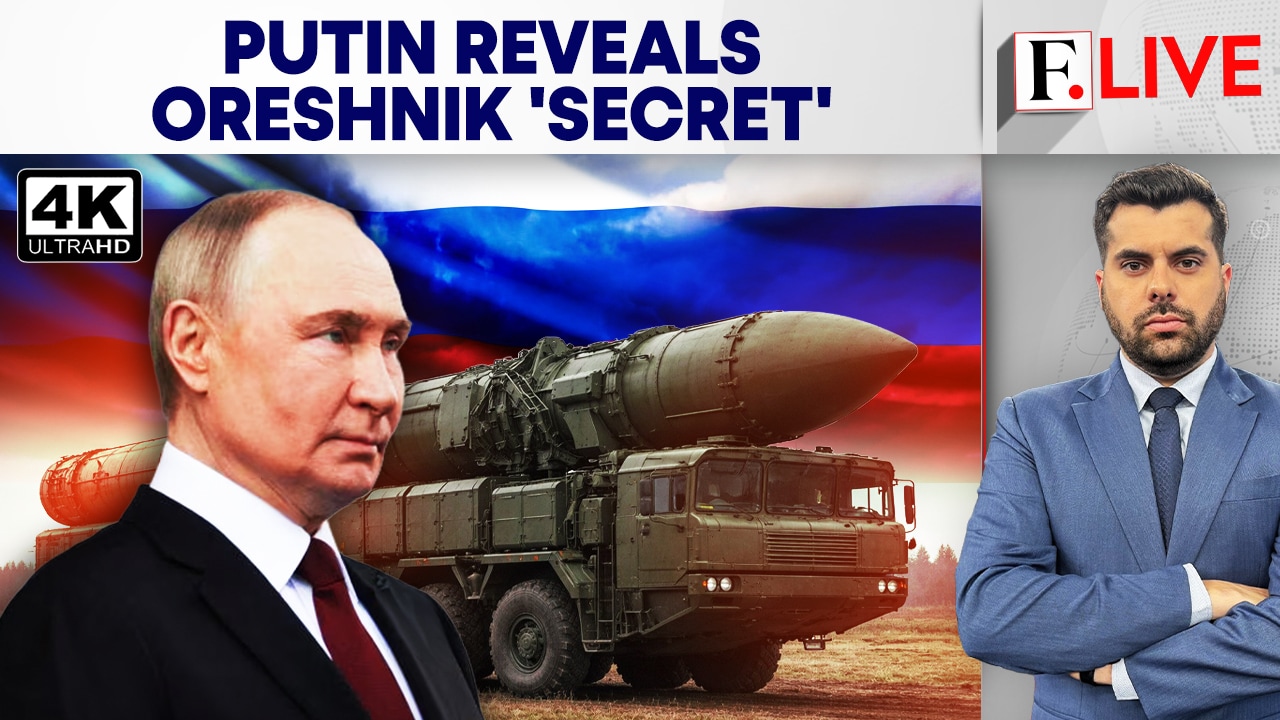
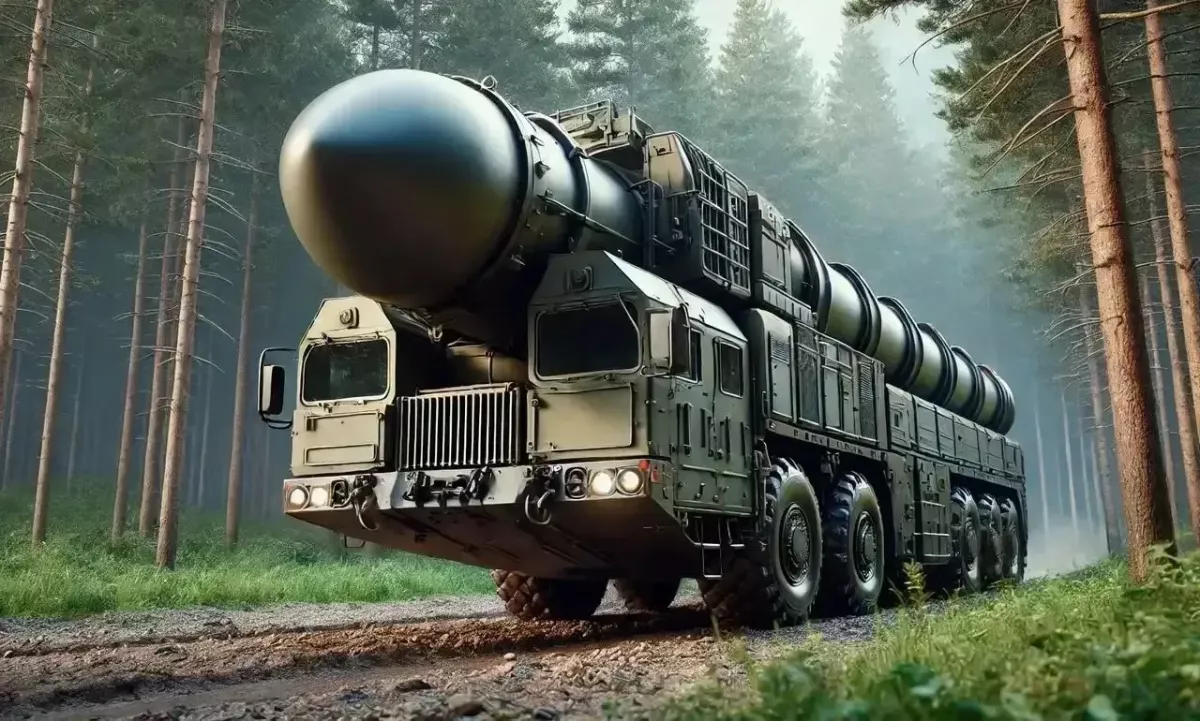
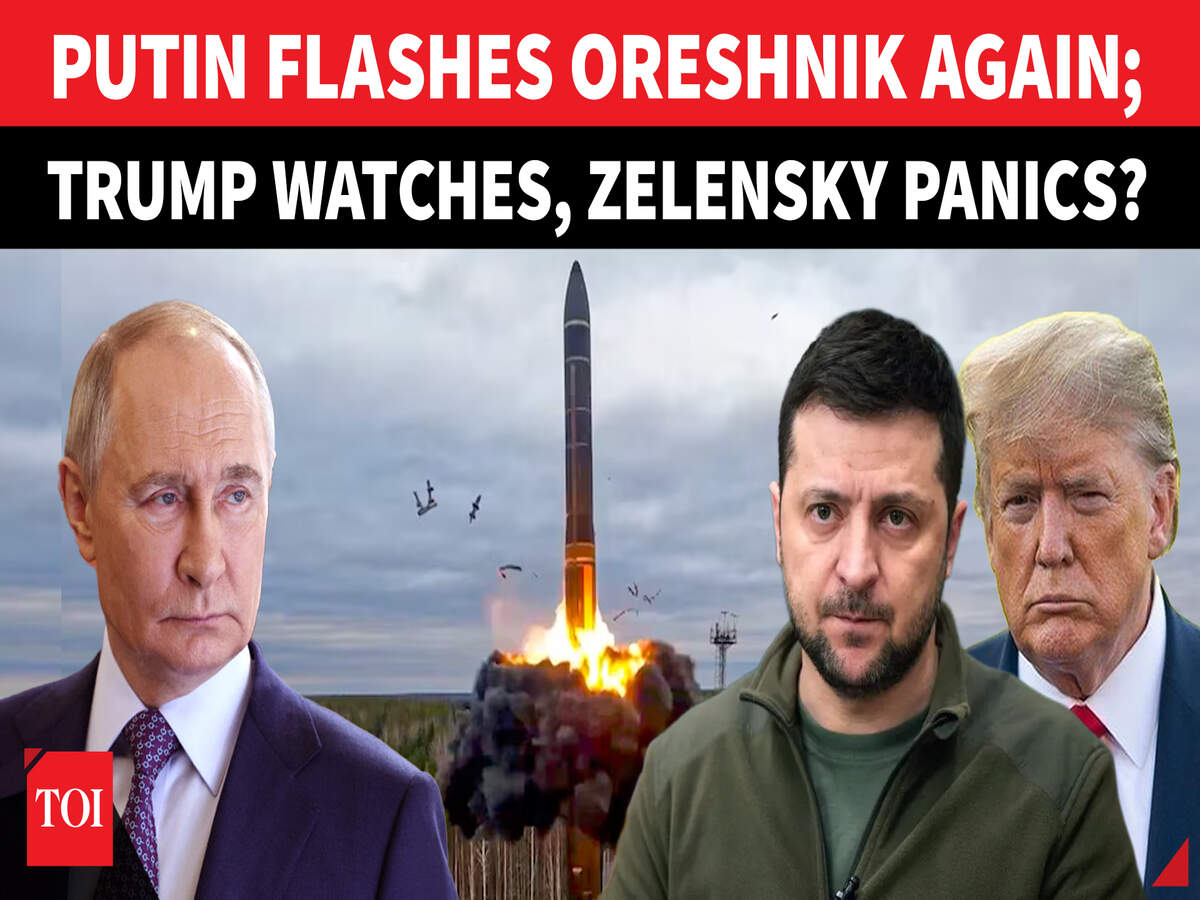
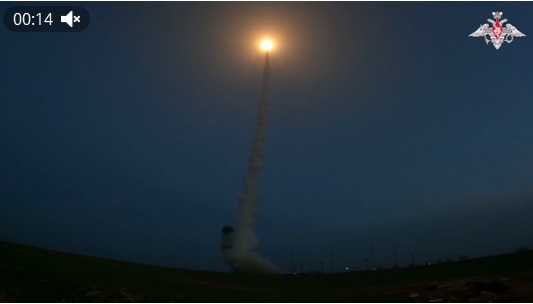
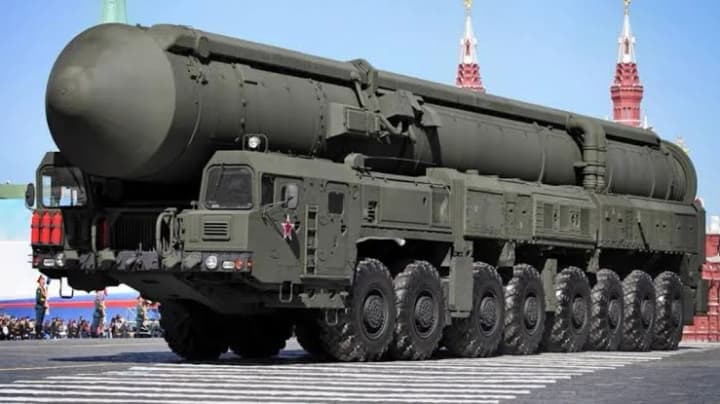
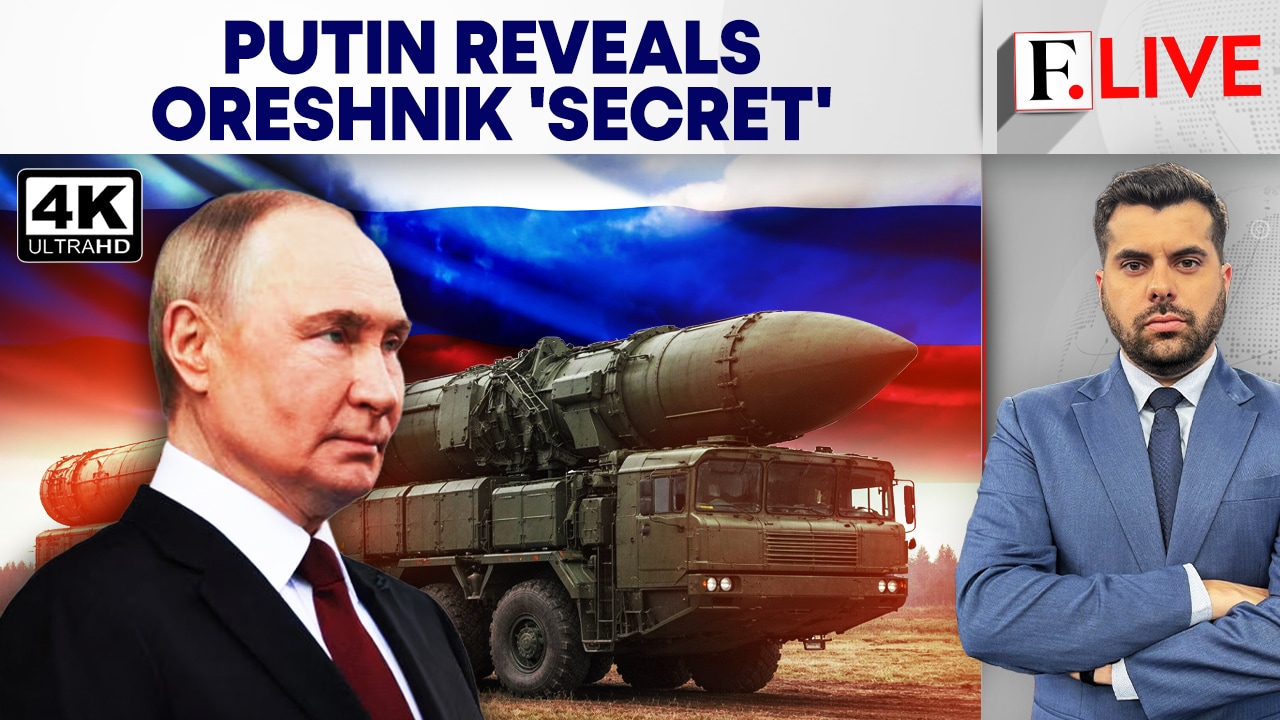
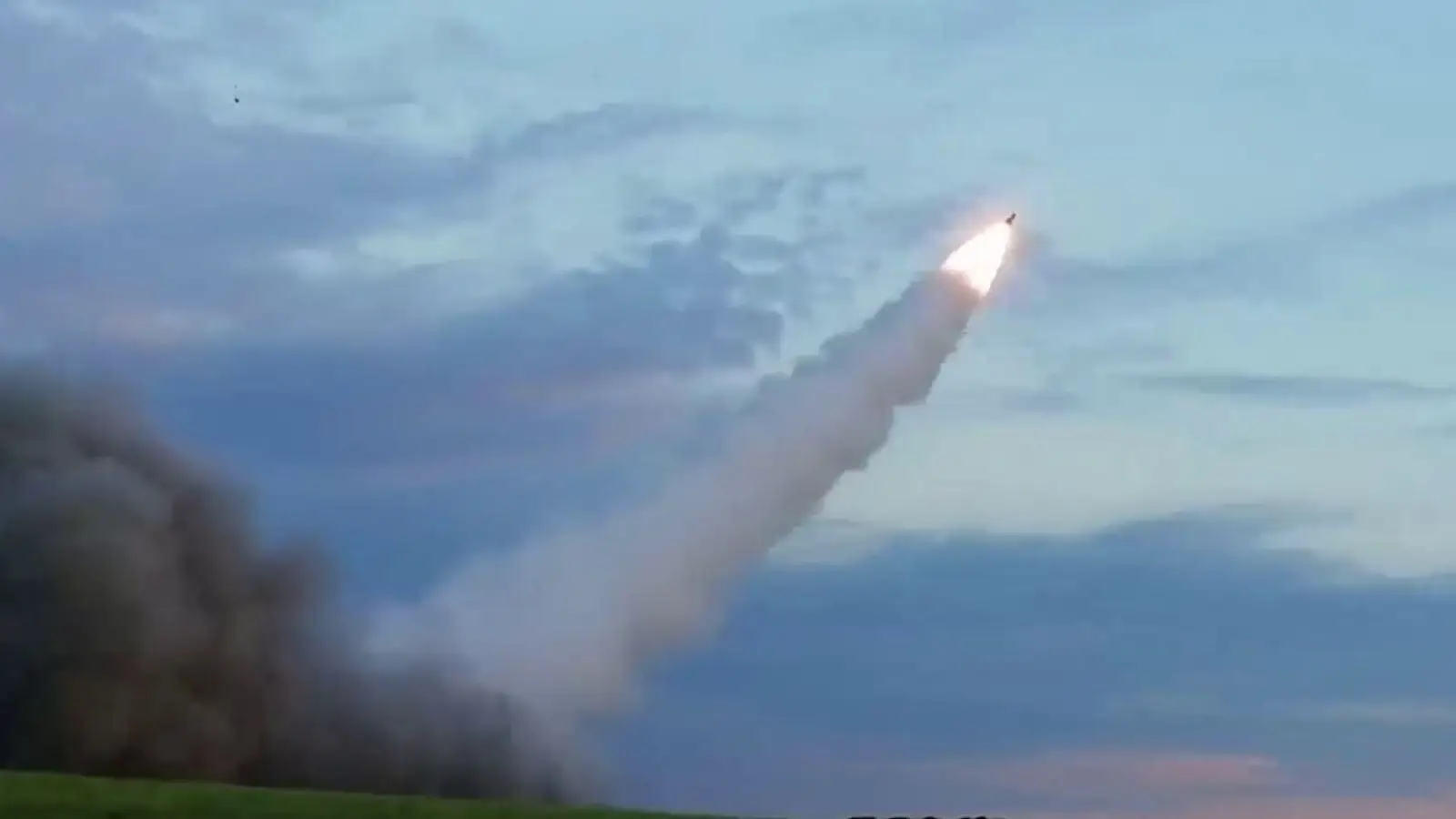
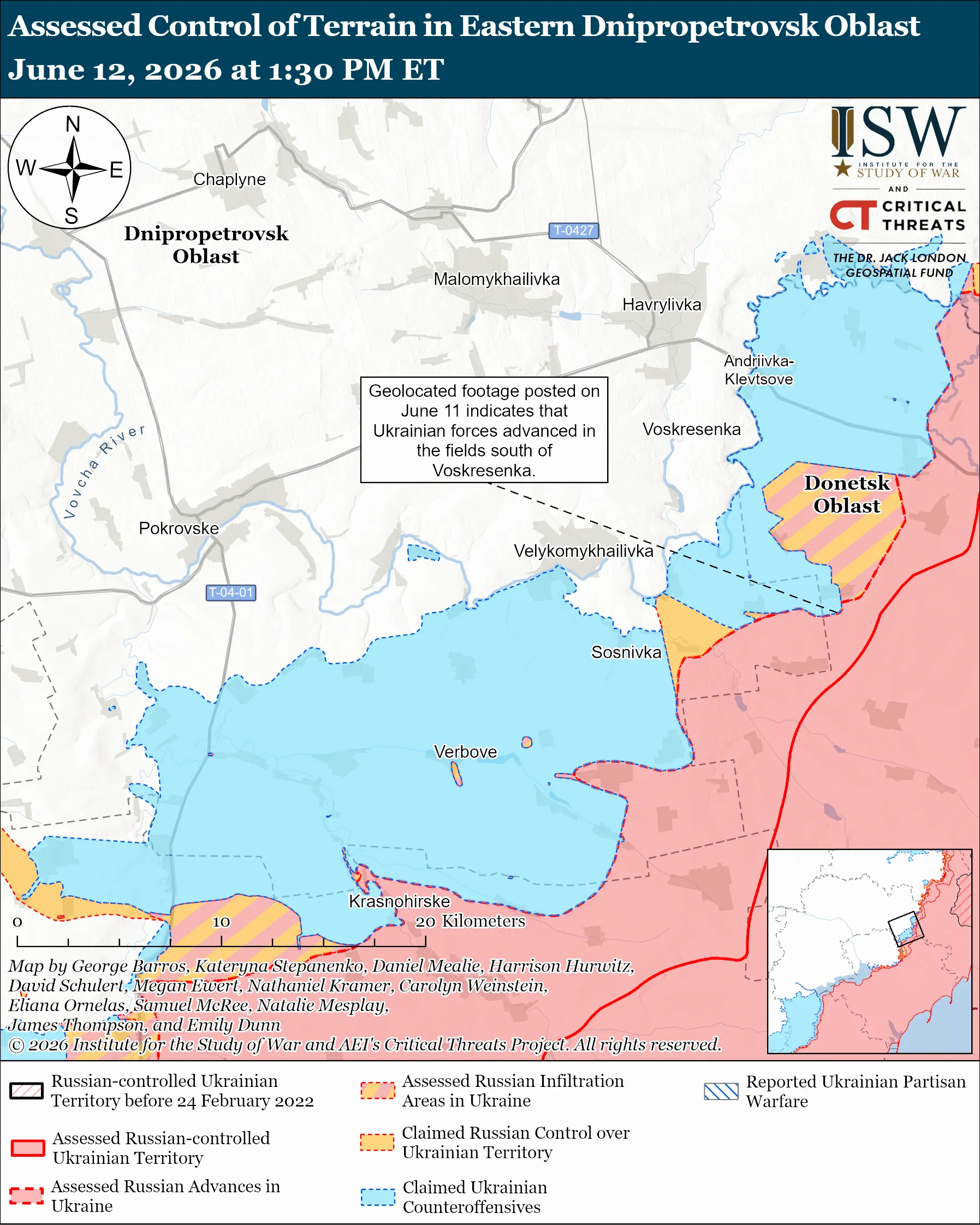
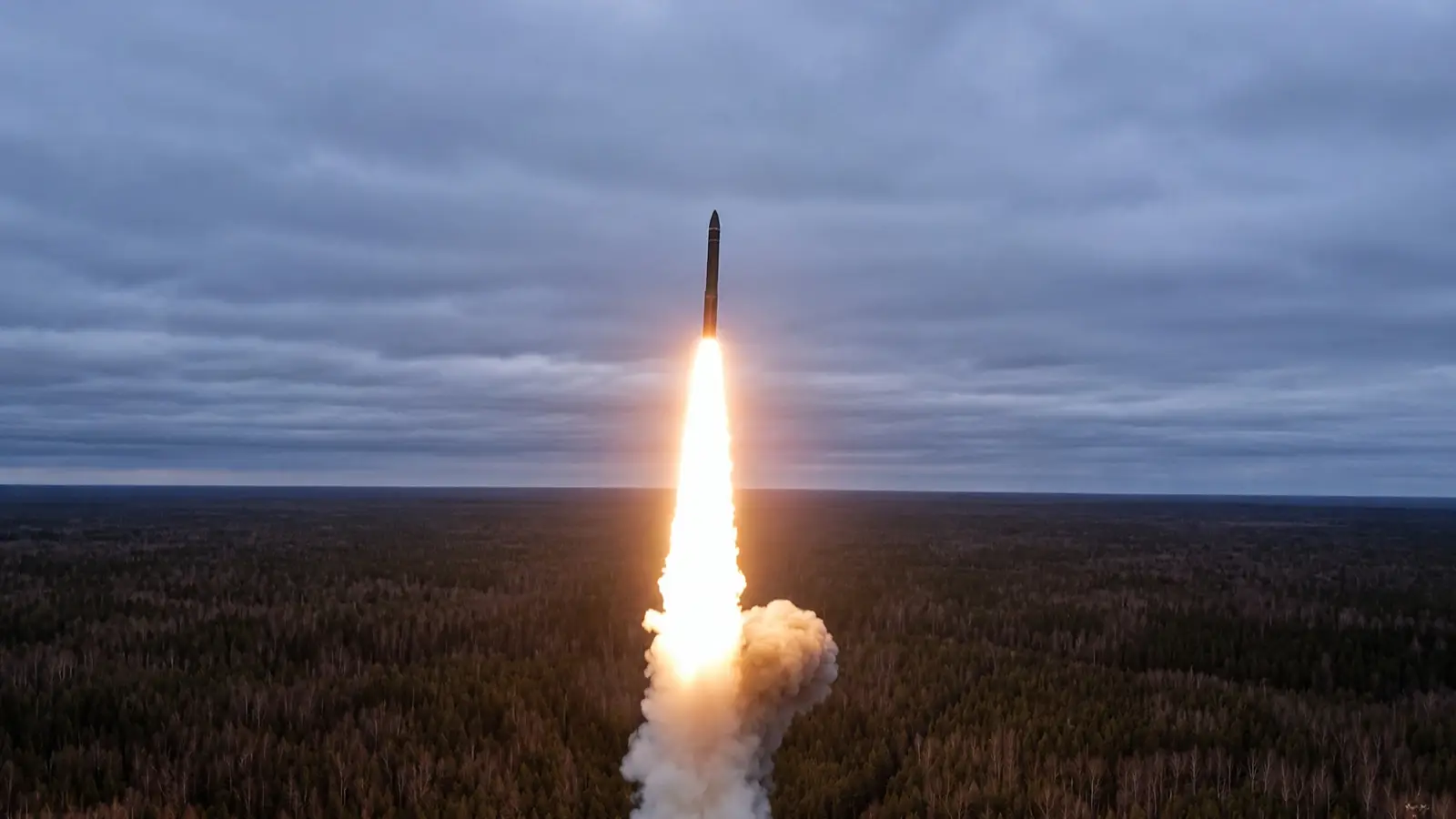
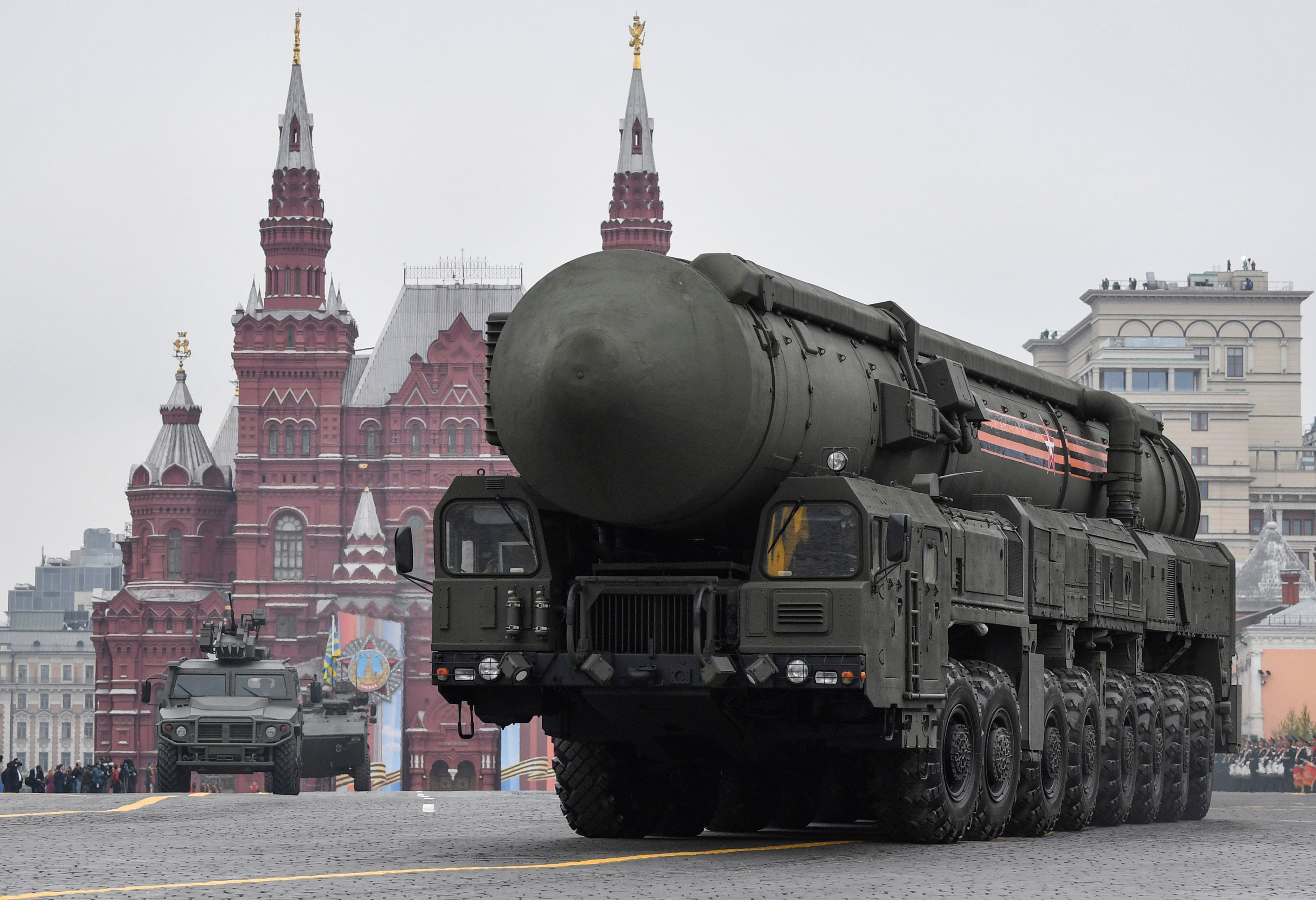
The escalating Russia-Ukraine military conflict, marked by Russia's deployment of advanced Oreshnik intermediate-range ballistic missiles (IRBM) and large-scale aerial assaults involving 600 drones and 90 missiles on May 24, 2026, presents significant operational and compliance risks for cross-border e-commerce sellers. Ukraine's Air Force issued warnings on June 12, 2026, of high-probability missile launches within 24-48 hours from Kapustin Yar, indicating sustained military pressure on critical infrastructure. The Institute for the Study of War (ISW) assessment reveals Russian forces have experienced declining advance rates since November 2025 with net territorial losses in April-May 2026, while Ukraine's expanding long-range strike campaign has disrupted Russian supply routes and logistics networks across southern Ukraine and occupied Crimea.
For e-commerce sellers, this conflict creates three critical operational challenges: (1) Supply Chain Disruption - Sellers sourcing electronics, components, or finished goods from Ukrainian manufacturers face production halts and logistics delays. The ongoing missile strikes target infrastructure, including potential manufacturing and distribution hubs. Sellers with inventory in transit through Eastern European corridors experience unpredictable shipping delays and increased insurance costs. (2) Compliance and Payment Processing - Sellers operating in or shipping to Ukraine encounter banking system disruptions, currency volatility (Ukrainian hryvnia fluctuations), and potential payment processing delays through platforms like Stripe and PayPal. Sanctions on Russian entities create compliance obligations for sellers inadvertently serving sanctioned parties. (3) Market Access Uncertainty - The conflict creates demand volatility: Ukrainian consumer purchasing power declines due to economic disruption, while demand for emergency/survival products (power banks, generators, first-aid supplies) spikes. Sellers must navigate platform policies on conflict-zone operations and potential liability for sales to affected regions.
The ISW assessment indicates Russia's cognitive warfare efforts, including AI-generated combat footage, signal potential disinformation affecting market sentiment and consumer confidence in cross-border transactions. Sellers relying on Ukrainian 3PL providers or fulfillment centers face operational continuity risks. The conflict's duration remains uncertain, but military assessments suggest sustained operations through 2026, creating medium-term (3-12 month) supply chain planning challenges for sellers dependent on Eastern European sourcing or logistics networks.
Questions 8
How does the Russia-Ukraine conflict affect my e-commerce supply chain if I source from Eastern Europe?
The ongoing military escalation, including Russia's deployment of advanced Oreshnik missiles and large-scale aerial assaults involving 600 drones and 90 missiles (May 24, 2026), directly threatens manufacturing and logistics infrastructure in Ukraine. Sellers sourcing electronics, components, or finished goods from Ukrainian suppliers face production halts, shipping delays through disrupted corridors, and increased insurance costs. The ISW assessment indicates Ukraine's expanding long-range strike campaign has disrupted Russian supply routes, creating unpredictable logistics timelines. Immediate action: audit your supplier locations, establish backup sourcing from non-conflict regions, and increase inventory buffers by 30-60 days for critical SKUs.
How does currency volatility in Ukraine impact my pricing and profitability?
The Ukrainian hryvnia has experienced 20-30% volatility during conflict periods, directly affecting seller margins. If you price in USD but accept hryvnia payments, currency fluctuations can compress margins by 5-15% monthly. Mitigation strategies: (1) **Dynamic Pricing** - Implement currency-hedged pricing that adjusts weekly based on exchange rates. (2) **Payment Currency** - Require USD or EUR payments from Ukrainian customers to eliminate currency risk. (3) **Hedging Tools** - Use forward contracts through payment processors like Wise or OFX to lock exchange rates for 30-90 days. (4) **Margin Buffers** - Increase prices by 8-12% for Ukrainian market to absorb volatility. Monitor hryvnia/USD rates daily through XE.com or OANDA.