



Artist IP Rights Crisis | TikTok Platform Liability & Creator Protection Trends 2026
- Unauthorized government music usage sparks 6+ artist backlash; reveals platform moderation gaps affecting 300M+ follower accounts and digital content licensing enforcement








Overview
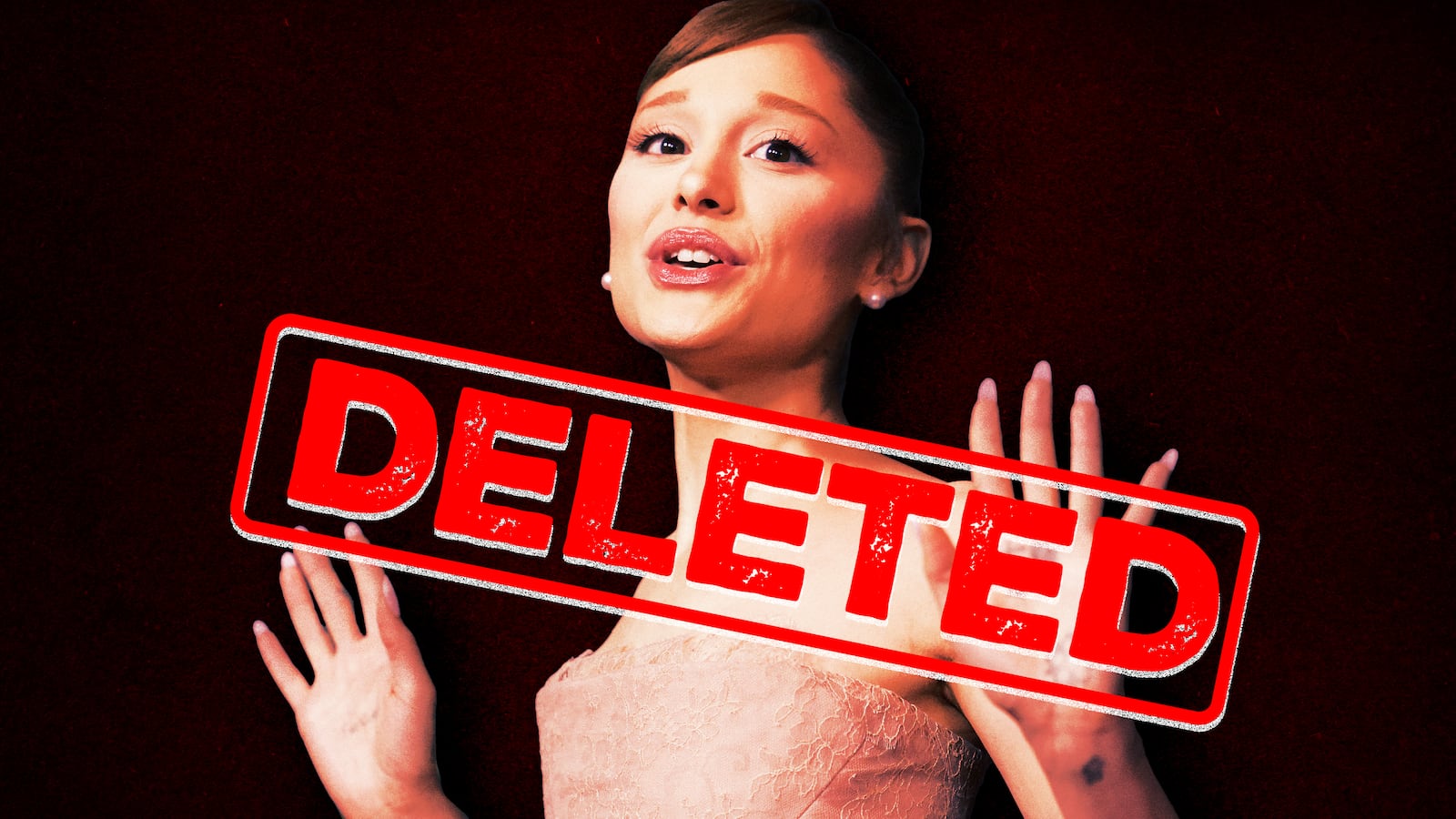
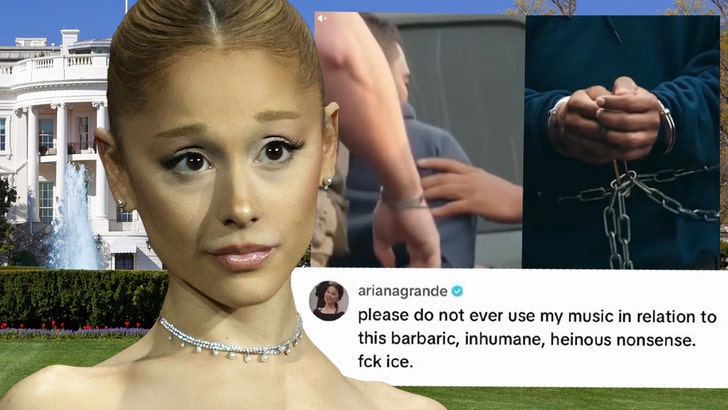
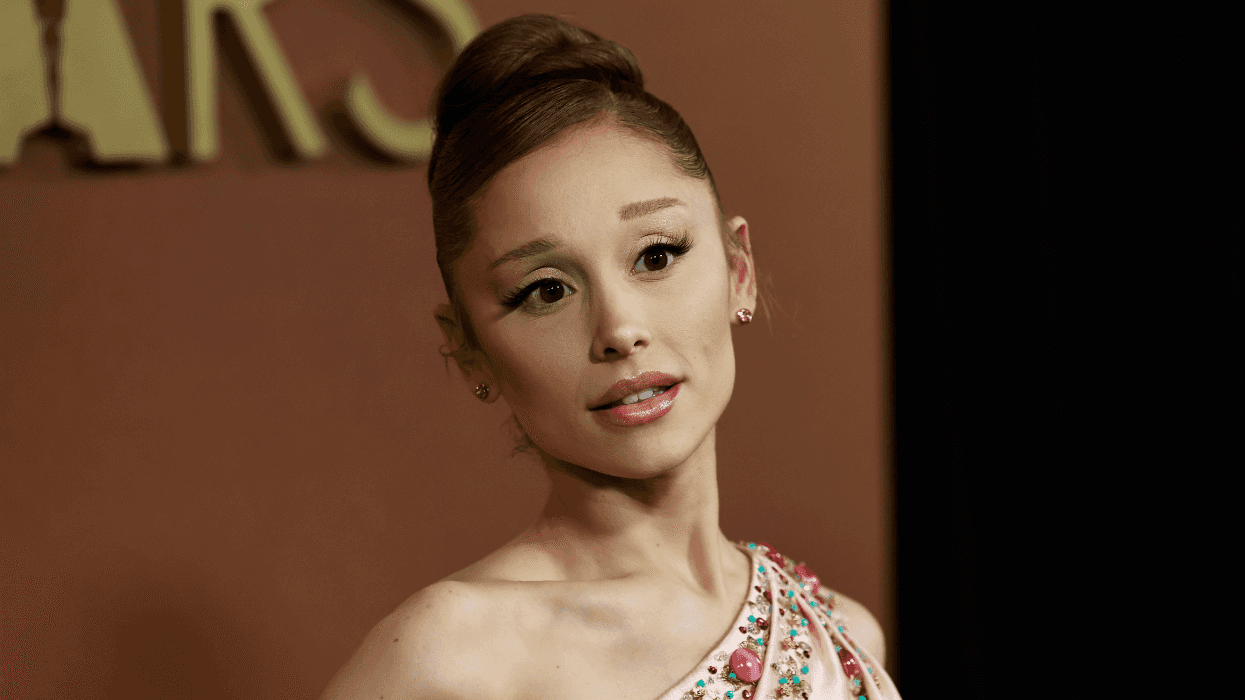
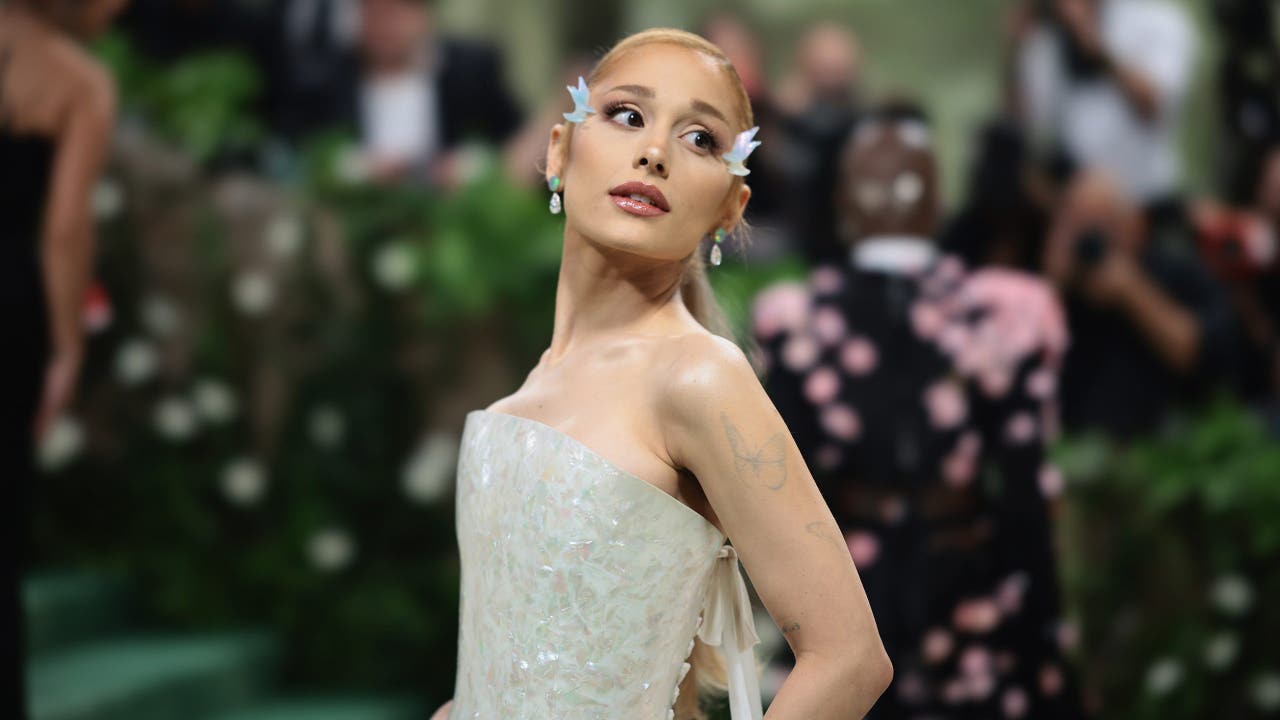
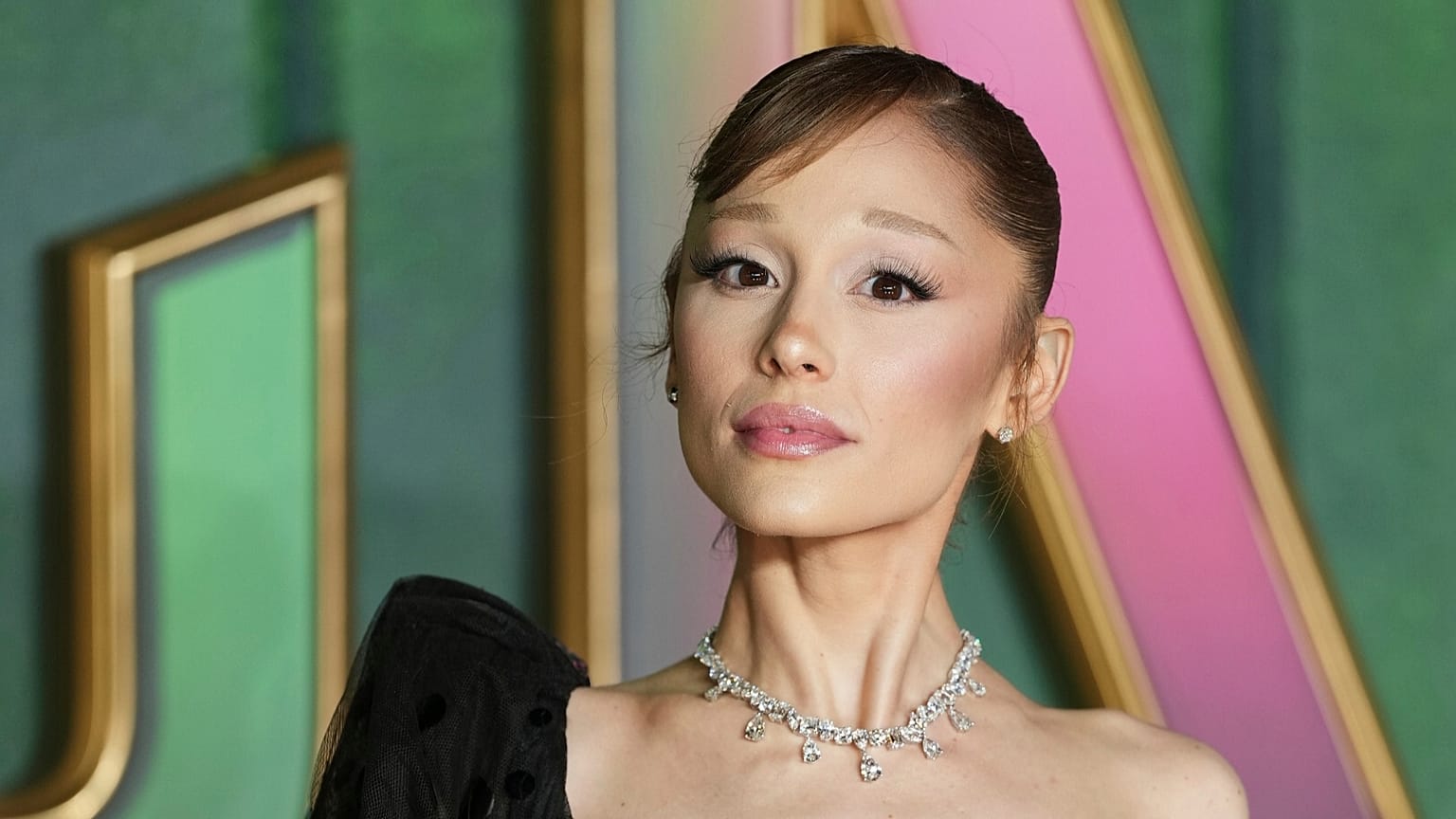
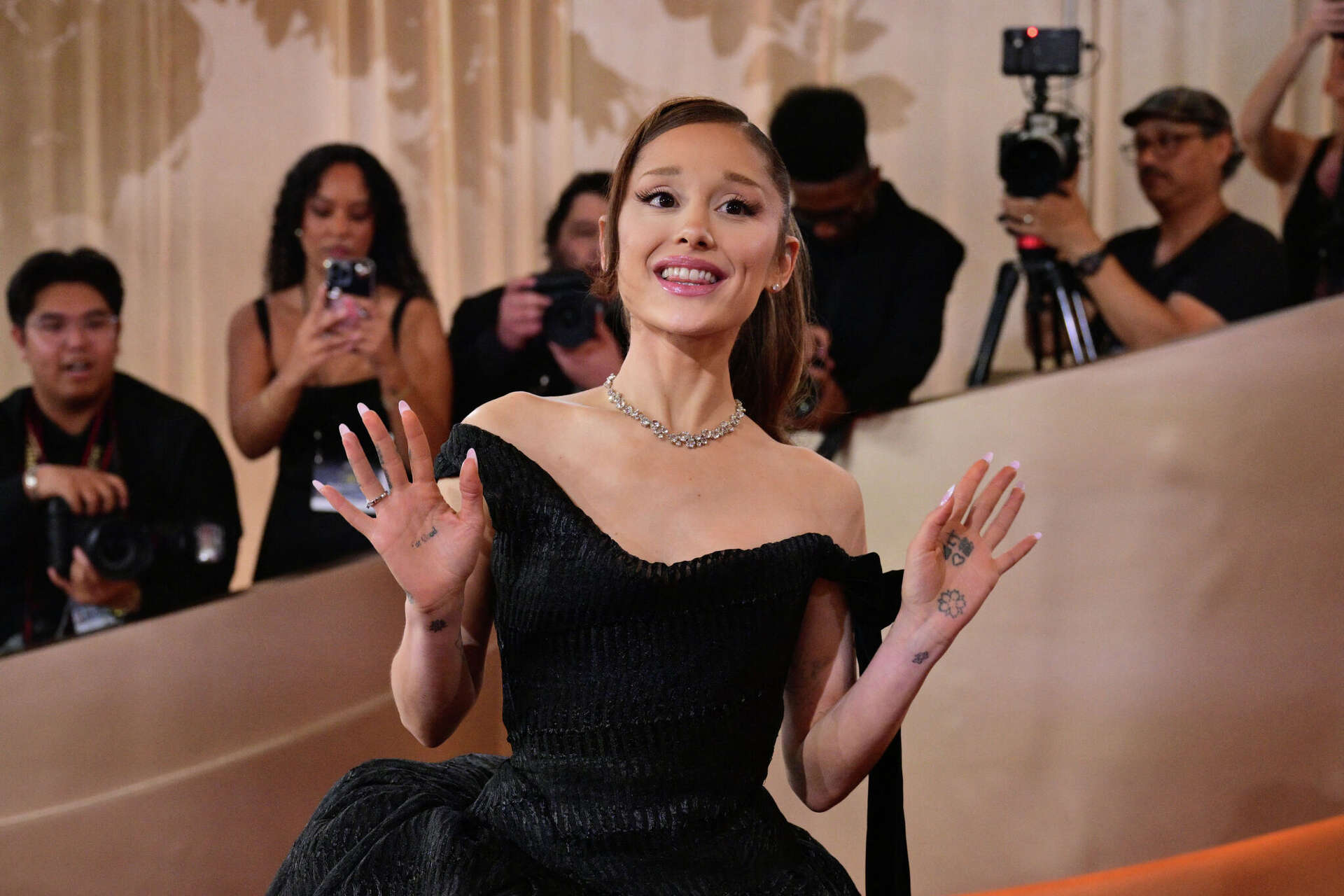
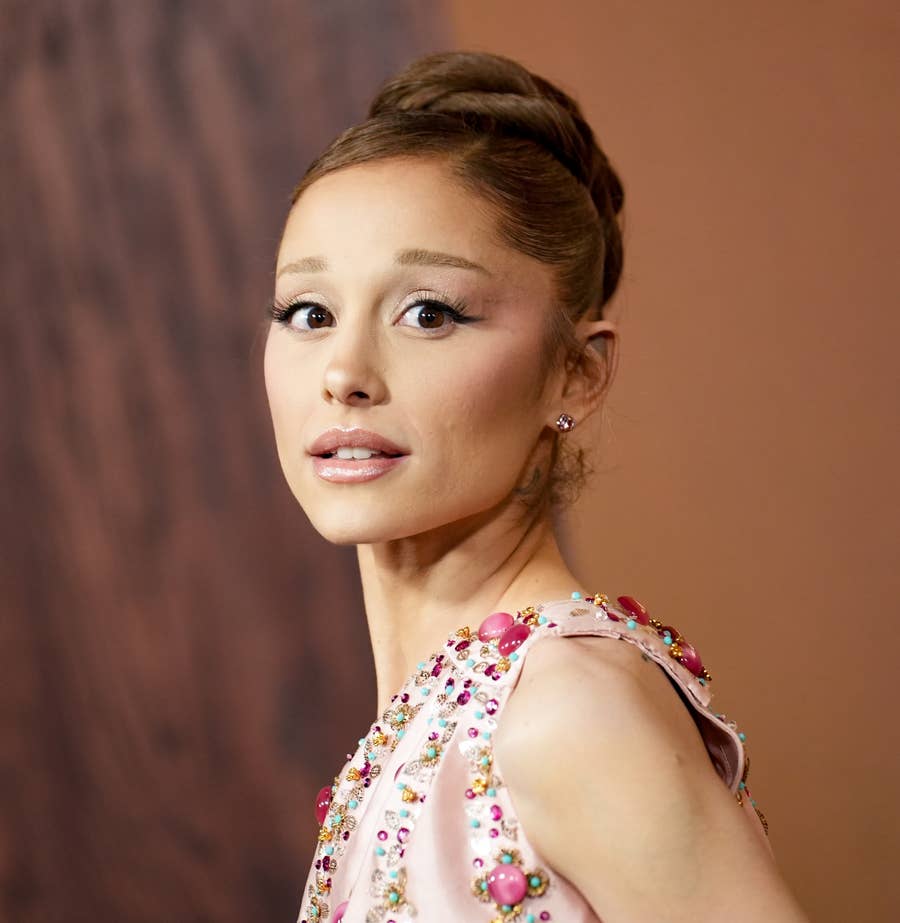
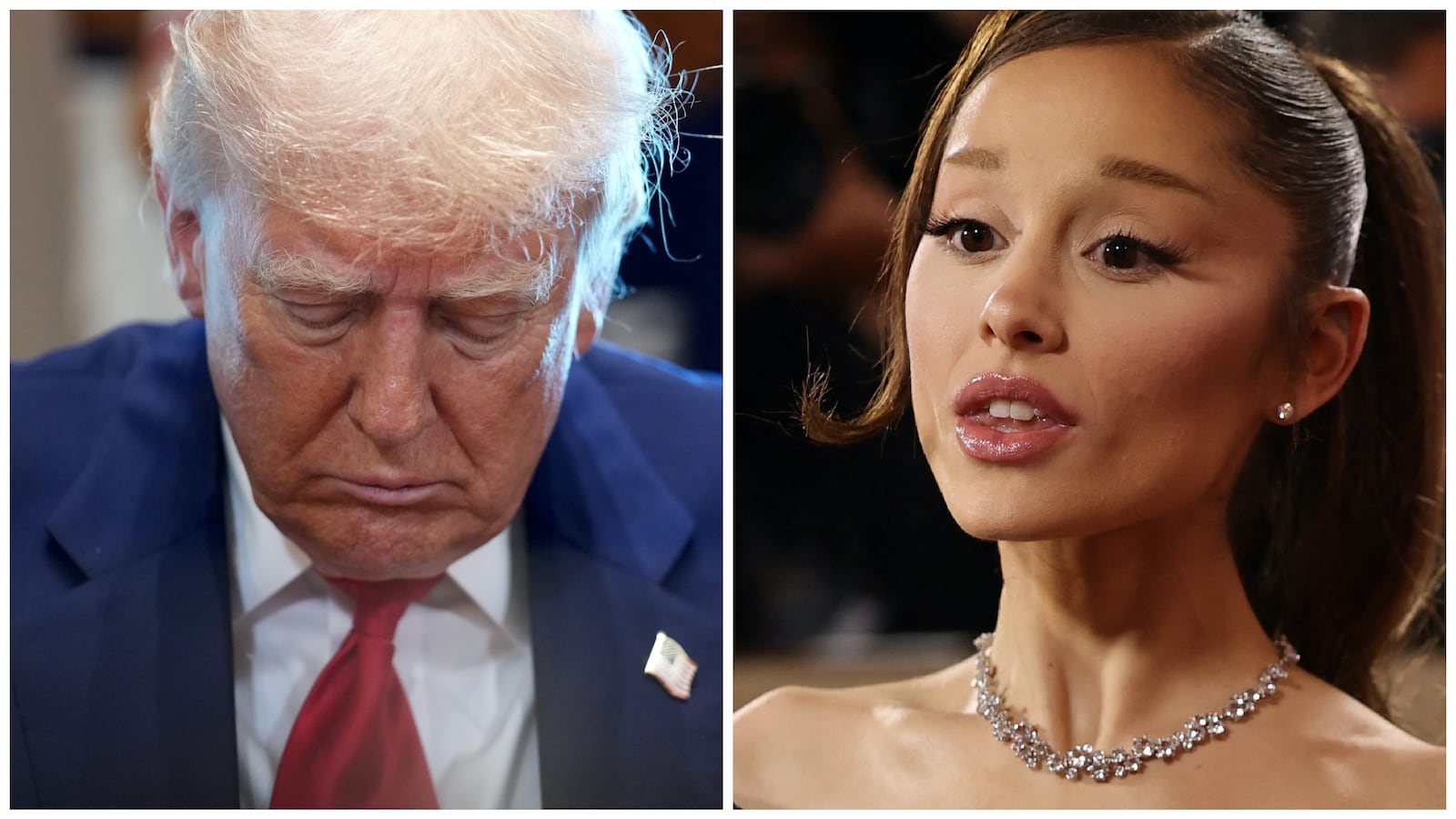
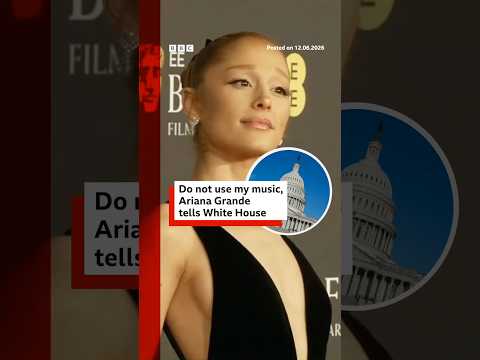
The unauthorized use of Ariana Grande's 2024 song "Bye" in a White House TikTok immigration enforcement video on June 12, 2026, has exposed critical vulnerabilities in digital content protection and platform accountability mechanisms. Grande's public objection—followed by deletion of her critical comment and removal of the audio—demonstrates how government entities and platforms operate in legal gray zones regarding artist intellectual property rights. The incident represents a systemic pattern: Olivia Rodrigo, Celine Dion, Rihanna, Beyoncé, and Sabrina Carpenter have all publicly objected to unauthorized music usage by the Trump administration, with comments systematically removed from official accounts.
For digital content creators and music licensing platforms, this signals urgent compliance gaps. The White House's ability to delete Grande's comment from its own TikTok account raises questions about platform moderation standards for government accounts versus commercial sellers. TikTok's content ID system—which typically flags unauthorized music within seconds for commercial users—appears to have failed or been bypassed for official government content. This creates asymmetric enforcement: independent sellers face immediate takedowns and account suspensions for minor copyright violations, while government entities operate without equivalent accountability. The pattern of comment deletion across multiple artists' accounts suggests deliberate content suppression rather than technical error, indicating potential violations of platform transparency standards.
The broader implication affects music licensing marketplaces, digital asset platforms, and creator economy infrastructure. Grande's subsequent launch of The Brighter Days Ahead Foundation (supporting vulnerable communities including immigrants) demonstrates how political controversies now drive creator brand positioning and charitable initiatives. For sellers in music licensing, digital asset distribution, and creator tools categories, this incident highlights growing demand for: (1) automated copyright protection tools that work against institutional actors, (2) transparent licensing verification systems, (3) creator legal defense resources, and (4) alternative platforms with stronger IP enforcement. The 300+ million followers Grande commands represent a significant audience segment increasingly concerned with artist rights and platform accountability—a demographic that drives purchasing decisions in digital tools, legal services, and creator-focused products.
Questions 7
What happens when government entities use copyrighted music without permission on social platforms?
Government use of copyrighted material typically falls into a legal gray zone where fair use claims are stronger than for commercial entities, but explicit permission is still required. In Grande's case, the White House used her 2024 song 'Bye' in a June 12, 2026 TikTok video without authorization, prompting immediate removal after public backlash. The incident reveals that platforms like TikTok apply different moderation standards to official government accounts—Grande's critical comment was deleted while the copyright violation itself took longer to address. For creators, this means government accounts may face fewer automated copyright strikes than commercial sellers, creating enforcement asymmetry.
What is The Brighter Days Ahead Foundation and how does it relate to this controversy?
Following the White House music dispute, Ariana Grande launched The Brighter Days Ahead Foundation on Friday (June 13, 2026), supporting vulnerable communities including immigrants facing detention and deportation. The foundation provides grants to organizations offering legal representation and bond assistance. This demonstrates how political controversies now drive creator brand positioning and charitable initiatives. For sellers in nonprofit services, legal tech, and social impact products, this signals growing demand from creator audiences for mission-aligned brands and services. Grande's 300+ million followers represent a demographic increasingly concerned with artist rights, immigration policy, and social justice—valuable audience segments for targeted product marketing.