


US-Europe Defense Decoupling Reshapes Cross-Border Trade | Tariff & Market Shifts
- Withdrawal of 5,000 US troops from Germany signals geopolitical realignment affecting EU-US trade corridors, tariff structures, and seller logistics networks across defense-adjacent and dual-use product categories







Overview
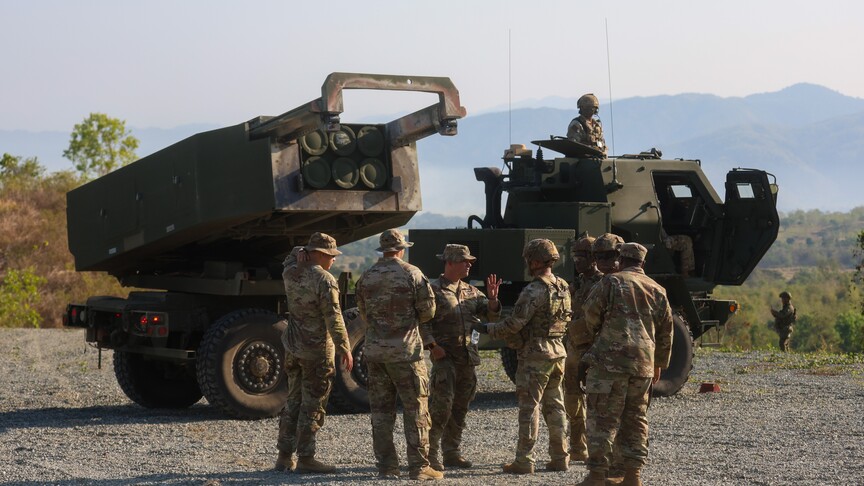
The Trump administration's deliberate security decoupling from Europe—evidenced by the Pentagon's denial of long-range Tomahawk missile sales to Germany, withdrawal of 5,000 U.S. troops from Germany, and reduction in planned military deployments—represents a fundamental geopolitical realignment with direct implications for cross-border e-commerce sellers. This policy shift signals a critical restructuring of the transatlantic trade relationship that has underpinned 80 years of integrated supply chains, tariff frameworks, and logistics networks.
Immediate Trade Policy Implications: The decoupling creates three distinct seller opportunities and risks. First, tariff arbitrage windows are opening as Europe accelerates independent defense spending and sovereign manufacturing capabilities. EU defense procurement is shifting toward domestic and allied suppliers (France, Germany, Poland), reducing U.S. defense contractor dominance and creating opportunities for European sellers to capture market share in dual-use technology categories (semiconductors, advanced materials, precision manufacturing). Second, market fragmentation is accelerating—the integrated NATO supply chain is splintering into regional blocs. Sellers currently leveraging US-EU trade agreements (USMCA, existing bilateral frameworks) face uncertainty as defense-related export controls tighten. Third, logistics network restructuring is imminent. The withdrawal of 5,000 troops from Germany signals reduced U.S. military logistics infrastructure in Europe, affecting fulfillment networks, customs processing, and shipping corridors that depend on military-adjacent infrastructure.
Competitive Dynamics Shift: European sellers gain structural advantages in the 1-3 month window before new tariff regimes solidify. Companies manufacturing in Germany, Poland, and France can now compete directly with U.S. suppliers in EU markets without the previous NATO-integrated supply chain preference. U.S.-based sellers shipping to Europe face increasing regulatory complexity—Secretary of State Marco Rubio's blocking of European defense capability development signals tighter export controls on dual-use goods (electronics, software, precision components). This creates a 30-60 day window for sellers to audit their product compliance classifications and supply chain dependencies before new export control regimes take effect.
Sourcing Country Shifts: The policy accelerates the "China+1" strategy but with a European twist. Sellers previously sourcing from U.S. suppliers for EU distribution should evaluate German, Polish, and Czech manufacturers as alternatives. These countries are increasing defense spending (Germany: €100B+ announced), creating manufacturing capacity in precision electronics, advanced materials, and industrial components that will compete with U.S. imports. Tariff rates on dual-use goods (HS codes 8471-8549, 7326-7329) may shift 5-15% within 6 months as EU implements independent tariff schedules.
Questions 8
How should US-based sellers adjust their EU distribution strategy?
U.S.-based sellers should expect increased regulatory complexity and potential tariff increases on goods shipped to Europe. The optimal strategy involves: (1) Shifting 20-30% of inventory to European 3PL providers in Germany, Poland, or Czech Republic by Q1 2025; (2) Evaluating local sourcing from European manufacturers to reduce tariff exposure; (3) Monitoring EU tariff schedule changes (typically published 60 days before implementation). Sellers in electronics, precision manufacturing, and industrial components face the highest risk. Consider establishing EU VAT registration and local warehousing to mitigate tariff impacts and reduce shipping delays from the reduced military logistics infrastructure.
Which product categories face export control tightening due to defense decoupling?
Secretary of State Marco Rubio's blocking of European defense capability development signals tighter export controls on dual-use goods including semiconductors (HS 8541-8542), software (HS 4901-4902), precision components (HS 7326-7329), and advanced materials (HS 2805-2842). Sellers in these categories should immediately audit product compliance classifications and supply chain dependencies. The U.S. Bureau of Industry and Security (BIS) typically implements new export control lists within 60-90 days of policy announcements. Sellers should consult BIS.doc.gov and implement compliance monitoring by March 2025 to avoid penalties of $300,000+ per violation.