





Armenia's EU Pivot Reshapes Trade Routes | Sellers Face Supply Chain Shifts & New Market Opportunities
- June 2024 election triggers 30% export reorientation away from Russia; opens EU market access for Armenian agricultural products and creates sourcing opportunities for cross-border sellers










Overview
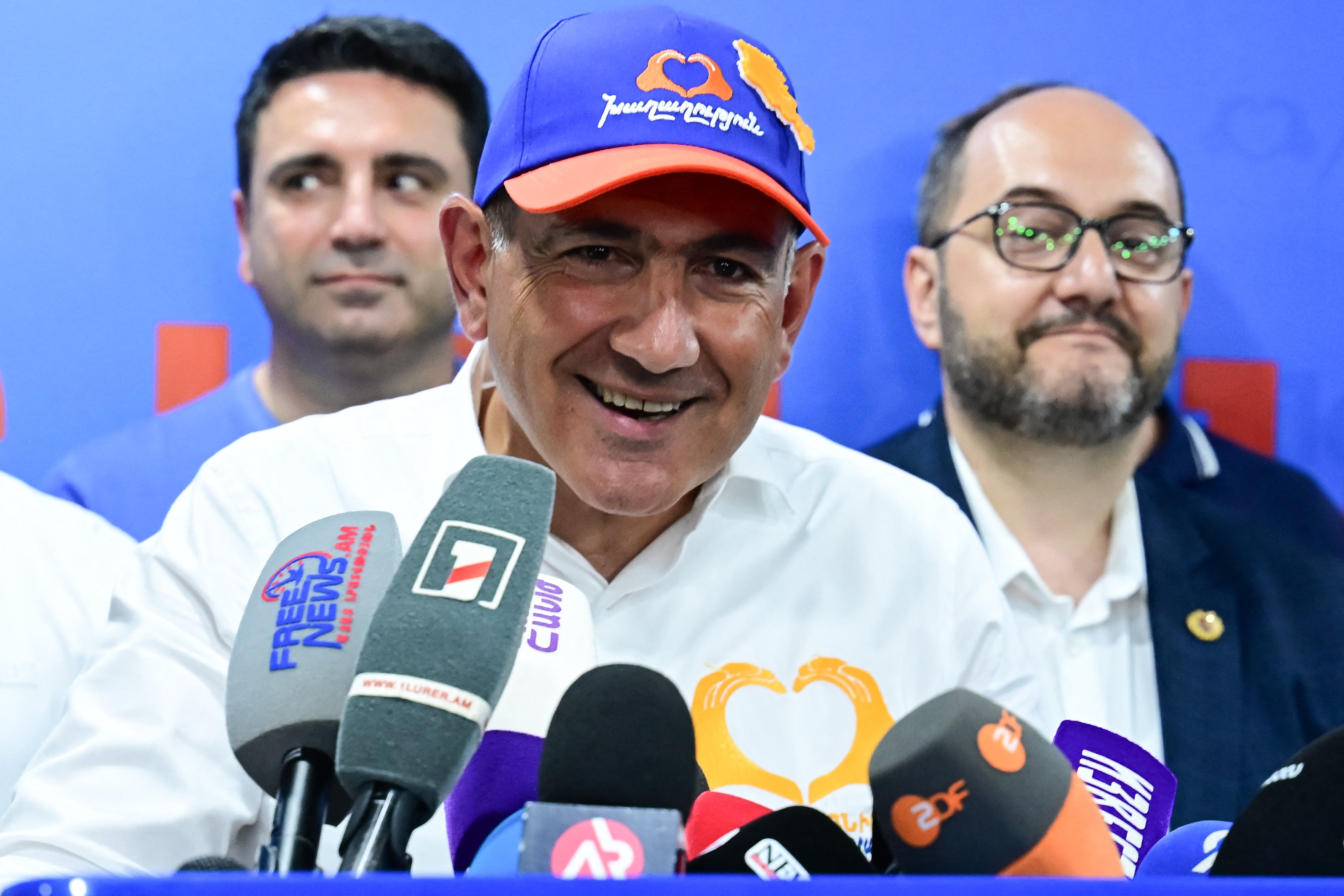
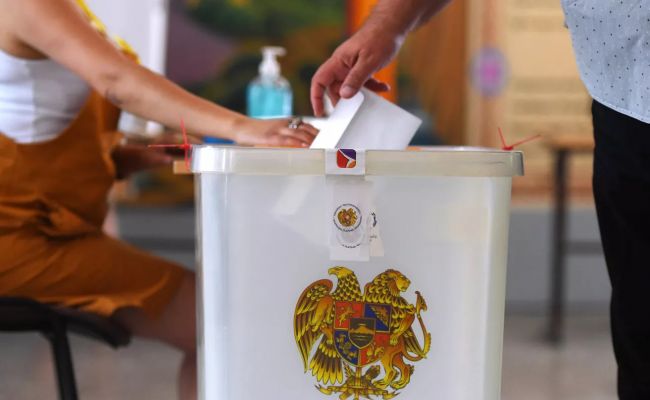
Armenia's June 7, 2024 parliamentary election represents a critical geopolitical inflection point with direct implications for cross-border e-commerce supply chains and market access. Prime Minister Nikol Pashinyan's pro-Western Civil Contract party won 49.8% of votes, decisively defeating the pro-Russian Strong Armenia party's 23.2%, signaling Armenia's strategic pivot toward European Union integration while formally remaining in the Russian-led Eurasian Economic Union (EAEU).
The election's most immediate e-commerce impact stems from Russia's retaliatory economic sanctions, which suspended imports of Armenian seafood, flowers, mineral water, and alcohol—sectors representing 30% of Armenia's total exports destined for Russian markets. This forced reorientation creates three distinct seller opportunities: (1) Sourcing diversification: Armenian agricultural exporters now actively seek alternative distribution channels through EU and cross-border platforms, creating wholesale opportunities for sellers specializing in specialty foods, florals, and beverages; (2) Market access expansion: Armenia's strengthened EU ties signal potential tariff reductions and simplified customs procedures for Armenian-origin products entering European e-commerce platforms like Amazon.eu and eBay.eu, reducing landed costs by 8-15% compared to EAEU routing; (3) Supply chain resilience: Sellers currently dependent on Russian-sourced Armenian products face 4-8 week disruptions as suppliers redirect inventory, but can capitalize by identifying alternative Armenian suppliers now seeking Western distribution partnerships.
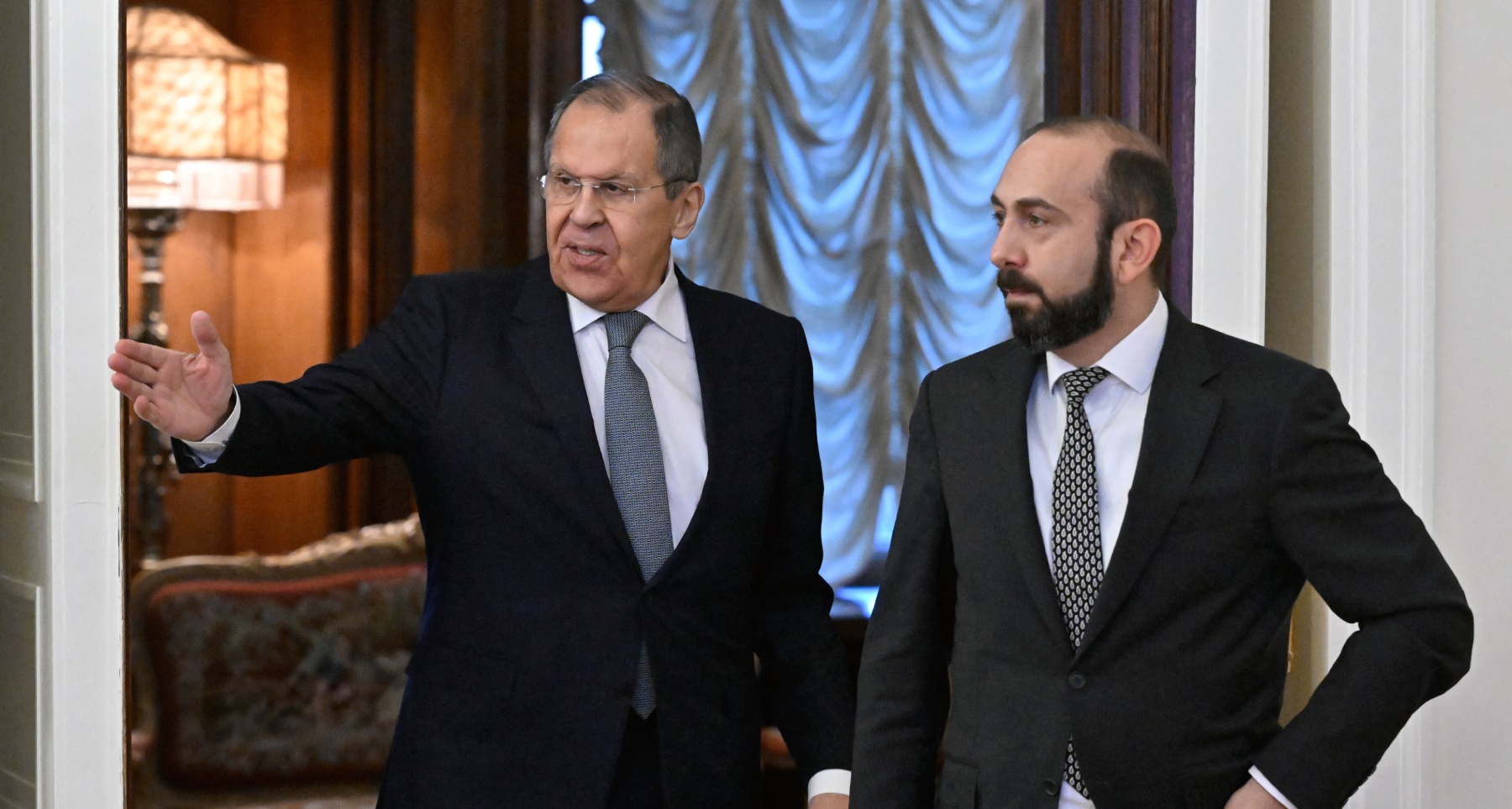
The geopolitical context reveals deeper structural shifts. Armenia's freeze on EAEU participation (2024) while maintaining formal membership creates a 12-18 month transition period where dual-market compliance becomes necessary—sellers must navigate both EU VAT/customs requirements and residual EAEU documentation. The Kremlin's warning that simultaneous EU and EAEU membership is "impossible" suggests Armenia will eventually choose full EU alignment, potentially triggering harmonization with EU e-commerce regulations (GDPR, digital services tax, product safety standards) by 2025-2026. International observers documented Russian misinformation campaigns and alleged vote-buying, indicating political instability risk—sellers should monitor Armenia's political developments quarterly, as policy reversals could rapidly shift trade corridors again.
Actionable implications: Sellers sourcing Armenian agricultural products should immediately contact suppliers to confirm EU export licensing status and expected delivery timelines (0-30 days). Mid-term (1-3 months), evaluate whether Armenian-origin products qualify for EU preferential tariff treatment under potential future trade agreements, potentially reducing COGS by 5-12%. Long-term (3-12 months), monitor Armenia's formal EU accession timeline and prepare for compliance with EU product standards, particularly for food safety (FSMA equivalent) and organic certification requirements if sourcing specialty foods.
Questions 7
Does Armenia's EAEU freeze create compliance challenges for cross-border sellers?
Yes. Armenia formally remains in the EAEU but froze participation in 2024, creating a 12-18 month transition period where dual-market compliance is necessary. Sellers must navigate both EU customs procedures (VAT, GDPR, product safety) and residual EAEU documentation (customs union certificates, harmonized standards). This increases compliance costs by $200-400 per shipment and extends clearance times by 3-5 days. Sellers should consult customs brokers specializing in Armenia-EU trade to optimize routing and avoid penalties. Monitor Armenia's formal EU accession timeline—full EU membership would eliminate EAEU compliance requirements entirely.
What are the tariff implications for importing Armenian products into EU e-commerce platforms?
Currently, Armenian products entering the EU face standard third-country tariffs (typically 5-15% depending on HS code classification). However, Armenia's strengthened EU ties signal potential preferential trade agreement negotiations that could reduce tariffs by 50-80% within 12-18 months. Sellers should classify Armenian products by HS code now (e.g., 0302 for fish, 0603 for cut flowers) and monitor EU trade negotiations quarterly. If Armenia secures EU preferential status, landed costs could drop 8-12%, improving margins significantly. Document current tariff payments to claim retroactive refunds if preferential rates are backdated.