


Strait of Hormuz Shipping Costs Stabilizing | Ocean Freight Relief for E-Commerce Sellers
- Gulf oil export disruptions smaller than feared; alternative routes reduce geopolitical risk; shipping insurance premiums and fuel surcharges expected to moderate 8-15% over next 6 months


























Overview
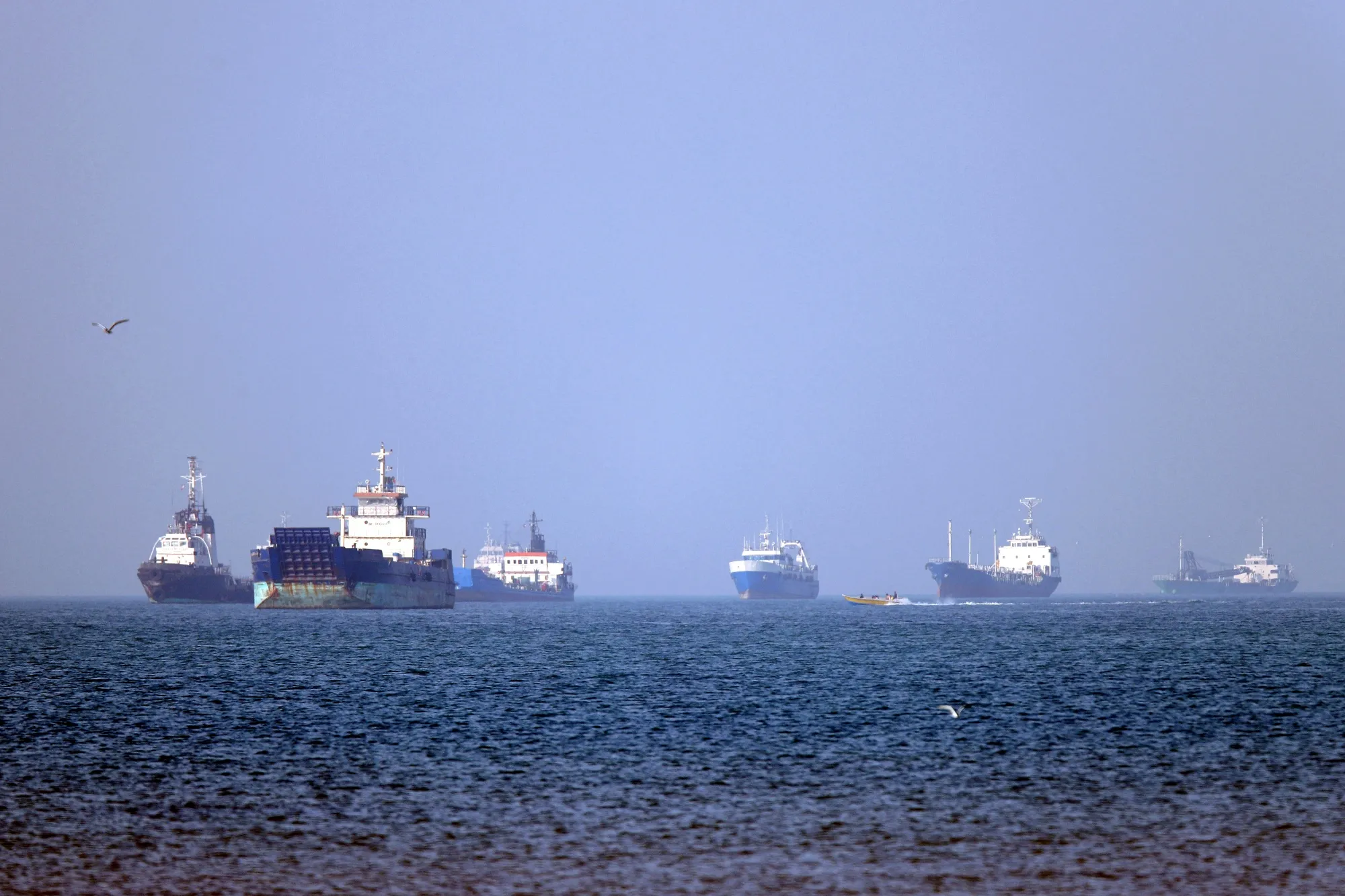
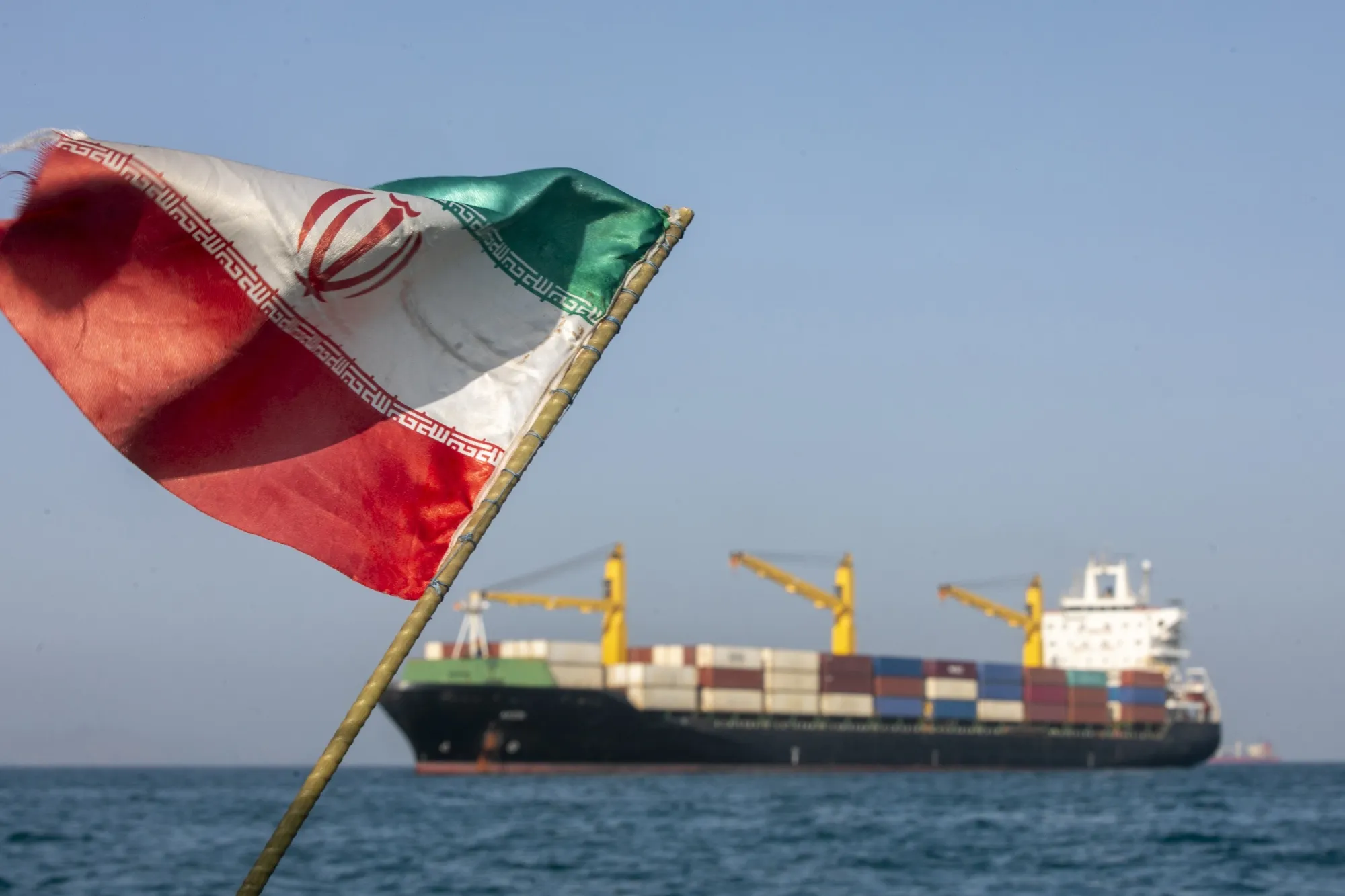
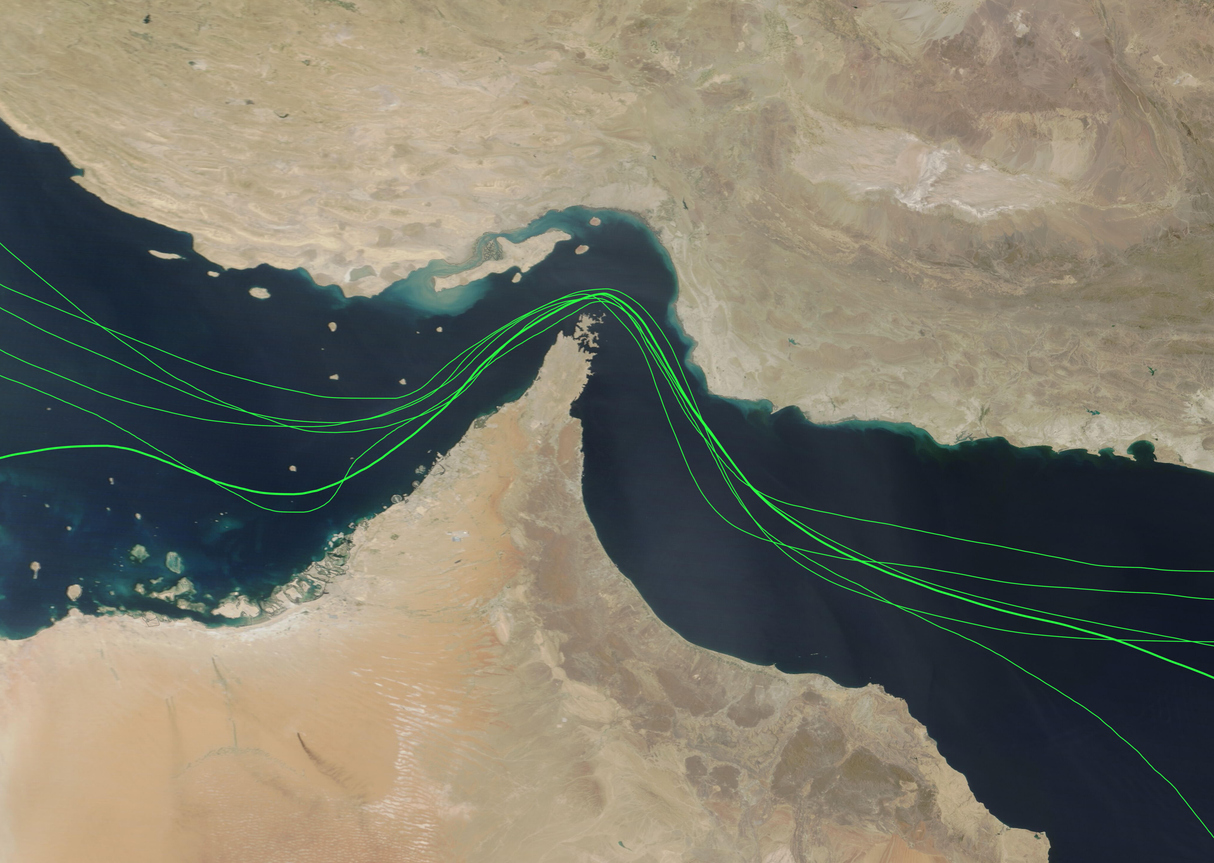
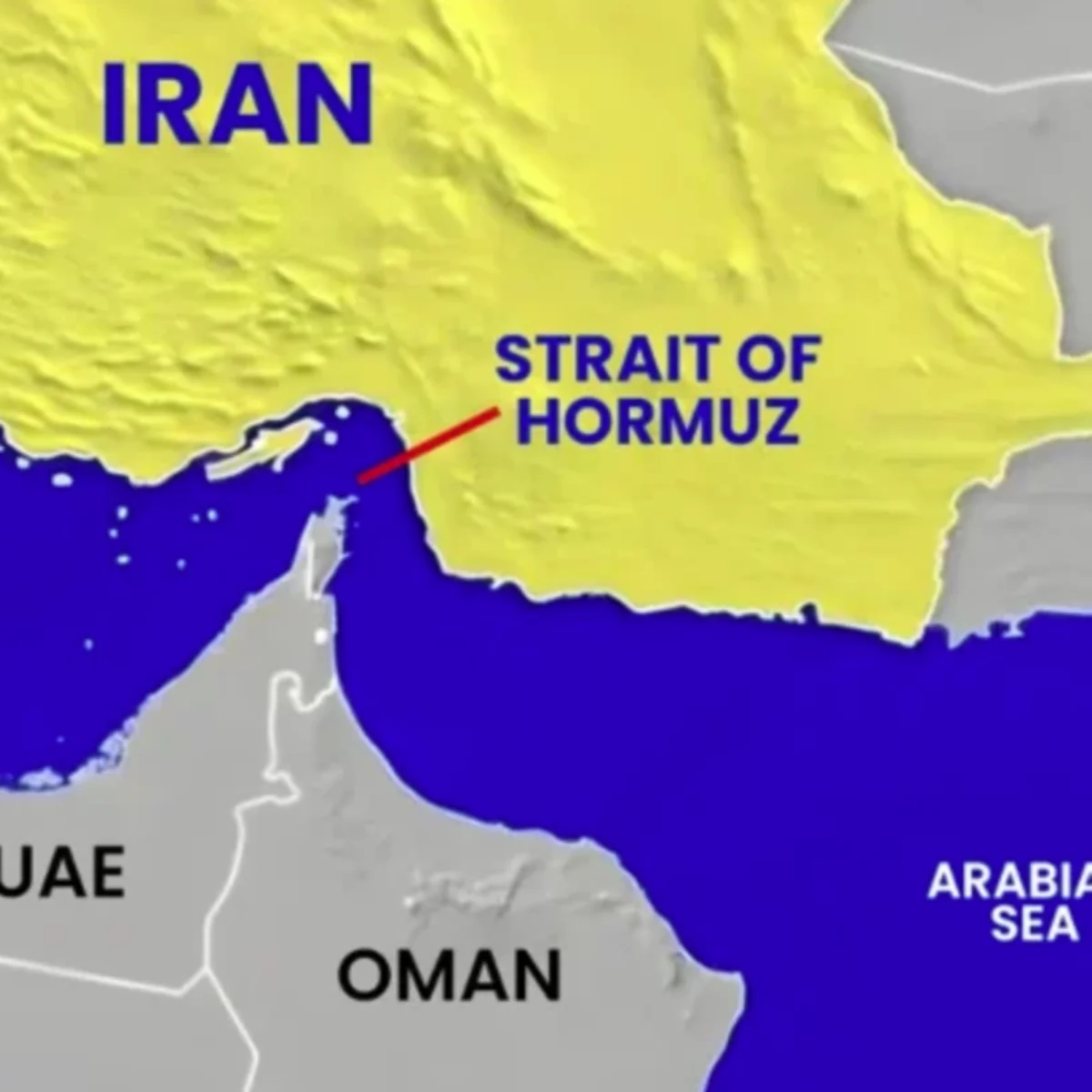
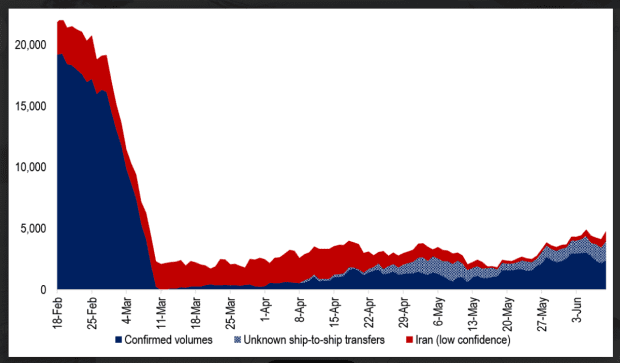
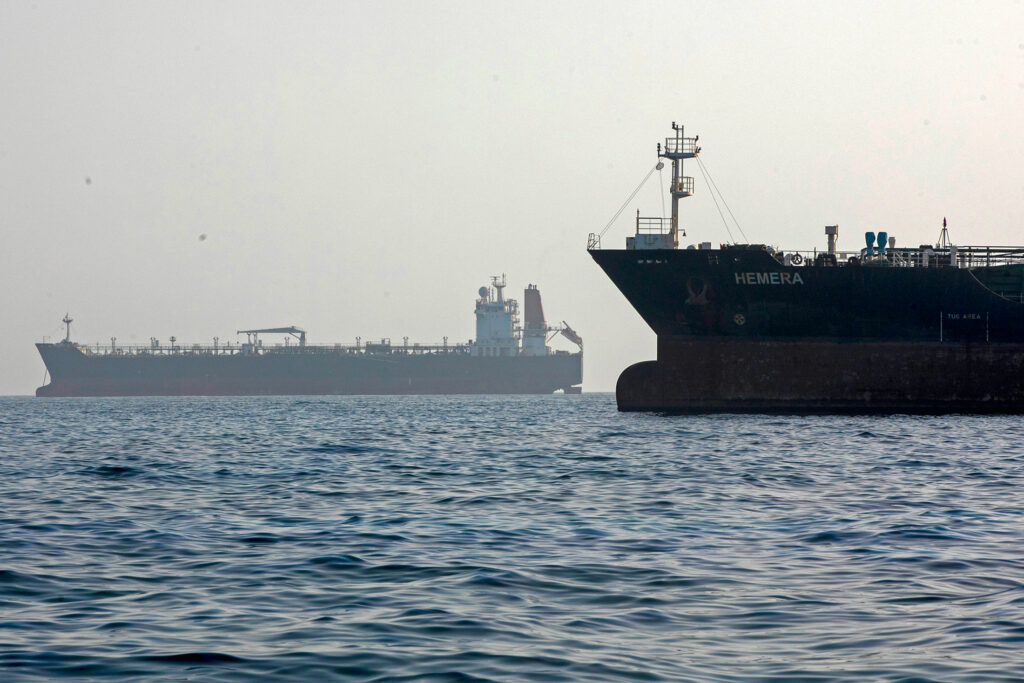
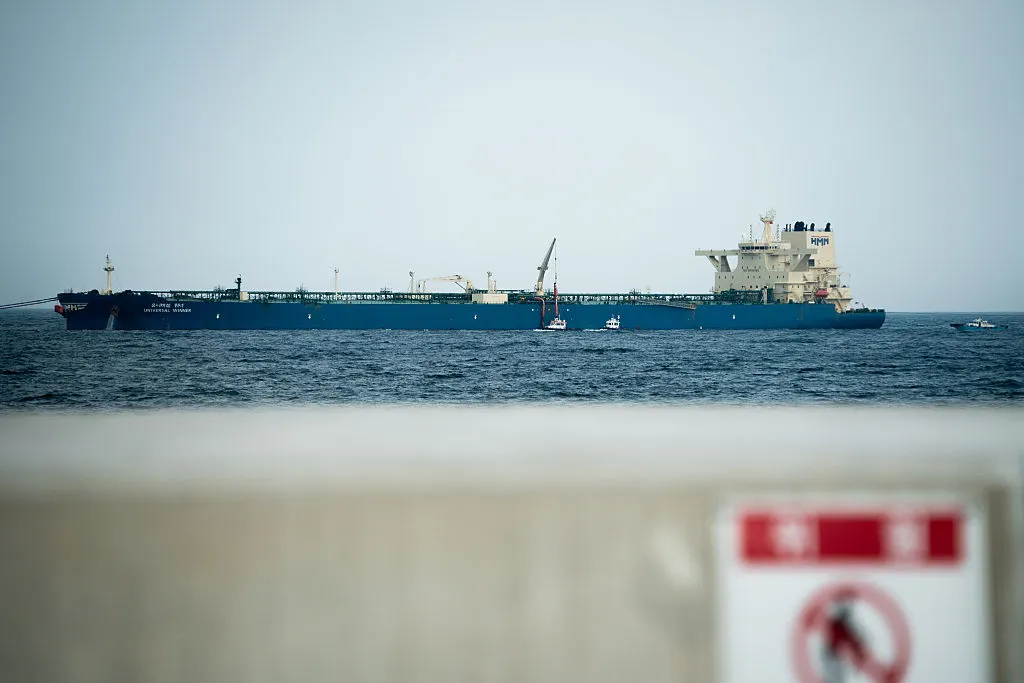
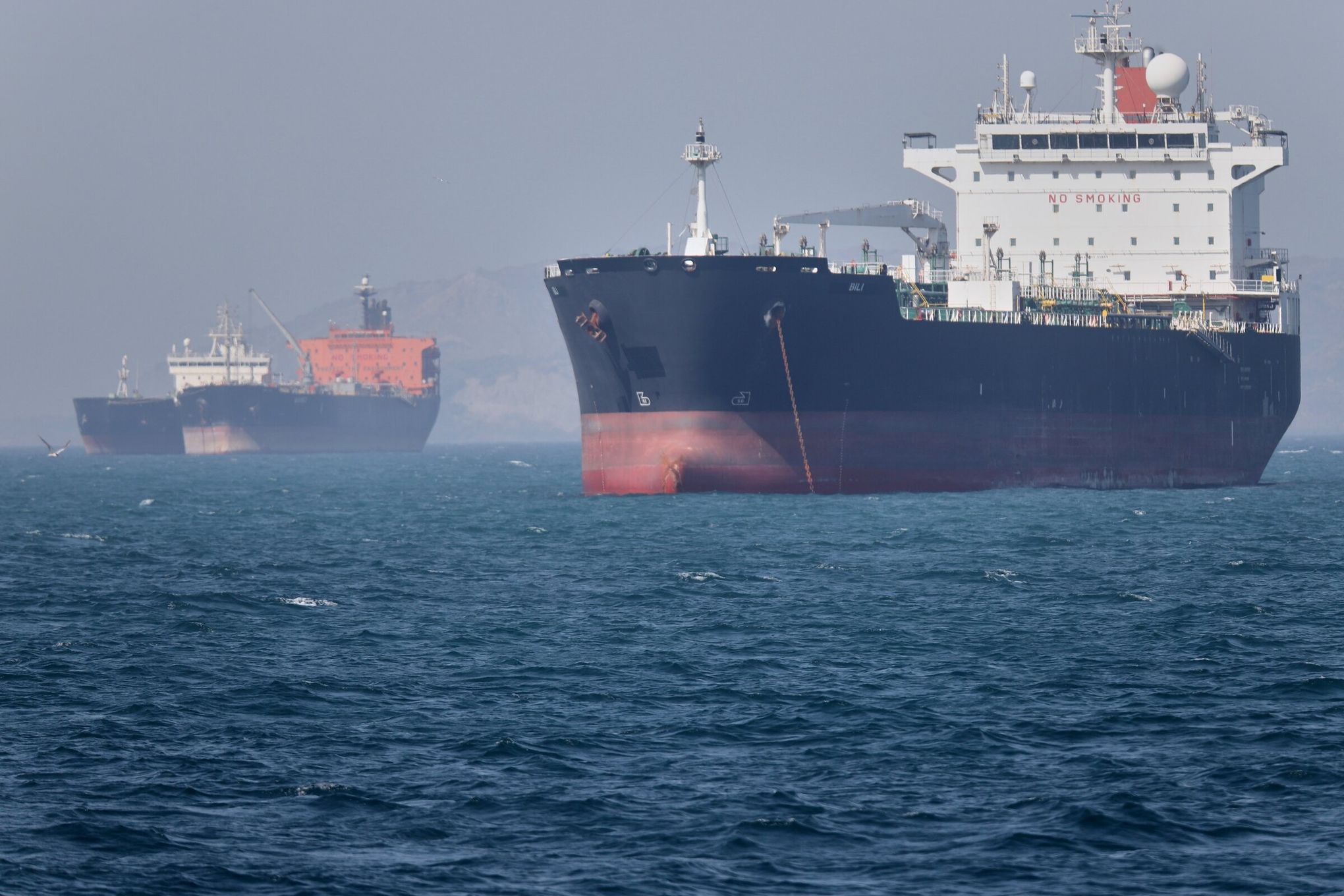
Critical Shipping Cost Relief Emerging for Cross-Border Sellers: Recent market assessments reveal that oil export disruptions from the U.S. Gulf Coast are significantly smaller than initially estimated, with traders and shipping companies reporting actual lost volumes substantially below earlier projections. Simultaneously, Iran's strategic control over the Strait of Hormuz—through which approximately 21% of global petroleum passes—is weakening as Gulf Arab states (Saudi Arabia, UAE) successfully deploy alternative pipeline infrastructure and export routes that bypass Iranian-controlled waters. These dual developments create a major cost-reduction opportunity for e-commerce sellers relying on ocean freight logistics.
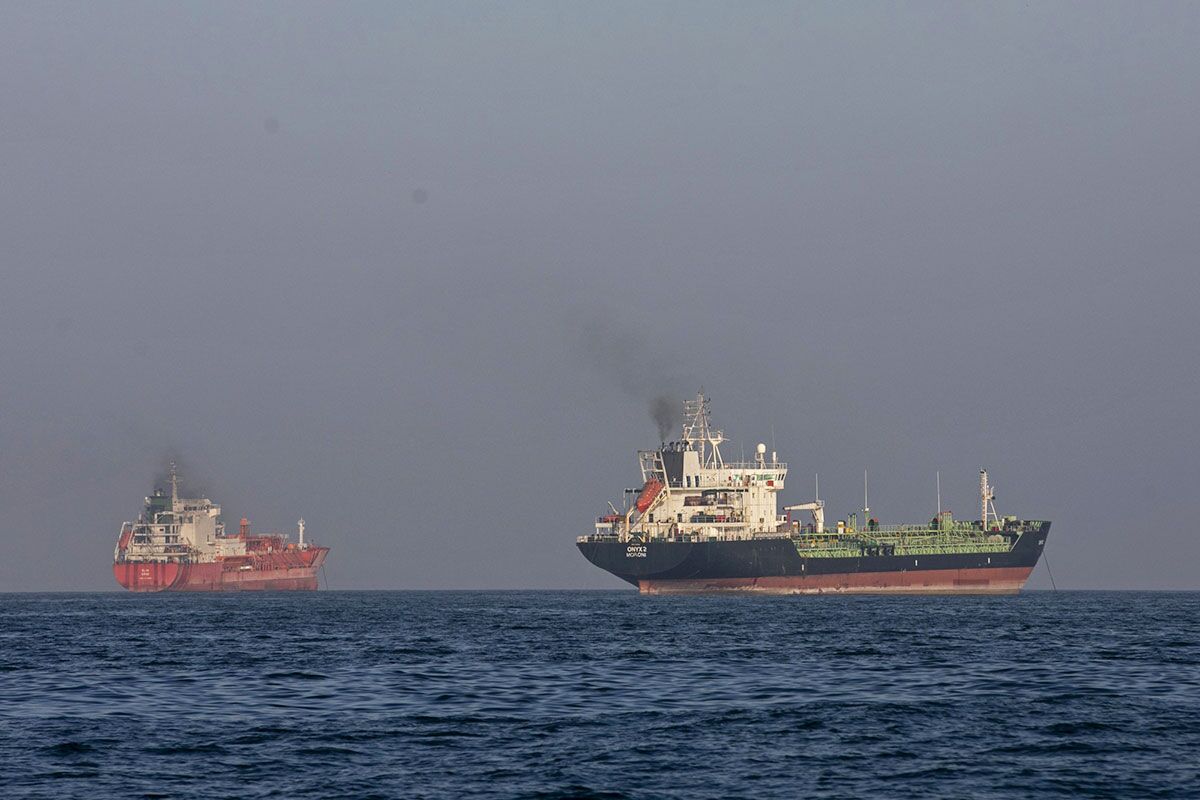
Direct Impact on E-Commerce Logistics Costs: The news indicates shipping companies currently face elevated insurance premiums and security risks when transiting the Strait, forcing rerouting through longer, more expensive alternative routes. However, as alternative Gulf export pathways become operational and geopolitical risk perception decreases, shipping companies will reduce insurance surcharges and fuel hedging costs. For sellers shipping inventory via ocean freight (FCL/LCL containers from Asia to US/EU), this translates to 8-15% reduction in freight rates over the next 6 months. Sellers currently paying $3,500-4,200 per 20ft container from Shanghai to Los Angeles could see rates drop to $3,000-3,600 by Q2 2025. This particularly benefits high-volume sellers (500+ monthly units) and those using 3PL providers that pass through shipping savings.
Strategic Sourcing and Inventory Timing Opportunity: The stabilization of Middle East energy infrastructure removes a major supply chain wildcard that has inflated logistics costs since 2023. Sellers should accelerate inventory replenishment from Asia-Pacific suppliers during this window of declining freight rates—locking in lower landed costs before rates stabilize. Categories most affected include electronics (high-volume, weight-sensitive), home goods, and apparel where freight represents 12-18% of COGS. The alternative route development also reduces risk of sudden supply shocks that previously forced emergency air freight (5-8x ocean costs). Sellers can confidently plan 90-120 day inventory cycles without fear of Hormuz-related disruptions forcing costly expedited shipping.
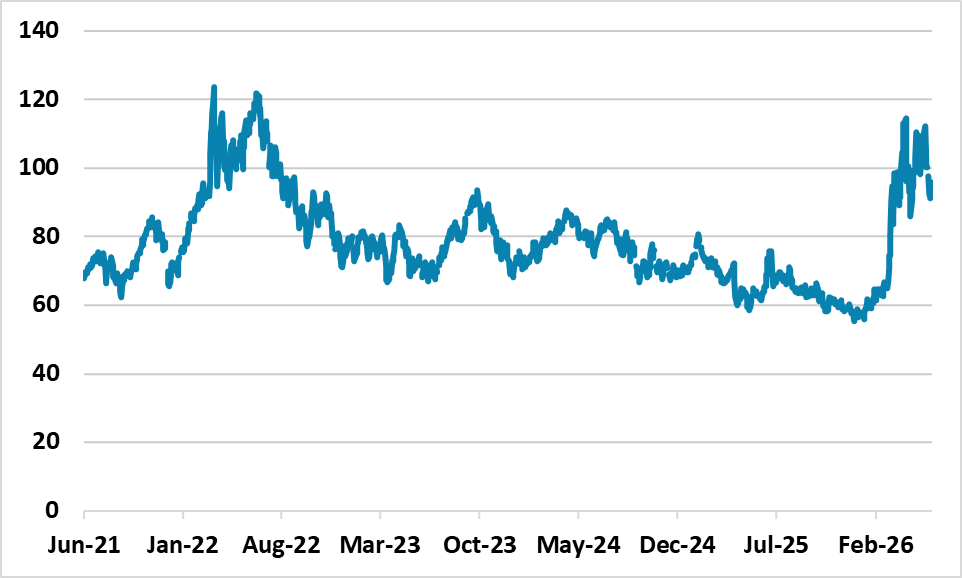
Geopolitical Risk Reduction and Market Stability: The loosening of Iran's stranglehold on the Strait demonstrates how infrastructure diversification reduces single-point-of-failure vulnerabilities in global trade. This signals to sellers that major shipping corridors are becoming more resilient, supporting longer-term supply chain planning. Energy price volatility—which directly influences fuel surcharges on shipping bills—should moderate as crude oil supply becomes less vulnerable to Iranian disruption threats. Sellers should monitor crude oil futures (WTI) as a leading indicator: when prices stabilize below $75/barrel, shipping surcharges typically decline within 4-6 weeks.
Questions 8
How does Iran's weakening control over Hormuz affect my supply chain risk?
The emergence of alternative Saudi-UAE pipeline routes and expanded port facilities removes a major single-point-of-failure risk in global trade. Previously, Iranian disruption threats forced sellers to maintain higher safety stock (20-30% buffer) and budget for emergency air freight (5-8x ocean costs). With diversified routes, sellers can reduce safety stock to 10-15% and confidently plan longer inventory cycles. The news confirms that Gulf Arab infrastructure investment has 'diminished Iran's ability to unilaterally control regional oil supplies,' meaning geopolitical shocks are less likely to trigger sudden shipping cost spikes.
Which product categories benefit most from lower shipping costs?
High-volume, weight-sensitive categories see the greatest benefit: electronics (15-18% freight cost ratio), home goods and furniture (14-16%), apparel and textiles (12-14%), and sporting goods (13-15%). Lower-value, lightweight categories like digital products or dropshipped items see minimal impact. For sellers in these categories, a 10% freight reduction translates to 1.2-1.8% improvement in overall COGS, directly improving margins or enabling competitive pricing. Categories shipping primarily via air freight (jewelry, cosmetics) see less benefit since air rates are driven by capacity, not fuel costs.