



Gaming's Cultural Revolution: How 2025's Video Game Landscape Reshapes Global Entertainment
- Demographic shifts and narrative complexity transforming the gaming industry for global consumers










Overview
The 2025 video game ecosystem represents a profound cultural metamorphosis, transcending traditional entertainment boundaries and revealing critical insights into global consumer behavior. Gaming demographics are undergoing a radical transformation, with the Australia Plays report highlighting a landmark shift: for the first time, more women are gaming than men, and video games now penetrate almost nine out of ten Australian households.
Narrative complexity emerges as a defining characteristic of this new gaming era. Titles like Hideo Kojima's Death Stranding 2: On the Beach demonstrate how games have evolved from mere interactive experiences to sophisticated storytelling platforms. By reimagining post-apocalyptic landscapes through Australian contexts, these games offer more than entertainment—they provide nuanced cultural commentary and immersive world-building.
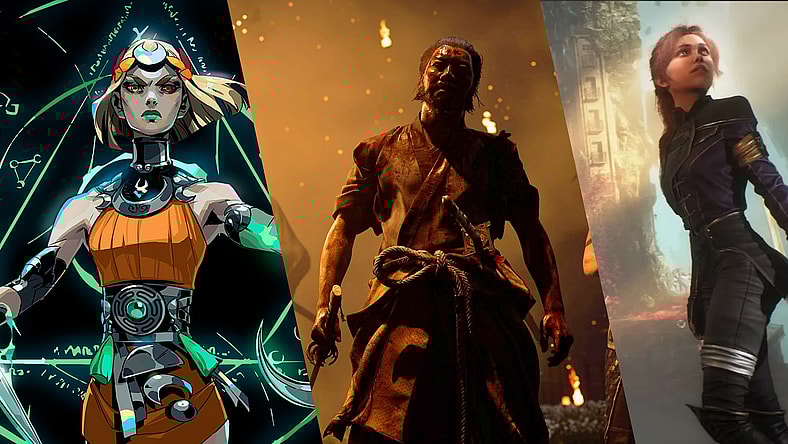
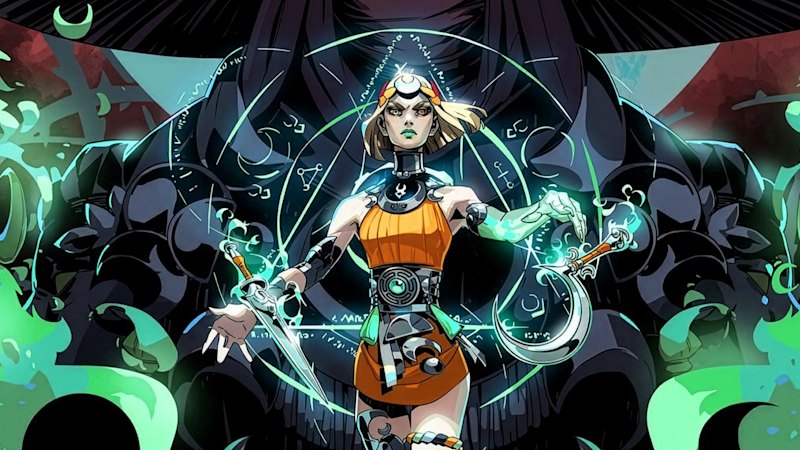
The industry's evolution is marked by unprecedented genre diversity and creative innovation. From Hades II's narrative-driven roguelike mechanics to Split Fiction's cooperative storytelling, game developers are challenging traditional genre constraints. The Windows Central ranking reveals a gaming ecosystem where indie and AAA titles receive equal recognition, signaling a democratization of creative expression.
This transformation extends beyond pure entertainment, reflecting broader societal shifts. The average gamer age of 35 and the mainstream acceptance across different demographics suggest that gaming is no longer a niche activity but a fundamental part of contemporary cultural consumption. For global content creators and marketers, this represents a massive, sophisticated audience with complex narrative expectations and diverse engagement patterns.
The 2025 gaming landscape is not just about technological advancement, but about storytelling, cultural representation, and interactive experiences that mirror the complexity of modern human connections. As games become more inclusive, narrative-rich, and demographically diverse, they are redefining entertainment's fundamental nature.
Questions 3
How are gaming demographics changing in 2025?
The Australia Plays report reveals a groundbreaking shift: women now represent the majority of gamers for the first time, with video games being played in 90% of Australian households. The average gamer age is 35, indicating gaming's mainstream cultural acceptance across diverse age groups.
What makes 2025's video games different from previous years?
2025's games emphasize narrative complexity and innovative gameplay mechanics. Titles like Death Stranding 2 and Hades II demonstrate a move beyond traditional entertainment, offering sophisticated storytelling, cultural commentary, and immersive world-building that challenge conventional genre boundaries.