

Ukraine Economic Collapse & Russia Sanctions Create Supply Chain Disruption | Seller Impact June 2026
- Ukraine's 30% cumulative GDP contraction eliminates 9.6M consumer market; Russia's 1.1% growth signals sanctions effectiveness; sellers face sourcing risks, payment delays, and logistics rerouting across Eastern Europe


Overview
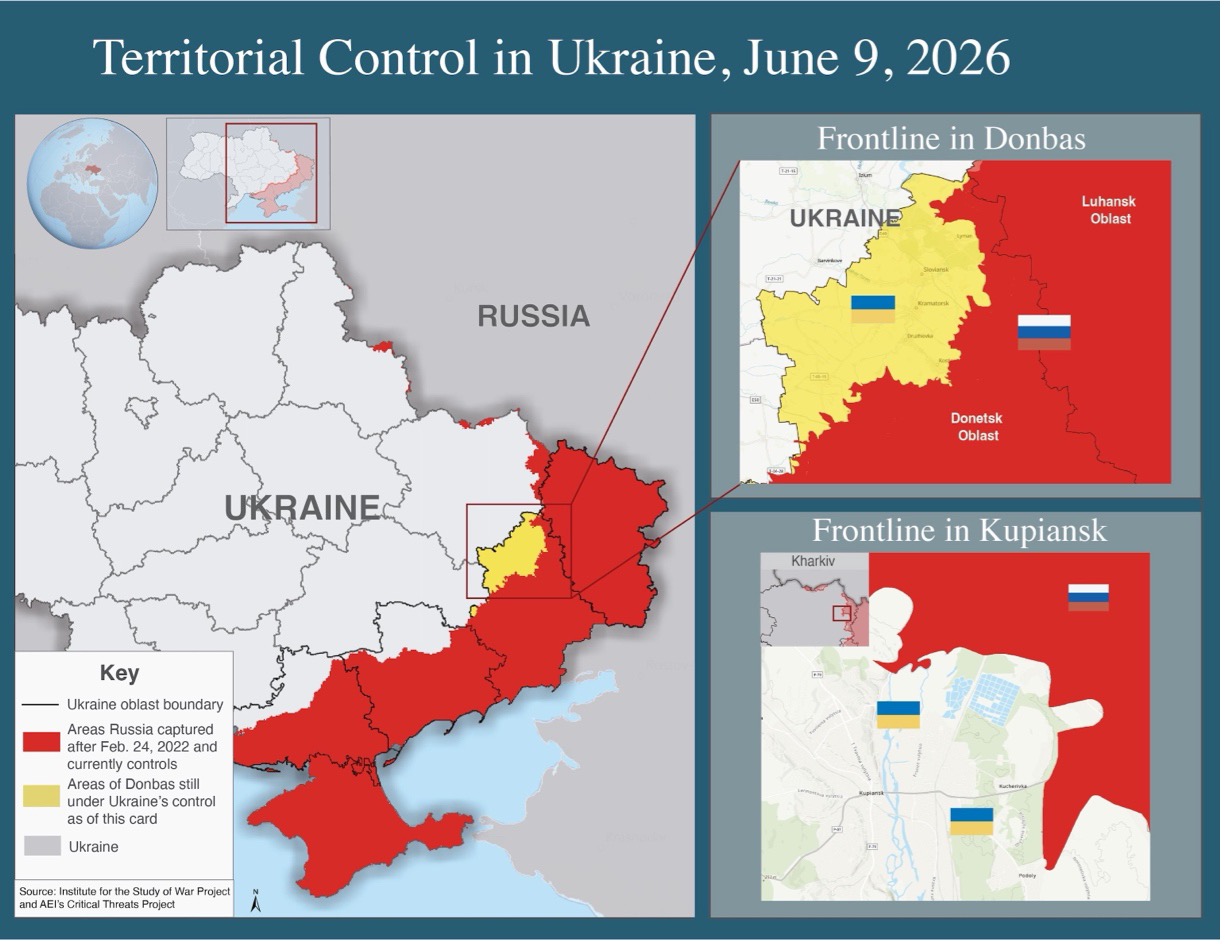
The Russia-Ukraine conflict has fundamentally reshaped cross-border e-commerce supply chains and market access as of June 2026. Ukraine's economy contracted 30% cumulatively (2022-2025) with continued negative growth in 2025, while Russia's GDP growth stalled at 1.1% despite 2.4% cumulative gains—indicating sanctions are severely constraining both markets. For e-commerce sellers, this creates a dual crisis: Ukraine's consumer market has effectively collapsed with 9.6 million people (22% of pre-invasion population) displaced, eliminating demand for non-essential goods across electronics, apparel, home, and beauty categories that historically generated $800M-1.2B in annual cross-border sales to the region. Simultaneously, Russia's economic stagnation and 40% oil refining capacity offline (as of October 2025) signals deepening sanctions impact, affecting logistics costs, payment processing reliability, and sourcing of Russian-manufactured components used in electronics and industrial products.
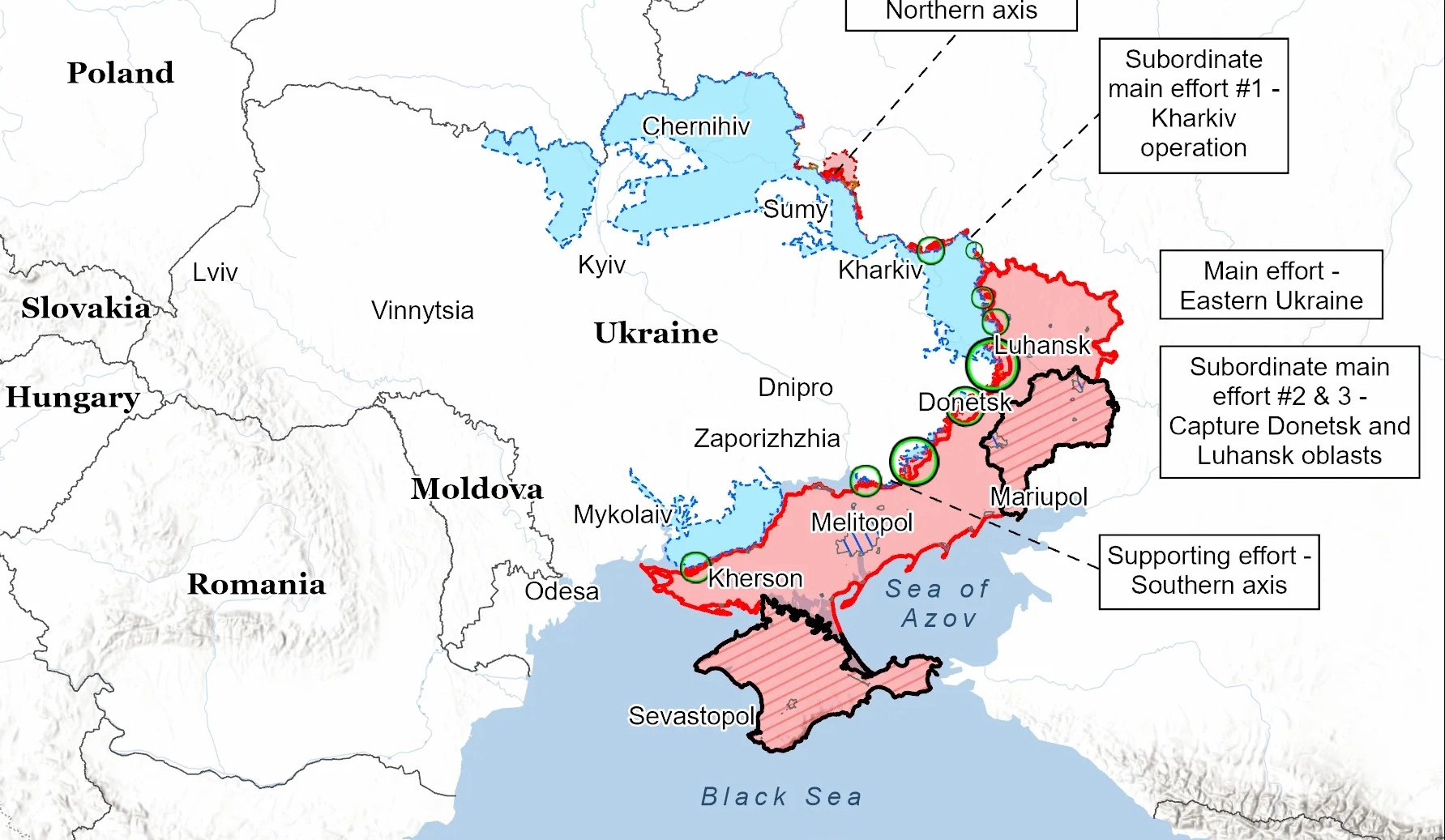
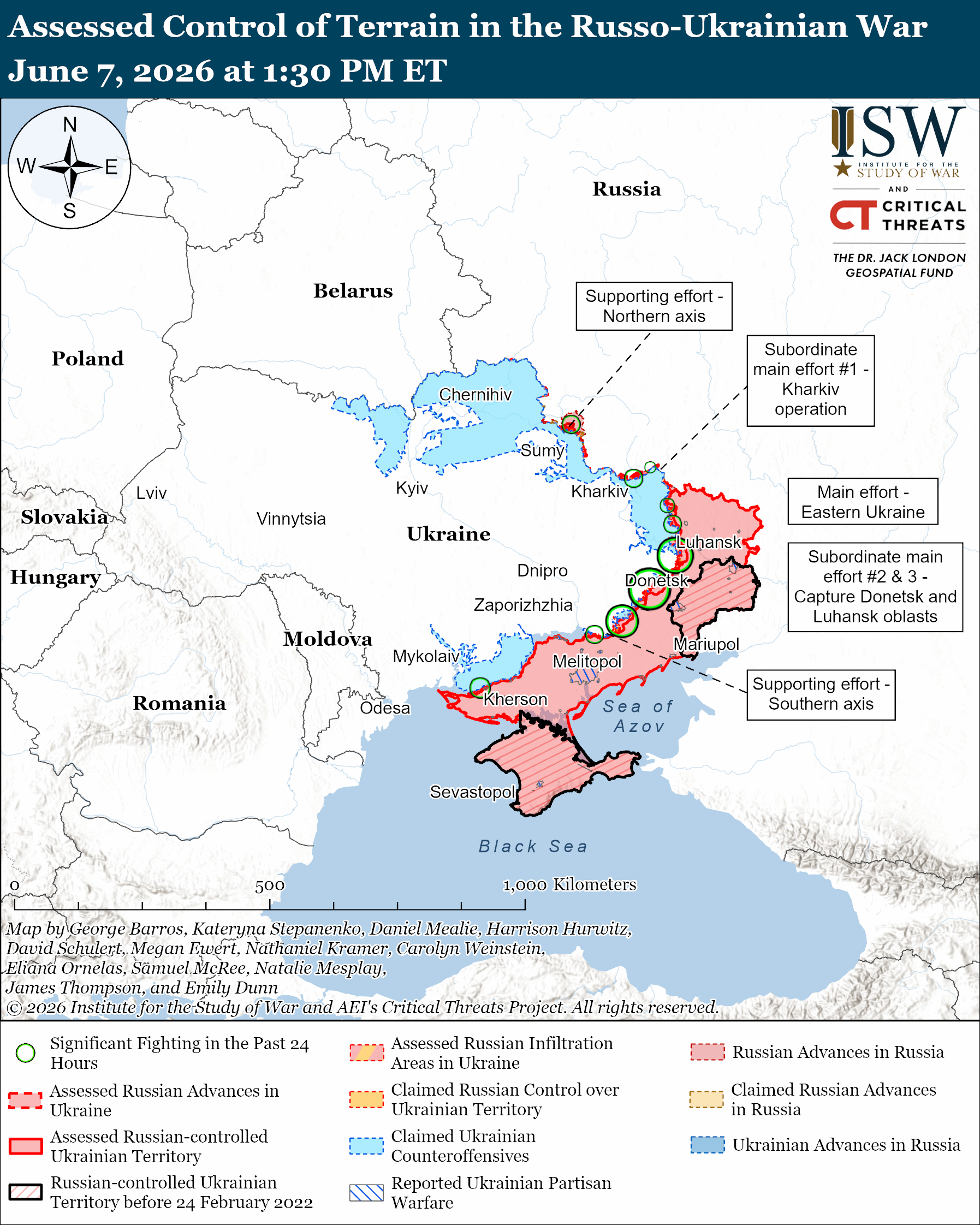
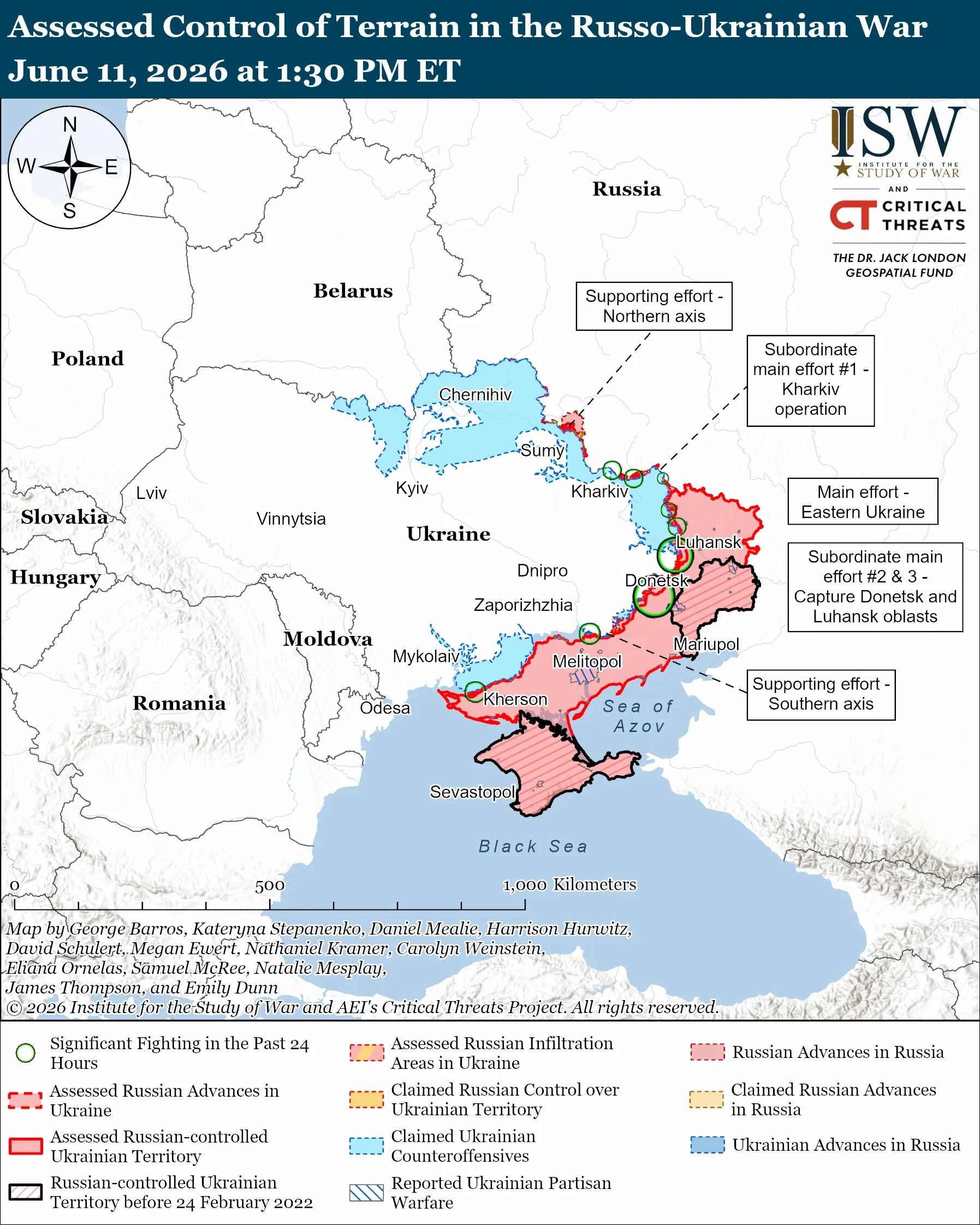
The military dimension compounds these challenges: Russia's 1 million personnel casualties (killed/wounded) represent 0.7% of its population, creating severe labor shortages in manufacturing and logistics sectors. Ukraine's 250,000-300,000 casualties and infrastructure damage (including energy sector strikes) have destroyed port facilities, manufacturing capacity, and last-mile delivery networks. For sellers, this means rerouting shipments away from traditional Eastern European logistics hubs—Poland, Romania, and Hungary now serve as critical transshipment points, adding 7-14 days to delivery timelines and 8-15% to logistics costs. Payment processing through Russian and Ukrainian banks has become unreliable; sellers relying on Yandex.Kassa, Sberbank, or PrivatBank face transaction delays averaging 15-30 days and currency conversion risks exceeding 5-8% monthly volatility.
Specific seller impacts by segment: Small sellers (under $500K annual revenue) sourcing components from Russian manufacturers face 60-90 day lead time extensions and 25-40% price increases due to sanctions-driven supply constraints. Mid-market sellers ($500K-5M) operating fulfillment centers in Ukraine have lost operational capacity—Kyiv, Kharkiv, and Odesa warehouses are either destroyed or inaccessible, forcing migration to EU-based 3PLs at 12-18% cost premiums. Large sellers ($5M+) with diversified supply chains are absorbing costs but face margin compression of 3-7% in Eastern European operations. Category-specific risks: Electronics sellers lose access to Russian semiconductor suppliers and Ukrainian component manufacturers; apparel sellers lose low-cost manufacturing in Lviv and Odesa; beauty/cosmetics sellers lose access to Russian raw material suppliers (particularly for fragrance and botanical ingredients). Payment risk is acute—Wise, PayPal, and Stripe have restricted Russian merchant accounts, forcing sellers to use alternative payment processors with 2-4% higher fees and slower settlement (30-45 days vs. standard 14 days).
Questions 8
How are logistics costs and delivery times changing for Eastern European shipments?
Traditional logistics routes through Ukraine and Russia are now inaccessible, forcing rerouting through Poland, Romania, and Hungary. This adds 7-14 days to delivery timelines and increases logistics costs by 8-15% compared to pre-2022 rates. Russia's 40% oil refining capacity offline (as of October 2025) has driven fuel surcharges averaging 12-18% above baseline. For sellers: (1) update carrier contracts to reflect new routing through EU transshipment hubs; (2) communicate extended delivery windows (25-35 days vs. 14-21 days) to customers; (3) negotiate volume discounts with 3PLs in Poland/Romania to offset cost increases; (4) consider air freight for high-margin items despite 40-60% cost premiums.
What payment processing challenges do sellers face with Russia and Ukraine in June 2026?
Payment processing through Russian and Ukrainian banks has become severely restricted due to SWIFT sanctions and US/EU restrictions. Yandex.Kassa, Sberbank, and PrivatBank transactions now experience 15-30 day delays, and alternative processors charge 2-4% higher fees with 30-45 day settlement cycles (vs. standard 14 days). Currency volatility in the Russian ruble exceeds 5-8% monthly, creating unpredictable conversion losses. Sellers should immediately: (1) discontinue accepting Russian customer payments through traditional processors; (2) migrate to Wise or alternative processors with explicit Russia/Ukraine support; (3) implement 7-10% price buffers for currency risk; (4) consider suspending operations in these markets if they represent <3% of revenue.