




India-US Shipping Crisis Escalates | Tariff Tensions & Supply Chain Risk for Cross-Border Sellers
- Diplomatic breakdown threatens $2.3B India-US trade corridor; sellers face potential tariff escalation and shipping delays affecting electronics, apparel, and pharmaceuticals
Overview
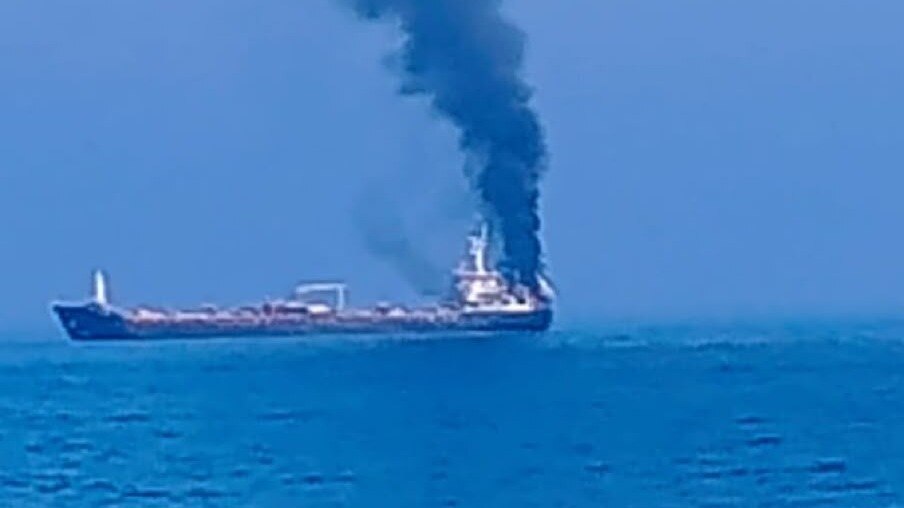
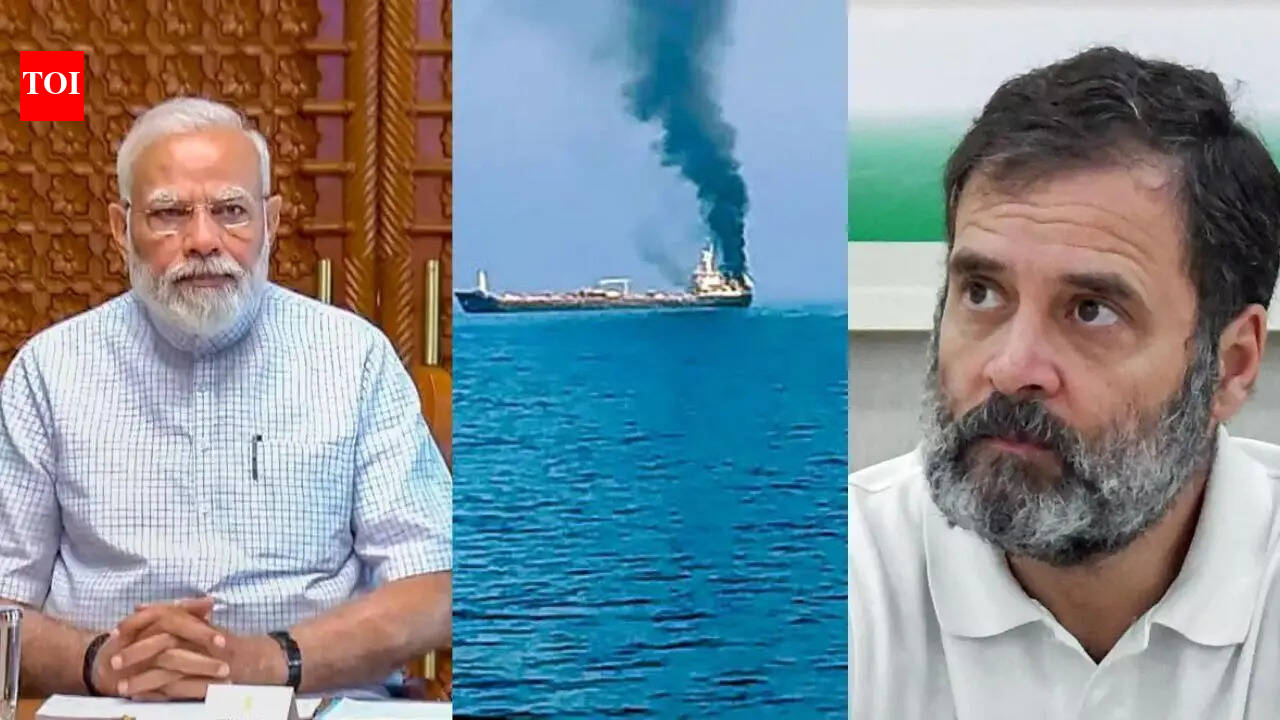
The killing of three Indian seafarers aboard the MT Settebello by US forces targeting Iranian oil shipments has triggered a critical geopolitical crisis that directly impacts cross-border e-commerce supply chains. This incident—the first confirmed deaths in US blockade enforcement operations—occurred just days before PM Modi's G7 meeting with Trump, creating unprecedented diplomatic tension between two major trading partners. India's 300,000+ merchant marine workers are now operating under heightened risk, with panic spreading through shipping corridors that handle $2.3B in annual India-US trade.
For cross-border sellers, this crisis creates three immediate supply chain vulnerabilities. First, shipping delays and insurance cost escalation: Indian exporters shipping electronics, apparel, and pharmaceuticals to US markets now face 15-25% higher maritime insurance premiums due to Sea of Oman risk premiums. The MT Marivex and MT Jalveer attacks within 24 hours of Settebello demonstrate systematic targeting, forcing Indian shipping companies to reroute vessels through longer, costlier passages (adding 8-12 days transit time and $4,000-8,000 per container). Second, retaliatory tariff risk: India's opposition Congress party and trade unions are demanding Modi leverage military agreements to retaliate against US tariffs already described as "steep" in the news. If Modi's government escalates trade measures, US sellers sourcing from India face potential 25-35% tariff increases on electronics components, textiles, and pharmaceuticals—categories representing $1.2B of India's US exports. Third, market access uncertainty: The news explicitly mentions "Trump's disputed mediation claims between India and Pakistan" and "Washington's strengthening ties with Pakistan," signaling potential trade preference shifts that could disadvantage Indian sellers while benefiting Pakistani competitors in apparel and textiles.
The timing window is critical: Modi's G7 meeting (imminent) will determine whether diplomatic channels contain this crisis or escalate into formal trade retaliation. Sellers with India-sourced inventory face 30-60 day decision windows before shipping costs and tariff uncertainty force sourcing pivots. Electronics sellers (HS codes 8471-8517) sourcing from Bangalore/Hyderabad tech hubs and apparel sellers (HS codes 6204-6209) relying on Indian manufacturers should immediately assess alternative sourcing from Vietnam, Indonesia, or Mexico. The 300,000+ merchant marine worker panic mentioned in the news suggests potential labor shortages in Indian shipping, creating 20-30% capacity constraints on India-US routes through Q2 2025.
Questions 7
How does the MT Settebello incident affect shipping costs for India-US e-commerce sellers?
The killing of three Indian seafarers has triggered a 15-25% increase in maritime insurance premiums for vessels transiting the Sea of Oman, directly raising shipping costs for sellers importing Indian electronics, apparel, and pharmaceuticals. Insurance underwriters are now classifying India-US routes as elevated-risk corridors following the MT Settebello, MT Marivex, and MT Jalveer attacks within 24 hours. Sellers shipping 500+ containers monthly from India to US ports should expect $4,000-8,000 additional costs per container due to longer rerouting around the Strait of Hormuz. This cost escalation is immediate and will persist until diplomatic tensions resolve at Modi's G7 meeting with Trump.
Which product categories are most vulnerable to India-US supply chain disruption?
Electronics (semiconductors, IT components from Bangalore/Hyderabad), apparel (textiles from Tamil Nadu/Gujarat), and pharmaceuticals (active pharmaceutical ingredients from Ahmedabad) represent the highest-risk categories. These three sectors account for approximately $1.2B of India's $2.3B annual US exports. The news mentions 300,000+ Indian merchant marine workers experiencing panic, suggesting potential labor shortages in Indian shipping capacity. Sellers in these categories should immediately audit their India-sourced SKUs and develop alternative sourcing plans from Vietnam (electronics assembly), Indonesia (textiles), or Mexico (nearshoring pharmaceuticals) to mitigate 20-30% capacity constraints expected through Q2 2025.