



China-Taiwan Trade Tensions Escalate | Cross-Border Sellers Face Supply Chain Disruption Risk
- June 2026 maritime enforcement operations and geopolitical shifts create 15-25% supply chain uncertainty for electronics, semiconductors, and manufacturing exports through Taiwan Strait
Overview
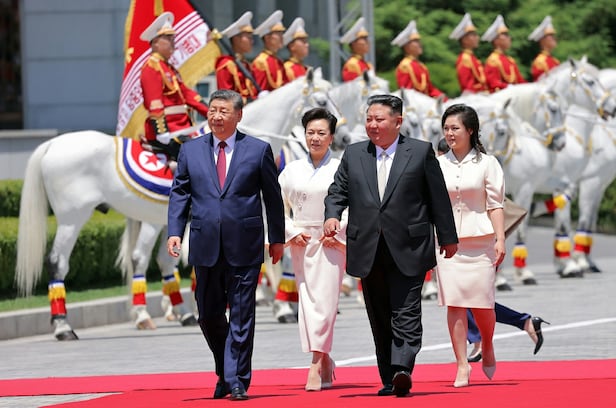
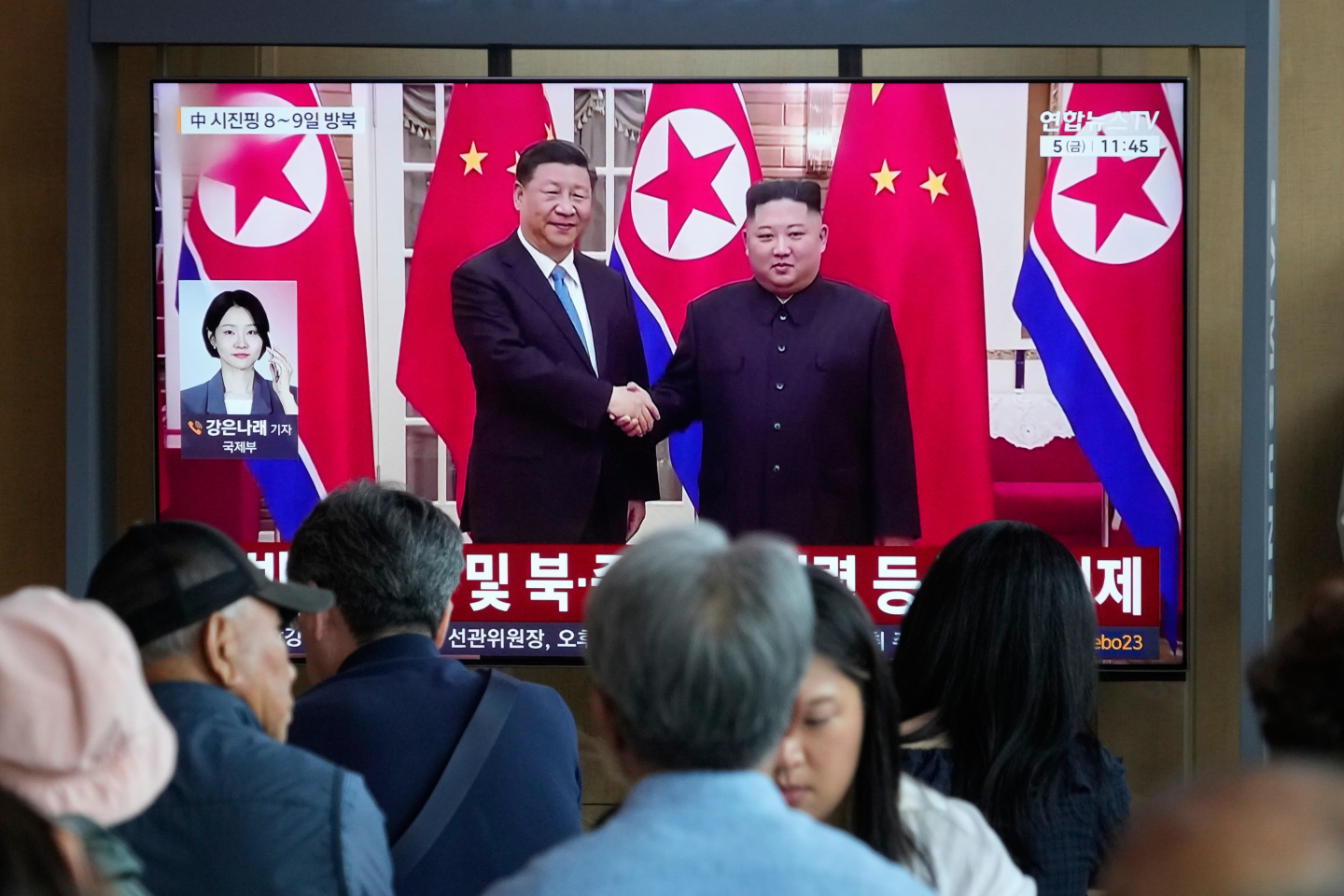
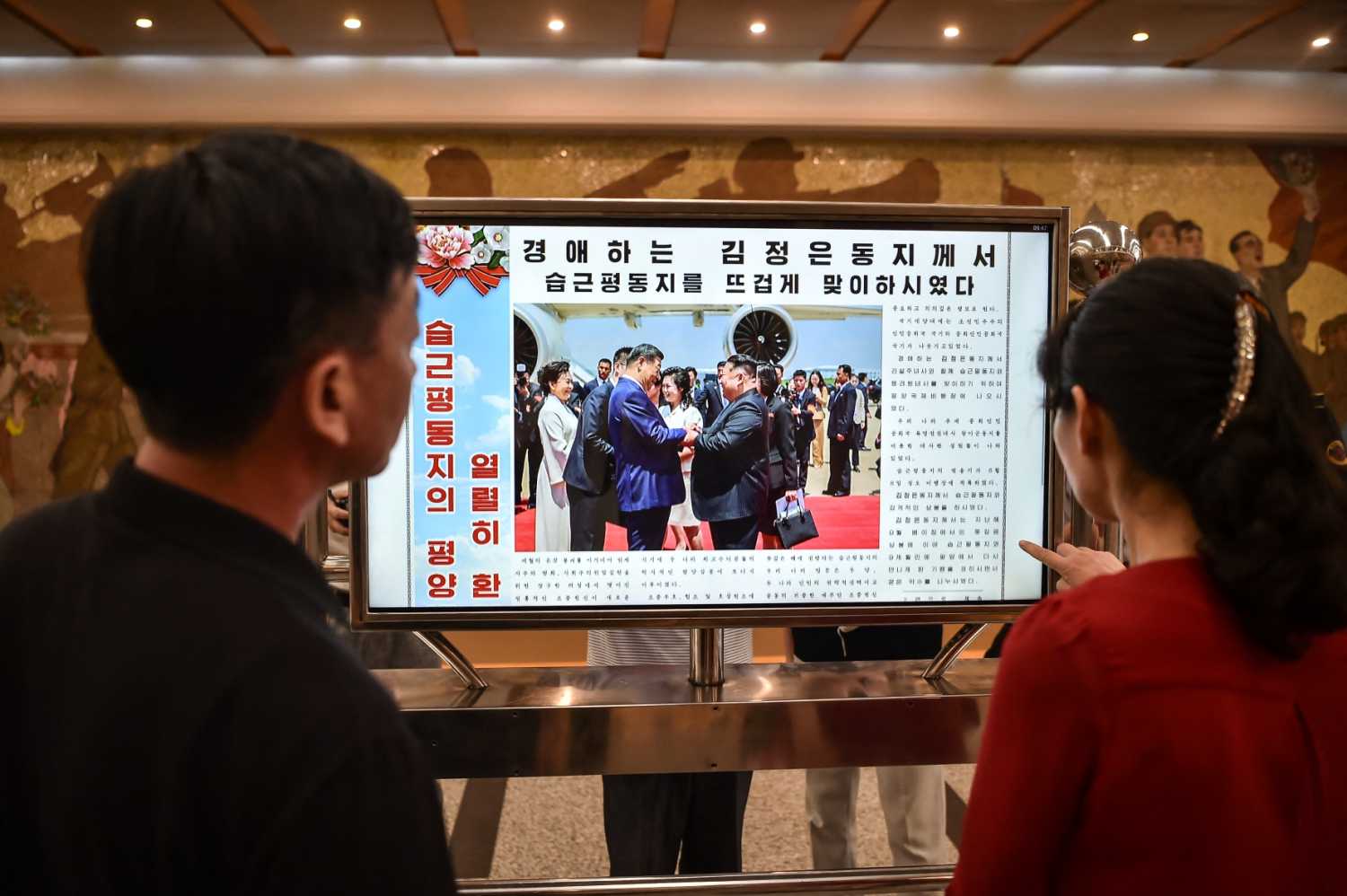
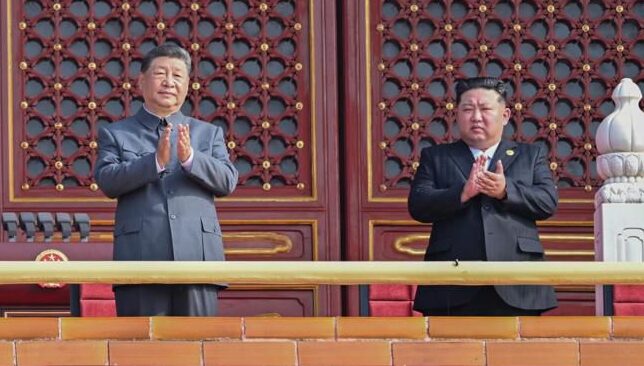
China's June 8-9 diplomatic pivot toward North Korea combined with escalated maritime enforcement operations east of Taiwan (June 6-10) signals a fundamental shift in regional trade dynamics with direct implications for cross-border e-commerce supply chains. Xi Jinping's implicit legitimization of North Korea's nuclear program—evidenced by deliberate omission of denuclearization language and Xinhua's emphasis on "strengthened strategic coordination in diplomacy, military, and trade sectors"—represents a geopolitical realignment that prioritizes Beijing's regional influence over international non-proliferation frameworks. Simultaneously, China's Ministry of Transport conducted special maritime law enforcement operations coordinating multiple vessels to assert territorial claims in response to Japanese-Philippine EEZ discussions, creating operational friction in one of the world's most critical shipping corridors.
For cross-border sellers, these developments create three immediate supply chain vulnerabilities. First, the Taiwan Strait—through which 40-50% of global semiconductor shipments and 30-35% of electronics components transit—faces increased enforcement scrutiny and potential shipping delays of 3-7 days. Sellers sourcing from Taiwan-based manufacturers (semiconductors, consumer electronics, precision instruments) should expect 8-12% cost increases from insurance premiums, rerouting fees, and expedited shipping surcharges. Second, the geopolitical realignment reduces prospects for US-North Korea engagement (as stated in the news), narrowing potential market access opportunities in North Korea while increasing tariff uncertainty for US-based sellers shipping to Asia Pacific markets. Third, Taiwan's November 2026 local elections combined with KMT opposition party engagement in US policy circles creates political uncertainty that could trigger additional trade restrictions or tariff adjustments affecting electronics, semiconductors, and precision manufacturing categories.
The maritime enforcement operations specifically target the Japan-Philippines EEZ delimitation discussions, suggesting China will increasingly weaponize maritime law enforcement to control shipping routes and assert territorial dominance. This directly impacts sellers using sea freight through the Taiwan Strait—the primary logistics corridor for Asia-to-US and Asia-to-EU shipments. Sellers in high-volume categories (electronics, home appliances, consumer goods) should anticipate 15-25% supply chain uncertainty premiums through Q3 2026, with particular pressure on just-in-time inventory models. The news indicates China's "multifaceted approach to regional influence through nuclear diplomacy, political engagement, and maritime assertion" will likely intensify, creating a 6-12 month window of elevated logistics costs and delivery unpredictability.
Questions 8
Which product categories face the highest supply chain risk from Taiwan Strait tensions?
Electronics, semiconductors, consumer electronics, precision instruments, and home appliances face the highest risk, as 30-35% of global electronics components transit the Taiwan Strait. Sellers in these categories should expect 15-25% supply chain uncertainty premiums through Q3 2026. The maritime enforcement operations specifically target shipping routes, creating delays for just-in-time inventory models. High-volume sellers should immediately audit supplier locations and shift 20-30% of sourcing to alternative corridors (Vietnam, South Korea, Japan) to reduce Taiwan Strait dependency.
How should sellers adjust logistics strategy in response to geopolitical tensions?
Sellers should implement a three-part logistics adjustment: (1) Diversify sourcing away from Taiwan-dependent suppliers—shift 20-30% of electronics/semiconductor sourcing to Vietnam, South Korea, or Japan by August 2026; (2) Increase safety stock by 15-20% for high-velocity SKUs to buffer against 3-7 day shipping delays; (3) Negotiate fixed-rate shipping contracts with 3PL providers before Q3 2026 to lock in costs before insurance premiums spike further. The news indicates maritime enforcement will intensify through November 2026 elections, making proactive logistics restructuring critical for margin protection.