


EU CBAM Expansion 2025-2026 | Critical Cost Impact for Cross-Border Sellers
- Tariff-equivalent carbon fees on steel, aluminum, cement, fertilizers, washing machines, and car parts; transitional phase ends 2025; sellers face 8-15% margin compression on affected categories



_0_0.png)




_0_0.png)
_0_0.jpg)
Overview
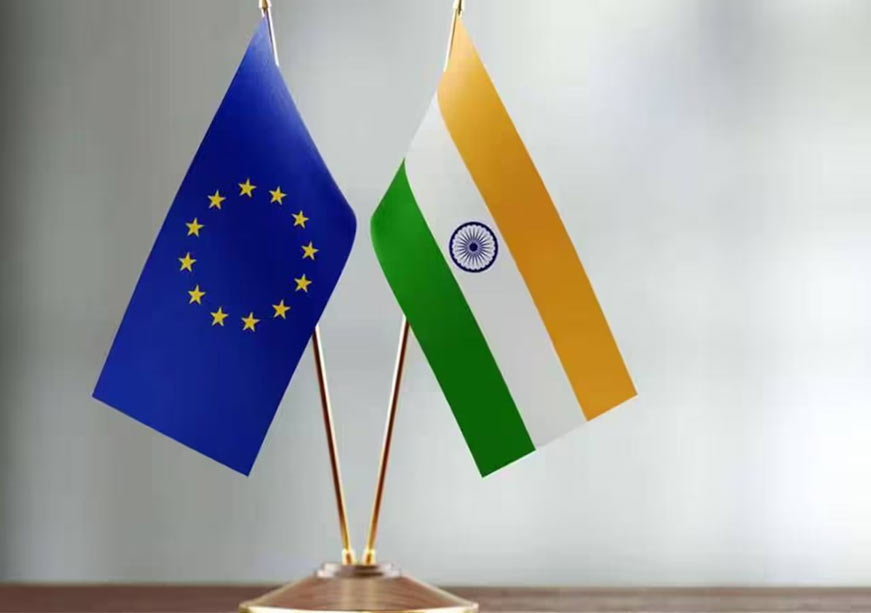
The European Union is fundamentally restructuring import economics through aggressive expansion of its Carbon Border Adjustment Mechanism (CBAM), creating a tariff-equivalent cost structure that directly impacts cross-border e-commerce sellers. As of June 12, 2026, EU economy ministers restricted suspension criteria for CBAM fees, establishing that carbon levies can only be suspended if product prices spike more than 50% over six months—a threshold rarely met. This regulatory hardening signals permanent cost increases for sellers importing carbon-intensive goods into the EU market.
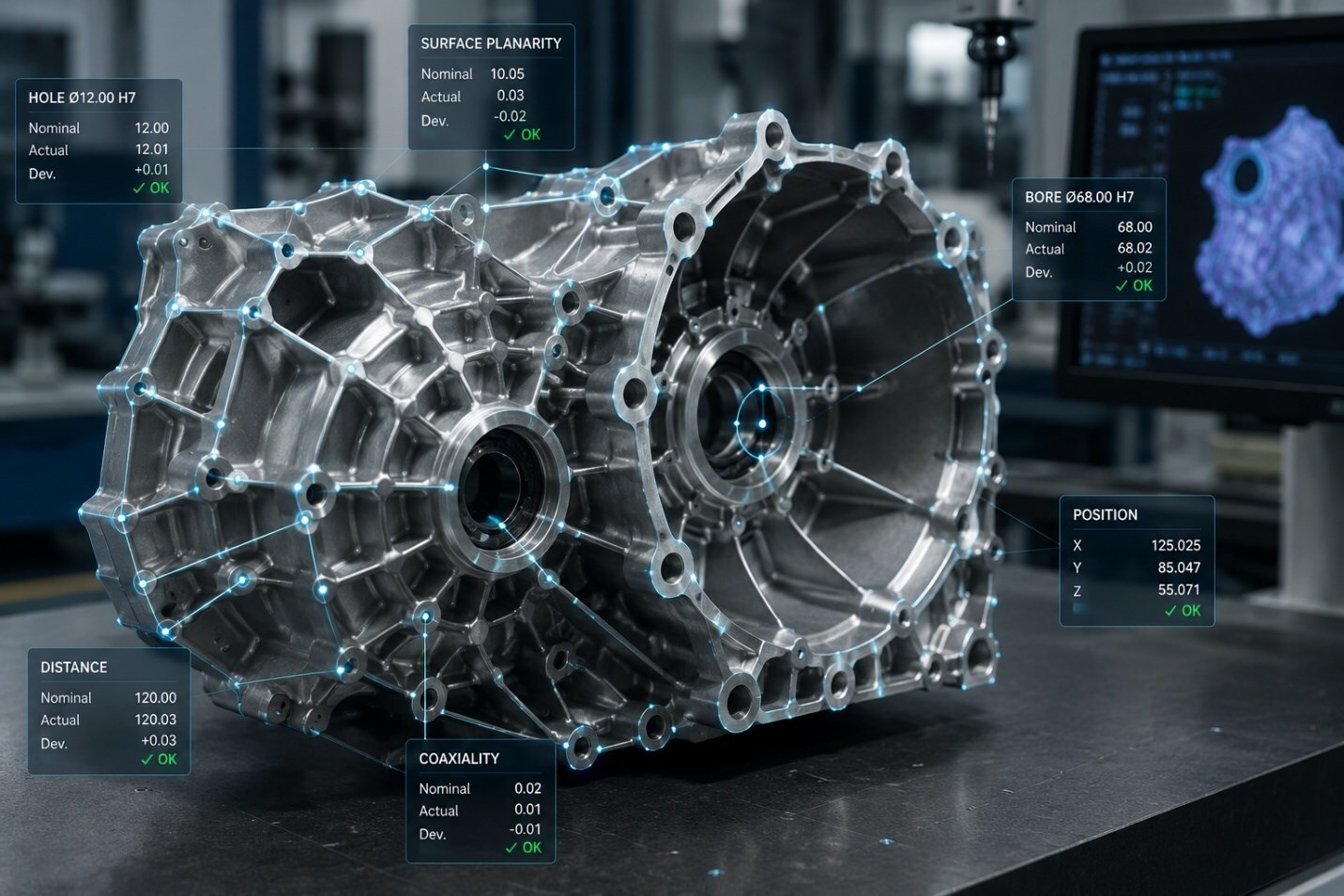
The scope expansion is dramatic: CBAM now covers steel, cement, aluminum, fertilizers, and electricity (initial phase), with planned extensions to washing machines, car parts, and additional metal products by 2026-2027. The transitional phase concludes in 2025, after which full compliance becomes mandatory. For sellers, this translates to mandatory carbon certificate purchases equivalent to EU Emissions Trading System (ETS) rates—currently €80-95 per ton of CO2, fluctuating based on market conditions. A seller importing 10,000 units of steel-based products (e.g., automotive components, machinery parts) could face €15,000-25,000 in annual carbon costs, compressing margins by 8-15% depending on product category and current pricing.
Competitive dynamics are shifting decisively: Sellers sourcing from low-carbon producers (Scandinavia, renewable-powered regions) or EU-based suppliers gain structural advantages, while importers from carbon-intensive regions (China, India, Southeast Asia) face escalating costs. The mechanism creates a "carbon tariff" without formal tariff classification—harder to challenge legally but equally impactful economically. European OEMs are actively lobbying for implementation delays, citing insufficient transition time, but the EU's hardened stance on suspension criteria suggests political commitment to enforcement. Sellers must immediately audit supply chains, calculate embedded carbon costs, and evaluate sourcing alternatives. The window for grandfathering arrangements or transition relief is closing rapidly; after 2025, compliance is non-negotiable. This represents the most significant trade policy shift affecting EU-bound imports since VAT harmonization, with implications comparable to 15-20% tariff increases on affected categories.
Questions 8
Which product categories are most affected by CBAM expansion?
**Immediate impact categories** (2025): Steel components, aluminum packaging, cement-based products, fertilizers, and electricity-intensive goods. **Planned expansion (2026-2027)**: Washing machines, car parts, and additional metal products. Sellers in automotive components, construction materials, home appliances, and machinery face the highest cost increases. A seller importing washing machines from Asia could see 10-15% margin compression due to combined CBAM fees and existing tariffs. Monitor EU Commission announcements for final product classifications and implementation dates.
How can I reduce CBAM costs through sourcing strategy changes?
**Immediate actions**: Audit suppliers for carbon certifications and low-carbon production methods. **Strategic shifts**: Prioritize sourcing from Scandinavian, EU-based, or renewable-powered producers who face lower CBAM fees. **Example**: Shifting 30% of steel component sourcing from China to Poland could reduce carbon costs by 40-50% due to EU's cleaner energy grid. **Long-term**: Invest in supply chain transparency systems (ISO 14064 carbon accounting) to negotiate better rates with low-carbon suppliers. Sellers who establish relationships with certified low-carbon producers by Q4 2025 will gain competitive advantages as CBAM enforcement tightens.