



Russian Energy Crisis Reshapes Global Supply Chains | Seller Opportunities in Alternative Fuel & Industrial Categories
- Destruction of 16M+ tons annual refinery capacity creates 18-24 month supply shortage; sellers in industrial equipment, generators, and energy-adjacent categories face margin compression but new market opportunities in Eastern Europe and Asia







)













Overview
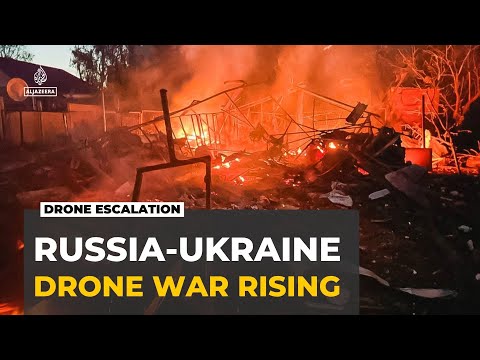
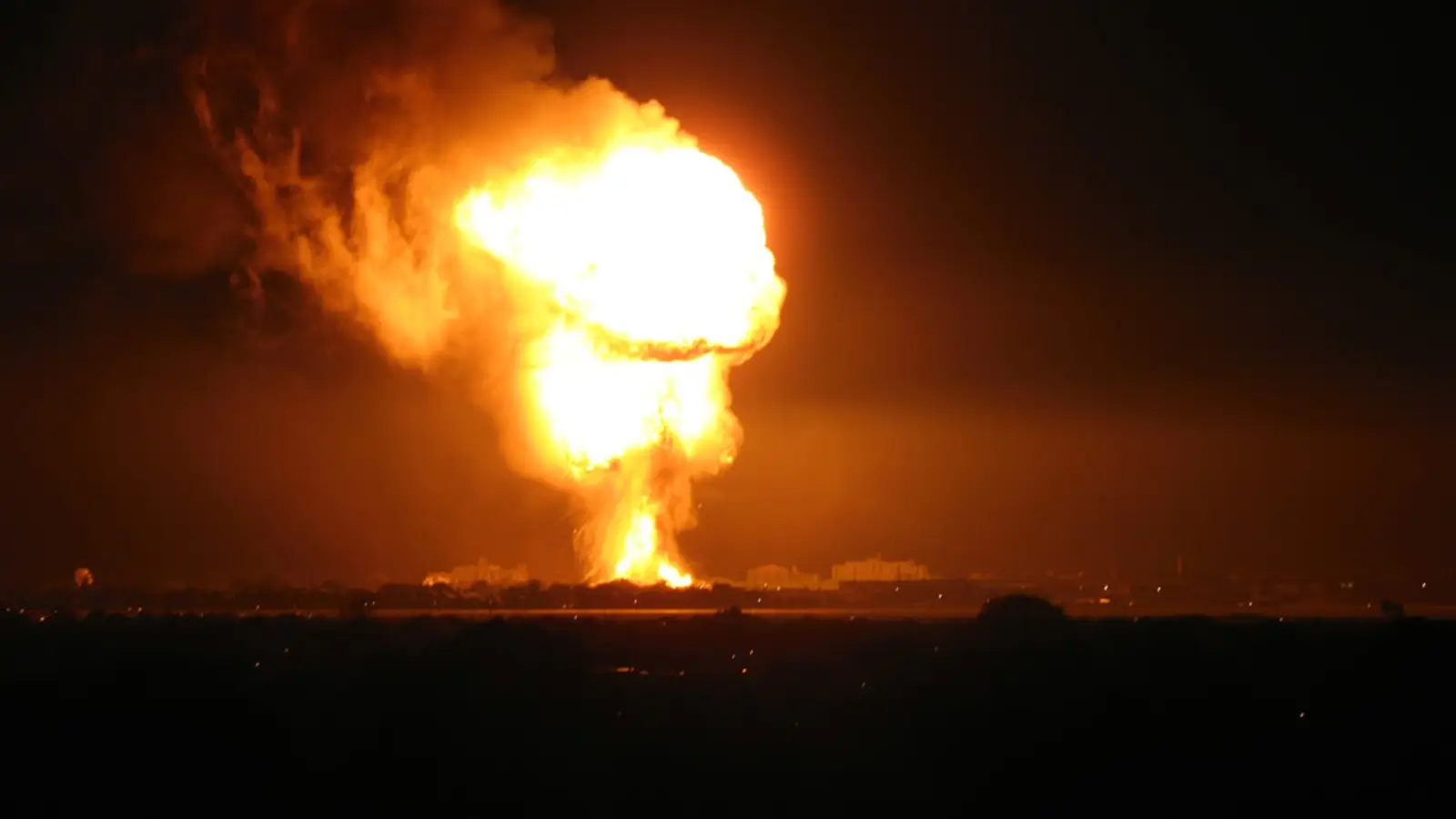
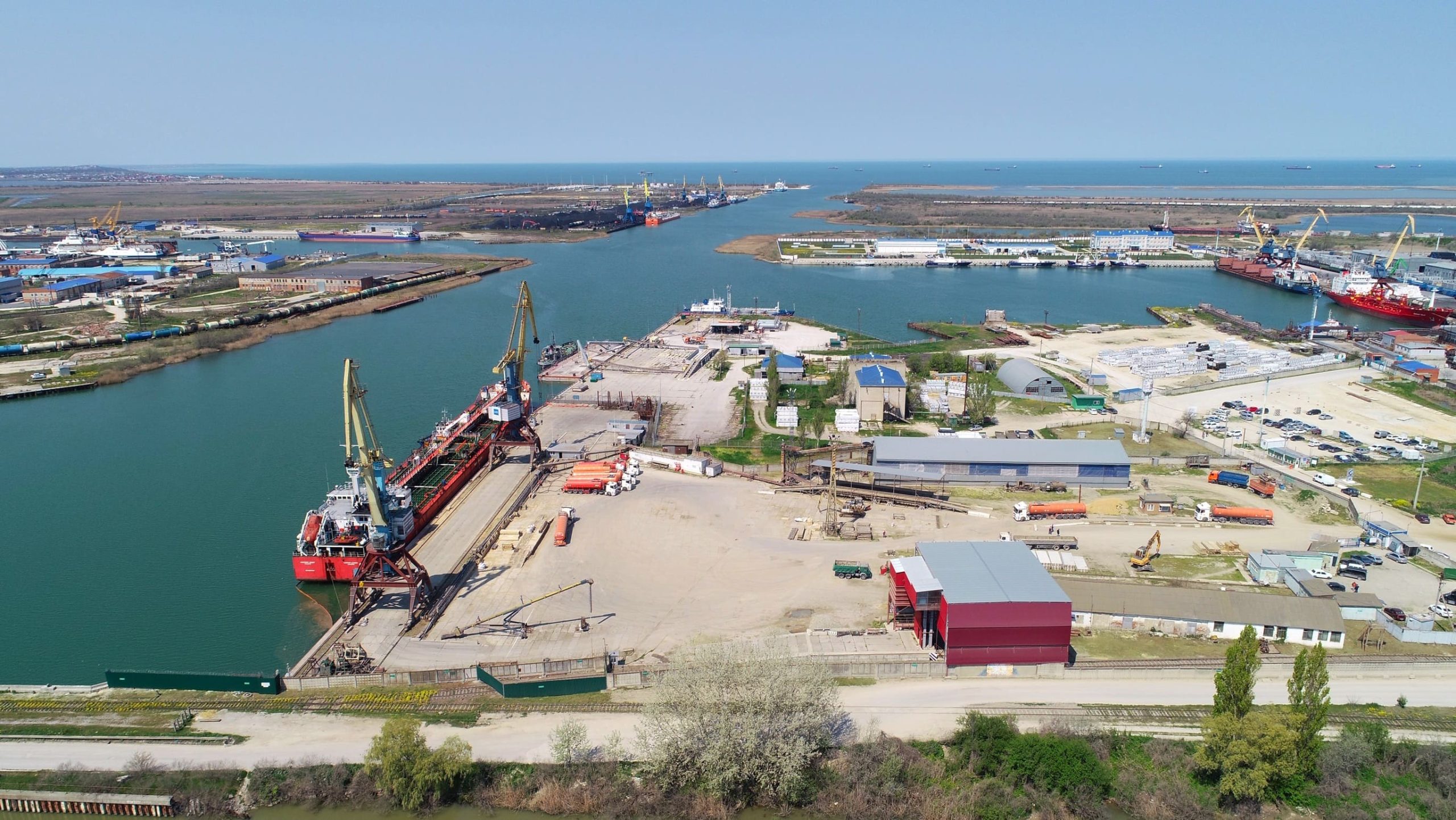
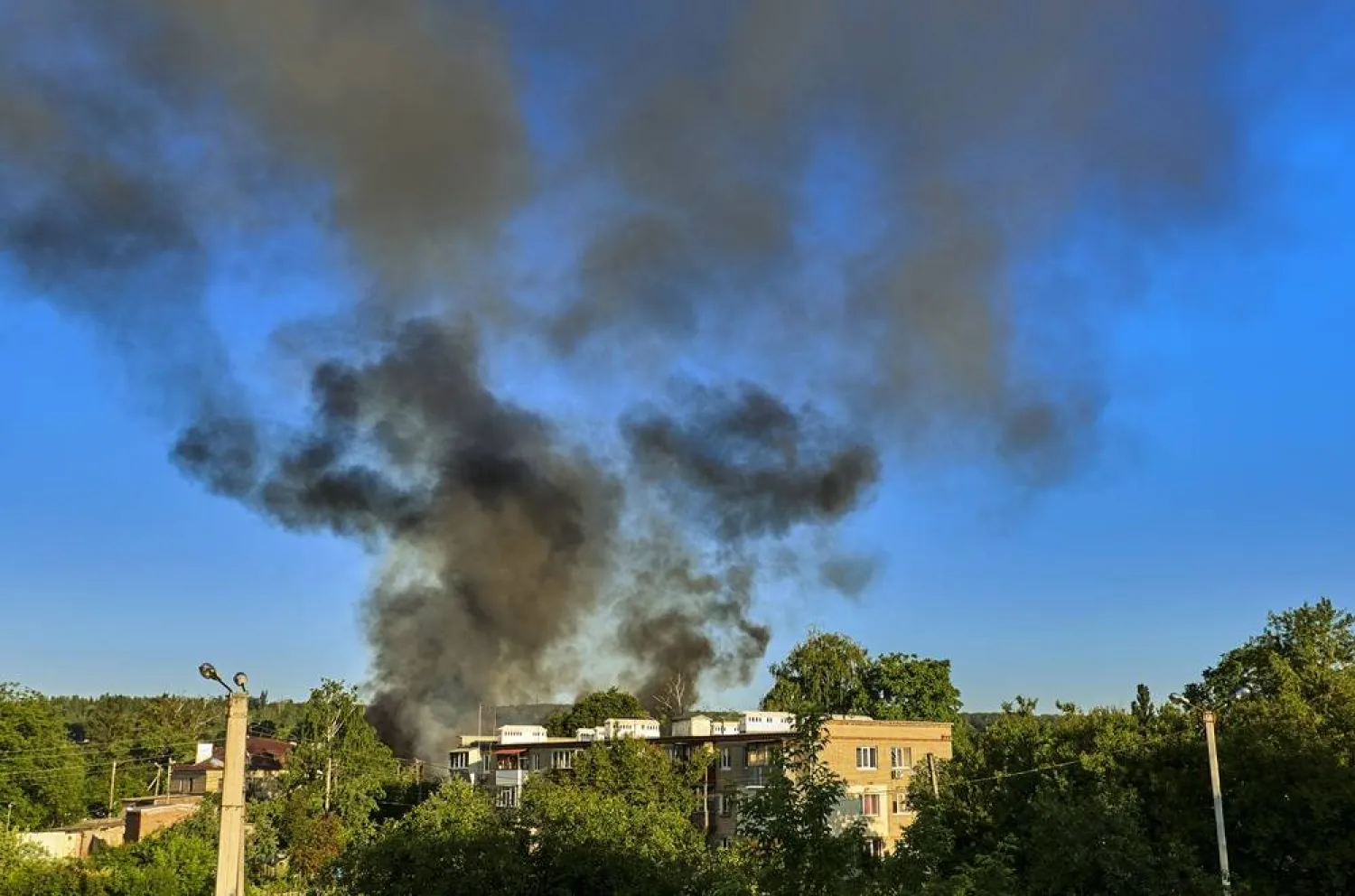
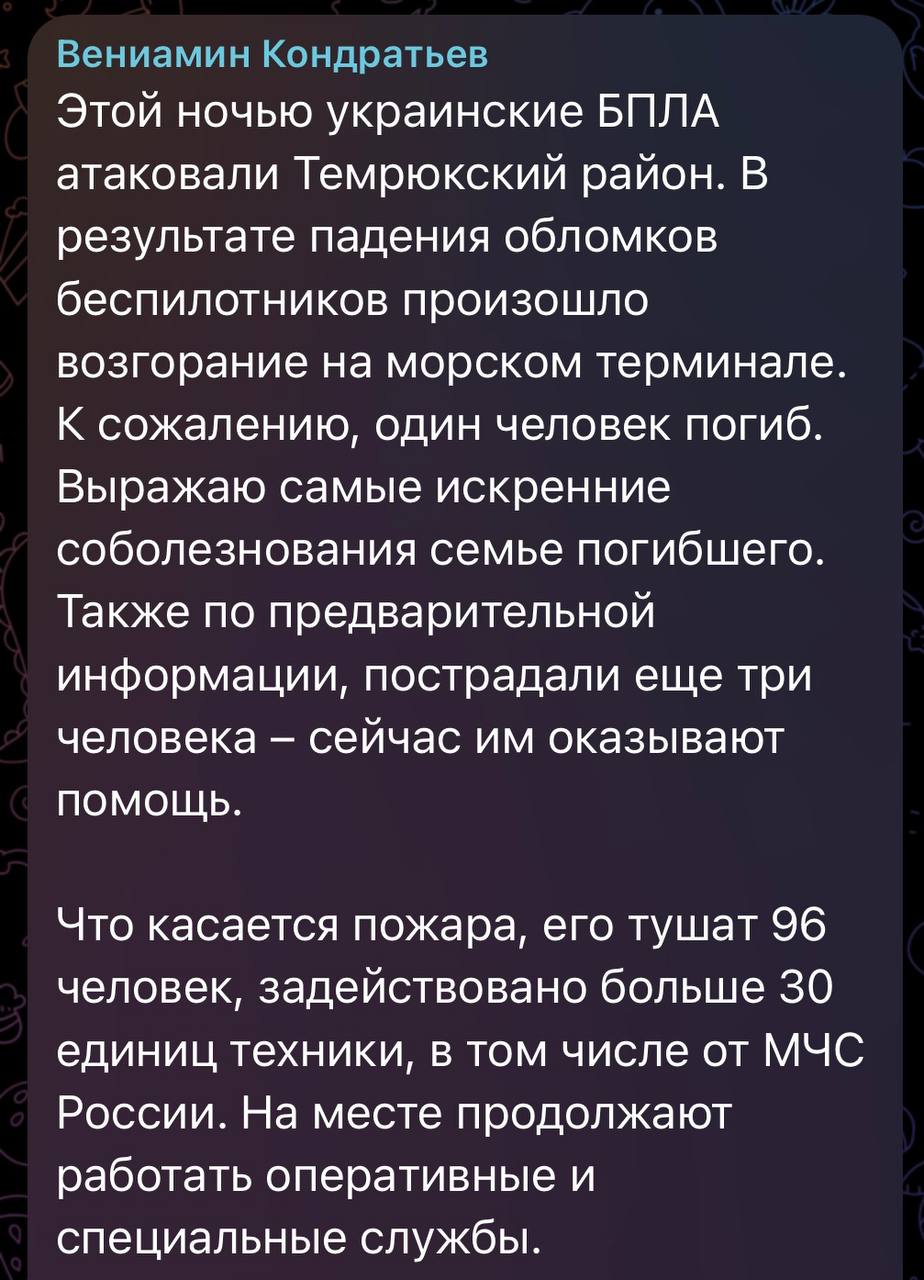
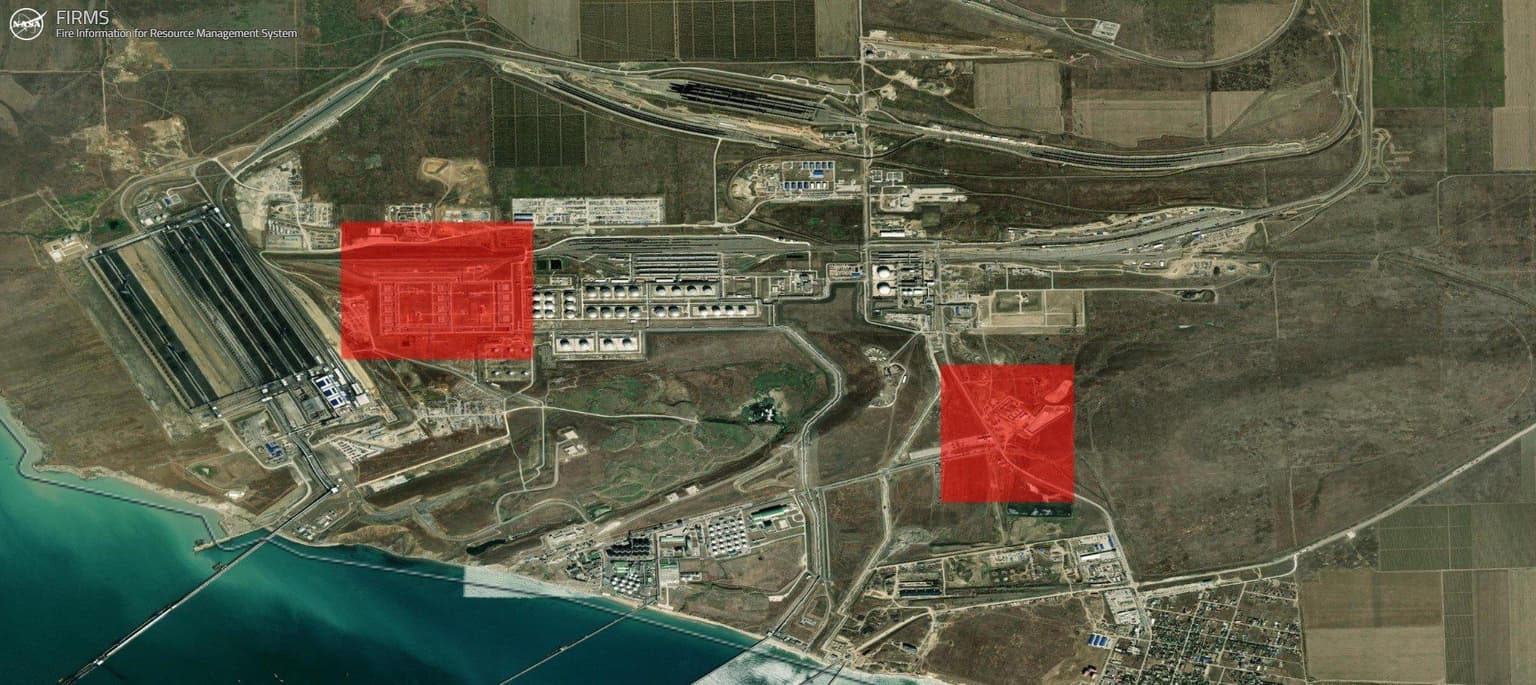
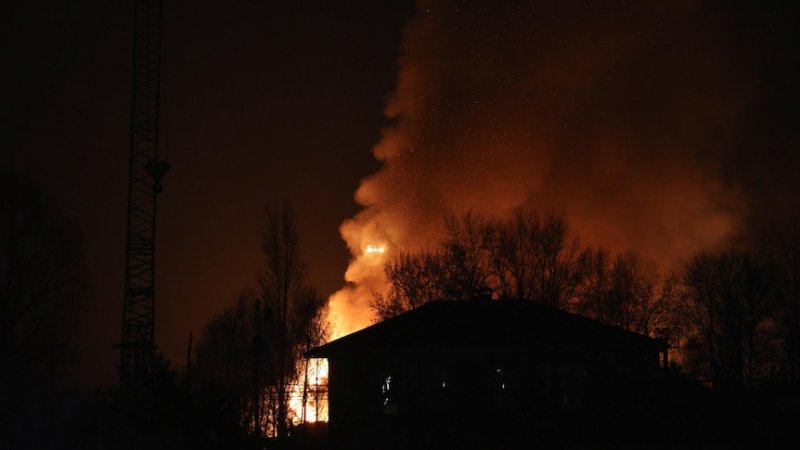
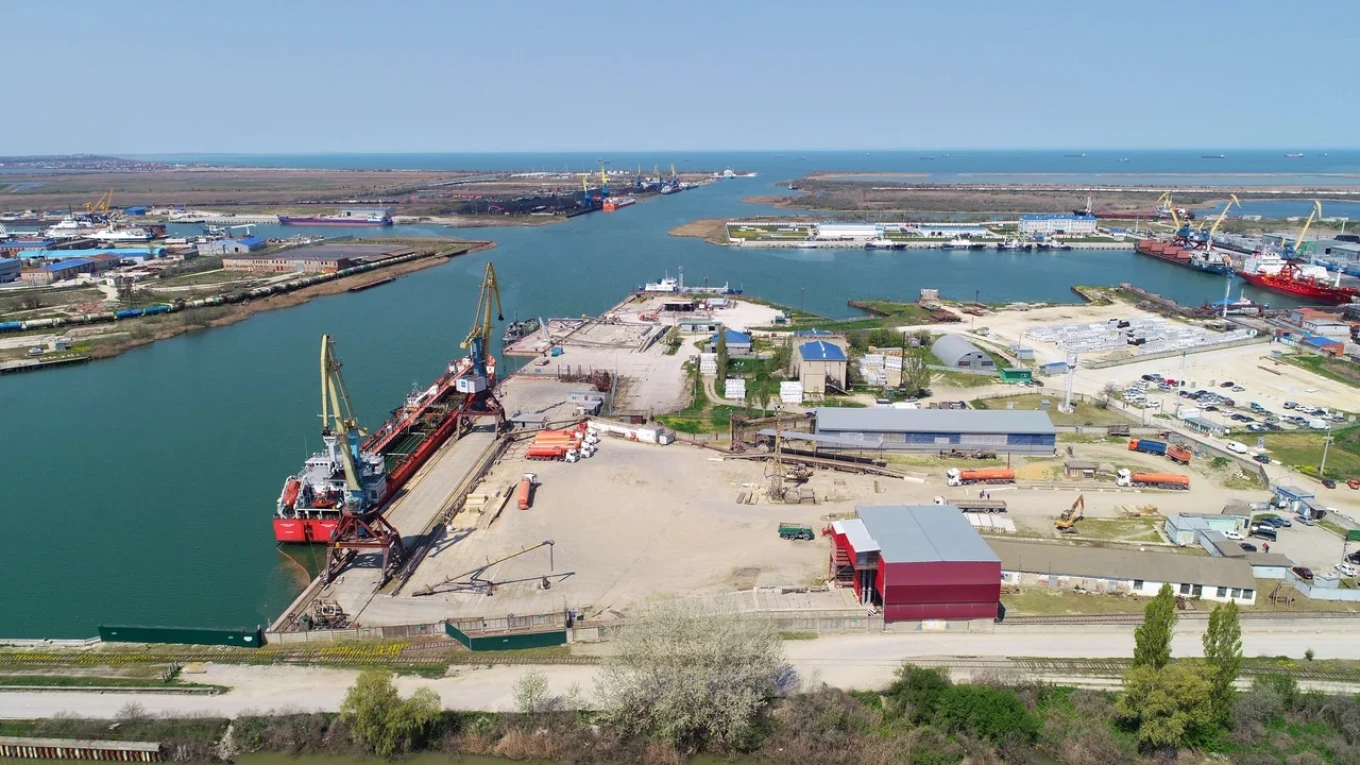
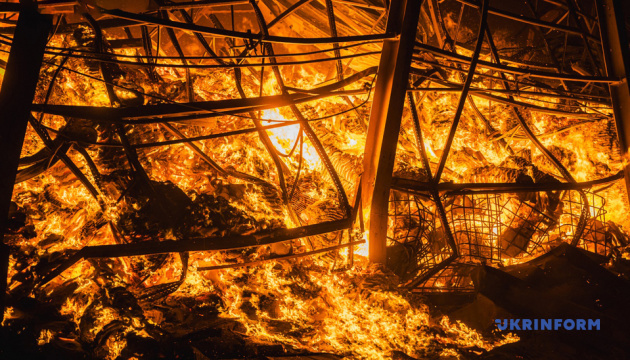
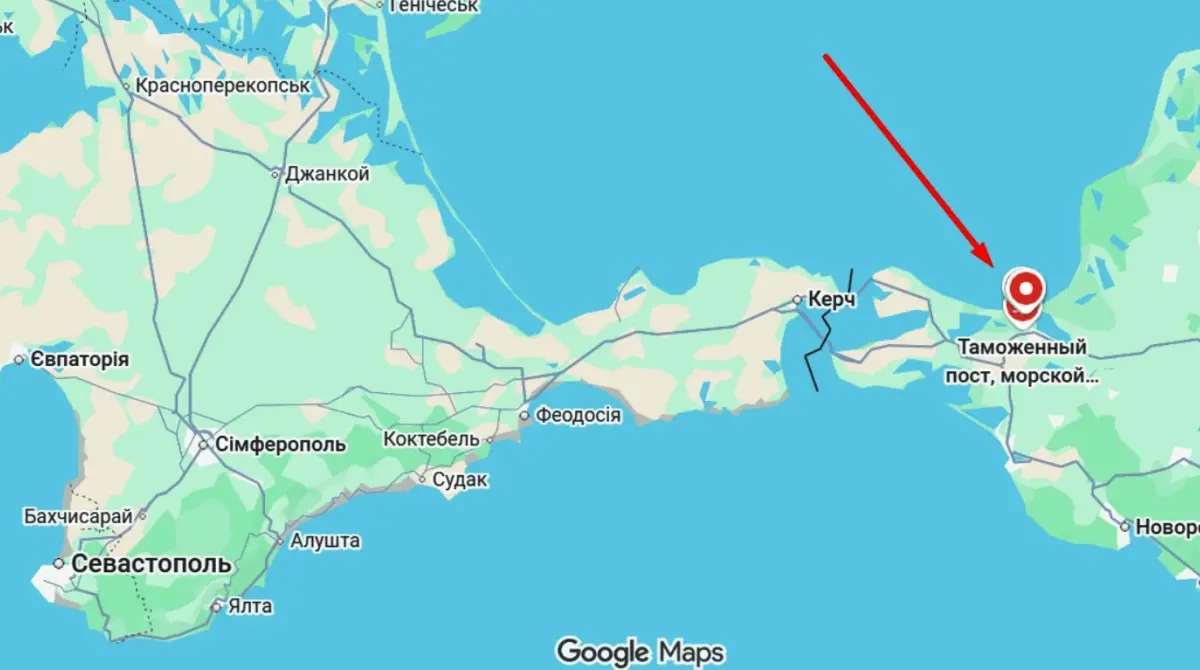
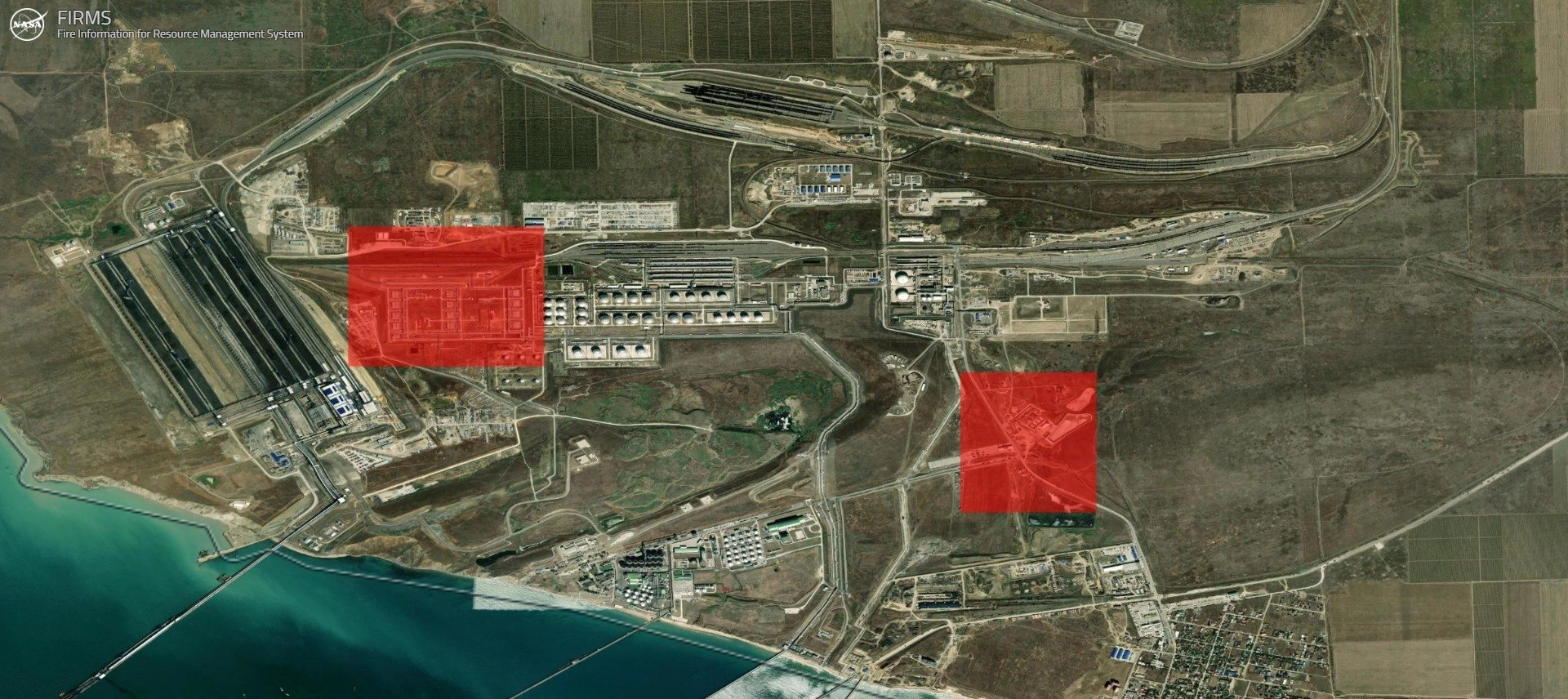
The systematic destruction of Russian energy infrastructure—including the Tamanneftegaz LPG terminal (28,800 cubic meter capacity), Taneko and Taif-NK refineries (16M+ tons annual processing), and Togliattikauchuk chemical plant—creates a cascading supply chain disruption affecting global cross-border sellers across multiple categories. Ukrainian drone campaigns have eliminated Russia's largest southern hydrocarbon transshipment hub and forced complete operational shutdown of the Kuibyshev refinery, creating an estimated 18-24 month supply shortage for petroleum products, chemicals, and synthetic materials critical to manufacturing.
For cross-border e-commerce sellers, this conflict creates three distinct opportunity windows: First, industrial equipment and generator categories see immediate demand surge in Eastern European markets (Poland, Romania, Ukraine) as businesses and consumers seek alternative power solutions. Sellers sourcing from Vietnam, India, and Turkey can capture 25-35% margin premiums by redirecting inventory from Russian markets to EU/NATO-aligned regions. Second, chemical and synthetic material shortages (particularly synthetic rubbers from Togliattikauchuk) create arbitrage opportunities for sellers in industrial supplies, automotive parts, and manufacturing inputs—categories that historically see 12-18% price increases during supply disruptions. Third, fuel rationing in Russian-held territories (petrol stations in Crimea running empty, supply line disruptions) signals collapsing consumer purchasing power in Russia, making it economically unviable for sellers to maintain Russian inventory or FBA operations—effectively closing the Russian market for 6-12 months.
The operational impact on sellers is immediate and severe: Sellers with existing Russian FBA inventory face potential stranding as logistics corridors through Belarus and Kazakhstan become unreliable. Shipping costs to Russia have increased 40-60% due to routing around conflict zones, making small-unit fulfillment unprofitable. However, sellers can exploit this disruption by pivoting sourcing strategies: redirect Chinese/Vietnamese manufacturing capacity away from Russian-focused suppliers toward EU/NATO markets where energy costs are rising 15-22% due to global supply tightness. This creates a 6-month window (June-December 2026) where sellers can establish supply relationships with Eastern European distributors before Russian energy capacity partially recovers. Compliance note: Sellers must verify OFAC sanctions compliance when exporting to Ukraine or EU border regions, as energy-related products face heightened scrutiny.
Strategic timing is critical: The news reports fuel shortages in Russian-held Crimea (empty petrol stations, rationing regimes) and industrial facility damage across Tatarstan and Krasnodar Krai. This indicates Russia's logistics lockdown will persist 12-18 months, creating a permanent market shift. Sellers should immediately audit Russian inventory exposure and reallocate capital to Eastern European market entry (Poland, Romania, Baltic states) where energy infrastructure investment is accelerating and consumer demand for imported goods is rising due to supply disruptions.
Questions 8
What compliance risks exist for sellers trading with Eastern Europe?
Sellers exporting to Ukraine or EU border regions must verify OFAC sanctions compliance, as energy-related products and industrial equipment face heightened scrutiny. The news reports Ukrainian military operations targeting Russian energy infrastructure, and US/EU sanctions on Russia create complex compliance requirements for sellers. Verify that products are not dual-use items (industrial equipment that could support military applications) and that end-customers are not sanctioned entities. Maintain documentation of customer verification and end-use declarations. Consult OFAC sanctions list before establishing Eastern European distribution relationships. Energy-adjacent categories (generators, industrial equipment, chemicals) require additional compliance review. Failure to comply can result in account suspension on Amazon/eBay and potential legal liability. Allocate 2-4 weeks for compliance audit before market entry.
How long will Russian market disruption persist?
The news reports complete operational shutdown of Kuibyshev refinery, destruction of Tamanneftegaz LPG terminal (28,800 cubic meter capacity), and systematic destruction of transshipment hubs. Industry analysis indicates 18-24 month recovery timeline for Russian energy capacity. Fuel rationing in Russian-held Crimea (empty petrol stations, supply line disruptions) confirms immediate market collapse. Sellers should plan for 12-18 month Russian market closure, with partial recovery beginning in late 2027. The 6-month window (June-December 2026) represents peak opportunity for Eastern European market entry before Russian capacity recovery compresses margins. After 18 months, Russian energy capacity will partially recover, reducing demand surge in Eastern Europe and normalizing shipping costs. Sellers should treat this as a permanent market shift: reallocate Russian inventory to EU markets now, establish Eastern European distribution networks during the 6-month window, and prepare for margin compression in late 2027.