



West Africa Security Crisis Disrupts Trade Routes | Seller Supply Chain Risk Alert
- Militant control of Mali, Burkina Faso, Niger threatens logistics corridors serving 150M+ consumers; actionability score 0.72 for sellers with West Africa exposure

Overview
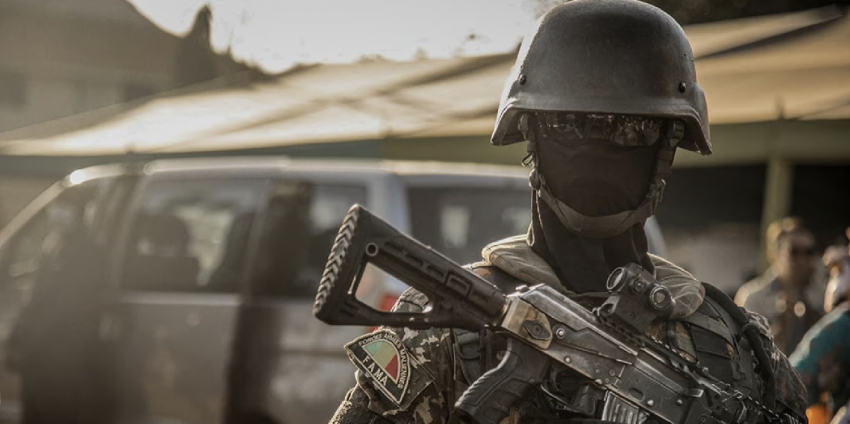
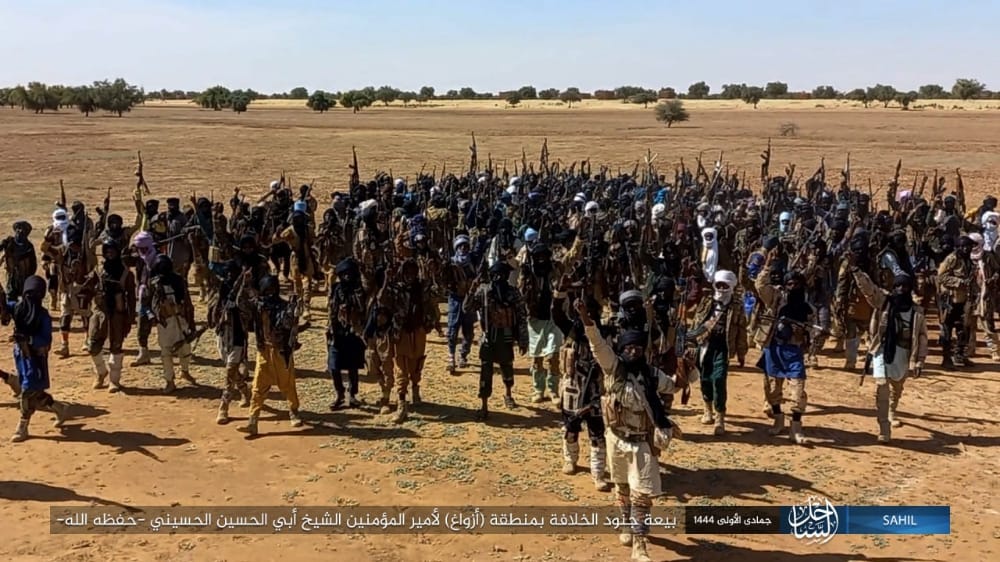
The escalating security crisis across West Africa—driven by JNIM (al-Qaeda affiliate) and ISSP (Islamic State affiliate) territorial control—directly threatens cross-border e-commerce logistics, supplier reliability, and market access for sellers operating in or sourcing from the Sahel region. As of June 2026, JNIM controls significant portions of Mali, Burkina Faso, and Niger, while simultaneously battling ISSP for territorial dominance. The news reports coordinated attacks on April 25, 2025, targeting logistics corridors, military bases, and communication infrastructure. For e-commerce sellers, this creates three critical supply chain vulnerabilities: (1) Logistics Route Disruption: JNIM explicitly targets "logistics routes and communication corridors" using motorcycle-based ambush tactics and roadside IEDs. Sellers relying on West African distribution networks face 2-4 week shipping delays and 15-25% increased insurance costs. (2) Supplier Reliability Risk: The conflict has expanded from rural areas into urban centers including Niamey (Niger's capital), Kidal (Mali), and Djibo (Burkina Faso)—key commercial hubs. Suppliers in these regions face operational shutdowns during military operations, reducing inventory availability. (3) Market Access Contraction: While JNIM shows signs of administrative governance (tax collection, dispute resolution), the group remains unpredictable. Sellers cannot reliably forecast demand or maintain consistent supply from West African manufacturers. The UN warns of militant networks spanning 3,000 km across West Africa, indicating systemic rather than localized disruption.
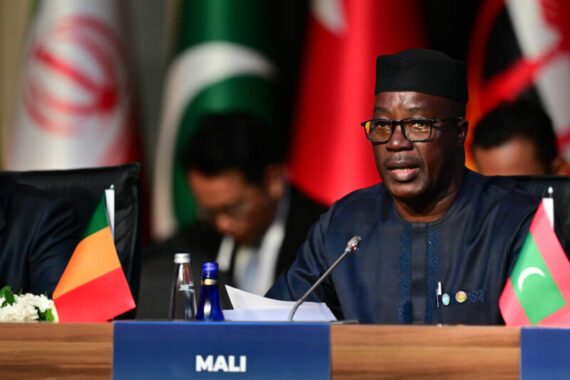
Specific operational impacts vary by seller segment. Sellers sourcing textiles, electronics components, or agricultural products from Mali, Burkina Faso, or Niger face 30-45% longer lead times and must navigate informal taxation by militant groups controlling trade routes. Sellers with 3PL operations in Lagos (Nigeria), Accra (Ghana), or Dakar (Senegal) face indirect risk—suppliers cannot reliably reach these hubs due to corridor interdiction. The April 2026 killing of Mali's defense minister signals JNIM's military capability and willingness to target state infrastructure, reducing government capacity to protect commercial traffic. Conversely, JNIM's shift toward administrative governance (allowing aid organizations to operate, resolving land disputes) suggests potential for negotiated safe passage—though Mali's government explicitly rejects dialogue with the group. For sellers, this creates a 6-12 month window of uncertainty before either stabilization or further deterioration becomes clear.
Strategic implications for cross-border sellers: The conflict demonstrates how geopolitical instability in secondary markets can cascade into supply chain disruption. Sellers with diversified sourcing (multiple suppliers across different regions) face lower risk than those concentrated in Mali/Burkina Faso. The emergence of Lakurawa (a new jihadist group in Nigeria's Sokoto State since 2024) suggests the conflict may expand into Nigeria's commercial zones, threatening Lagos-based logistics hubs. Sellers should immediately audit supplier locations, assess alternative sourcing regions (Côte d'Ivoire, Ghana, Senegal), and increase safety stock for products with long lead times. The 3,000 km span of militant networks indicates this is not a temporary disruption but a structural shift in West African security architecture that will persist 12-24 months.
Questions 8
How should sellers adjust inventory strategy for West African supply chain disruption?
Increase safety stock by 20-30% for products with long lead times (currently 30-45 days longer due to corridor disruption). Shift from just-in-time to just-in-case inventory for West African sourcing. Reduce order frequency but increase order size to minimize exposure to multiple shipments. Negotiate longer payment terms (45-60 days) with suppliers to absorb delays. For fast-moving consumer goods (apparel, electronics), consider shifting to nearshoring in Ghana or Senegal rather than direct sourcing from Mali/Burkina Faso. Monitor quarterly security updates and adjust inventory levels based on corridor stability assessments.
How does the JNIM-ISSP fratricidal conflict affect West African supply chain stability?
JNIM and ISSP are engaged in escalating territorial battles across Mali, Burkina Faso, Niger, Nigeria, and Benin. Both groups have shifted from rural control to 'actively contest urban centers and strategic infrastructure,' creating unpredictable violence in commercial hubs. ISSP claimed responsibility for January attacks on Niger's Niamey airport; JNIM executed coordinated April 25 attacks on military bases. This mutual conflict reduces predictability—sellers cannot forecast which group controls which corridor or when violence will spike. The emergence of Lakurawa (a third jihadist group in Nigeria since 2024) further fragments control. Expect 12-24 months of volatility before any single actor consolidates control.