




UK Youth Unemployment Surge Signals Demand Shift | 1M NEETs Impact Consumer Spending & E-Commerce Categories
- 1 million young people classified as NEET (highest in 12 years) reshapes UK consumer behavior; mental health crisis (43% cite mental health barriers) reduces discretionary spending; sellers targeting 16-29 demographic face 25% projected NEET increase to 1.25M by 2030






























Overview
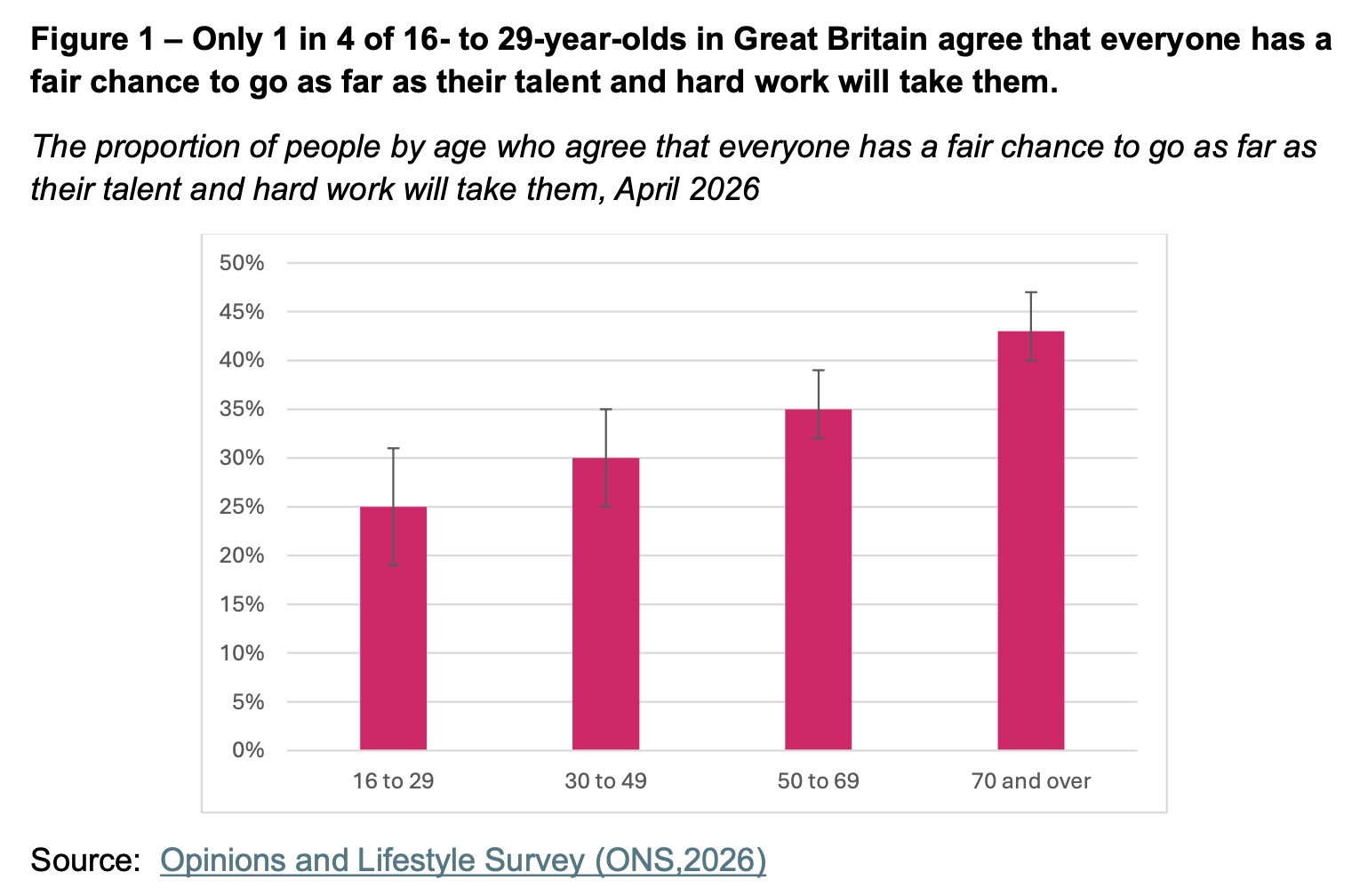
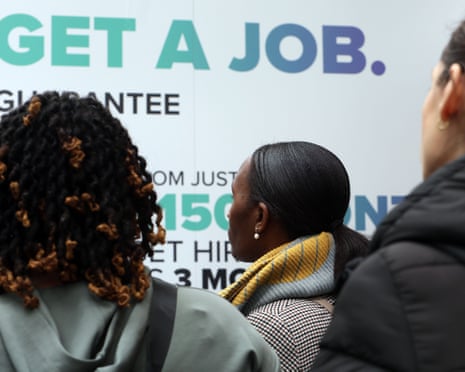
Britain's youth employment crisis represents a fundamental demand-side shock for e-commerce sellers targeting younger demographics. With approximately 1 million young people classified as NEET (Not in Employment, Education or Training)—the highest figure in 12 years according to Alan Milburn's government report—consumer spending patterns among 16-29 year-olds are contracting sharply. The Institute for Public Policy Research (IPPR) data reveals that only one in four 16-29 year-olds believe they have a fair chance to succeed, compared with 35% of those aged 50-69, indicating a psychological shift that directly impacts purchasing confidence and discretionary spending.
The mental health dimension amplifies this demand risk. Forty-three percent of NEETs cite mental health problems as their primary employment barrier (up from 24% in 2011), with four in ten women and three in ten men aged 16-24 experiencing poor mental health. This cohort exhibits significantly lower life success expectations: only 24% of those with poor mental health believe they have good prospects compared to 48% of their peers. For e-commerce sellers, this translates to reduced demand in categories traditionally driven by youth spending: fashion, electronics, gaming, beauty, and lifestyle products. The IPPR projects a 25% rise in NEETs to 1.25 million by 2030 without intervention, creating a multi-year demand headwind for sellers relying on this demographic.
Government intervention signals market restructuring opportunities. The UK government has allocated £2.5 billion in youth employment support, creating 300,000 new work experience and training placements across construction, health, social care, and hospitality sectors. This spending injection creates secondary opportunities: sellers in work-appropriate apparel, professional development products, and skill-building tools (coding courses, certifications, interview preparation materials) can capitalize on government-funded training programs. Poundland founder Steven Smith's emphasis on "reduced red tape and lower business rates" for entrepreneurs suggests potential policy shifts favoring small business formation, which could unlock demand for startup supplies, e-commerce tools, and business services among the younger cohort attempting self-employment as an alternative to traditional employment.
The AI-driven hiring barrier creates a specific product opportunity. News reports highlight that AI-driven application screening systems reject candidates within hours, and one-third of UK firms prioritize hiring older workers due to perceived skill gaps. This creates demand for resume optimization tools, interview preparation software, skills certification programs, and career coaching services—products that can be sold through Amazon, Shopify, and specialized e-learning platforms. The School of Coding partnership mentioned in the news demonstrates viable demand for technical training products targeting this demographic, with participants averaging 37 years old, indicating broader adult reskilling demand beyond just youth.
Questions 7
How can sellers leverage Poundland founder Steven Smith's 'reduced red tape' policy advocacy for business opportunities?
Steven Smith's call for reduced red tape and lower business rates signals potential policy shifts favoring small business formation and entrepreneurship among young people. Sellers should prepare for increased demand in: startup supplies, e-commerce tools, business registration services, and small business consulting products. The government's focus on entrepreneurship as an alternative employment path (mentioned in the news) creates opportunities for sellers to offer affordable business startup kits, dropshipping guides, and e-commerce platform tutorials targeting young entrepreneurs. Monitor UK government policy announcements on business rates and regulatory reform—successful policy changes could unlock 50,000+ new young entrepreneurs seeking startup resources, representing a $100M+ market opportunity.
How does mental health crisis among young people (43% cite mental health barriers) impact e-commerce marketing strategy?
With 43% of NEETs citing mental health as their primary employment barrier and 40% of 16-24 year-olds experiencing poor mental health, marketing messaging must shift away from aspirational/achievement-focused content toward supportive, low-pressure positioning. Young consumers in this cohort are highly sensitive to anxiety-inducing marketing and respond better to wellness, self-care, and mental health-focused products. Sellers should: (1) Increase inventory in mental health products (journals, meditation apps, stress-relief items); (2) Adjust PPC messaging to emphasize support rather than achievement; (3) Partner with mental health organizations for credibility. This demographic also shows higher engagement with authentic, peer-to-peer content versus traditional advertising.