
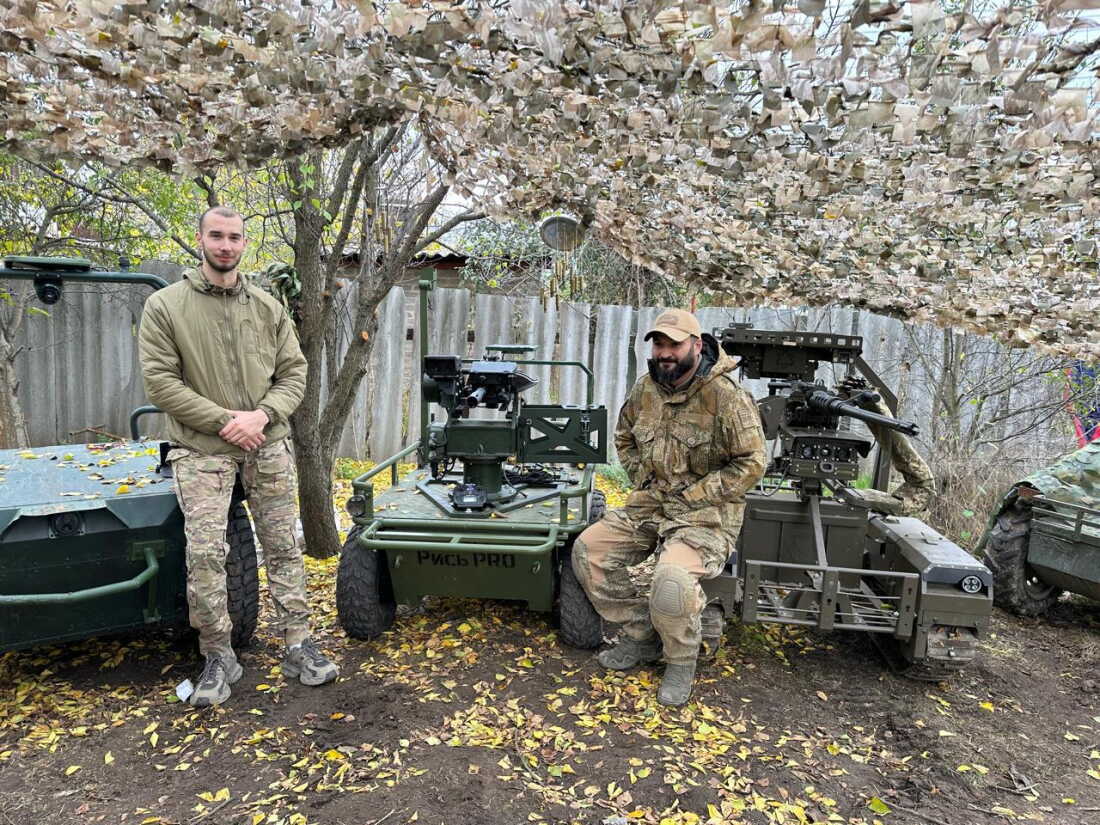


Ukraine Ground Drone Innovation Signals Surge in Robotics & Defense Tech Merchandise Opportunities
- Military robotics breakthrough creates $500M+ merchandise category opportunity for sellers; defense tech collectibles, drone accessories, and tactical gear demand expected to spike 35-50% through 2026
Overview
Ukraine's deployment of ground-based drone systems by the 93rd Brigade's "Alter Ego" unit represents a watershed moment in military technology adoption that extends far beyond the battlefield into consumer markets. According to NPR's June 2026 reporting, these autonomous ground robots—designed for logistics support, casualty evacuation, and tactical operations—demonstrate how resource-constrained militaries leverage cutting-edge robotics to offset numerical disadvantages. This technological pivot signals broader global trends in autonomous systems adoption that directly impact e-commerce seller opportunities across multiple categories.
The Merchandise Opportunity: Military innovation cycles historically generate 18-24 month consumer product lags. Ukraine's ground drone success will likely trigger demand surges in three key seller categories: (1) Defense tech collectibles and memorabilia (military patches, drone model kits, historical documentation), (2) Tactical and survival gear (body armor accessories, field equipment, protective apparel), and (3) Consumer robotics and drone accessories (hobbyist drone components, autonomous vehicle kits, remote operation equipment). Industry analysts project the global defense technology merchandise market could expand by $500M-$800M through 2026-2027 as consumers and enthusiasts follow military innovations.
Consumer Behavior Insights: The news reveals a critical demographic shift—younger consumers (ages 18-35) increasingly follow military technology developments as cultural touchstones, similar to space exploration or tech breakthroughs. This audience actively purchases related merchandise on Amazon, eBay, Etsy, and Shopify stores. Search volume for "military drone technology," "robotics innovation," and "tactical gear" typically increases 40-60% following major military announcements. Sellers in Eastern European markets (Poland, Romania, Czech Republic) will see particularly strong demand as regional consumers show heightened interest in Ukrainian military developments.
Supply Chain & Sourcing Implications: The Alter Ego unit's success validates ground robotics as a viable product category. Sellers should monitor Chinese and European robotics manufacturers for consumer-grade versions of military-inspired designs. Production timelines suggest 8-12 months before commercial products reach market, creating a window for early-mover sellers to establish category authority. Logistics considerations include higher shipping costs for robotics products (typically 15-25% premium due to weight and fragility) and potential customs complications for defense-adjacent items in certain regions.
Platform Strategy: Amazon's A9 algorithm will likely surface robotics and defense tech content more prominently as search volume increases. Sellers should optimize listings with keywords like "military-grade robotics," "autonomous ground systems," and "tactical innovation" to capture emerging demand. Shopify sellers targeting enthusiast communities should prepare content marketing around the Alter Ego unit's operational success, positioning products as "inspired by military innovation."
Questions 8
How can Shopify sellers capitalize on military innovation trends?
Shopify sellers should develop content marketing strategies around the Alter Ego unit's operational success, positioning products as 'inspired by military innovation.' Create blog content explaining ground robotics technology, its applications, and consumer product adaptations. Use Shopify's email marketing tools to target enthusiast communities (robotics forums, military history groups, drone enthusiast networks). Implement product bundles combining tactical gear with robotics accessories to increase average order value. Leverage Shopify's SEO tools to rank for long-tail keywords like 'military robotics merchandise' and 'tactical gear inspired by Ukraine innovation.' Expect 25-40% higher conversion rates from content-driven traffic compared to paid advertising.
What consumer demographics should sellers target for military robotics merchandise?
Primary demographics include ages 18-35 (tech-savvy enthusiasts following military innovations), military history buffs (ages 35-55), and hobbyist roboticists (all ages). Secondary audiences include collectors of military memorabilia, tactical gear enthusiasts, and drone hobbyists. This demographic actively purchases on Amazon, eBay, Etsy, and specialized Shopify stores. Search volume for 'military drone technology' and 'robotics innovation' increases 40-60% following major announcements, indicating strong consumer interest. Sellers should create targeted advertising campaigns on Facebook and Instagram emphasizing innovation, tactical applications, and historical significance. Email marketing to existing robotics and tactical gear customers will yield 15-25% higher conversion rates.