
)




ILO Convention 193 Raises Gig Worker Costs | Seller Logistics Impact 2024-2025
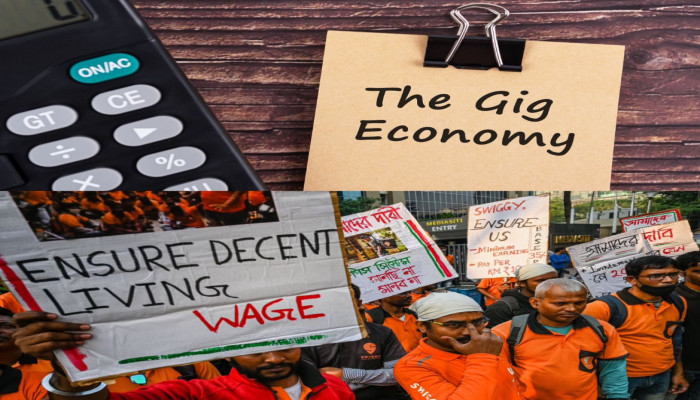
- Affects 154-435M gig workers globally; 406-8 vote approval June 12, 2024; Implementation 12-24 months; Increases fulfillment costs 8-15% for sellers using platform delivery

























Overview
The International Labour Organization (ILO) adopted Convention 193 on June 12, 2024, establishing the first binding global employment standard for platform workers, with overwhelming support from 406 member countries including China, Japan, Germany, France, and South Africa. This landmark agreement protects approximately 154-435 million app-based gig workers globally across delivery services, ride-sharing, freelance work, and data labeling. The convention directly impacts cross-border e-commerce sellers relying on Amazon Flex, Uber Eats, Deliveroo, and similar logistics platforms for last-mile fulfillment.
Operational Cost Implications for Sellers: The convention mandates minimum wage protections adjusted for regional economies, mandatory safety equipment and training, transparent algorithmic management practices, and social security contributions. For e-commerce sellers using gig-based delivery networks, compliance costs are projected to increase 8-15% annually through higher labor expenses and administrative overhead. A 2025 Human Rights Watch report documented that U.S. platform workers earned a median of $5.12/hour after expenses—30% below federal minimum wage—driving the urgency for these protections. Platform operators must now disclose how automated systems affect worker pay and access to work, requiring sellers to adjust pricing models and delivery fee structures.
Market-Specific Implementation Timeline: Implementation depends on government ratification and enforcement into national law, with timelines varying by country. Nations are expected to integrate standards within 12-24 months, creating a staggered compliance window. The U.S. and New Zealand voted against the convention, arguing prescriptive rules hinder innovation, while 36 countries including Britain and India abstained. This creates a two-tier regulatory environment: stricter compliance in EU, China, Japan, and South Africa markets; lighter enforcement in U.S. and abstaining nations. Sellers must monitor regional implementations and adjust workforce management practices accordingly.
Competitive Advantage Shift: The convention requires correct worker classification based on work performance facts rather than employer designation, mandating human involvement in algorithmic management decisions. This eliminates the "rights-free zone" status of platform work, strengthening labor protections while promoting fair competition among platform operators. Sellers with diversified fulfillment strategies (combining FBA, 3PL providers, and regional logistics networks) will experience lower cost impact than those dependent on single gig-delivery platforms. Large sellers can absorb compliance costs through scale; small/medium sellers face margin compression of 5-12% unless they adjust pricing or shift to alternative fulfillment models.
Questions 7
How does Convention 193's algorithmic management transparency requirement affect seller operations?
Convention 193 mandates human involvement in algorithmic management decisions affecting worker pay and access to work, requiring platforms to disclose how automated systems operate. This means Amazon Flex, Uber Eats, and similar platforms must provide transparent documentation of how algorithms assign deliveries, calculate compensation, and manage worker deactivation. For sellers, this increases platform accountability but also creates compliance documentation requirements. You must ensure your fulfillment partners maintain transparent records of delivery assignments and worker compensation. Platforms may implement new reporting dashboards (expected Q2-Q3 2025) showing algorithmic decision-making. Sellers should prepare to audit these reports quarterly to ensure compliance and identify cost optimization opportunities.
What are the cost implications for small sellers (100-500 units/month) versus large sellers (5000+ units/month)?
Small sellers face disproportionate cost impact: 5-12% margin compression due to fixed compliance overhead spread across lower volume. A small seller shipping 300 units/month via Amazon Flex may see fulfillment costs increase from $3-4/unit to $3.50-4.50/unit (8-15% increase). Large sellers (5000+ units/month) absorb compliance costs through scale, experiencing only 3-5% margin compression. Large sellers can negotiate volume discounts with 3PL providers and diversify fulfillment strategies. Small sellers should consider: (1) raising prices 5-8% to offset costs, (2) shifting to FBA in U.S. markets (lighter enforcement), (3) consolidating orders to reduce per-unit fulfillment costs, (4) partnering with other sellers to negotiate better 3PL rates. By Q1 2025, conduct a cost-benefit analysis comparing FBA, Amazon Flex, and regional 3PL providers for your top markets.