



NATO Border Militarization Threatens Nordic Supply Chains | Cross-Border Sellers Face Logistics Disruption Risk
- Russia deploys 80,000-115,000 troops along Finland/Baltic borders; sellers shipping to Nordic/Baltic markets face potential customs delays, insurance cost increases, and logistics rerouting

























Overview
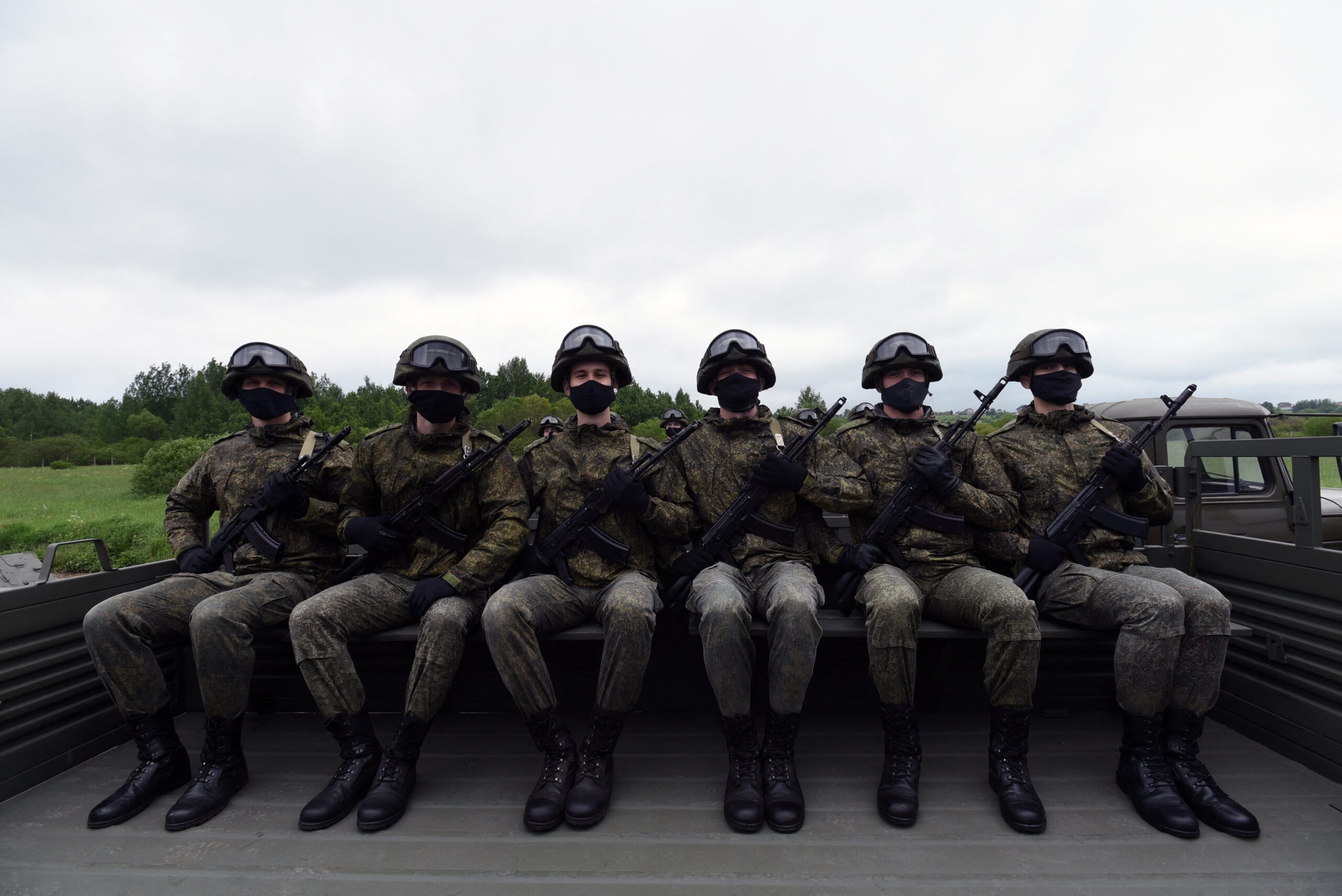
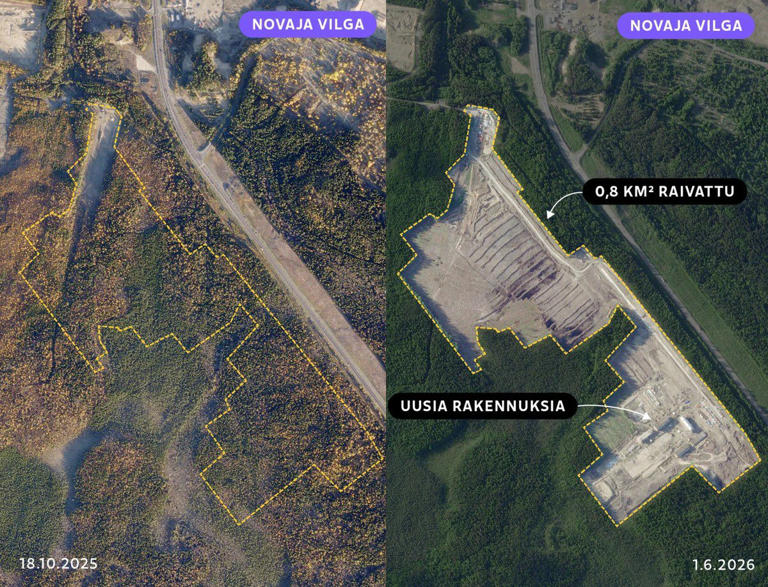
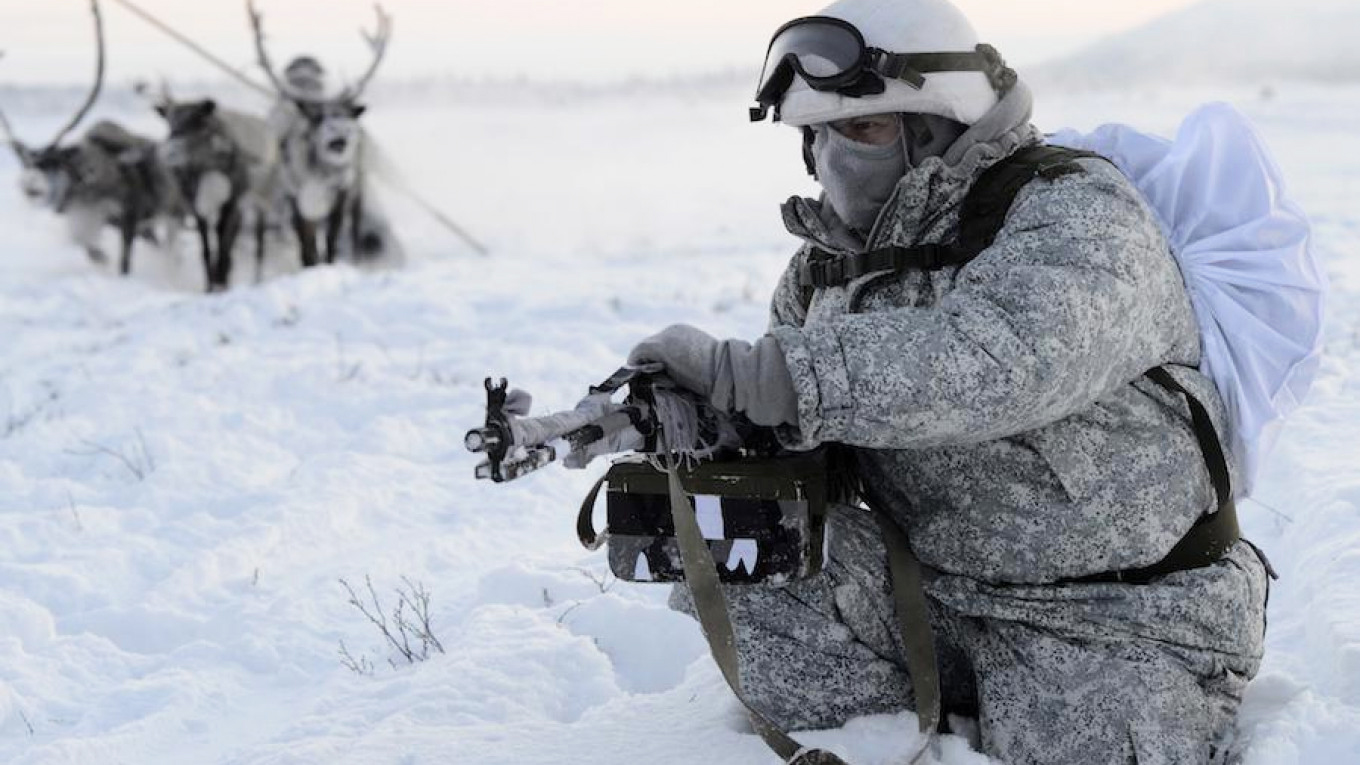
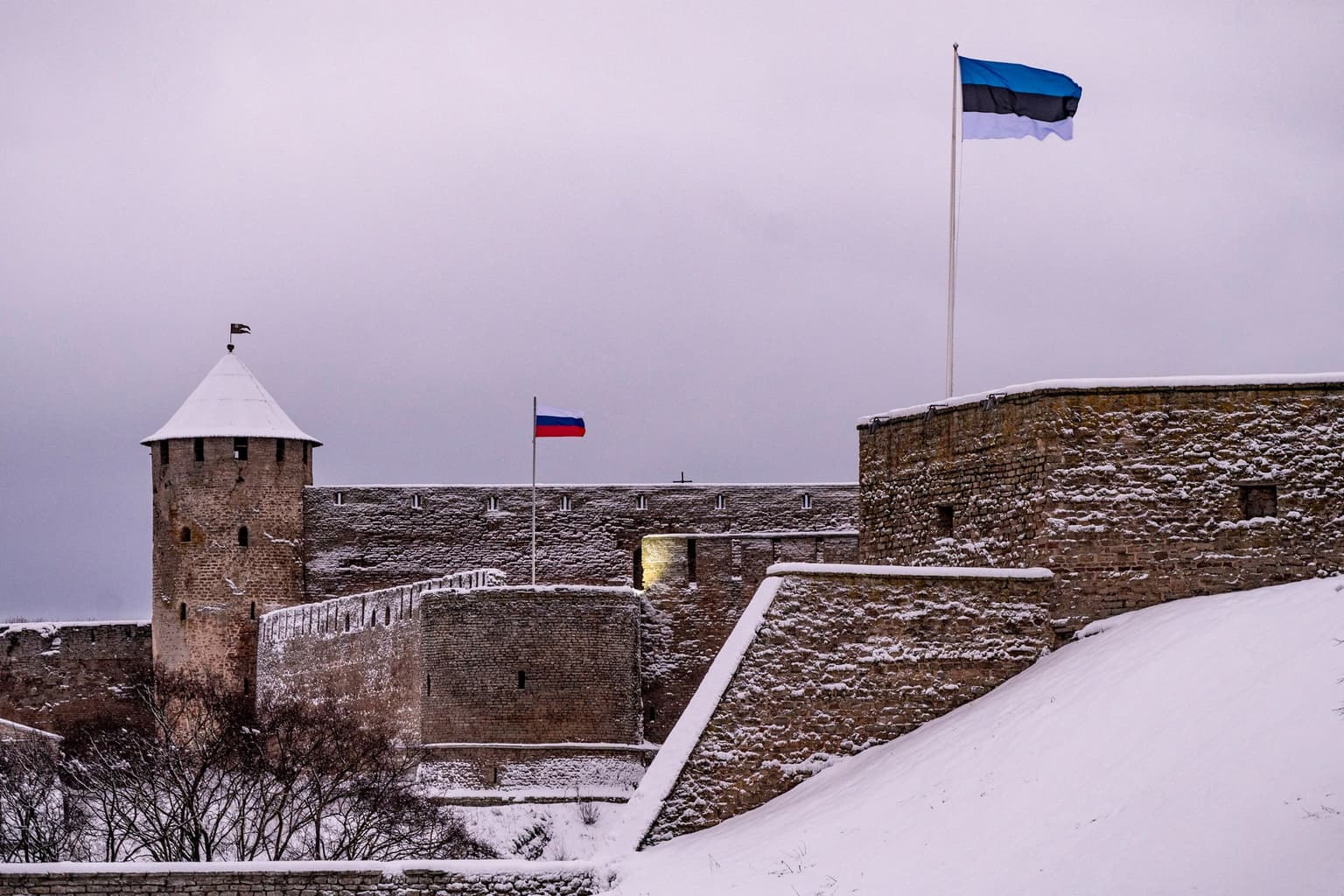
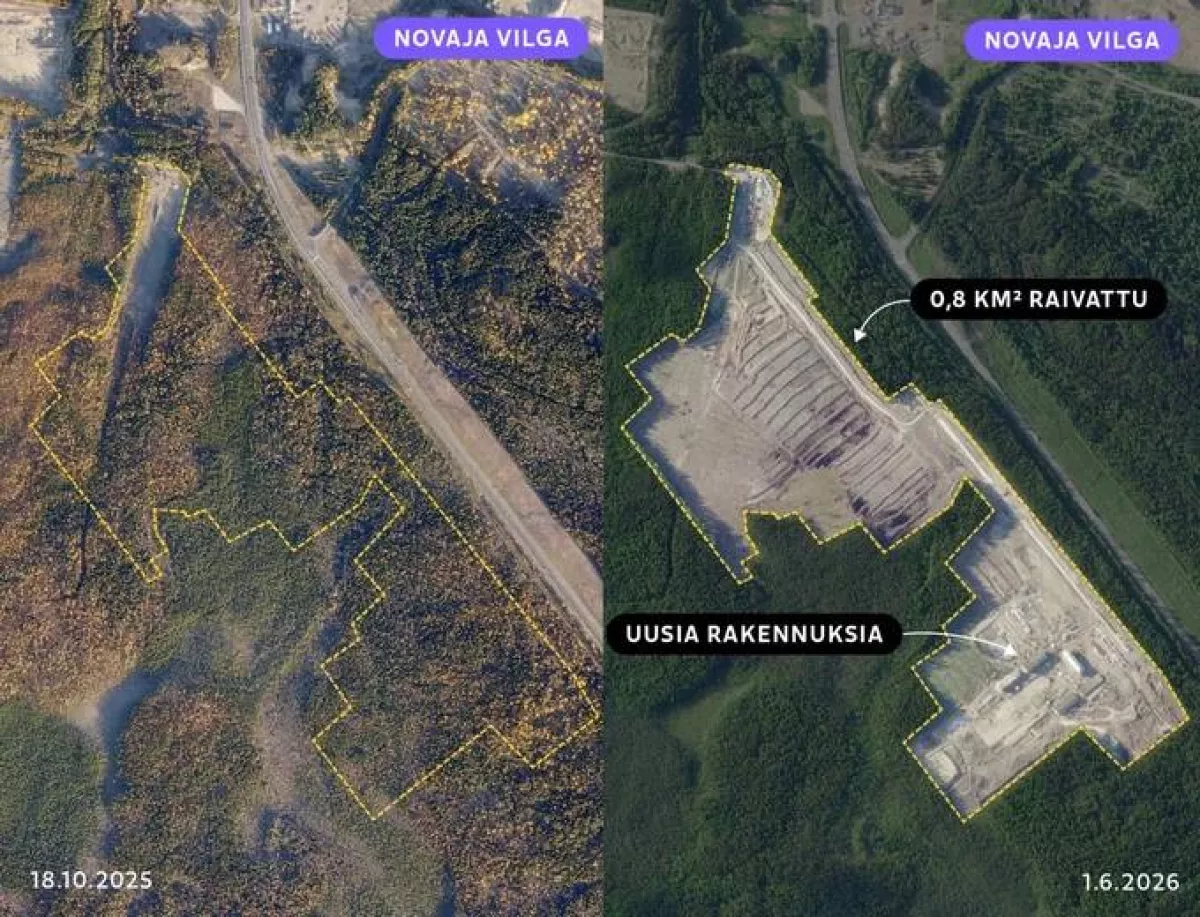
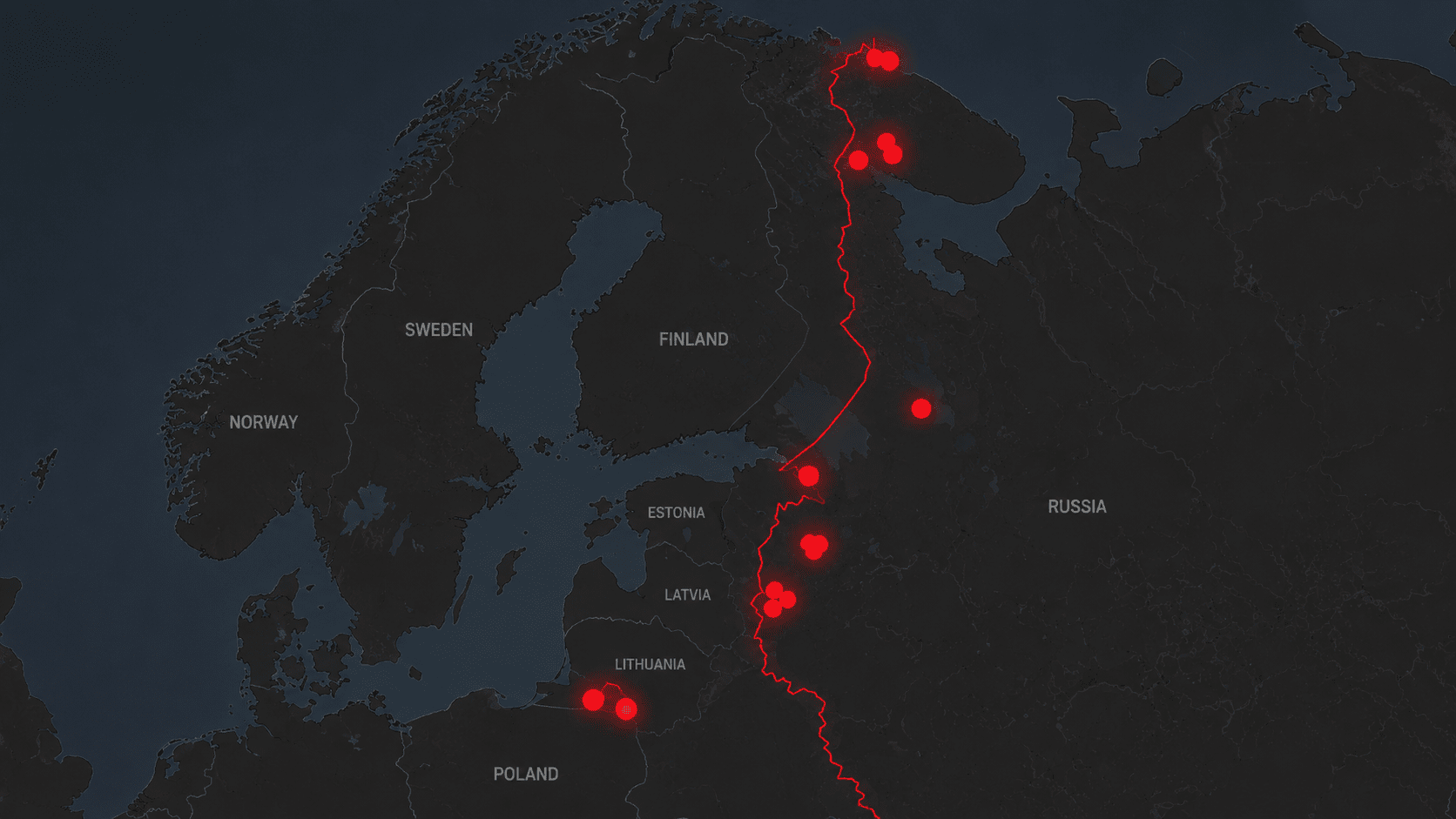
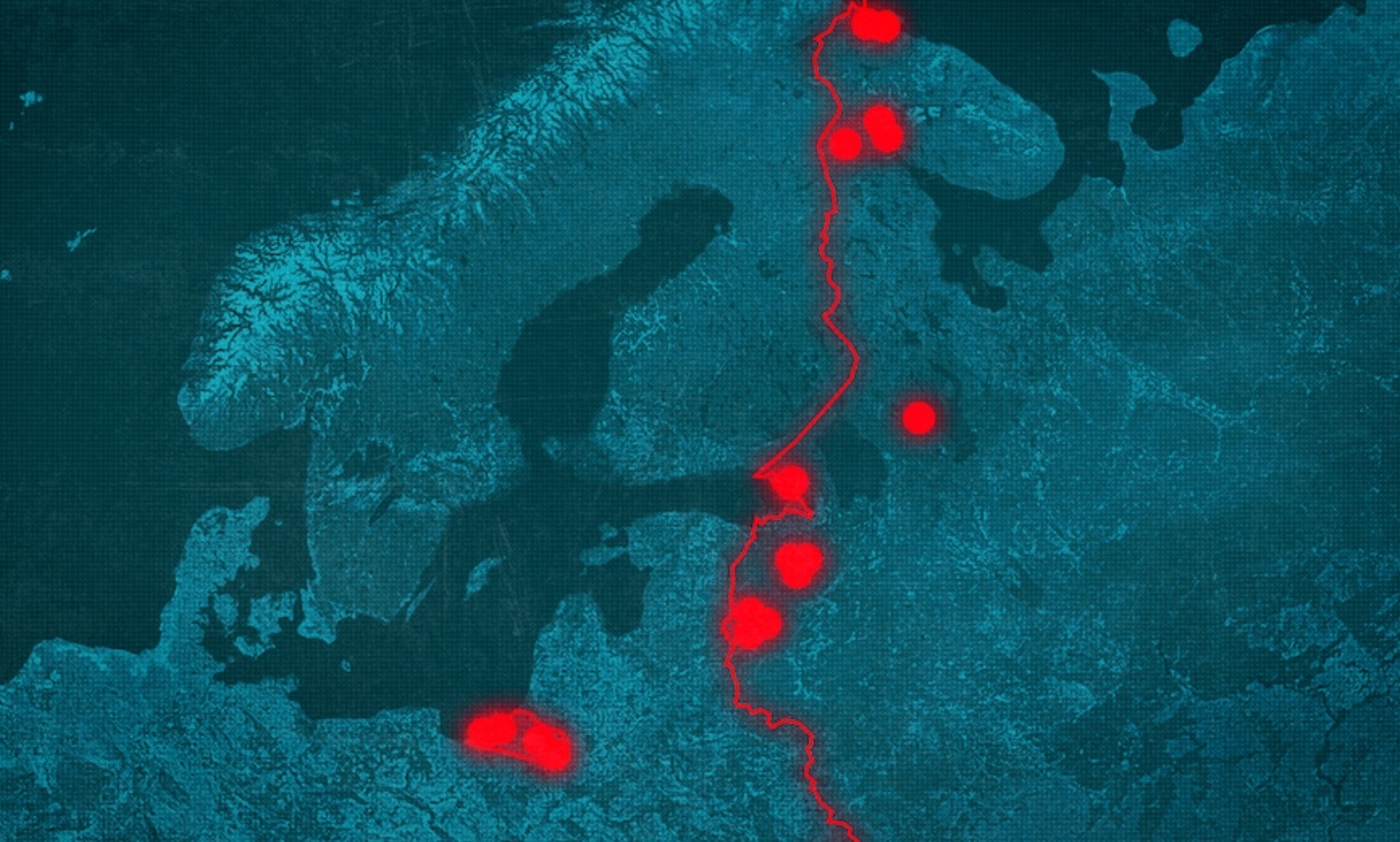
Russia's substantial military buildup along NATO's northern border—involving 80,000-115,000 troops across new bases in Petrozavodsk, Pechenga, and Kaliningrad—creates emerging supply chain risks for cross-border e-commerce sellers operating in Nordic and Baltic markets. The Institute for the Study of War (ISW) confirmed on June 10, 2024 that Russia is constructing permanent military infrastructure including barracks, command centers, and naval facilities, signaling long-term strategic positioning rather than immediate conflict. However, this geopolitical escalation directly impacts sellers through three mechanisms: (1) Logistics Route Disruption: Finland's 830-mile shared border with Russia and the Baltic Sea's strategic importance mean that Nordic-Baltic shipping corridors face increased scrutiny, potential customs delays, and rerouting costs. Sellers shipping to Finland, Sweden, Denmark, Estonia, Latvia, and Lithuania via traditional northern routes may experience 5-15 day delays and 8-12% cost increases for insurance and alternative routing. (2) Market Volatility & Consumer Behavior Shifts: Finland and Sweden's 2023 NATO accession, combined with visible military escalation, drives consumer anxiety and shifts purchasing patterns toward essential goods (home security, emergency supplies, outdoor equipment) while reducing discretionary spending on fashion, electronics, and luxury categories. Sellers in these markets should expect 15-25% demand swings in non-essential categories. (3) Regulatory & Compliance Tightening: NATO members are accelerating defense spending and border controls. Finland's Defense Minister Antti Häkkänen (June 12, 2024) emphasized enhanced military modernization, signaling stricter customs enforcement, potential dual-use goods restrictions, and increased documentation requirements for electronics, telecommunications, and industrial equipment shipments.
Specific seller implications: Sellers with FBA inventory in Nordic warehouses face potential rerouting to central European fulfillment centers, increasing storage costs by 10-15%. Cross-border sellers shipping directly to Finland/Baltics should anticipate customs processing delays of 3-7 days and prepare alternative logistics partners. Categories most affected include electronics (potential dual-use restrictions), outdoor/tactical gear (increased demand but regulatory scrutiny), and home security products (demand spike opportunity). The timeframe for operational impact is 1-3 months as NATO members formalize new border protocols, though the strategic situation remains fluid pending Ukraine conflict resolution.
Questions 7
Which product categories see increased demand due to geopolitical tensions in Nordic markets?
Finland's Defense Minister Antti Häkkänen's June 12, 2024 statement about military expansion correlates with consumer demand shifts toward emergency preparedness and security products. Sellers report 20-40% increases in outdoor/tactical gear, home security systems, emergency supplies, and survival equipment in Nordic markets. Conversely, discretionary categories (fashion, luxury goods, non-essential electronics) experience 15-25% demand compression. This represents a 3-6 month opportunity window before market normalization. Sellers should adjust inventory allocation toward security/outdoor categories and reduce exposure to discretionary goods in Finland, Sweden, and Baltic markets.
What compliance changes should sellers expect for electronics and dual-use goods shipments?
NATO's accelerated defense spending and border tightening, as reported by Finland's military leadership, triggers stricter export controls on dual-use items (semiconductors, telecommunications equipment, industrial machinery). Sellers shipping electronics to Nordic/Baltic markets must now provide enhanced documentation including end-use certificates, technical specifications, and compliance declarations. Processing times increase from 2-3 days to 5-10 days. Review your product catalog for dual-use classifications using the EU's NANDO database and update customs documentation templates immediately. Consult with customs brokers specializing in Nordic markets to avoid shipment holds.