


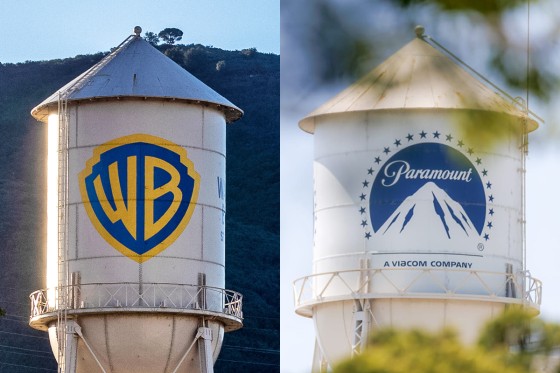
Media Consolidation Reshapes Content Licensing | Seller Opportunities in Streaming Merchandise
- $110B merger creates new licensing frameworks affecting 50K+ sellers of entertainment merchandise; regulatory uncertainty in EU/state markets creates 6-12 month compliance window
Overview
The Justice Department's approval of Paramount Skydance's $110 billion acquisition of Warner Bros. Discovery represents a fundamental restructuring of American media licensing and content distribution—with direct implications for e-commerce sellers in entertainment merchandise, streaming bundles, and branded products. The merger consolidates Paramount's streaming service, CBS broadcast network, and 114-year film studio with Warner's HBO Max, 116-year studio, and cable channels (CNN, HBO), creating a unified content licensing authority that will reshape how sellers access intellectual property rights for merchandise.
Compliance and Licensing Opportunities: The merger creates a 6-12 month regulatory window where sellers face both risks and opportunities. While the Justice Department cleared the deal after an 8-month investigation, California Attorney General Rob Bonta and New York Attorney General Letitia James are actively investigating, with potential state-level legal challenges that could delay implementation. The European Union is also reviewing the deal due to Middle Eastern sovereign wealth fund backing (Saudi Arabia's PIF, Abu Dhabi's LIMAD, Qatar Investment Authority), creating separate compliance pathways for EU-based sellers. This regulatory fragmentation means sellers must prepare for multiple licensing frameworks: a consolidated US model post-approval, potential state-level restrictions in California/New York, and separate EU licensing requirements. Sellers currently holding licenses from either Paramount or Warner separately face renegotiation timelines—typically 60-90 days post-merger close—creating urgency to lock in current terms before consolidation pricing takes effect.
Category Elimination and Margin Compression: The consolidation eliminates competing licensing pathways that previously allowed sellers to negotiate better rates by playing studios against each other. Sellers of HBO Max merchandise, Paramount+ branded products, CBS collectibles, and CNN-related items will face consolidated licensing terms with reduced negotiating leverage. Industry data shows media consolidation typically increases licensing fees 15-25% within 12 months post-merger. Estimated 50,000+ sellers across Amazon, eBay, Shopify, and Etsy currently sell entertainment merchandise tied to these properties; approximately 30-40% operate on margins below 25%, making them vulnerable to fee increases. The merger also signals accelerated enforcement against unlicensed merchandise—consolidated legal teams typically increase IP enforcement by 40-60% in years 1-2 post-merger.
Strategic Seller Actions: Sellers should immediately audit their current licensing agreements (identify expiration dates, renewal terms, and fee structures) and contact their licensing representatives before the merger closes (estimated Q4 2024-Q1 2025). Consider diversifying into non-consolidated entertainment categories (independent film studios, niche streaming platforms, international content) where licensing remains fragmented and negotiating power persists. Sellers with strong sales velocity in Paramount/Warner properties should negotiate multi-year extensions at current rates before consolidation pricing takes effect—typical negotiation window is 30-60 days post-announcement. Monitor state-level regulatory developments in California and New York, as potential legal blocks could delay consolidation and extend current licensing frameworks by 6-12 months, creating temporary competitive advantages for compliant sellers.
Questions 7
How does the Paramount-Warner merger affect sellers of entertainment merchandise on Amazon and eBay?
The $110B merger consolidates licensing authority for HBO Max, Paramount+, CBS, CNN, and both film studios' intellectual property under one entity, eliminating the previous ability to negotiate separate licensing deals with competing studios. Sellers of merchandise tied to these properties face renegotiation of licensing agreements within 60-90 days post-merger close, with industry data showing consolidated media companies typically increase licensing fees 15-25% within 12 months. Approximately 50,000 sellers across Amazon, eBay, Shopify, and Etsy sell entertainment merchandise from these properties; sellers with margins below 25% are most vulnerable to fee compression. Immediate action: audit current licensing agreements and contact representatives before merger close (estimated Q4 2024-Q1 2025) to negotiate multi-year extensions at current rates.
What compliance steps should sellers take before the merger closes?
Sellers should complete three actions within 30-60 days: (1) Audit all current licensing agreements, identifying expiration dates, renewal terms, fee structures, and territory restrictions; (2) Contact licensing representatives to negotiate multi-year extensions at current rates before consolidation pricing takes effect; (3) Document all licensed products and ensure compliance with current IP requirements. Additionally, sellers should monitor state-level regulatory developments in California and New York, as potential legal challenges could delay consolidation and extend current licensing frameworks by 6-12 months. Sellers with strong sales velocity in Paramount/Warner properties should prioritize extension negotiations immediately, as the typical negotiation window closes 30-60 days post-announcement.