


SpaceX IPO 2026 Signals AI-Driven Market Shift | Seller Opportunity in Space Tech & Satellite Internet
- World's largest IPO accelerated by AI boom; $250B AI acquisition during process; satellite internet expansion creates logistics & connectivity opportunities for cross-border sellers



Overview
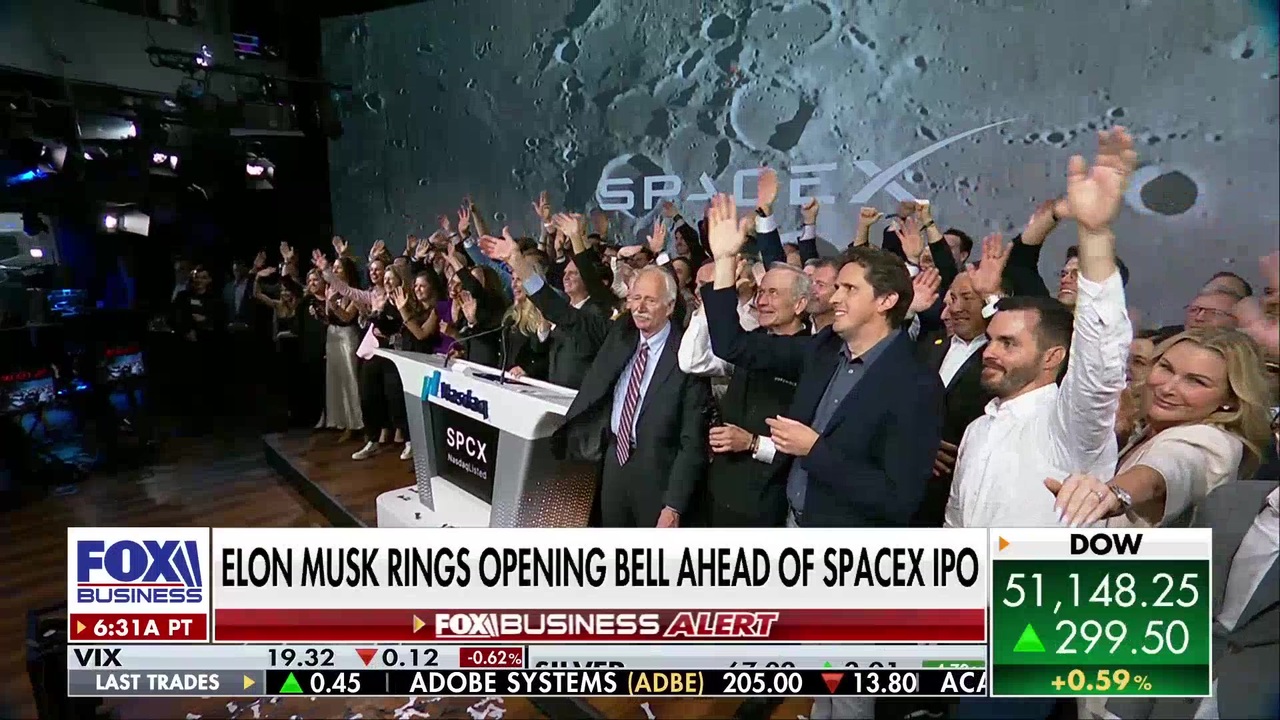
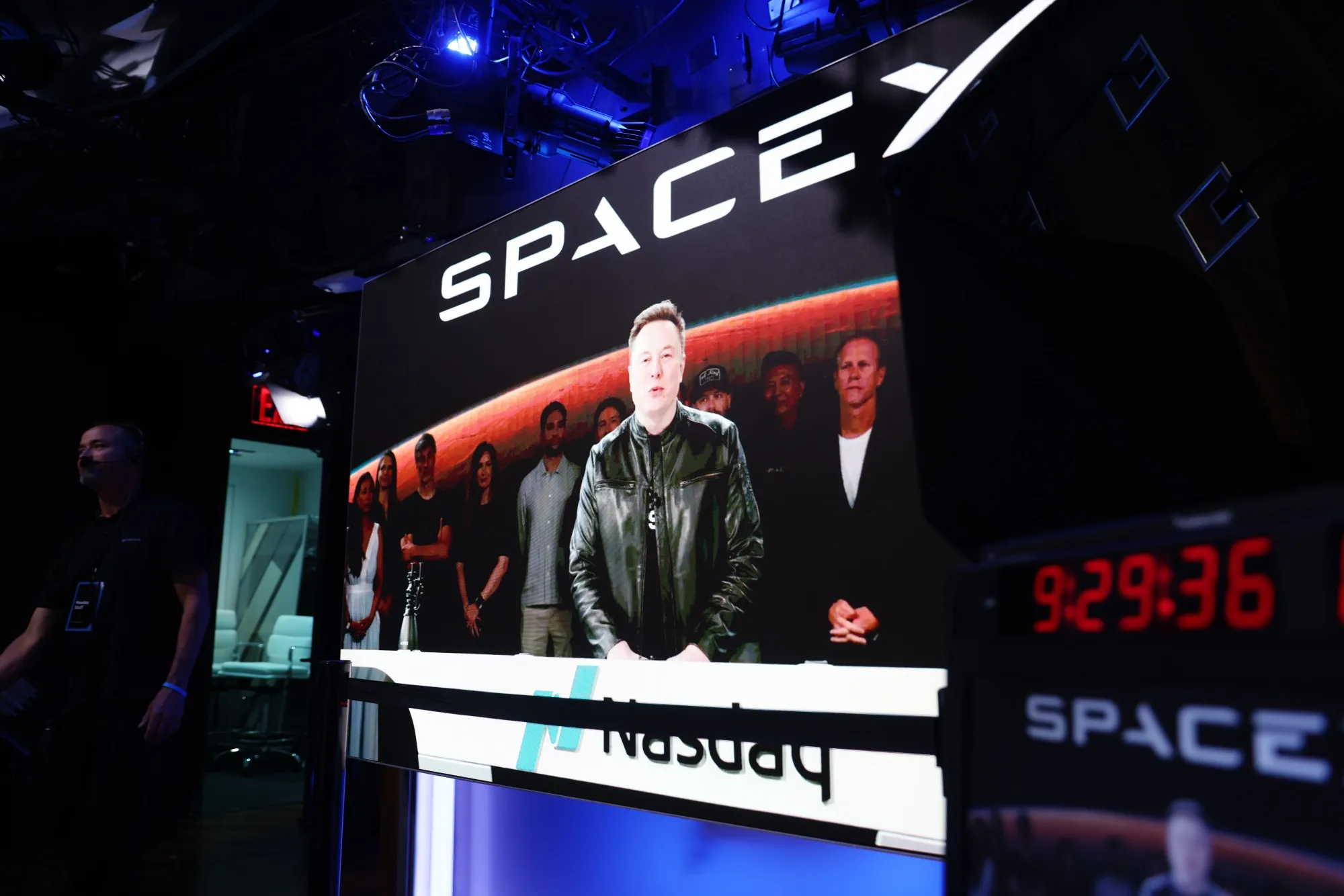
SpaceX's June 2026 IPO represents a watershed moment for technology-driven market dynamics that directly impacts e-commerce infrastructure and seller opportunities. The world's largest IPO, accelerated from original timelines, was catalyzed by the artificial intelligence boom—a trend that fundamentally reshapes how capital flows to infrastructure companies. Elon Musk's decision to acquire a $250 billion AI company during the IPO process demonstrates how rapidly evolving tech sectors compress corporate decision-making timelines, with implications for sellers relying on emerging logistics and connectivity solutions.
The convergence of space exploration and AI creates tangible e-commerce infrastructure opportunities. SpaceX's satellite internet initiatives (Starlink) directly address logistics challenges for cross-border sellers, particularly in underserved regions. As SpaceX transitions to public markets with $250B+ in capital access, accelerated satellite deployment becomes probable, potentially reducing shipping delays and enabling real-time tracking for sellers operating in remote markets. The IPO validates commercial space viability, signaling investor confidence in satellite-based logistics infrastructure that could disrupt traditional 3PL networks. Sellers in emerging markets (Southeast Asia, Latin America, Africa) may see improved last-mile delivery options within 12-24 months as Starlink expands coverage post-IPO.
Market timing reveals critical insights about investor appetite for infrastructure-enabling technologies. The accelerated IPO timeline—compressed from original Mars-colonization milestones to immediate capital access—reflects how AI-driven market dynamics override traditional corporate planning. For e-commerce sellers, this signals that infrastructure investments (satellite internet, AI-powered logistics) are now prioritized by capital markets. Sellers should monitor Starlink's commercial service expansion in their target markets; early adoption of satellite-based connectivity could provide competitive advantages in regions with poor terrestrial infrastructure. The $250B AI acquisition during IPO indicates SpaceX's commitment to AI-enhanced operations, potentially enabling more efficient logistics optimization and predictive delivery systems that benefit sellers using SpaceX-affiliated services.
Immediate seller implications center on supply chain resilience and market access expansion. The IPO's success validates space-based infrastructure as commercially viable, encouraging investment in satellite logistics networks. Sellers currently limited by poor connectivity in target markets should evaluate Starlink's service roadmap for their regions. Additionally, the AI boom driving this IPO suggests increased venture capital flowing to logistics startups integrating satellite connectivity—creating partnership opportunities for sellers seeking alternative fulfillment networks. The accelerated timeline demonstrates how rapidly technology markets can shift, requiring sellers to monitor infrastructure developments quarterly rather than annually.
Questions 7
What regulatory or operational risks should sellers monitor regarding satellite internet logistics?
Key risks include: (1) Spectrum allocation delays in certain countries (EU, China) could slow Starlink deployment; (2) Data sovereignty regulations may restrict satellite-based tracking in some regions; (3) Integration with existing customs/logistics systems requires compliance updates. Sellers should monitor regulatory developments in target markets quarterly, particularly in EU (GDPR implications for satellite tracking) and Asia-Pacific regions. Additionally, early-stage satellite logistics may experience service interruptions during 2026-2027 deployment phases. Sellers should maintain hybrid fulfillment strategies combining satellite and terrestrial infrastructure until satellite networks achieve 99.5%+ uptime reliability.
How does the accelerated IPO timeline reflect broader market trends affecting sellers?
The compressed timeline—from original Mars-colonization milestones to immediate capital access—reveals that AI-driven market dynamics now override traditional corporate planning. For sellers, this signals that infrastructure investments (satellite, AI logistics) are capital-market priorities. This trend suggests increased funding for logistics innovation, creating partnership opportunities for sellers seeking alternative fulfillment networks. Sellers should shift from annual to quarterly monitoring of infrastructure developments, as technology markets now move faster. Companies integrating AI and satellite technologies will likely gain market share from traditional 3PLs within 18-24 months.