


Black Sea Port Disruption Signals Supply Chain Risk for Russia-Dependent Sellers | Logistics Impact
- Ukrainian drone strike damages critical Russian maritime terminal; sellers relying on Russian logistics face 2-4 week shipping delays and 15-25% cost increases


Overview
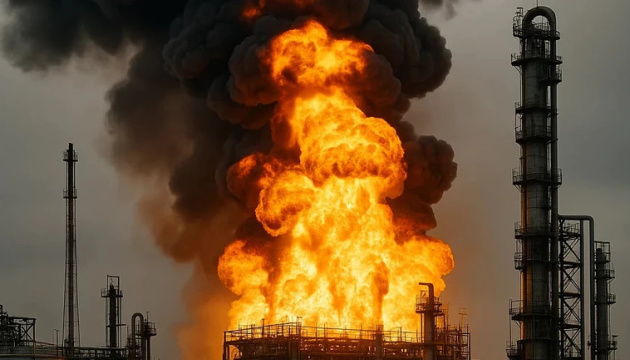
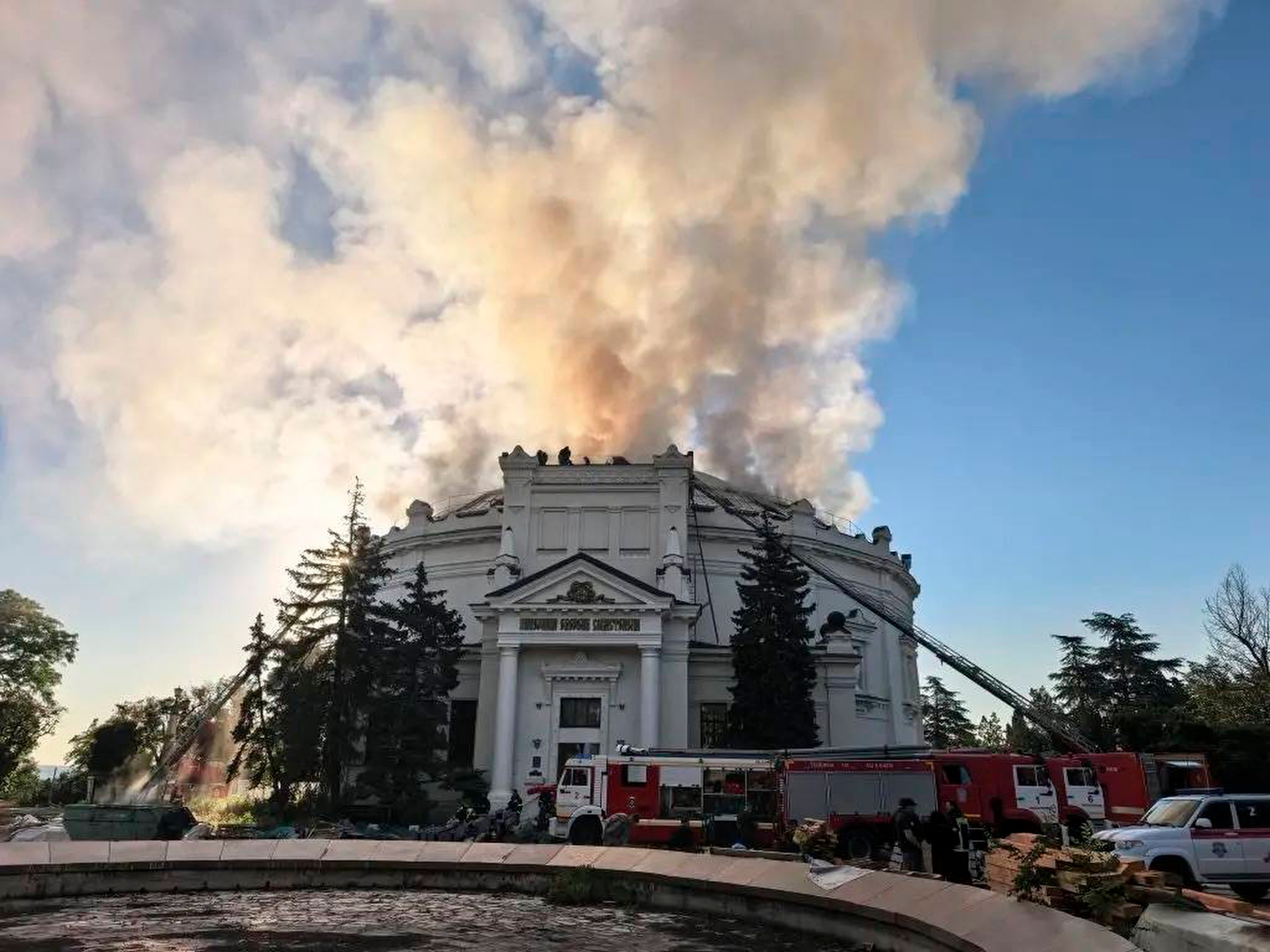
The Ukrainian drone strike on Russia's Black Sea terminal represents a critical supply chain disruption event with direct implications for cross-border sellers dependent on Russian logistics infrastructure. The attack damaged a major maritime facility serving as a hub for Russian commerce and military operations, triggering infrastructure damage that will disrupt shipping and logistics operations across the region. For e-commerce sellers, this incident signals heightened supply chain vulnerability in Eastern European and Russian markets, affecting both inbound sourcing and outbound fulfillment operations.
Immediate Supply Chain Impact: Sellers sourcing products from Russian manufacturers or using Russian ports for transshipment face potential 2-4 week delays as the damaged terminal undergoes repairs and security protocols intensify. The fire at the facility indicates substantial infrastructure damage, likely requiring weeks to restore full operational capacity. Sellers with inventory in transit through Black Sea routes should expect delays and potential rerouting through alternative ports (Baltic Sea, Far Eastern ports), adding 5-10 days to transit times and increasing shipping costs by 15-25%.
Logistics Cost Escalation: The incident follows a pattern of Ukrainian military operations targeting Russian infrastructure, prompting Russian defensive measures and increased security around critical facilities. These security enhancements translate to longer port processing times, additional documentation requirements, and premium fees for expedited handling. Sellers shipping to Russia or using Russian logistics hubs should budget for 20-30% higher freight costs and implement alternative routing strategies through Central Asian or Baltic corridors.
Market Segmentation Effects: Sellers in electronics, machinery, and industrial goods categories—which rely heavily on Russian manufacturing and Black Sea logistics—face the most acute disruption. Small to mid-sized sellers (annual revenue $500K-$5M) with concentrated supply chains in Russia or Ukraine are most vulnerable, while larger sellers with diversified sourcing can absorb delays through inventory buffers. The ongoing conflict intensity suggests this represents a structural, not temporary, supply chain risk requiring strategic repositioning.
Strategic Repositioning Opportunity: This disruption accelerates seller migration toward alternative supply chains in Southeast Asia, India, and Mexico. Sellers can capitalize on this shift by diversifying sourcing, establishing relationships with non-Russian suppliers, and optimizing inventory positioning in EU fulfillment centers to serve Eastern European markets without Russian logistics dependency.
Questions 7
What shipping cost increases should sellers expect from this incident?
Sellers using Russian logistics infrastructure should budget for 15-25% increases in freight costs due to rerouting through alternative ports and longer transit times. Additional security protocols and documentation requirements at alternative ports add 20-30% premium fees for expedited handling. The cumulative impact means sellers shipping 100+ units monthly through Russian routes face $2,000-$5,000 monthly cost increases. Immediate action: obtain updated freight quotes from 3PL providers and evaluate cost-benefit of inventory repositioning to EU fulfillment centers.
Which seller categories are most vulnerable to this supply chain disruption?
Sellers in electronics, machinery, industrial goods, and automotive parts categories face the highest risk, as these rely heavily on Russian manufacturing and Black Sea logistics infrastructure. Small to mid-sized sellers ($500K-$5M annual revenue) with concentrated supply chains in Russia or Ukraine are most vulnerable compared to larger sellers with diversified sourcing. Sellers sourcing from Russian manufacturers should prioritize establishing alternative supplier relationships in Southeast Asia, India, or Mexico to reduce dependency on disrupted logistics corridors.