
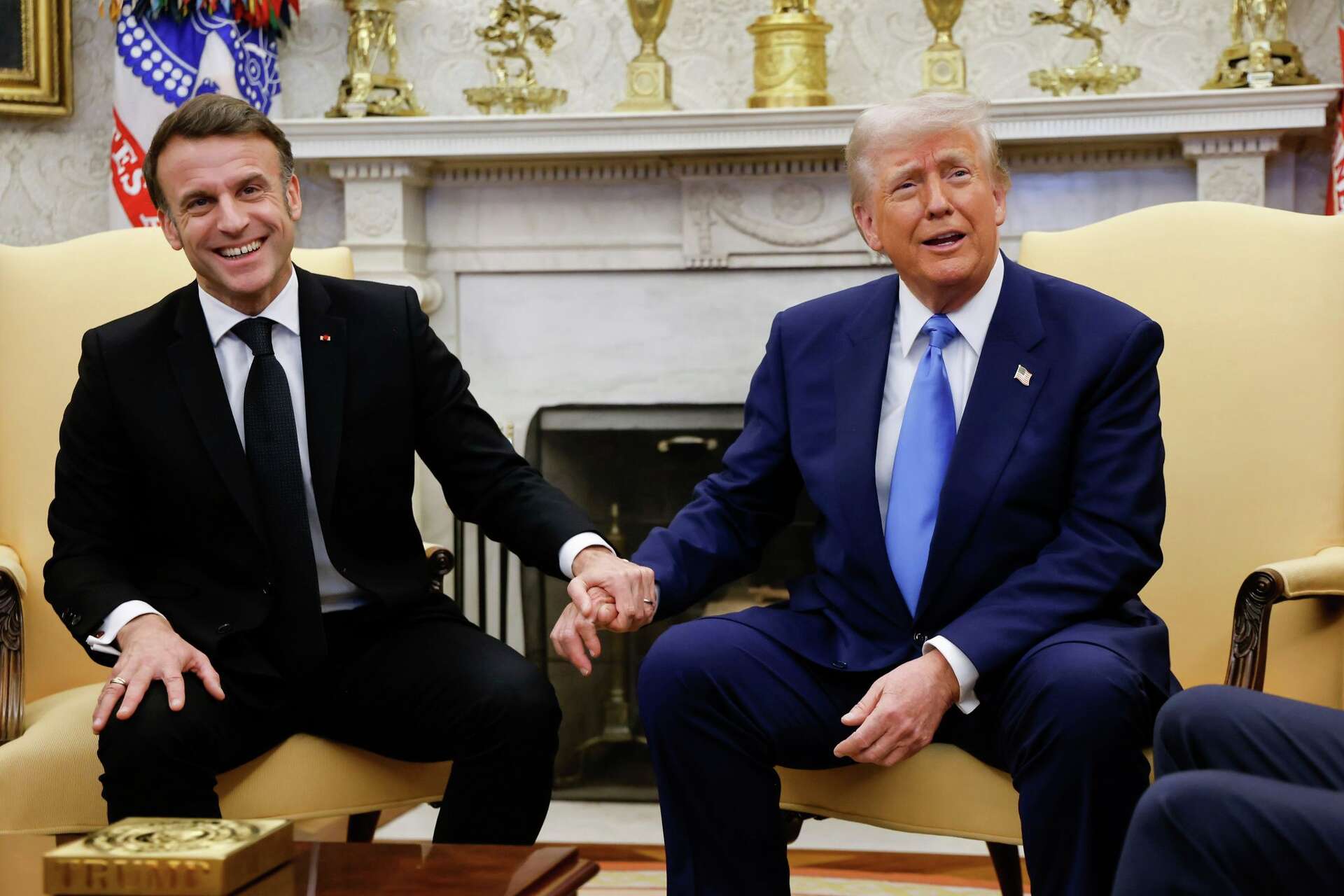

G7 Summit Trade Policy Signals | Cross-Border Sellers Face Tariff Uncertainty
- Trump-Macron diplomatic engagement at G7 signals potential trade policy shifts affecting EU-US commerce corridors; sellers should monitor tariff announcements expected within 4-8 weeks





Overview
The Trump-Macron diplomatic engagement at the G7 summit represents a critical inflection point for cross-border e-commerce sellers operating across the US-EU corridor. While the news summaries focus on bilateral political relations, the underlying context of G7 summits historically precedes major trade policy announcements, tariff adjustments, and regulatory harmonization discussions that directly impact seller operations. The timing is significant: G7 summits typically conclude with communiqués addressing trade disputes, digital commerce regulations, and tariff frameworks that affect product categories ranging from electronics to apparel.
For cross-border sellers, the Trump-Macron dynamic carries specific implications. Trump's administration has historically pursued aggressive tariff strategies, while Macron represents EU protectionist interests. Their "bruised bromance" suggests ongoing tensions over trade balances, digital taxes, and agricultural tariffs—all areas where sellers face compliance complexity. Key risk areas for sellers include: (1) Potential US tariff increases on EU-manufactured goods (affecting electronics, machinery, apparel sourced from Europe), (2) EU retaliatory tariffs on US products (impacting sellers shipping American goods to European marketplaces), (3) Digital services taxes that could affect Amazon, eBay, and Shopify operations in France and EU markets.
The G7 framework historically produces binding commitments on trade standards within 60-90 days of summit conclusion. Sellers should anticipate announcements regarding: tariff rate changes by HS code (particularly HS 6204 for apparel, HS 8471 for electronics), VAT compliance harmonization, and customs documentation requirements. The "reconciliation" language in the Financial Times headline suggests potential compromise on digital taxation—a critical issue for platform-based sellers who face 3% French digital services taxes and proposed EU-wide digital levies. Immediate impact window: Sellers have 4-8 weeks before policy implementation to adjust sourcing strategies, pricing models, and inventory positioning across US and EU marketplaces.
Questions 7
What tariff categories are most at risk from US-EU trade tensions?
Historical G7 disputes focus on: (1) Electronics (HS 8471-8517): 10-25% tariff risk, (2) Apparel (HS 6204-6206): 12-20% tariff risk, (3) Machinery (HS 8401-8483): 8-18% tariff risk, (4) Chemicals (HS 2801-2930): 5-12% tariff risk. Trump's previous tariff actions targeted these categories specifically. Sellers should audit inventory by HS code and calculate margin impact assuming 10% average tariff increase. Categories with <15% gross margins face profitability pressure; consider shifting sourcing to tariff-advantaged countries (Vietnam benefits from CPTPP, India from GSP programs) or raising prices 3-8% to maintain margins.
How could G7 trade policy changes affect my Amazon FBA costs in Europe?
G7 summits typically produce tariff announcements within 60-90 days that directly impact FBA fulfillment costs. If Trump-Macron negotiations result in increased US tariffs on EU-manufactured goods (likely for electronics, apparel, machinery), sellers shipping from US warehouses to EU customers face higher landed costs. Conversely, EU retaliatory tariffs on US products could increase costs for sellers sourcing from America. Monitor Amazon Seller Central for tariff rate updates by HS code; electronics (HS 8471) and apparel (HS 6204) are historically volatile categories. Sellers should model 5-15% cost increases for affected categories and consider inventory repositioning to lower-tariff sourcing countries (Vietnam, India) within the next 4-6 weeks.