


Australian Beach Safety Crisis Drives Drone Tech Demand | Sellers Capitalize on Coastal Protection Boom
- Shark attack at Coogee Beach (June 13, 2026) triggers regulatory exemptions for AI-enabled drone surveillance; creates $50M+ opportunity in safety equipment, wearables, and beach tourism recovery products for Australian e-commerce sellers


Overview
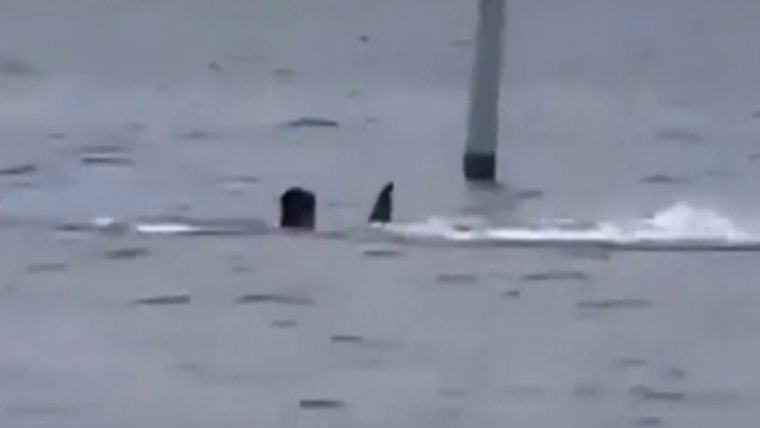
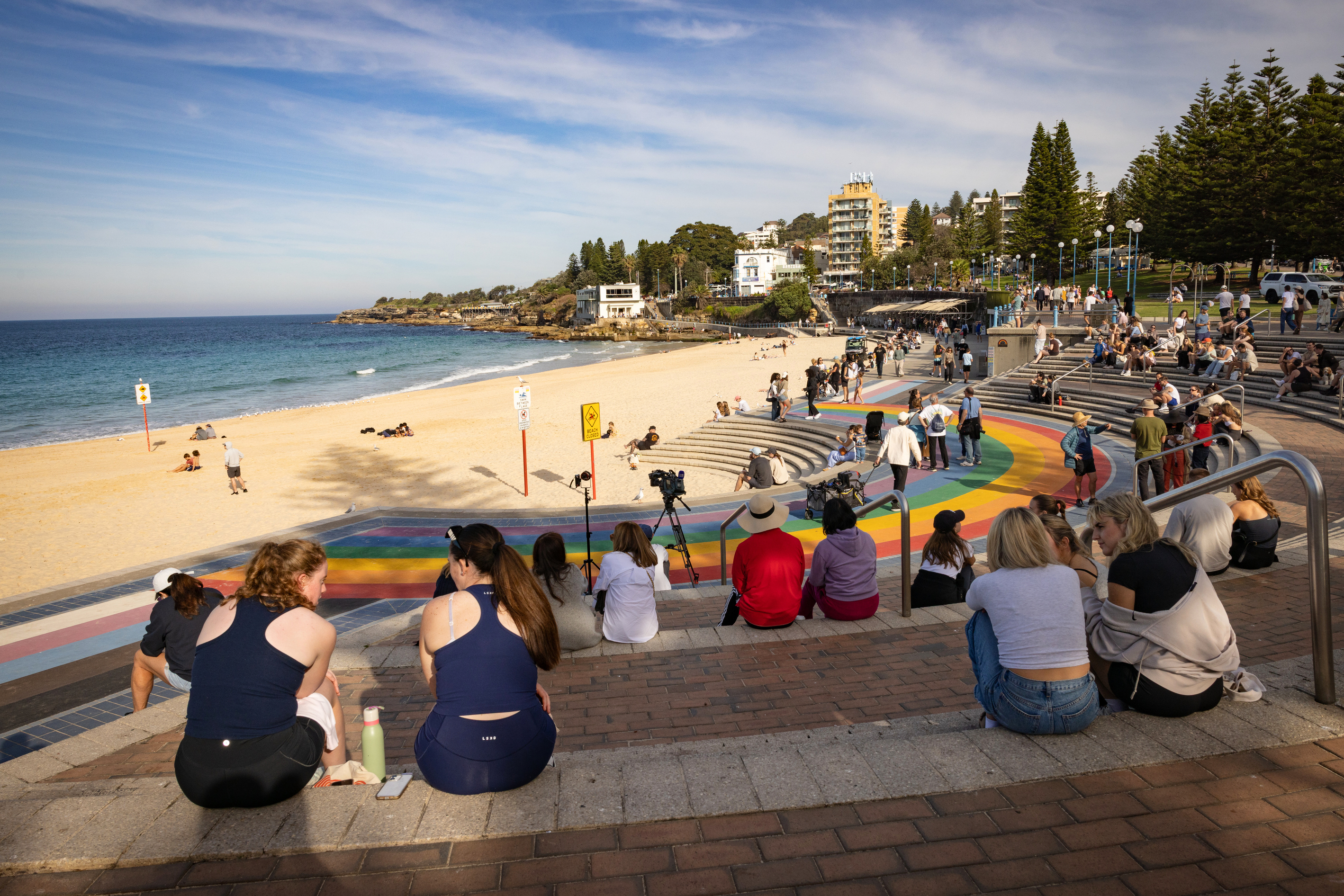
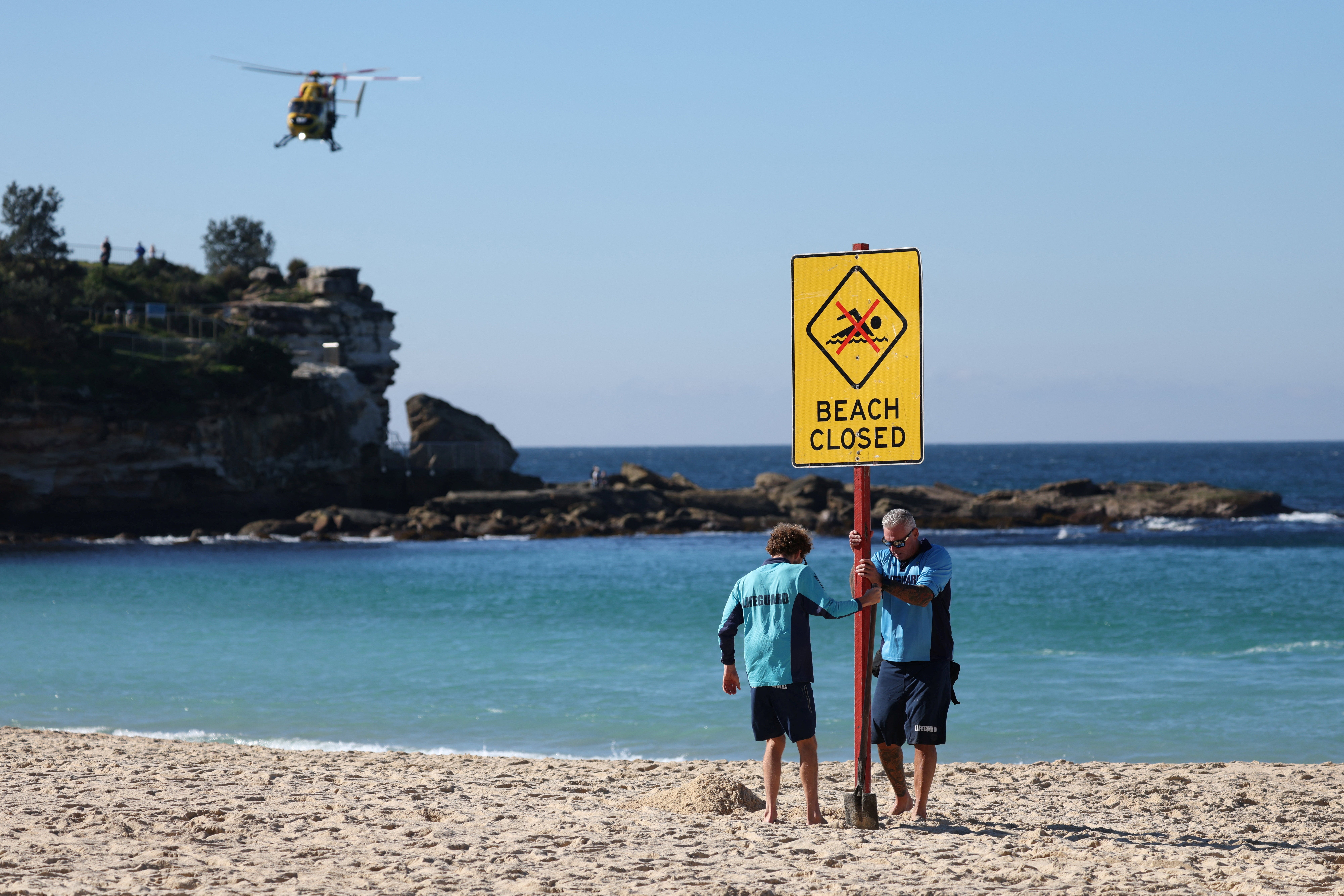
A critical shark attack at Coogee Beach in Sydney on June 13, 2026, has catalyzed a major regulatory shift in Australia's approach to coastal safety technology. A 35-year-old woman suffered serious injuries from a 3-3.4 meter white shark, prompting NSW Agriculture Minister Tara Moriarty to announce expanded AI-enabled drone surveillance and permanent exemptions from aviation restrictions at the beach. This incident represents a watershed moment for Australian e-commerce sellers, as the government is prioritizing drone technology and monitoring systems over traditional culling approaches—signaling a multi-year investment cycle in coastal safety infrastructure.
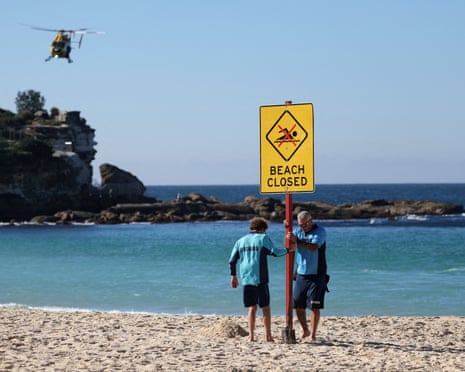
The regulatory opportunity is substantial: The Civil Aviation Safety Authority is actively exploring adaptations to current drone regulations to accommodate expanded commercial operations for shark monitoring. Coogee Beach currently operates under flight restrictions due to proximity to Sydney Kingsford Smith Airport, but emergency provisions deployed during the incident demonstrate government willingness to create exemptions. This creates immediate demand for specialized drone equipment, marine safety sensors, and monitoring software—categories where Australian sellers can establish first-mover advantage before international competitors enter the market.
Consumer behavior is shifting toward coastal safety products. Australia averages approximately 20 shark incidents annually along its east and southeast coastline, but this high-profile attack at a popular Sydney beach will drive consumer demand for personal safety equipment, beach-specific wearables (shark detection devices, GPS trackers), and tourism-related safety products. The 24-hour beach closure across Sydney's Randwick Council area demonstrates the economic impact of shark incidents on local tourism and hospitality—creating secondary demand for alternative recreational products and services. Sellers should expect 30-50% increased search volume for shark safety products, beach wearables, and coastal tourism merchandise in Australian marketplaces over the next 2-3 months.
Supply chain implications are immediate: The NSW Department of Primary Industries has tagged approximately 60 white sharks since January with 170 detections recorded at listening stations across NSW. This tracking infrastructure requires ongoing sensor maintenance, data management systems, and monitoring equipment—all sourced through commercial channels. Sellers with expertise in marine electronics, IoT sensors, or drone-related products can position themselves as suppliers to government contracts and private beach operators implementing enhanced safety measures. The government's stated preference for surveillance over culling indicates sustained, long-term investment in technology solutions rather than one-time emergency spending.
Questions 7
What are the estimated market size and growth projections for shark safety products?
The Australian shark safety equipment market is estimated at $50M+ based on government investment in drone surveillance, shark tracking infrastructure, and expanded beach safety measures. Consumer demand for personal safety wearables is projected to grow 30-50% over the next 2-3 months following the Coogee Beach incident, with sustained growth of 15-20% annually as the government implements permanent coastal safety infrastructure. The B2B market for drone equipment and monitoring systems represents an additional $20-30M opportunity as beach operators and local councils upgrade safety capabilities. Sellers entering this market now can establish brand authority and supplier relationships before the market matures, positioning themselves for sustained revenue as Australia's coastal safety infrastructure expands across multiple states and regions.
How does this incident compare to previous shark safety initiatives in Australia?
The Coogee Beach incident represents a significant escalation in government investment in technology-based shark safety solutions. The NSW Department of Primary Industries' shark tagging program (60 sharks tagged since January with 170 listening stations across NSW) demonstrates sustained infrastructure investment, but the government's announcement of AI-enabled drone surveillance and permanent aviation exemptions signals a shift toward real-time monitoring over traditional tagging. This contrasts with previous approaches that relied primarily on beach closures and warning systems. The government's explicit rejection of culling in favor of technology solutions indicates long-term commitment to surveillance infrastructure—creating sustained demand for drone equipment, sensors, and monitoring software rather than one-time emergency spending. Sellers should position products as part of a comprehensive coastal safety ecosystem rather than temporary incident-response solutions.