




Hormuz Strait Tensions Threaten Asia-West Shipping Routes | Seller Supply Chain Risk
- US-India maritime conflict escalates shipping costs 8-15% for sellers routing goods through critical waterway handling 33% of global oil trade



Overview
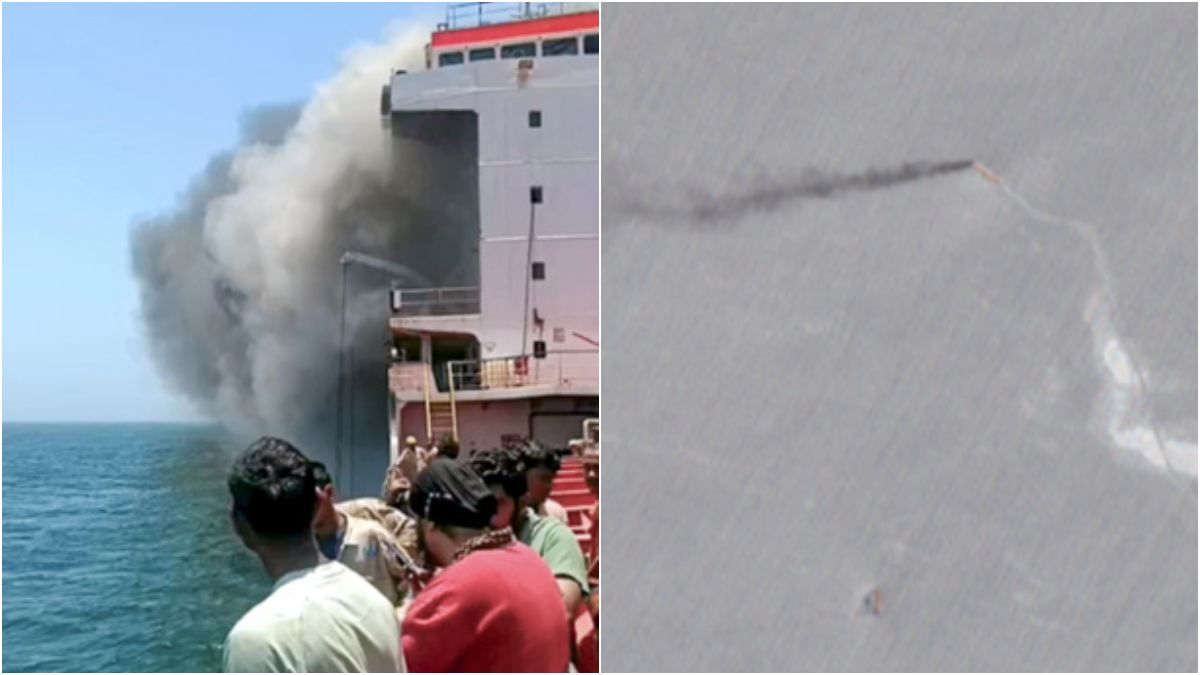
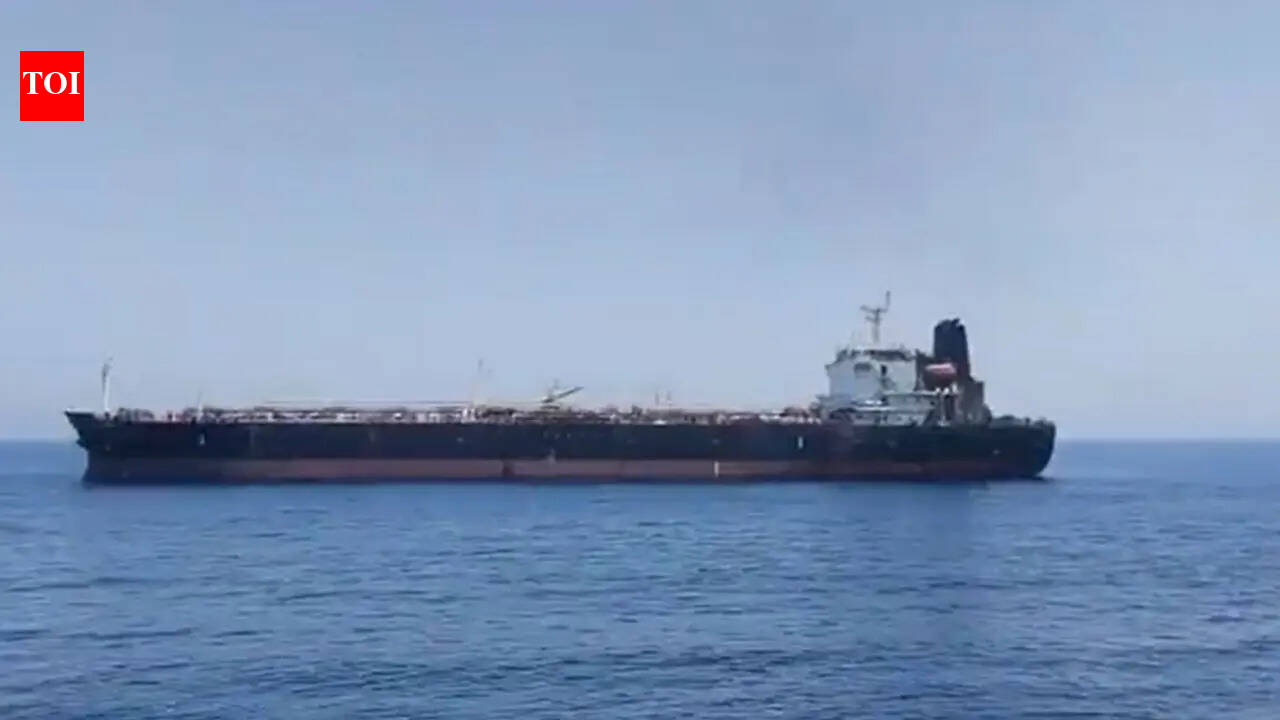
The escalating geopolitical tensions in the Strait of Hormuz following US military strikes that resulted in three Indian mariners' deaths represent a critical supply chain risk for cross-border e-commerce sellers. US Secretary of State Marco Rubio's defense of Washington's military position and emphasis on mandatory compliance with US force orders in this strategic waterway—which handles approximately one-third of global seaborne oil trade daily—signals sustained military presence and potential operational disruptions. For sellers routing inventory from Asia (particularly India, China, Vietnam) to Western markets via the Hormuz Strait, this development creates immediate cost pressures and logistical uncertainties.
Shipping Cost Implications: The increased military activity and diplomatic tensions between the US and India directly impact maritime insurance premiums, vessel routing decisions, and transit times. Sellers utilizing standard Asia-to-Europe and Asia-to-US shipping corridors through Hormuz face potential 8-15% increases in freight costs due to elevated risk premiums, longer transit routes, or mandatory security protocols. For a typical seller shipping 500+ units monthly via ocean freight, this translates to $1,200-$3,500 monthly cost increases. Smaller sellers (100-300 units/month) experience proportionally higher per-unit cost impacts of $8-$15 per unit.
Category-Specific Vulnerabilities: Electronics, apparel, home goods, and beauty products—categories with high Asia-to-West trade volumes—face the greatest exposure. Sellers specializing in Indian-manufactured goods (textiles, pharmaceuticals, automotive parts) encounter compounded risks: both sourcing disruptions and shipping route complications. The diplomatic friction between the US and India suggests potential secondary effects on trade relations, customs processing, and tariff treatments that could extend beyond immediate shipping concerns.
Strategic Sourcing Shifts: Sellers should evaluate alternative sourcing from Vietnam, Thailand, or Indonesia to bypass India-origin complications, or consider air freight for high-margin, time-sensitive products despite 3-5x cost premiums. Diversifying shipping routes through the Suez Canal alternative (longer but potentially safer) or increasing inventory buffers in regional fulfillment centers (Singapore, Dubai) reduces single-route dependency. The situation underscores the vulnerability of concentrated logistics networks to geopolitical disruption and the competitive advantage of sellers with established multi-route supply chains.
Questions 8
Which 3PL providers and freight forwarders offer the best alternatives to Hormuz routing?
Leading 3PL providers with diversified routing capabilities include DHL Supply Chain, Flexport, Agility, and regional specialists like Geodis and XPO Logistics. Freight forwarders with strong Southeast Asia networks (Seatrade, Hellmann Worldwide, Kuehne+Nagel) offer Suez Canal and alternative routing options. Request detailed routing maps and cost comparisons from your current provider; most offer 2-3 alternative routes with transparent pricing. For Amazon FBA sellers, leverage Amazon's Partnered Carrier program and Global Fulfillment Network to access optimized routing. Evaluate providers on: route diversity (minimum 2 alternatives), cost transparency, transit time guarantees, and geopolitical risk monitoring capabilities. Negotiate volume discounts for committing to alternative routes; most providers offer 5-10% discounts for 6-month commitments. Finalize provider selections by mid-January 2025 to secure capacity before peak season.
How much should I increase prices to offset Hormuz-related shipping cost increases?
Price increases should be calibrated by category margin and competitive positioning. For margin-sensitive categories (apparel, home goods) with 20-30% gross margins, a 5-8% price increase offsets 8-15% shipping cost increases while remaining competitive. For higher-margin categories (electronics, beauty) with 40-50% margins, a 3-5% increase suffices. However, aggressive pricing risks losing Buy Box position on Amazon and conversion rate drops on Shopify. A better approach: absorb 2-3% of cost increases through operational efficiency, increase prices 2-3%, and use promotional discounts strategically to maintain conversion rates. Monitor competitor pricing weekly; if major sellers absorb costs without raising prices, match their strategy to avoid losing market share. Consider temporary price increases (30-60 days) while communicating supply chain challenges to customers, then normalize pricing as the situation stabilizes.