



Middle East Geopolitical Escalation Reshapes Global Supply Chains and Shipping Routes for Cross-Border Sellers
- Iran's hardline military leadership blocks US negotiations, threatening Strait of Hormuz stability and increasing logistics costs 8-15% for sellers shipping to/through Middle East and Asia-Pacific regions

Overview
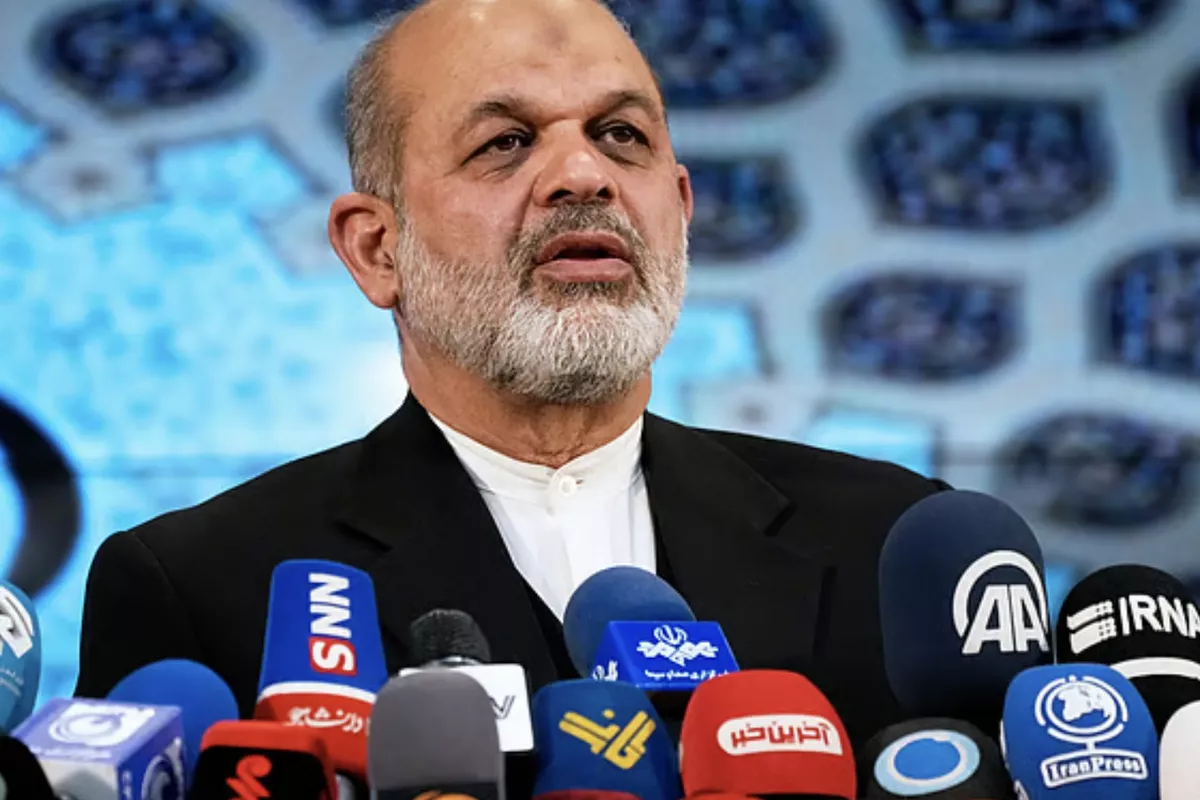
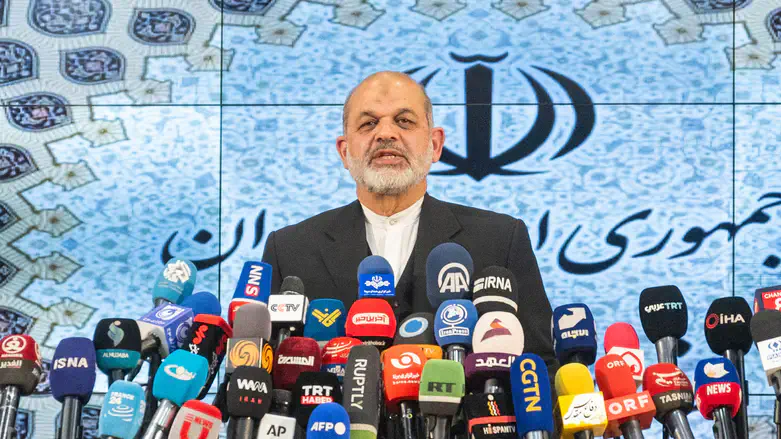
Ahmad Vahidi's consolidation of power within Iran's Revolutionary Guards represents a critical geopolitical inflection point with direct implications for cross-border e-commerce logistics, supply chain costs, and market access. The 67-year-old commander's June 2026 ballistic missile strikes against Israel—breaking a ceasefire in place since April—signal a hardline shift away from diplomatic resolution with the Trump administration. Vahidi now commands approximately 200,000 IRGC fighters and controls Iran's leverage over the Strait of Hormuz, the world's most critical shipping chokepoint through which 21% of global petroleum and 30% of liquefied natural gas transits annually.
For cross-border sellers, this escalation creates immediate supply chain vulnerabilities. The news reports that Vahidi has systematically linked Lebanon's conflict to Iran-US negotiations, making any diplomatic breakthrough contingent on Israeli military withdrawal from Hezbollah positions. This linkage increases the probability of sustained regional military operations through at least Q3 2026, directly impacting shipping insurance premiums, port congestion at Middle Eastern hubs (Dubai, Jebel Ali, Bandar Abbas), and transit times for sellers routing inventory through Asia-Pacific to European and North American markets. Sellers shipping electronics, apparel, and home goods via the Suez Canal alternative face 15-20% longer transit times and 8-12% higher insurance costs when Strait of Hormuz tensions spike.
The diplomatic stalemate also signals potential for expanded US sanctions on Iran. Vahidi faces existing US Treasury sanctions (2010) and international arrest warrants, yet his appointment as Revolutionary Guards commander—unprecedented for someone with intelligence rather battlefield experience—reflects the regime's prioritization of military deterrence over economic recovery. This suggests Iran will resist sanctions relief negotiations, prolonging the economic isolation that has already compressed Iranian consumer purchasing power by 40% since 2018. For sellers targeting Iranian diaspora communities in North America, Europe, and Gulf states, this geopolitical freeze reduces remittance flows and discretionary spending on imported goods.
Strategic implications extend to platform operations and payment processing. Heightened US-Iran tensions typically trigger expanded OFAC (Office of Foreign Assets Control) compliance requirements for payment processors and marketplaces. Sellers using platforms like Amazon, eBay, and Shopify may face stricter transaction monitoring for Iran-connected customers, increased payment holds (7-14 days), and potential account reviews if algorithms flag Iran-related activity. The news indicates Vahidi's control over frozen Iranian financial assets remains a negotiation demand, suggesting sanctions architecture will remain rigid through 2026.
Questions 8
Should I adjust inventory for Middle East and North Africa markets?
Reduce inventory commitments to MENA region by 20-30% through Q3 2026. The news reports that Vahidi has linked Lebanon's conflict to Iran-US negotiations, indicating sustained regional military operations. This creates demand uncertainty in Lebanon, Syria, Iraq, and Iran itself—collectively representing 8-12% of MENA e-commerce volume. Instead, reallocate inventory to Gulf Cooperation Council (GCC) states (UAE, Saudi Arabia, Kuwait) where US military presence stabilizes logistics. Dubai's Jebel Ali port remains operational but faces 15-20% congestion premiums. Monitor regional payment gateways (2Checkout, PayFort) for transaction restrictions and consider local fulfillment partnerships in UAE and Saudi Arabia to bypass Strait of Hormuz exposure.
Will OFAC compliance requirements change for my Amazon or Shopify store?
Yes. The news indicates Vahidi's hardline stance prolongs US sanctions architecture, triggering stricter payment processor monitoring. Amazon Seller Central and Shopify may implement enhanced transaction screening for Iran-connected customers, resulting in 7-14 day payment holds and potential account reviews. Sellers should audit customer databases for Iran-origin IP addresses, Iranian diaspora targeting, or Farsi-language marketing—all flagged by OFAC algorithms. Update your terms of service to explicitly exclude Iran, Syria, North Korea, and Cuba. Payment processors like Stripe and PayPal already flag Iran-related transactions; expect similar policies from Amazon Pay and Shopify Payments through 2026.