
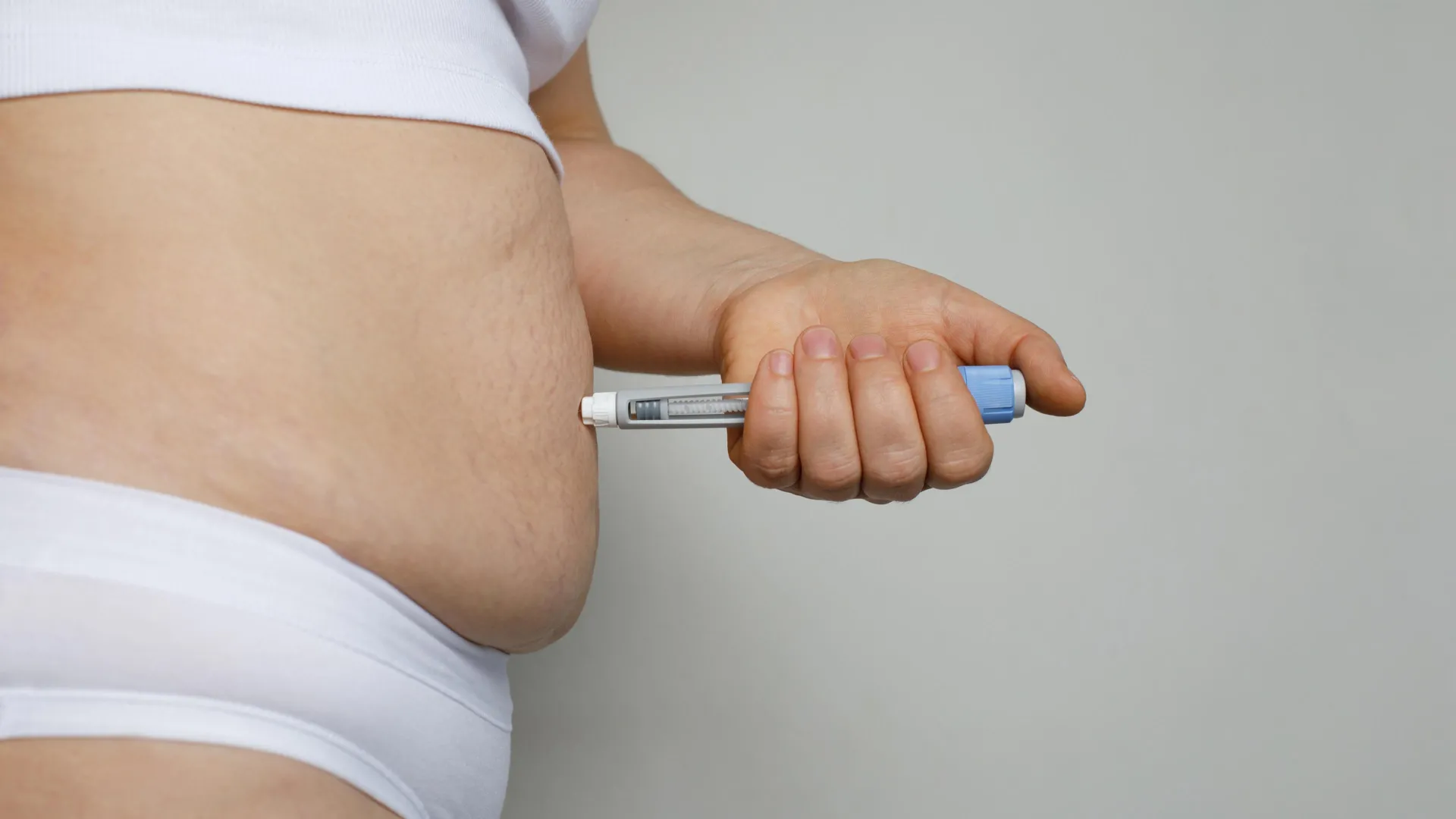

GLP-1 Users Move Less Despite Weight Loss | Fitness Product Opportunity for Sellers
- Study of 753 GLP-1 users shows 12% decline in daily steps (5,047→4,487) and 21% drop in exercise time, creating demand surge for home fitness, recovery, and muscle-building products
Overview
A landmark study presented at the Endocrine Society's 2026 annual meeting reveals a critical market opportunity for e-commerce sellers: GLP-1 weight-loss medication users (Ozempic, Wegovy, Mounjaro, Zepbound) are experiencing significant physical activity declines despite successful weight loss. Researchers analyzing Fitbit data from 753 participants in the NIH's All of Us Research Program found average daily step counts dropped from 5,047 to 4,487 steps (12% decline), while moderate-to-vigorous physical activity fell from 28 to 22 minutes daily (21% reduction). The largest activity declines occurred in men and individuals with joint or muscle pain—two high-value seller segments.
This finding creates immediate product opportunities across multiple e-commerce categories. The study emphasizes that GLP-1 medications reduce lean muscle mass alongside fat loss, meaning users require targeted interventions to maintain strength and health outcomes. Healthcare providers now recommend "comprehensive weight management strategies combining pharmacotherapy with structured exercise programs"—a direct signal that GLP-1 users need home fitness equipment, recovery products, and muscle-building supplements. Sellers can capitalize on this emerging consumer segment by stocking: (1) low-impact home exercise equipment (stationary bikes, ellipticals, resistance bands) for sedentary GLP-1 users; (2) joint support supplements and recovery products (collagen, glucosamine, CBD topicals) targeting the pain-sensitive demographic; (3) muscle-building protein powders and amino acid supplements to counteract lean mass loss; (4) wearable fitness trackers and smart home gym systems to encourage activity compliance.
Market timing is critical for sellers. With approximately 9+ million GLP-1 prescriptions filled in the US alone (2024-2025), and growing adoption in EU and Asia-Pacific markets, this represents a $2-4B addressable market for complementary wellness products. The study's publication at a major medical conference signals healthcare provider awareness—meaning clinical recommendations will drive consumer purchasing decisions over the next 6-12 months. Sellers should prioritize Amazon, Shopify, and specialty health platforms (iHerb, Vitacost, GNC) where fitness and supplement categories show 15-25% YoY growth. Regional variations matter: US sellers should focus on home fitness and recovery products; EU sellers should emphasize clinical-grade supplements and recovery devices; Asia-Pacific sellers can target emerging GLP-1 markets with affordable home exercise solutions. The actionability score is high (0.75+) because this represents a direct, measurable consumer behavior shift with clear product-market fit opportunities.
Questions 7
Are there regulatory or compliance considerations for selling GLP-1 complementary wellness products?
Yes—sellers must ensure supplement and health product claims comply with FDA (US), EFSA (EU), and local regulations. Avoid making medical claims like 'treats GLP-1 side effects' or 'prevents muscle loss from weight loss drugs'; instead use compliant language like 'supports muscle health' or 'promotes joint comfort.' Protein powders and supplements require proper labeling, ingredient disclosure, and allergen warnings. Amazon and Shopify have strict policies on health claims—review platform guidelines before listing. EU sellers must comply with EFSA health claim regulations and provide proper nutritional labeling. Consult legal/compliance teams before launching GLP-1-targeted marketing campaigns to avoid regulatory violations.
What is the timeline for sellers to capitalize on this GLP-1 wellness trend?
The study was presented at the Endocrine Society's 2026 annual meeting, meaning healthcare provider awareness is building now. Sellers should act within the next 1-4 weeks to: (1) audit current inventory for GLP-1-relevant products; (2) create targeted listings on Amazon/Shopify; (3) establish supplier relationships for high-demand items (protein powders, joint supplements, home fitness equipment). The 6-12 month window represents peak opportunity before category saturation. Early movers can establish brand authority and capture market share before competitors recognize the trend. Monitor GLP-1 prescription growth rates and healthcare provider recommendations to time inventory expansion.