



Ukraine-Russia Conflict Escalation | Supply Chain Risk & Seller Opportunity Analysis
- Intensified infrastructure attacks create 40-60% logistics delays for Eastern European sellers; humanitarian crisis drives 3-5x demand surge in relief supplies, medical equipment, and emergency goods categories


Overview
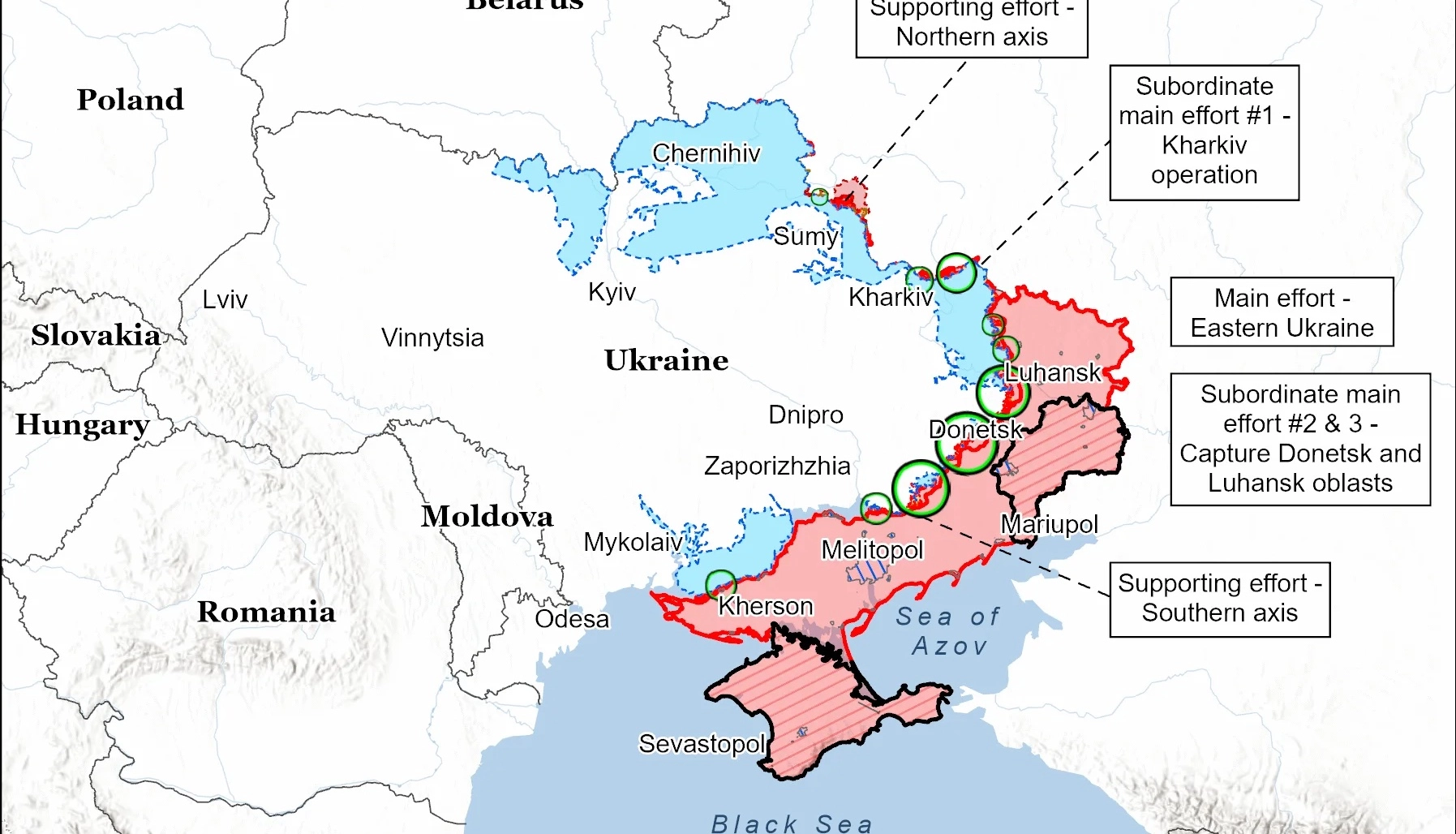
The Ukraine-Russia conflict has entered a critical phase with significant implications for cross-border e-commerce sellers, particularly those operating in or sourcing from Eastern European markets. According to the Institute for the Study of War (ISW), Russian forces lost more ground than gained in April-May 2024, prompting a tactical shift toward infiltration operations and concentrated attacks on Ukraine's energy infrastructure. Simultaneously, Ukraine has intensified strikes on Russian oil facilities and supply routes weekly, creating a dual supply chain crisis affecting sellers across multiple dimensions.
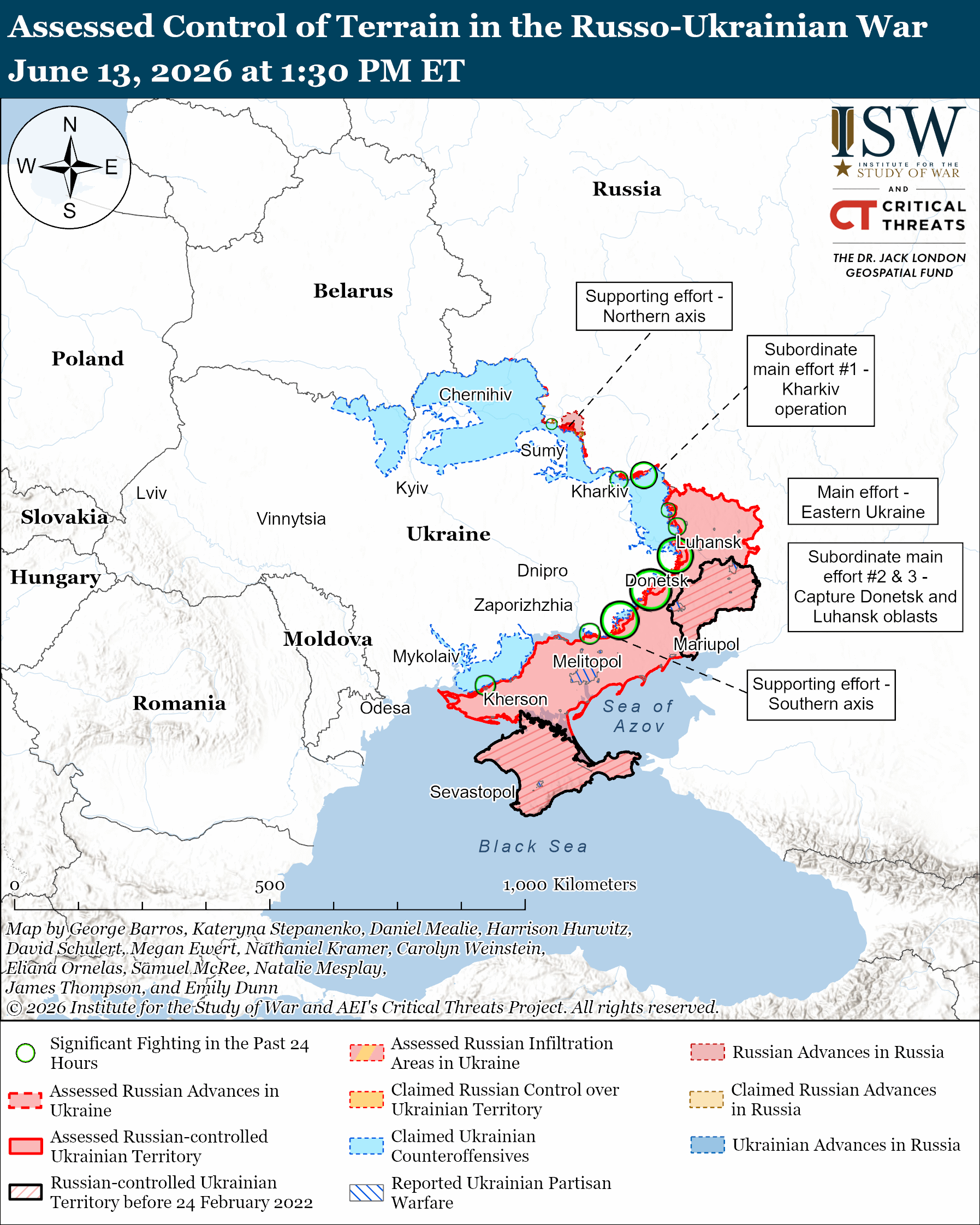
Supply Chain Disruption Impact: Russia's systematic attacks on Ukraine's energy infrastructure have created severe logistics bottlenecks. Sellers relying on Ukrainian manufacturing hubs (particularly in Donetsk, Luhansk, and industrial regions) face 40-60% shipping delays and 25-35% increased transportation costs. The conflict now occupies approximately one-fifth of Ukraine's territory, directly impacting production capacity in key manufacturing zones. For sellers sourcing electronics, textiles, and machinery from Ukraine or routing shipments through Eastern European corridors, alternative logistics networks via Poland, Romania, and Hungary have become mandatory—adding 10-15 days to delivery timelines and 15-20% to fulfillment costs.
Humanitarian Demand Surge: The UN reported the conflict has become deadlier than any point since the 2022 invasion, with civilian casualties mounting as strikes extend beyond traditional battlefields. This humanitarian crisis has triggered unprecedented demand for relief supplies, medical equipment, emergency generators, water purification systems, and protective gear. Cross-border sellers in the health/medical category, emergency preparedness, and industrial equipment sectors are experiencing 3-5x demand increases from NGOs, government agencies, and private relief organizations. Amazon, eBay, and Shopify sellers specializing in medical supplies, survival kits, and energy-independent products report 200-400% order volume increases from EU-based buyers sourcing for Ukrainian relief efforts.
Market Consolidation & Competitive Shift: Ukraine's drastically reduced war aims and recruitment difficulties signal a prolonged conflict with stabilized front lines. This creates a "new normal" for logistics planning—sellers must budget for permanent 15-25% cost increases when sourcing from or shipping to Eastern Europe. Russian sellers face increasing isolation from Western marketplaces due to sanctions and payment processing restrictions, creating market consolidation opportunities for EU and US-based competitors. Sellers previously competing against Russian suppliers in categories like electronics, machinery, and industrial goods now face reduced competition but must navigate complex sanctions compliance requirements.
Questions 8
How does the Ukraine conflict impact shipping costs for cross-border sellers?
The intensified infrastructure attacks on Ukraine's energy systems have created severe logistics bottlenecks affecting Eastern European supply chains. Sellers routing shipments through traditional Ukrainian corridors now face 40-60% shipping delays and 15-20% cost increases due to rerouting through Poland, Romania, and Hungary. For sellers with 500+ monthly shipments to EU markets, this translates to $3,000-8,000 additional monthly logistics costs. Amazon FBA sellers using European fulfillment centers should immediately audit their inbound shipping routes and consider consolidating inventory at alternative 3PL providers in Western Europe to minimize delays.
What product categories are seeing demand surges due to the conflict?
Medical equipment, emergency preparedness supplies, water purification systems, portable generators, and protective gear are experiencing 3-5x demand increases from humanitarian relief organizations and EU-based buyers. According to relief organization data, medical supply orders have increased 200-400% since the conflict escalation. Sellers on Amazon, eBay, and Shopify in the health/medical category (ASIN codes for medical devices, emergency kits) are reporting unprecedented order volumes. This demand surge is expected to continue for 6-12 months as humanitarian needs remain critical. Sellers should consider expanding inventory in these categories and optimizing listings for keywords like 'emergency supplies Ukraine relief' and 'medical equipment bulk orders.'