


EU Air Passenger Rights Reform | €250-600 Compensation Locked In, Family Seating Free Through 2027
- Eliminates hidden airline fees affecting 500M+ annual EU travelers; creates cost certainty for cross-border sellers managing transatlantic logistics and business travel expenses













Overview
The European Union has finalized a comprehensive air passenger rights reform effective H2 2027, cementing €250-€600 compensation for delays exceeding 3 hours and banning airlines from charging parents to sit with children under 14. Approved June 12, 2026, and provisionally adopted June 15, 2026, this reform directly impacts cross-border e-commerce sellers managing operational costs and supply chain logistics across the EU-US corridor.
For cross-border sellers, this creates three critical operational advantages: First, cost predictability for business travel—sellers flying between North America and Europe can now budget €250-€600 compensation into contingency planning, reducing unexpected travel disruptions that delay inventory management and supplier meetings. The reform maintains the 3-hour delay threshold (rejecting EU Commission proposals to raise it to 4 hours), preserving passenger protections that make European carriers more attractive for business operations. Second, family travel cost reduction—the ban on child seating fees (effective H2 2027) reduces travel costs for sellers with families managing EU operations, lowering operational overhead by €50-150 per family trip. Third, supply chain reliability improvements—mandatory price transparency for carry-on baggage (requiring airlines to include cabin bag charges in base fares with opt-out discounts) eliminates hidden fees that previously inflated logistics costs by 8-12% for sellers shipping samples, prototypes, and time-sensitive inventory between EU warehouses and US distribution centers.
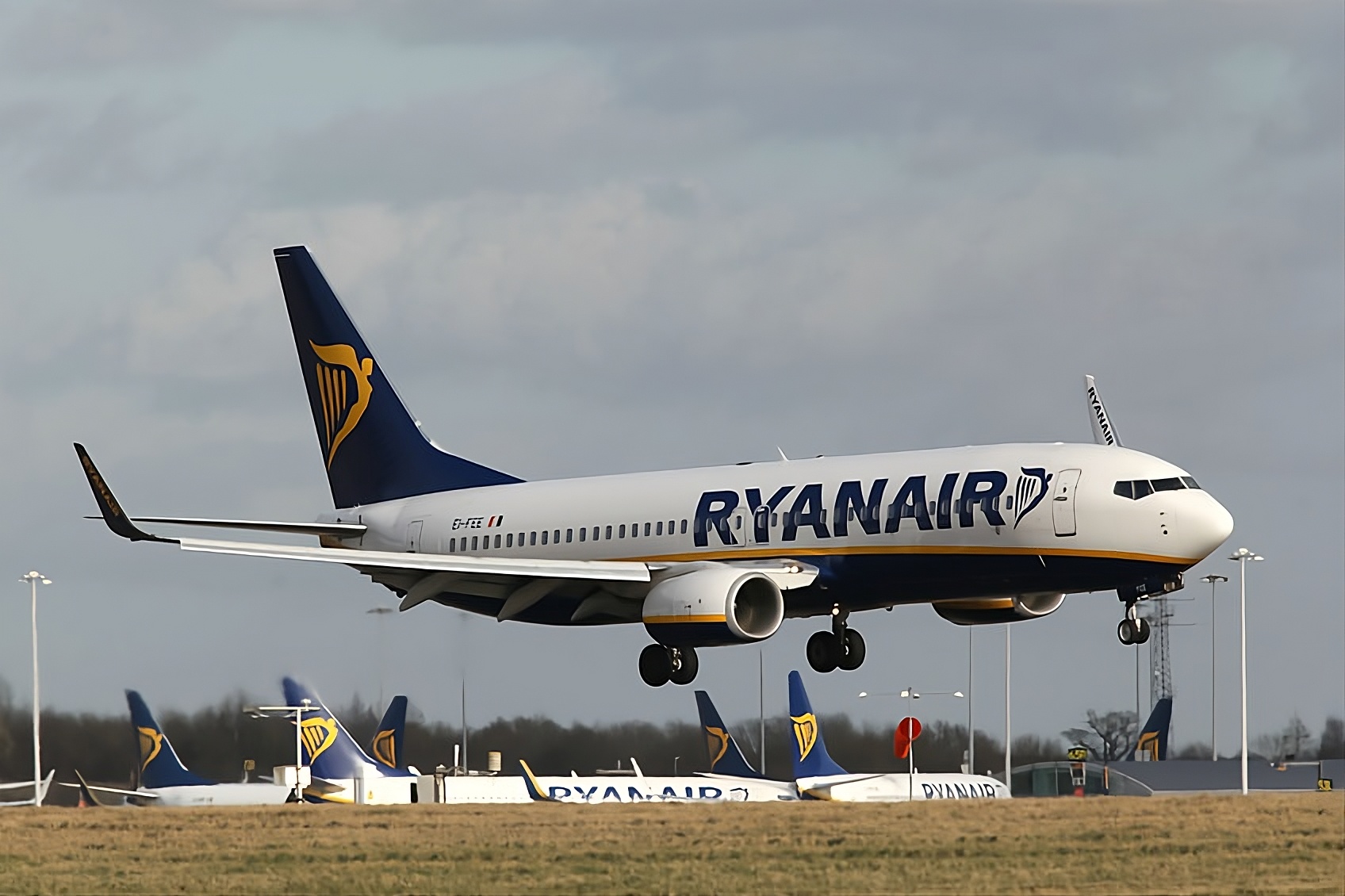
The reform's price transparency mandate directly addresses Spain's €179 million fine against budget airlines in 2024 for non-transparent baggage fees, signaling stricter enforcement of hidden-fee practices. Airlines must now display all carry-on charges upfront, preventing the €30-80 surprise fees that previously compressed margins on high-volume, low-margin shipments. Additionally, the ban on forced mobile app downloads for boarding passes (targeting Ryanair's November implementation) reduces friction for sellers managing frequent travel between EU markets—critical for sellers operating multi-country fulfillment networks or attending trade shows across EU cities.
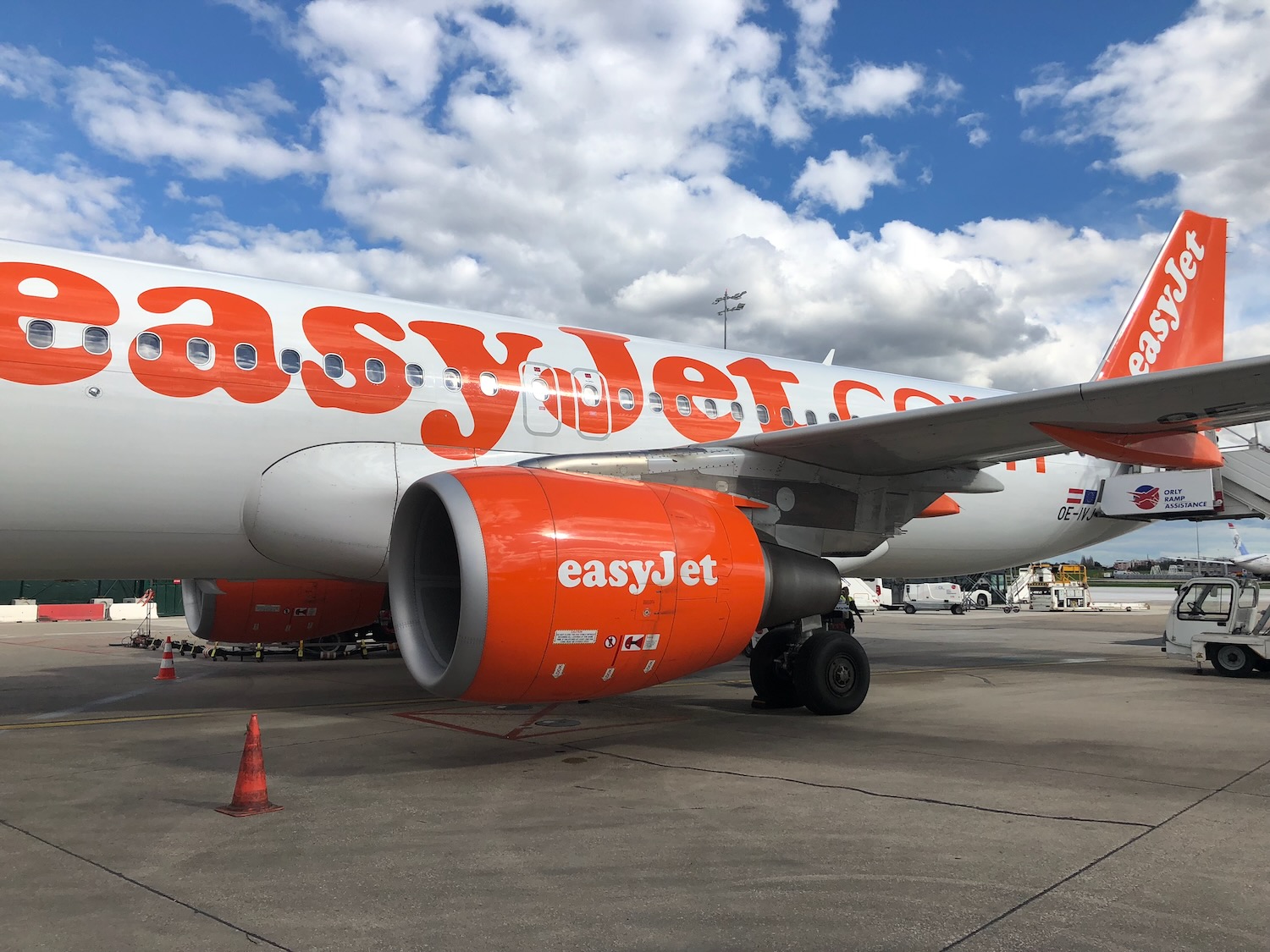
Implementation timeline is critical: The reform requires formal adoption by EU member states and European Parliament before H2 2027 implementation. Only Spain and Latvia voted against (Austria and Finland abstained), indicating strong consensus. Sellers should immediately audit current airline contracts and travel policies to lock in favorable terms before July 2027 implementation, as airlines will likely adjust pricing strategies to offset compensation obligations. Budget carriers (Ryanair, easyJet, Wizz Air) will face the highest operational cost increases, potentially raising fares 5-8% for EU routes—sellers should shift transatlantic bookings to European full-service carriers (Lufthansa, Air France, KLM) now while budget carrier pricing remains competitive.
Questions 7
How does the EU air passenger rights reform affect cross-border sellers' operational costs?
The reform locks in €250-€600 compensation for delays exceeding 3 hours and eliminates hidden airline fees, creating cost predictability for sellers managing transatlantic logistics. Specifically, mandatory price transparency for carry-on baggage prevents €30-80 surprise fees that previously inflated shipping costs by 8-12%. For sellers flying 20+ times annually between EU and US markets, this saves €600-1,600 in unexpected travel expenses. The ban on child seating fees (effective H2 2027) reduces family travel costs by €50-150 per trip, lowering operational overhead for sellers with family-managed operations.
Which airlines will face the highest cost increases from this reform?
Budget carriers (Ryanair, easyJet, Wizz Air) will face the highest operational cost increases because they rely heavily on ancillary fees (baggage, seating, boarding passes) for profitability. The mandatory inclusion of trolley bags in basic fares and price transparency requirements eliminate their fee-stacking model. Industry analysis suggests budget carriers may raise EU route fares 5-8% to offset compensation obligations. Sellers should shift transatlantic bookings to full-service carriers (Lufthansa, Air France, KLM) now while budget carrier pricing remains competitive before July 2027 implementation.